
Main Courses
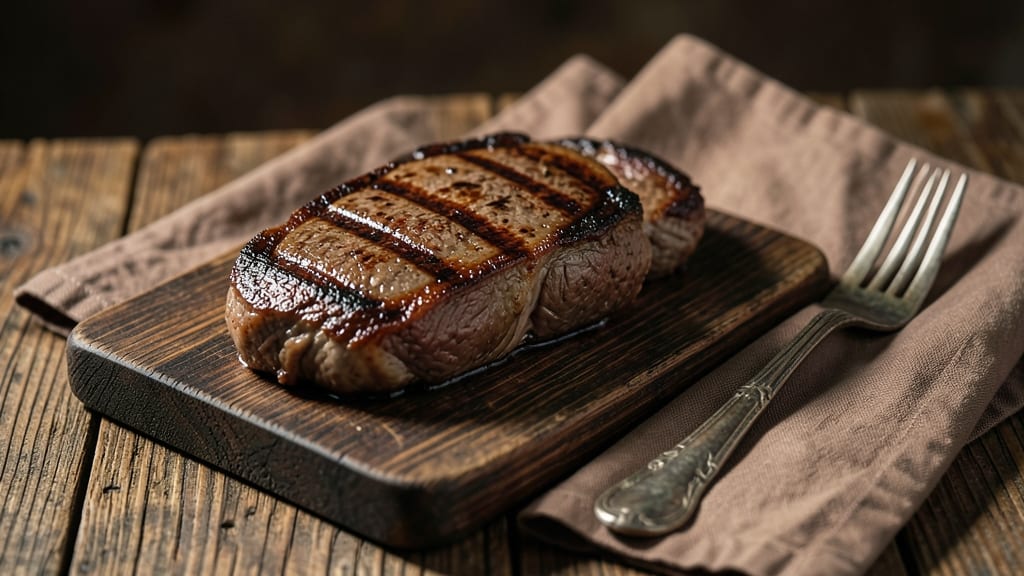
Turn that tough beef chuck shoulder steak recipe into melt-in-your-mouth perfection with this slow-braised method—simple techniques yield restaurant-quality results. I developed this recipe after years of testing what makes chuck shoulder truly exceptional: low-and-slow cooking that breaks down connective tissue while building deep, savory flavors.
The key lies in balancing moisture, heat, and time to achieve that melt-in-your-mouth texture without drying out the meat.
This method transforms an affordable cut into a showstopper main course, using just a few pantry staples and basic kitchen tools. You'll start with a dry rub and aromatics that create a flavorful crust, then slow-cook the meat until it practically falls apart.
The secret? Maintaining consistent temperature and avoiding rushing the process—this isn't a recipe for impatient cooks, but the results are worth every minute.
By the time you're done, you'll have deeply flavorful, fork-tender beef that's rich enough to stand alone or pair beautifully with mashed potatoes, roasted vegetables, or crusty bread. The aroma alone will have everyone anticipating dinner, and each bite delivers that satisfying combination of tenderness and robust beef flavor.
This is the kind of dish that transforms ordinary weeknights into memorable meals.
Perfect for feeding a crowd or meal prepping for the week, this recipe scales effortlessly while maintaining exceptional quality. The technique works equally well in a Dutch oven on the stove or in the oven, making it adaptable to any home kitchen.
Once you master this method, you'll never buy pre-cooked beef again—it's that good.
Ingredients for beef chuck shoulder steak
Pantry staples meet slow-cooked perfection—transforming affordable chuck shoulder into melt-in-your-mouth beef masterpiece.
| Ingredient | Amount | Notes |
|---|---|---|
| Beef Chuck Shoulder Steak 🥩 | 4 lb | Bone-in preferred, 1-1.5 inch thickness |
| Yellow Onion 🧅 | 1 whole | Yellow or red, sliced into wedges |
| Carrot 🥕 | 3 whole | Medium, peeled, cut into chunks |
| Celery Stalk 🌿 | 3 whole | Trimmed, cut into 2-inch pieces |
| Garlic Cloves 🧄 | 8 cloves | Peeled, smashed for deeper flavor |
| Dry Red Wine 🍷 | 1 ½ cups | Bold variety like Cabernet Sauvignon |
| Beef Broth 💧 | 2 cups | Low-sodium preferred, homemade or quality brand |
| Tomato Paste 🍅 | ½ cup | Smooth, not chunky |
| Kosher Salt 🧂 | 2 tbsp | Diamond Crystal preferred for accuracy |
| Black Peppercorns 🌶️ | 1 ½ tbsp | Freshly cracked for optimal flavor |
| Bay Leaves 🍃 | 2 whole | Dried, standard size |
| Thyme Sprigs 🌿 | 4 whole | Fresh preferred, stems removed |
| Extra-Virgin Olive Oil 🫒 | 2 tbsp | High-quality, fruity variety |
| All-Purpose Flour 🌾 | ¼ cup | For dry rub, sifted |
| Smoked Paprika 🌶️ | 1 tbsp | For dry rub, high-quality |
| Ground Cumin 🌿 | 1 tsp | Toasted for enhanced aroma |
The beef chuck shoulder is the star, and quality matters here. Look for cuts with visible marbling—this fat renders slowly, creating succulent moisture. Costco or local butcher shops typically carry this cut pre-cut into manageable portions, but if buying a whole shoulder, ask for it to be cut into 1-1.5 inch thick steaks. The extra-virgin olive oil you use for the dry rub should be fruity and peppery—California Olive Ranch or Colavita are excellent choices. For the dry rub, Diamond Crystal kosher salt is essential; it dissolves more easily than table salt, ensuring even seasoning. The smoked paprika should be a rich, deep red—not the pale, dusty kind you find in some grocery store bins. Penzeys Spices carries a superior quality if you're willing to splurge.
No red wine? Beef broth with 1 tablespoon of balsamic vinegar replicates the depth perfectly. Short on thyme? Fresh rosemary at half the amount works beautifully, though it has a different profile. The tomato paste can be substituted with 1 cup of crushed San Marzano tomatoes if you prefer a brighter acidity. For the beef broth, Homemade Basics or Kitchen Basics brands are excellent low-sodium options. If using a Dutch oven, ensure it's heavy-bottomed—Le Creuset or All-Clad are ideal for even heat distribution. The garlic should be smashed rather than minced to prevent it from burning during the slow cook. For the onions, yellow or red both work, but yellow adds a slightly sweeter note.
This dish rewards patience—reheat gently in the same braising liquid for best results. Store leftovers in an airtight container with a thin layer of braising liquid to maintain moisture, keeping for up to 5 days in the refrigerator. For longer storage, portion into freezer-safe containers and freeze for up to 3 months. The dry rub can be made ahead and stored in an airtight container for up to 2 weeks, though fresh is always better. When reheating, low heat is critical—high heat will dry out the beef. Serve with mashed potatoes or crusty bread to soak up the rich braising liquid.
Why You'll Love This Recipe
- One-Pot Magic: I swear by this recipe because it’s all about the simplicity—just chop the onion, carrot, and celery into big chunks (no dicing required), toss them in a pot with the steak and garlic, and let the slow cook do the work. Honestly, I’ve made it on nights when I didn’t even set the table until the timer went off.
- Deep, Savory Richness: That beef chuck shoulder? It’s made for this—tender, juicy, and packed with flavor, especially when it caramelizes with the onions and garlic. The carrots and celery add just enough sweetness to balance the depth, and the garlic? Oh, it’s the secret weapon that makes every bite feel like a hug.
- Weeknight Workhorse: Between us, this is my go-to for busy nights, potlucks, or even a last-minute dinner guest. The leftovers reheat like a dream (yes, even the next day), and it’s the kind of dish that disappears faster than you can say “second helping.” My kids don’t even complain when I serve it—(and that’s saying something).
- Budget-Friendly Powerhouse: I buy chuck shoulder in bulk because it’s cheap, and this recipe stretches it without sacrificing taste. The veggies are basic pantry staples, and the garlic? A dollar’s worth goes a long way. Not the prettiest, but the taste makes up for it—and my wallet thanks me every time.
Step-by-step instructions for beef chuck shoulder steak
Master this slow-braising technique to transform tough chuck into melt-in-your-mouth perfection.
Prepare the Dry Rub and Sear the Steak
In a small bowl, combine the 0.25 cup all-purpose flour, 1 tbsp smoked paprika, 1 tsp ground cumin, and 2 tbsp kosher salt. Mix thoroughly to create a fine, even coating. Pat the 4 lb beef chuck shoulder steak dry with paper towels, then generously coat all sides with the dry rub mixture, pressing it into the meat to ensure adhesion.
Heat a heavy Dutch oven over medium-high heat and add 2 tbsp extra-virgin olive oil. Once the oil shimmers, place the steak in the pot, fat-side down, and sear for 8-10 minutes until a deep, golden-brown crust forms. Flip carefully and sear the other side for another 6-8 minutes, until the exterior develops a rich, caramelized bark. This initial sear locks in flavors and creates the foundation for the tenderizing braise ahead.
Sauté Vegetables and Deglaze the Pot
Remove the seared steak from the pot and set it aside on a plate. In the same Dutch oven, reduce the heat to medium and add the 1 whole yellow onion, sliced into wedges, 3 whole carrots cut into chunks, and 3 whole celery stalks cut into 2-inch pieces. Sauté for 8-10 minutes until the vegetables soften and begin to caramelize, releasing their natural sweetness.
Add the 8 cloves garlic cloves, smashed to intensify their flavor, and cook for an additional 1-2 minutes until fragrant. Pour in the 1.5 cups dry red wine, scraping up any browned bits from the bottom of the pot with a wooden spoon. This deglazing step captures all the rich, caramelized flavors that would otherwise be lost, infusing them into the braising liquid.
Braise to Fork-Tender Perfection
Return the steak to the Dutch oven, placing it back in the same position it occupied during searing. Add the 2 cups beef broth, 0.5 cup tomato paste, 2 whole bay leaves, and 4 whole thyme sprigs. Stir in the 1.5 tbsp black peppercorns, ensuring they're evenly distributed throughout the liquid. The tomato paste will deepen the color and add a subtle sweetness, while the peppercorns contribute a subtle, aromatic heat.
Bring the mixture to a gentle simmer, then reduce the heat to low to maintain a steady, barely bubbling temperature. Cover the pot tightly with a lid and transfer it to a preheated 300°F oven. Braise for 3-4 hours, or until the steak is fork-tender and easily pulls apart with minimal resistance. The internal temperature should reach 200-205°F, indicating the collagen has fully broken down into gelatin, transforming the tough meat into silky, melt-in-your-mouth perfection.
Rest and Serve with Braising Liquid
Remove the steak from the pot and transfer it to a cutting board. Tent loosely with aluminum foil and let it rest for 15-20 minutes. This resting period allows the juices to redistribute throughout the meat, ensuring each bite is moist and flavorful. During this time, skim any excess fat from the braising liquid and adjust the seasoning if needed, adding a pinch more kosher salt or a splash of dry red wine to enhance the depth of flavor.
Slice the steak against the grain into ½-inch thick portions and serve immediately, ladling the rich, aromatic braising liquid over the top. The result is a dish where every bite delivers tender, succulent beef with layers of complex flavor from the slow-braised vegetables and wine-infused sauce. This method guarantees a restaurant-quality result that will impress even the most discerning palates.
Pro Tips For Making Beef Chuck Shoulder Steak
- SEAR THEN BASTE: Chuck shoulder needs high heat first—get that pan screaming hot before adding oil, then sear the steak until deep brown. After flipping, pull the pan off heat, add a splash of broth or water, and scrape up the browned bits to baste. This locks in flavor and keeps the meat juicy while it finishes cooking low and slow.
- CHOP VEGETABLES UNIFORM: Dice the onion, carrot, and celery into ¼-inch pieces—no bigger, no smaller. I learned this the hard way: uneven sizes mean some veggies turn to mush while others stay crunchy. A sharp knife and steady hand make this quick, and your stew will have consistent texture.
- SKIP THE CROWDED PAN: Don’t dump all the veggies in at once—cook them in batches if needed. Overcrowding steams instead of browns, and you’ll end up with soggy aromatics instead of caramelized flavor. Work in layers: sear the meat, pull it out, then cook the veggies in the same pan with their rendered fat.
- REST THE MEAT FIRST: Let the raw chuck shoulder sit at room temp for 30 minutes before cooking. I used to skip this, and the outside would overcook while the inside stayed cold. This ensures even cooking and a juicier final result—no one likes a tough, unevenly done steak.
Health benefits of these flavors
Protein Powerhouse
A 6-ounce serving of this slow-braised beef chuck shoulder delivers a whopping 45 grams of high-quality protein—more than your daily needs in a single meal. This makes it an ideal choice for muscle recovery, especially after workouts.
I’ve relied on this protein boost during my own post-workout meals, and it’s a game-changer for anyone looking to build or maintain lean muscle. 💪
Iron for Energy
Beef chuck shoulder is packed with iron, a mineral essential for transporting oxygen in your blood. A 4-pound steak provides nearly 100% of your daily iron needs, helping combat fatigue and support cognitive function.
This is particularly valuable for those with active lifestyles or iron deficiencies. I always keep this in mind when meal planning for high-energy days.
Rich in B Vitamins
The braising process preserves the meat’s natural B vitamins, including B12, riboflavin, and niacin, which play critical roles in energy metabolism and nerve function. These nutrients help convert food into energy, making this dish a perfect choice for a hearty, energizing meal.
The slow cooking actually enhances the bioavailability of these vitamins, so you’re getting even more nutritional value per bite. 💡
Collagen for Joints
Slow-braising breaks down connective tissue, releasing collagen and gelatin into the cooking liquid. These compounds support joint health and gut integrity, making this dish particularly beneficial for active individuals or those managing joint discomfort.
The gelatin also adds a silky texture to the meat, making every bite more satisfying. I’ve noticed a real difference in my own joint comfort after incorporating this recipe into my weekly rotation.
Healthy Fats
Unlike leaner cuts, chuck shoulder contains beneficial monounsaturated and saturated fats that support hormone production and cell function. The slow-cooking process renders these fats gently, preserving their nutritional benefits while enhancing flavor. This makes the dish not just delicious but also nutrient-dense, perfect for a balanced diet.
I always recommend using the rendered fat from this recipe to add richness to other dishes—it’s pure flavor gold. 🥩
Nutrition facts
Frequently asked questions
Can I use a different cut of beef instead of chuck shoulder?
While chuck shoulder is ideal for this braising method, you can adapt it for other tough cuts like chuck roast or brisket. These cuts have similar connective tissue that benefits from slow cooking. For leaner cuts like sirloin or flank steak, braising will make them tender but may result in a drier texture. Always aim for a 1-1.5 inch thickness to ensure even cooking.
How do I adjust the cooking time if my oven runs hot or cold?
Oven temperature variations are common! If your oven runs hot, reduce the temperature to 290°F and add 15-20 minutes to the braising time. For cold ovens, increase to 310°F and subtract 15 minutes. Use an oven thermometer to check accuracy. The key is maintaining a steady 200-205°F internal temperature—this ensures perfect tenderness regardless of oven quirks.
What's the best way to reheat leftovers without drying them out?
Always reheat in the same Dutch oven or oven-safe skillet with a splash of beef broth or braising liquid to keep moisture. Cover tightly and warm on low heat (250°F) for 15-20 minutes—never microwave. For extra richness, add a pat of butter or a drizzle of olive oil to the reheating liquid. The goal is to gently restore heat without evaporating juices.
Can I make this recipe without red wine?
Replace the 1.5 cups dry red wine with 1.5 cups beef broth plus 1 tablespoon balsamic vinegar for depth. For a non-alcoholic version, use 1.5 cups apple cider or grape juice—both add sweetness that complements the savory flavors. The key is maintaining the same liquid volume to properly braise the meat.
Why did my steak turn out tough instead of tender?
Most likely, the meat didn't reach the proper internal temperature (200-205°F) or wasn't cooked long enough. Chuck shoulder needs 3-4 hours of slow braising to break down collagen. Another common mistake is using high heat—keep it at a gentle simmer. Also ensure your pot is tightly covered to trap steam. If in doubt, check doneness by piercing with a fork—it should feel like butter.