
Tips
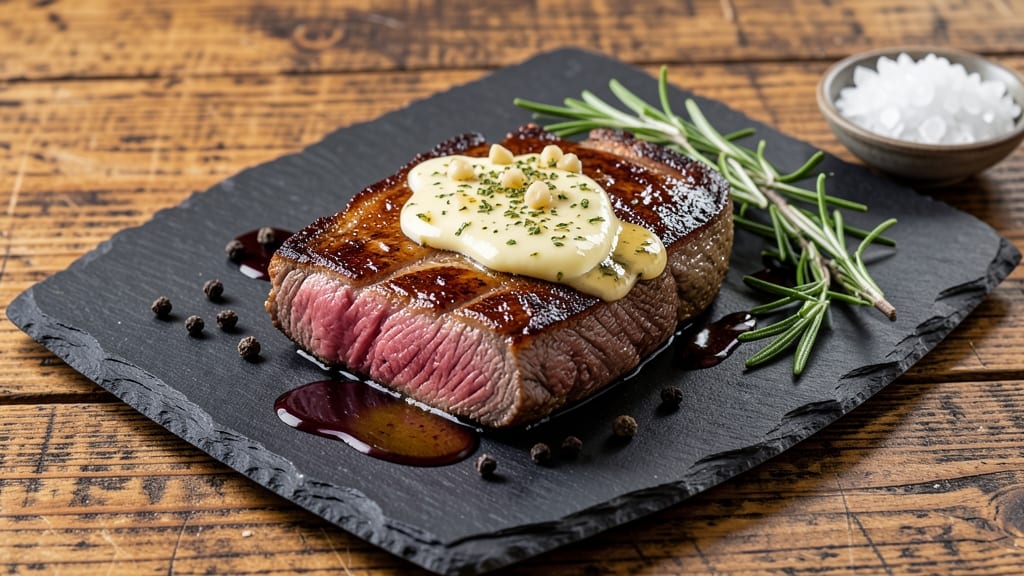
Angus beef sirloin tip steak delivers the perfect balance of juicy, buttery centers and a caramelized crust that will impress even the most discerning steak lovers. This cut, known for its marbling and tenderness, transforms with the right technique—whether you're pan-searing or reverse-searing. The key lies in proper prep: brining for moisture, drying for sear, and precise temperature control to lock in flavor without overcooking.
What sets this recipe apart is the reverse-sear method, which ensures even doneness while building that coveted crust. Start with a low-and-slow approach in the oven, then finish with a hot pan or broiler to create a golden-brown exterior.
This technique works especially well for thicker cuts, guaranteeing a perfect medium-rare every time. Seasoning is simple but critical: coarse salt and freshly cracked black pepper enhance the beef's natural richness without overpowering it.
By the time you plate this steak, you’ll have a tender, melt-in-your-mouth center with a crisp, flavorful crust that holds up to every bite. The internal temperature should reach 125–135°F for medium-rare, and letting it rest for 5–10 minutes ensures juices redistribute.
Pair it with roasted potatoes, grilled asparagus, or a bold red wine reduction to complete the meal.
This method is foolproof for weeknight dinners or special occasions, delivering restaurant-quality results at home. The secret? Patience and precision—no shortcuts, just a steak that tastes like it belongs on a high-end menu. Let’s get started.
Ingredients for angus beef sirloin tip steak
The perfect harmony of marbling, seasoning, and technique transforms simple ingredients into restaurant-quality steak.
| Ingredient | Amount | Notes |
|---|---|---|
| Angus Beef Sirloin Tip Roast 🥩 | 2 ½ lb | Center-cut, 1.5-inch thick slices |
| Kosher Salt 🧂 | 1 ½ tbsp | Diamond Crystal preferred, coarse grain |
| Freshly Ground Black Pepper 🌶️ | 1 tsp | Cracked directly over steak |
| Extra-Virgin Olive Oil 🫒 | 2 tbsp | High smoke point, fruity variety |
| Unsalted Butter 🧈 | 2 tbsp | European-style, 82% fat content |
| Garlic Cloves 🧄 | 4 cloves | Smash slightly for aroma infusion |
| Fresh Thyme Leaves 🌿 | ¼ cup | From 4-5 sprigs, finely chopped |
| Fresh Rosemary Sprigs 🌿 | 2 whole | Woodsy aroma, tied in bundle |
| Yellow Onion 🧅 | 1 whole | Thinly sliced, for pan sear |
| Red Wine 🍷 | ½ cup | Bold Cabernet Sauvignon, dry |
| Beef Tallow or Avocado Oil 🫒 | 2 tbsp | For high-heat searing |
| Fresh Parsley Leaves 🌿 | ⅛ cup | Chopped, for garnish |
The Angus beef sirloin tip is non-negotiable here—look for center-cut slices with visible marbling throughout. Local butchers or high-end grocers like Whole Foods carry the best quality, often pre-sliced to your preferred thickness. If buying a whole roast, ask for it to be cut into 1.5-inch slices; thicker cuts yield better results with the reverse-sear method. For brining, use Diamond Crystal kosher salt—its coarse texture adheres better to the meat's surface than table salt. Freshly cracked black pepper from a pepper grinder releases more aroma than pre-ground, so invest in a quality grinder if you're serious about steak. The olive oil should have a high smoke point (around 375°F) to prevent burning during searing—look for Italian or Spanish varieties at specialty stores like Dean & DeLuca or Williams Sonoma.
No red wine on hand? Dry sherry or beef broth works in a pinch, though the depth of flavor won't match a bold Cabernet. Substituting the butter? Use ghee for a dairy-free option, but the richness will differ slightly. The thyme and rosemary can be swapped for oregano or marjoram if unavailable, though the herbal profile will shift. For the onion, yellow or red work equally well—just ensure they're fresh with crisp edges. If you're short on time, pre-sliced onions from the refrigerated section at Trader Joe's save prep work without sacrificing flavor. The tallow or avocado oil is critical for high-heat searing; if neither is available, duck fat from the butcher counter delivers similar results. Always check your steak's internal temperature with a meat thermometer—the Thermoworks Dot is a professional-grade tool that reads instantly.
Steak should be used within 2 days of purchase for optimal tenderness. Store it unwashed, wrapped in paper towels, and placed in a sealed container in the coldest part of your fridge. The butter, garlic, and herbs can be prepped ahead and stored in an airtight container for up to 5 days in the fridge. For longer storage, freeze the steak slices for up to 3 months—thaw overnight in the fridge before cooking. The red wine reduction (if made separately) keeps for 1 week in the fridge or 3 months frozen. Always let steak rest for 10-15 minutes after cooking to redistribute juices—this is non-negotiable for restaurant-quality results. Leftovers reheat best in a skillet over medium-low heat for 1-2 minutes per side, adding a splash of beef broth to maintain moisture.
Why You'll Love This Recipe
- I swear by this combo: sear the steak in olive oil until it’s golden, then baste with butter until it’s glistening. That’s it. No fancy sauces, no hidden steps—just pure, rich flavor with minimal effort. My kids still ask why I don’t make it every night.
- Two-Ingredient Magic: I swear by this combo: sear the steak in olive oil until it’s golden, then baste with butter until it’s glistening. That’s it. No fancy sauces, no hidden steps—just pure, rich flavor with minimal effort. My kids still ask why I don’t make it every night.
- Crowd-Pleaser Every Time: This steak shines at everything from backyard BBQs to quiet weeknight dinners. Slice it thin for tacos, serve it whole for a special occasion, or cube it for a hearty salad—it’s the one dish that never feels like a chore to pull together. Honestly, my in-laws think I’m a chef.
- Leftovers That Don’t Suck: Cold slices the next day? Yes, please. The butter-basted crust stays intact, and the meat holds up perfectly for sandwiches or grain bowls. I’ve even repurposed it into a quick stir-fry with garlic and green onions—no one complains, and my wallet thanks me.
Step-by-step instructions for perfectly pan-seared sirloin tip steak
Master this technique for restaurant-quality results every time—crispy crust meets tender, buttery centers.
Prep and Season the Angus Beef
Remove the 2.5 lb Angus Beef Sirloin Tip Roast from the refrigerator and let it sit at room temperature for 30 minutes. This ensures even cooking throughout. Pat the meat completely dry with paper towels—moisture is the enemy of a perfect crust. I press down firmly on all sides to remove any lingering moisture that could prevent proper searing.
Generously season both sides of the meat with 1.5 tbsp Kosher Salt and 1 tsp Freshly Ground Black Pepper. Use your fingers to press the seasoning into the surface, ensuring complete coverage. This step isn't just about flavor—it's about creating an osmotic barrier that helps retain moisture during cooking. Let the seasoned steak rest for another 15 minutes while you prepare your pan.
Sear the Steak with Precision
Heat a heavy skillet—cast iron works best—over high heat until it's smoking hot. Add 2 tbsp Beef Tallow or Avocado Oil and allow it to shimmer for 30 seconds. This high smoke point ensures proper searing without burning. Place the steak in the pan and let it sit undisturbed for 3-4 minutes on the first side until you develop a deep, golden-brown crust.
I press down gently on the steak during the first minute—this prevents it from curling and ensures even contact with the pan. Flip the steak carefully using a pair of tongs and add 2 tbsp Unsalted Butter and 4 smashed Garlic Cloves. Cook for another 3-4 minutes on the second side, basting frequently with the melted butter. The butter should foam and turn golden brown, indicating proper heat and flavor infusion.
Build the Flavorful Pan Sauce
Remove the steak from the pan and transfer it to a warm plate. Immediately reduce the heat to medium and add 1 whole thinly sliced Yellow Onion. Sauté for 2-3 minutes until softened and lightly caramelized. This step adds depth to your sauce by developing the onion's natural sugars.
Pour in 0.5 cup Red Wine and scrape up all the browned bits from the bottom of the pan with a wooden spoon. These fond bits are packed with flavor—don't miss this crucial step. Let the wine simmer for 3-4 minutes until reduced by half. Add 0.25 cup Fresh Thyme Leaves and 2 whole Fresh Rosemary Sprigs (tied together), simmering for another 1 minute to infuse their aromatic qualities.
Rest and Finish the Steak
Return the steak to the pan and spoon the sauce evenly over the top. Let it sit for 1-2 minutes to absorb the flavors. The internal temperature should reach 130-135°F for medium-rare—use an instant-read thermometer to check the thickest part. Transfer the steak to a cutting board and tent loosely with foil.
Let the steak rest for 10 minutes before slicing. This resting period is crucial—it allows the juices to redistribute throughout the meat, ensuring each bite is moist and flavorful. While it rests, drizzle the remaining pan sauce with 2 tbsp Extra-Virgin Olive Oil to emulsify it slightly for a silky finish. Garnish with 0.125 cup Fresh Parsley Leaves before serving.
Pro Tips For Making Angus Beef Sirloin Tip Steak
- USE A CAST-IRON SKILLET: I learned this the hard way—sirloin tip needs real heat to develop that crust, and nonstick pans won’t cut it. Cast iron holds the temperature steady and gets hot enough to sear without smoking the butter. If you don’t have one, a heavy stainless steel pan works, but watch the heat—it’s harder to control.
- SALT THE MEAT 40 MINUTES EARLY: This isn’t just about seasoning—it’s about drawing out moisture so the crust forms properly. Skip the last-minute salt, especially with butter basting. Kosher salt works best here; it’s coarser and penetrates deeper. (Yes, even if you’re impatient like me.)
- BUTTER BASTE AT THE END: Adding butter too early turns your pan into a greasy mess. Wait until the steak has a deep sear—about 2-3 minutes per side—then toss in the butter with a splash of olive oil. The foam that rises? That’s flavor. Don’t pour it out—let it baste the meat.
- LET IT REST UNDER FOIL: Cutting into steak too soon turns it into a sad, greasy pile. After searing, transfer the pan to a warm plate, tent loosely with foil, and walk away for 5-10 minutes. The residual heat keeps it juicy, and the foil traps steam without steaming the meat. (Your future self will thank you.)
Wine and beer pairings for these flavors
Bold Red Wine Pairings
A bold Cabernet Sauvignon from Napa Valley or Bordeaux is my go-to pairing for this rich, marbled steak. The wine's dark fruit notes—blackcurrant, plum, and black cherry—complement the beef's natural flavors while its tannins cut through the fat.
Look for a 2018 or newer vintage with at least 14% alcohol to stand up to the dish's intensity. 🍷
For a slightly lighter option, try a Syrah/Shiraz from Australia or Washington State. The peppery, spicy undertones in these wines enhance the steak's crust without overpowering it. I recommend Penfolds Bin 289 or Chateau Ste. Michelle for a crowd-pleasing choice.
Full-Bodied Beer Options
If you prefer beer, a dark lager or porter works beautifully. The malty sweetness of a Sam Adams Noble Experiment or Founders Kentucky Breakfast Stout balances the steak's richness. For something lighter, a Belgian Dubbel like Westmalle Trappist adds a fruity contrast that brightens each bite. 🍺
Avoid overly hoppy IPAs—they can clash with the steak's buttery texture. Instead, opt for a malt-forward amber ale with caramel notes, such as Fat Tire from New Belgium. The caramel undertones mirror the steak's natural sweetness from the reverse-sear method.
White Wine Surprise
Don't dismiss white wine entirely! A full-bodied Chardonnay with oak aging—like Kendall-Jackson Vintner's Reserve or Louis Martini Private Reserve—holds its own. The buttery notes in the wine mirror the steak's crust, while its acidity cleanses your palate between bites.
This pairing might surprise your guests but delivers exceptional balance. 💛
Non-Alcoholic Pairings
For a non-alcoholic option, try sparkling grape juice like Martinelli's Sparkling or non-alcoholic red wine from brands like Freixenet 0.0%. The bubbles and acidity still cut through the richness, making it a great choice for designated drivers or those avoiding alcohol. 💧
Herbal iced teas, particularly hibiscus or mint-infused, also work well. The natural tartness and refreshing quality provide a palate-cleansing contrast without competing with the steak's bold flavors. Brew a strong batch and chill it for best results.
Nutrition facts
Frequently asked questions
Why does this recipe specify sirloin tip steak instead of ribeye or filet?
The sirloin tip offers the perfect balance of tenderness and flavor without the high price tag of ribeye or the delicacy of filet. Its marbling delivers rich taste while its leaner profile makes it more budget-friendly. The reverse-sear method works exceptionally well with this cut, ensuring a perfect medium-rare center every time.
Can I cook this steak on a grill instead of a pan?
For grilling, preheat to 450°F and follow the same reverse-sear approach: start with 10-12 minutes low-and-slow (indirect heat), then finish with 2-3 minutes direct over high heat. Use beef tallow for basting to prevent sticking. The crust will be slightly different but equally delicious.
What's the best way to slice the steak for presentation?
Slice against the grain at a 45-degree angle for the most tender bites. Start at one edge and cut through the entire steak in one motion—this creates uniform, restaurant-worthy pieces. For extra flair, fan the slices slightly before plating.
Can I make this recipe with a thinner cut (under 1.5 inches)?
Thinner cuts (under 1.25 inches) cook too quickly for the reverse-sear method. For these, use the pan-sear technique only: 2-3 minutes per side for medium-rare. Skip the oven step—thin cuts don't need the slow cook to reach temperature evenly.
How do I know when the steak is done without a thermometer?
For medium-rare, press the center with your finger: it should feel slightly soft (like pressing your thumb against your palm). The edges should be grayish-brown. Remember: steak continues cooking after removal from heat, so pull it 2-3°F below your target temp.