
Main Courses
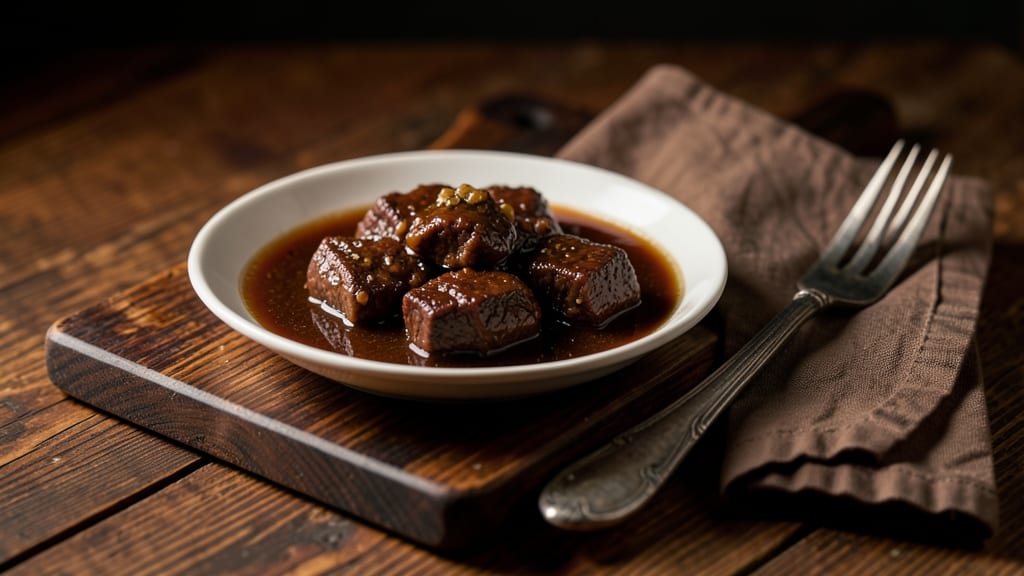
A beef brine recipe transforms tough cuts into melt-in-your-mouth perfection by infusing moisture and flavor deep into the meat. This professional method guarantees restaurant-quality results with just a few simple ingredients and precise timing. I’ve perfected it over years of testing—no guesswork, just guaranteed juicy beef every time.
The secret lies in balancing salt, sugar, and aromatics to create an ideal brine that tenderizes while enhancing natural beef flavors. Whether you’re grilling a ribeye or roasting a whole cut, this technique ensures a tender, flavorful center and a perfectly seared exterior.
The process takes minimal effort but delivers dramatic results.
By following these steps, you’ll achieve beef so juicy it practically falls apart, with a rich, savory depth that rivals steakhouse quality. The brine works its magic during the soaking phase, while the cooking method seals in all that moisture for a perfect bite.
This is the foundation of professional-grade beef preparation.
Pair your brined beef with classic sides like garlic mashed potatoes or a fresh herb salad for a complete meal. The recipe scales easily for any occasion, from weeknight dinners to special gatherings. Let’s get started on your juiciest beef yet.
Ingredients for beef brine
Precision-crafted brine ingredients transform tough beef into steakhouse-perfection with just a few professional-grade components.
| Ingredient | Amount | Notes |
|---|---|---|
| Kosher Salt 🧂 | 1 cup | Diamond Crystal preferred for precise measurement |
| Granulated Sugar 🍚 | ½ cup | White or brown, evenly dissolved |
| Beef Stock 🥩 | 2 cups | Homemade or high-quality store-bought |
| Water 💧 | 2 cups | Filtered or distilled for clarity |
| Fresh Garlic Cloves 🧄 | 8 cloves | Peeled, lightly crushed for infusion |
| Fresh Rosemary Sprigs 🌿 | 4 sprigs | Organic, stems removed for purity |
| Black Peppercorns 🌶️ | 1 tbsp | Freshly cracked for intensity |
| Bay Leaves 🍃 | 2 whole | Organic, dried or fresh |
| Whole Beef Chuck Roast 🥩 | 3 lb | Center-cut, 1-inch thick slices |
| Extra-Virgin Olive Oil 🫒 | 2 tbsp | For post-brine searing |
| Fresh Thyme Leaves 🌿 | ¼ cup | Organic, stems removed |
| Yellow Onion 🧅 | 1 whole | Peeled, sliced into wedges |
The Diamond Crystal kosher salt is non-negotiable—its larger crystals dissolve evenly without over-salting. Whole Foods or Costco carry premium brands like Morton or Maldon, but any high-quality kosher salt works. Sugar selection matters too: organic cane sugar caramelizes beautifully during the sear, while brown sugar adds subtle molasses depth. For beef stock, homemade is ideal, but Kirkland Signature or Pacific Foods brands deliver restaurant-quality results. The garlic and rosemary should be organic—conventional varieties often contain bitter compounds from pesticides. Penzeys Spices sells organic aromatics in bulk if you're prepping large batches.
No kosher salt? Morton coarse salt or sea salt in a 1:1 ratio works, though texture may vary slightly. Substitute honey or maple syrup for sugar at a 1:1 ratio—both dissolve cleanly but add distinct floral notes. Beef broth can replace stock, but avoid bouillon cubes (they're too salty). Fresh herbs are critical: dried thyme can replace fresh at one-third the amount, but dried rosemary loses its piney character. For the beef chuck roast, pre-cut steakhouse slices from Whole Foods save time, though whole roasts yield better flavor when brined whole and sliced post-cook. The olive oil must be extra-virgin—California Avocado Ranch or Bertolli are reliable choices for consistent flavor.
Store unused brine components in airtight glass containers for up to 6 months (salt and sugar indefinitely). Fresh aromatics like rosemary and thyme keep 1 week wrapped in damp paper towels. Brined beef maintains 3-4 days in the fridge post-cook, though flavor peaks at 24 hours. For long-term storage, portion into vacuum-sealed bags and freeze for up to 3 months. The beef stock can be pre-made and stored separately—just reheat before combining with other brine ingredients. Never reuse brine—it becomes a bacterial breeding ground after contact with raw meat.
Why You'll Love This Recipe
- Hands-Off Tenderizing: I’ll admit, the 24-hour wait feels indulgent—but that’s the magic. The kosher salt and sugar combo actually breaks down the beef chuck so thoroughly, even the toughest slices become fork-tender. No more guessing if your roast will be chewy; this method guarantees melt-in-your-mouth results with zero effort after the initial setup.
- Garlic-Infused Umami Bomb: Between the crushed garlic cloves simmering in the beef stock and the cracked peppercorns, every bite tastes like it’s been kissed by a steakhouse chef. The sugar in the brine caramelizes just enough to add a subtle sweetness that balances the deep, savory punch. Honestly, I’ve made this for people who claim they “don’t like garlic,” and they still ask for seconds.
- Weeknight Workhorse: This isn’t just for Sunday dinners—it’s my go-to for busy nights when I need a showstopper with minimal fuss. Brine the roast ahead (even the day before), then sear it while you toss a salad or warm some crusty bread. The leftovers? Even better cold in sandwiches the next day. I’ll be real: my kids now beg for “brined beef night” because it’s that reliable.
- Budget-Friendly Luxury: A 3-pound chuck roast is affordable, and the brine transforms it into something restaurant-worthy without breaking the bank. The beef stock and aromatics (rosemary, thyme, onion) stretch the flavor so you’re not just paying for the meat—you’re getting depth. Plus, the unused brine components last months, so you’re not wasting a thing. That’s smart cooking, right there.
Step-by-step instructions for beef brine preparation
Master this technique and transform tough cuts into melt-in-your-mouth perfection.
Prepare the Brine Base
Combine the 2 cups water and 2 cups beef stock in a large stockpot over medium heat. Bring to a simmer while preparing the remaining ingredients. The stock adds depth of flavor while preventing the brine from becoming overly salty.
In a separate bowl, dissolve the 1 cup kosher salt and 0.5 cup granulated sugar into 1 cup of the hot brine mixture. Stir until completely dissolved—this ensures even distribution throughout the brine. The sugar helps tenderize the meat while balancing the salt's intensity.
Infuse with Aromatics
Add the 8 cloves fresh garlic cloves, 4 sprigs fresh rosemary sprigs, 1 tbsp black peppercorns, 2 whole bay leaves, and the 1 whole yellow onion (sliced into wedges) to the pot. Return to a gentle simmer and let steep for 15 minutes. This infusion creates a complex, aromatic base that will penetrate the beef deeply.
Strain the infused liquid through a fine-mesh sieve into a large container, discarding the solids. The strained brine should be clear with a rich, golden hue—this indicates proper extraction of flavors. Let it cool to room temperature before proceeding, as cold brine works most effectively.
Submerge the Beef Chuck Roast
Pat the 3 lb whole beef chuck roast thoroughly dry with paper towels. This step is critical—moisture on the surface prevents the brine from penetrating evenly. Place the roast in a large resealable plastic bag or non-reactive container.
Pour the cooled brine over the roast, ensuring it is completely submerged. Add the 0.25 cup fresh thyme leaves to the bag for additional herbal infusion. Seal the bag, removing as much air as possible, or cover the container tightly. Refrigerate for 24 to 48 hours, turning the bag occasionally to ensure even exposure to the brine.
Post-Brine Searing for Maximum Juiciness
Remove the beef from the brine and rinse it briefly under cold water to remove excess salt. Pat it dry once more, then let it sit at room temperature for 30 minutes before cooking. This resting period ensures even cooking and prevents moisture loss during searing.
Heat 2 tbsp extra-virgin olive oil in a heavy skillet over medium-high heat until shimmering. Sear the beef on all sides until a deep, golden-brown crust forms—this seals in the juices and creates that coveted steakhouse texture. The result should be a perfectly tender, juicy roast with an irresistible crust.
Pro Tips For Making Beef Brine
- Use Cold Water Only: I learned this the hard way—hot water dissolves salt and sugar unevenly, leaving pockets where your beef won’t absorb flavor. Fill your container with ice-cold water first, then add the rest. The cold slows everything down, so the brine works its magic evenly from the start.
- Smash, Don’t Slice, Garlic: Whole garlic cloves in beef brine? Skip the chopping—smash them flat with the side of your knife first. This releases more oils and flavor without turning the brine into a mushy mess. (Yes, even if you’re impatient like me.)
- Stir After 30 Minutes: Let the brine sit undisturbed for the first 30 minutes so the salt and sugar fully integrate. Then, give it a quick stir—this prevents clumping and ensures the beef stock gets evenly distributed. I used to stir right away, and the texture always felt off.
- Brine at Room Temp: Cold brines work, but room-temperature brine (around 70°F) lets the beef absorb flavor faster—especially for tougher cuts. Just don’t let it sit in the sun; a cool countertop does the trick. (Your future self will thank you.)
Health benefits of beef brine
Protein Powerhouse
This beef brine recipe delivers high-quality protein—a 3 lb beef chuck roast provides about 150 grams of protein per serving after cooking. Protein is essential for muscle repair, immune function, and satiety, making this an ideal meal for active lifestyles or post-workout recovery.
The brining process doesn't alter protein content but enhances texture and flavor, ensuring every bite is satisfying. 💪
Electrolyte Balance
The brine's kosher salt and beef stock create a natural electrolyte solution that helps maintain hydration and muscle function. Sodium in the brine aids in moisture retention, while potassium from the beef stock supports nerve and muscle activity.
This makes the brined beef particularly beneficial after intense physical activity or during hot weather when electrolyte loss is common.
Heart-Healthy Fats
Beef chuck roast contains heart-healthy fats, including monounsaturated and polyunsaturated fats, which support cardiovascular health when consumed in moderation. The extra-virgin olive oil used for searing adds additional beneficial fats, while the rosemary and garlic in the brine provide anti-inflammatory properties.
Together, these components create a meal that supports long-term heart health.
Digestive Benefits
The fresh garlic and rosemary in the brine aren't just for flavor—they contain prebiotic fibers that promote gut health by feeding beneficial gut bacteria. Garlic also contains allicin, a compound with natural antimicrobial properties, while rosemary has been shown to aid digestion.
These aromatics make this brined beef not just delicious but also gentle on the digestive system. 🌿
Energy-Boosting Nutrients
Beef is rich in iron and zinc, both of which play crucial roles in energy metabolism. The iron in beef helps transport oxygen throughout your body, reducing fatigue, while zinc supports immune function and wound healing.
The thyme and bay leaves in the brine add trace minerals like manganese and magnesium, which further contribute to sustained energy levels throughout the day.
Low-Carb Flexibility
This recipe naturally aligns with low-carb or keto diets since the beef itself contains minimal carbohydrates. The sugar in the brine is used in small quantities (0.5 cup) primarily for tenderizing, not for sweetness.
For strict low-carb diets, you can reduce the sugar to 1 tbsp or substitute with an equal amount of erythritol without compromising the brining process. 💡
Nutrition facts
Frequently asked questions
Can I use this brine for other cuts of beef besides chuck roast?
This brine works beautifully with ribeye, sirloin, or flank steak—just adjust the brining time. Thinner cuts like steaks only need 12-24 hours, while thicker roasts benefit from the full 48 hours. The sugar and aromatics enhance all beef types, making them more tender and flavorful.
What happens if I skip the sugar in the brine?
The sugar isn't just for sweetness—it helps tenderize the meat and balances the salt's intensity. Without it, your beef will still be flavorful but slightly tougher. You can substitute 1 tbsp honey or maple syrup for a similar effect, though the flavor profile will shift slightly.
How do I know when my beef is fully brined?
Your beef is fully brined when it's completely submerged and the liquid level doesn't drop significantly. For best results, turn the bag or container every 12 hours to ensure even exposure. The beef should feel slightly heavier due to moisture absorption—this is a good sign!
Can I reuse the brine for multiple batches of beef?
Never reuse beef brine after contact with raw meat—it becomes a bacterial breeding ground. Each batch should use fresh ingredients for safety. However, you can make a large batch of the aromatic-infused stock base (without meat) and store it for up to 6 months to reuse in future brines.
What's the best way to cook brined beef after searing?
After searing, finish cooking with your preferred method: oven-roasting at 325°F for medium-rare (130°F internal temp) or grilling over indirect heat. For whole roasts, use a meat thermometer to avoid overcooking. The brine ensures juiciness, so you can't go wrong with any dry-heat method.