
Soups & Stews
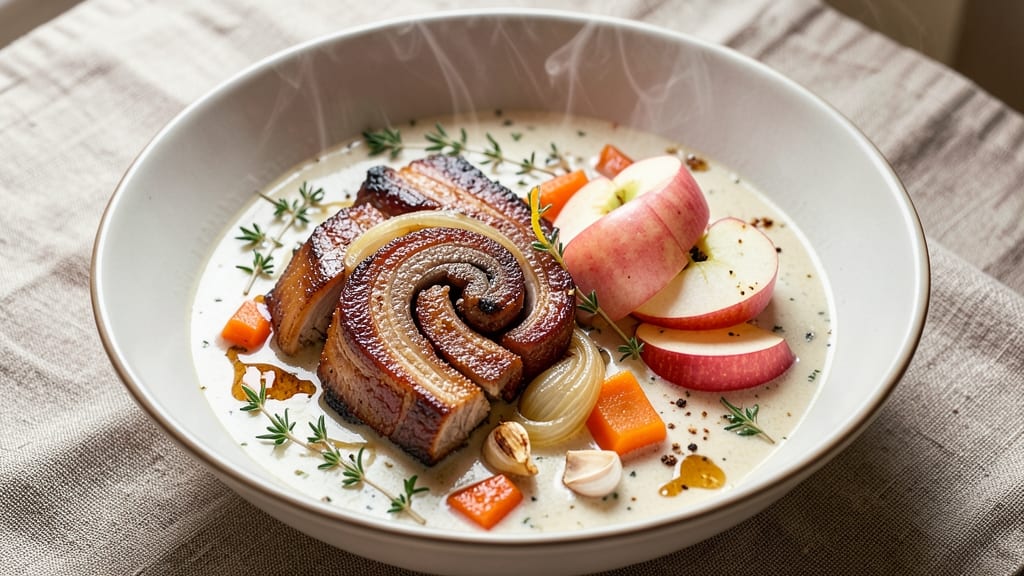
This apple carrot beef rib soup recipe transforms a simple pot of broth into a deeply comforting meal that melts in your mouth. The slow simmering of beef ribs unlocks their rich, savory depth while tenderizing them to fork-tender perfection.
Apples and carrots add natural sweetness and earthy balance, creating a harmony of flavors that feels like a warm hug on a chilly day.
The secret to this soup lies in the two-stage cooking process: first parboiling the ribs to remove impurities, then simmering them low and slow with aromatic vegetables and herbs. This method ensures the meat falls apart effortlessly while infusing the broth with layers of flavor.
The apples caramelize slightly, adding a subtle sweetness that complements the hearty beef and carrots.
By the time you serve this soup, you’ll have a velvety, deeply flavorful dish that’s rich enough to satisfy yet light enough to enjoy any time of day. The broth will be fragrant with thyme and bay leaves, the carrots tender-crisp, and the beef ribs so tender they practically dissolve.
It’s the kind of meal that makes you slow down and savor every spoonful.
Whether you’re using a traditional stockpot or a modern pressure cooker, this recipe delivers restaurant-quality comfort with minimal effort. The best part? Leftovers taste even better the next day as the flavors continue to meld. Let’s get cooking!
Ingredients for apple carrot beef rib soup
Sixteen ingredients for a soup that tastes like a warm embrace on a cold day.
| Ingredient | Amount | Notes |
|---|---|---|
| Beef Ribs 🥩 | 3 lb | Bone-in, meaty ribs preferred |
| Yellow Onions 🧅 | 2 whole | Chopped into 1-inch pieces |
| Carrots 🥕 | 4 medium | Whole, scrubbed, cut into chunks |
| Apples 🍎 | 2 medium | Honeycrisp or Fuji, peeled, cored |
| Garlic Cloves 🧄 | 6 cloves | Minced for aromatic depth |
| Fresh Thyme 🌿 | 2 tbsp | Leaves only, stems removed |
| Bay Leaves 🍃 | 2 whole | For subtle herbal notes |
| Beef Broth 💧 | 6 cups | Low-sodium preferred |
| Red Wine 🍷 | 1 cup | Bold, dry red like Cabernet |
| Tomato Paste 🍅 | 2 tbsp | Smooth, no sugar added |
| Olive Oil 🫒 | ½ cup | Extra-virgin for richness |
| Salt 🧂 | 1 ½ tsp | Kosher or sea salt |
| Black Pepper 🌶️ | ½ tsp | Freshly ground |
| Fresh Parsley 🌿 | ¼ cup | Chopped for garnish |
The ribs are the heart of this soup. Look for meaty, bone-in beef ribs—they're cheaper than short ribs but just as flavorful. Costco or your local butcher often have great deals on bulk packs. If you can't find beef ribs, pork ribs work too, but the flavor will be slightly different. The apples make all the difference—Honeycrisp or Fuji stay firm during cooking and add that perfect sweetness. Don't peel them if you're in a hurry, but peeling gives a cleaner texture. For the broth, low-sodium is key—you'll be adding plenty of salt later.
No red wine? Dry white wine or extra beef broth works in a pinch, though the color will be lighter. Fresh thyme is ideal, but dried thyme at half the amount gets you close. The tomato paste can be skipped if you're avoiding it, but it adds that deep, umami richness. Trader Joe's has great tomato paste in those little squeeze tubes—no waste, lasts forever. For the carrots, baby carrots are fine, but whole carrots with skins on add more texture. The apples should be firm but not rock-hard—slightly soft spots are okay, just avoid anything mushy.
This soup tastes even better the next day, so make a double batch if you can. Store in airtight containers in the fridge for 4-5 days or freeze for 3 months. The ribs will keep their tenderness remarkably well. For serving, I like to add a dollop of sour cream or crème fraîche on top—it cuts through the richness perfectly. If you're prepping ahead, parboil the ribs first and store them separately until you're ready to simmer the soup. Trust me on this one—it's worth the extra step.
Why You'll Love This Recipe
- Foolproof Simplicity: I swear by this one—I can have it simmering while I chop veggies for dinner. Just sear the ribs, toss in onions and garlic, then let the apples and carrots melt into sweetness as they cook. No fancy techniques, just hands-off magic.
- Sweet-Savory Magic: That first bite? The beef’s rich depth meets the natural caramelized sweetness of the apples and carrots, all balanced by garlic’s sharp kick. Honestly, the onions caramelize right in the pot—no extra work, just flavor explosion.
- Leftovers That Beg: This soup begs to be reheated. The flavors deepen overnight, and I’ve sent it to work lunches in jars—cold or warm, it’s always a hit. My kids even ask for seconds, and they’re picky.
- Budget Booster: Beef ribs on sale? This is your move. A single pound stretches for four servings, and the apples/carrots bulk it up without breaking the bank. Plus, the ingredients last—no wasted food here.
Step-by-step instructions for apple carrot beef rib soup
Let's create a rich, hearty soup where tender ribs melt into a velvety broth infused with sweet apples and earthy carrots.
Sear the Beef Ribs for Deep Flavor
Heat the 0.5 cup olive oil in a large Dutch oven over medium-high heat. Pat the 3 lb beef ribs completely dry with paper towels—this ensures a proper sear. Working in batches to avoid overcrowding, add the ribs and sear for 4-5 minutes per side until they develop a deep golden-brown crust.
Don't rush this step. The sear creates the Maillard reaction, which builds complex flavors that will infuse the entire soup. If the oil starts smoking excessively, reduce the heat slightly. Once all ribs are browned, remove them and set aside on a plate.
Build the Aromatic Base
In the same Dutch oven, add the 2 whole yellow onions (chopped) and 4 medium carrots (cut into chunks). Cook for 5-6 minutes, stirring occasionally, until the onions soften and begin to caramelize. Add the 6 cloves garlic cloves (minced) and the 2 tbsp fresh thyme leaves, cooking for another 30 seconds until fragrant.
Here's where the magic happens: Stir in the 2 tbsp tomato paste and cook for 1 minute to deepen the flavor. Pour in the 1 cup red wine, scraping up any browned bits from the bottom of the pot. Let it simmer for 2 minutes until the alcohol smell dissipates.
Simmer the Soup with Vegetables and Herbs
Return the seared ribs to the pot. Add the 6 cups beef broth, 2 whole bay leaves, 1.5 tsp salt, and 0.5 tsp black pepper. Bring to a gentle boil, then reduce heat to low and cover partially. Simmer for 1 hour 30 minutes, stirring occasionally, until the ribs are fork-tender and easily pull away from the bone.
After 1 hour, add the 2 medium apples (peeled, cored, and cut into chunks). The apples will soften during the final 30 minutes of cooking, releasing their natural sweetness into the broth. If the soup reduces too much, add ½ cup water to maintain consistency.
Finish with Fresh Parsley and Garnish
Once the ribs are tender, carefully remove them from the broth and let them cool slightly. Use two forks to shred the meat, discarding any large bones. Return the shredded meat to the pot. Discard the bay leaves and stir in the 0.25 cup chopped fresh parsley. Taste and adjust seasoning if needed.
Ladle the soup into bowls, garnishing each serving with a few shreds of rib meat and a sprinkle of parsley. The broth should be rich and velvety, with the sweetness of apples and carrots perfectly balanced by the savory ribs. Serve immediately with crusty bread to soak up every last drop of this comforting masterpiece.
Pro Tips For Making Apple Carrot Beef Rib Soup
- SEAR THE RIBS FIRST: Don’t skip browning those ribs—high heat for 3-4 minutes per side until deep caramel forms. I used to rush this, and the soup always tasted flat; the Maillard reaction builds flavor that simmering alone can’t replicate. (Yes, even if you’re impatient like me.)
- PEEL AND SLICE APPLES THIN: Cut those apples into ¼-inch slices, skin on, and toss them in lemon juice right after slicing. Thick chunks turn mushy in soup, and the acid keeps them bright. I learned this the hard way when my first batch dissolved into a sad, watery apple paste.
- ADD CARROTS LATE: Toss the carrots in only after the ribs have simmered 1.5 hours—they’ll soften perfectly without turning to mush. I used to add them at the start, and they’d either stay rock-hard or turn to glue. Timing matters more than you’d think.
- USE AROMA BOOSTERS: Sauté the onions and garlic until the onions are deep golden (about 8 minutes), then add a splash of apple cider vinegar to deglaze. This pulls flavor off the pot and cuts through the richness of the beef. Sounds weird, but it works—trust me.
Wine and beer pairings for apple carrot beef rib soup
Red Wine Pairings
A bold, dry red wine like Cabernet Sauvignon or Syrah complements this soup beautifully, mirroring the deep, savory notes of the beef ribs. The tannins in these wines cut through the richness while enhancing the sweetness of the apples.
I love a Napa Valley Cabernet—its dark fruit flavors and earthy undertones create a perfect match. 🍷
Medium-Bodied Reds
If you prefer something lighter, Pinot Noir or Merlot work wonderfully. Their softer tannins and red fruit notes harmonize with the carrots and apples without overpowering the broth. A Willamette Valley Pinot is my go-to for a more delicate pairing that still stands up to the hearty ribs.
White Wine Alternatives
Don’t have red wine? A full-bodied white wine like Chardonnay (oaked) or Viognier adds a surprising twist. The slight oakiness in Chardonnay balances the soup’s sweetness, while Viognier’s floral notes complement the thyme and apples. Look for a California Chardonnay with noticeable vanilla undertones.
Beer Pairings
A dark lager or amber ale pairs exceptionally well with this soup. The malty sweetness of a Dunkelweizen or amber ale echoes the caramelized apples and carrots, while the hop bitterness cleanses the palate between spoonfuls. For a lighter option, a pilsner works too—its crispness contrasts the soup’s richness.
Non-Alcoholic Options
Skip the alcohol? A sparkling apple cider or ginger beer adds a refreshing contrast. The effervescence cuts through the soup’s richness, while the apple notes tie back to the dish’s star ingredient. For a savory twist, try a sparkling water with a squeeze of lemon—it’s simple but effective. 💧
Nutrition facts
Frequently asked questions
Why do the ribs need to be parboiled before searing?
Parboiling the ribs for 10 minutes first removes impurities and blood, which can make the broth cloudy or bitter. This step also helps tenderize the meat, ensuring it becomes fork-tender during the long simmer. Skipping it can leave your soup with an off-flavor or tough meat.
Can I use pork ribs instead of beef ribs?
Yes, pork ribs work beautifully! They cook faster (about 1 hour instead of 1.5 hours) and have a slightly sweeter flavor that pairs wonderfully with the apples. Just reduce the simmering time by 30 minutes and adjust seasoning to taste—pork ribs are naturally more flavorful.
How do I fix soup that's too thin or too thick?
For a thicker soup, simmer uncovered for 10-15 minutes to reduce the liquid. If it's too thick, stir in ½ cup water or broth at a time until it reaches your desired consistency. Pro tip: The apples release more liquid as they cook, so add them 30 minutes before serving if you want a thicker finish.
Can I make this soup in an Instant Pot?
Sear the ribs in a skillet first, then transfer to the Instant Pot with all ingredients (except apples). Cook on high pressure for 45 minutes, then add apples and natural release for 10 minutes. The pressure cooker cuts time by half while keeping all the rich flavors. Just check for doneness—ribs should shred easily.
What's the best way to store leftovers?
Store in an airtight container in the fridge for 4-5 days or freeze for 3 months. The flavors actually improve overnight as the ingredients meld. When reheating, warm gently on the stove with a splash of water or broth to restore creaminess. Never microwave directly from frozen—thaw first.