
Soups & Stews
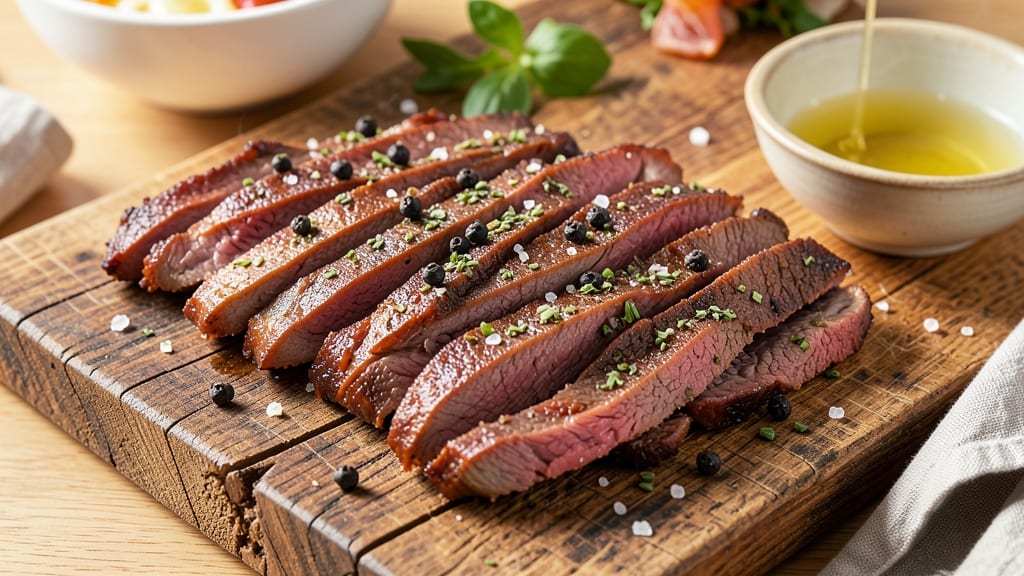
This beef biltong recipe transforms tough cuts into chewy, flavor-packed protein that rivals any South African specialty shop. 🌟 The secret lies in a precise blend of curing salt, vinegar, and bold spices that penetrate the meat over time, creating a tangy, savory profile with every bite.
Unlike traditional jerky, biltong uses no smoke—just air drying to preserve natural flavors while developing an irresistible texture.
What sets this method apart is the two-step process: first marinating the beef for 24 hours in a flavorful brine, then air-drying it for 3-5 days until perfectly tender. The curing salt ensures safety while enhancing the meat's natural taste, while vinegar adds that signature tang that defines authentic biltong.
You'll need just five core ingredients—plus optional spices like coriander or mustard powder—to achieve professional results at home.
By the time you're done, you'll have a batch of rich, meaty strips that stay fresh for weeks in the fridge. The texture is unmatched—chewy yet tender, with a satisfying snap that makes every bite worth the wait.
These aren't just snacks; they're a versatile protein that elevates charcuterie boards, sandwiches, or even salads with their bold, concentrated flavor.
Whether you use a dehydrator for speed or traditional air-drying for authenticity, this method delivers restaurant-quality biltong with minimal effort. The key is patience—letting the meat cure and dry properly transforms ordinary beef into something extraordinary. Let's get started on your first batch today.
Ingredients for beef biltong
Five core ingredients plus spices transform tough beef into restaurant-quality biltong with authentic South African tang.
| Ingredient | Amount | Notes |
|---|---|---|
| Beef Top Round Roast 🥩 | 2 lb | Tough cut, grain removed |
| Insta-Cure Number One 🧂 | 1 tbsp | Prague Powder #1 substitute |
| White Vinegar 💧 | ½ cup | Distilled preferred for tang |
| Black Peppercorns 🌶️ | 2 tbsp | Freshly cracked for depth |
| Coarse Sea Salt 🧂 | 1 tbsp | Diamond Crystal preferred |
| Ground Coriander 🌿 | 1 tbsp | Toasted for aromatic depth |
| Mustard Powder 🌶️ | 1 tsp | For subtle tang |
| Cayenne Pepper 🔥 | ½ tsp | Adjust for heat preference |
| Brown Sugar 🍚 | 1 tbsp | Light variety preferred |
| Extra-Virgin Olive Oil 🫒 | 1 tbsp | For moisture retention |
| Fresh Garlic Cloves 🧄 | 4 cloves | Minced for marinade |
The beef top round roast is non-negotiable for authentic biltong—its lean composition ensures the proper chewy texture without excessive fat. Costco or local butcher shops typically carry this cut pre-vacuum sealed, which preserves freshness longer. If you must substitute, silverside roast works similarly, though it's slightly more tender. For best results, trim any visible fat or silver skin before slicing against the grain into ¼-inch thick strips. The curing salt (Insta-Cure #1) is critical for both safety and flavor development—never skip this step even if you're using a dehydrator. Penzeys or bulk spice shops carry it reliably if your grocery store doesn't stock it.
White vinegar adds that signature tang, but distilled vinegar is preferred to avoid any off-flavors. Apple cider vinegar works in a pinch but may introduce subtle fruit notes. The peppercorns should be freshly cracked—pre-ground loses potency quickly. For those avoiding cayenne, smoked paprika at half the amount provides warmth without heat. Ground coriander is essential for that authentic South African profile, though cilantro seeds can substitute if unavailable. The brown sugar isn't just for sweetness—it helps caramelize slightly during drying, adding depth. Trader Joe's carries excellent pre-ground spices if you're short on time, though freshly toasted coriander makes all the difference.
Once cured, biltong should be air-dried for 3-5 days at 65-70°F with good airflow—a dehydrator set to 160°F speeds this to 8-12 hours. Store properly dried biltong in vacuum-sealed bags or airtight containers where it'll keep for up to 3 weeks in the fridge or 6 months frozen. Portion into single-serving bags for easy snacking. The texture improves after the first week as flavors meld—patience is key. For long-term storage, freeze portions in parchment-lined containers to prevent freezer burn. Never refrigerate undried biltong, as moisture accelerates spoilage.
Why You'll Love This Recipe
- No-Fuss Curing: I swear by the Insta-Cure—just rub it on, no fancy mixing or measuring. The vinegar and salt do all the heavy lifting while I sip coffee, and the peppercorns? They’re the only thing I will crush by hand (because my mortar’s still in the garage).
- Umami Bomb: That Top Round Roast? Lean, cheap, and packed with flavor when cured right. The vinegar tenderizes it just enough, while the coarse salt and peppercorns create this addictive, tangy-savory bite that sticks with you—like a snack you didn’t know you needed until you’re reaching for it again.
- Snack Attack Ready: Between us, this is my go-to for road trips, lunchboxes, or when I’m too lazy to cook. It’s shelf-stable for weeks, so I keep a batch in the fridge for when my kids forget their lunches (again) or I’m craving something meaty without the fuss of a full meal.
- Budget Meat Magic: I buy Top Round on sale, cure a big hunk, and suddenly I’ve got gourmet-quality protein for pennies. No waste—every scrap gets used, and the leftovers? Perfect for tacos, sandwiches, or crumbled over salads when I’m fresh out of ideas.
Step-by-step instructions for South African-style beef biltong
Transform tough beef into chewy, flavor-packed biltong using this precise drying method.
👨🍳 Step 1: Prepare and Cure the Beef
Trim the 2 lb Beef Top Round Roast of any visible fat or silver skin, then slice it into ¼-inch thick strips against the grain. This thickness ensures proper drying while maintaining chewiness. Place the strips in a large bowl and add the 1 tbsp Insta-Cure Number One, 1 tbsp Coarse Sea Salt, 1 tbsp Ground Coriander, 1 tsp Mustard Powder, 0.5 tsp Cayenne Pepper, and 1 tbsp Brown Sugar. Mix thoroughly with your hands, pressing the spices into the meat.
In a separate small bowl, whisk together the 0.5 cup White Vinegar, 1 tbsp Extra-Virgin Olive Oil, and 4 cloves Fresh Garlic Cloves (minced). Pour this marinade over the beef and toss until evenly coated. Cover and refrigerate for 24 hours, turning the meat occasionally. This curing period ensures proper flavor penetration and food safety.
🍳 Step 2: Rinse and Pat Dry
After curing, remove the beef from the refrigerator and rinse it under cold water to remove excess marinade. This step prevents a overly tangy flavor in the final product. Drain well, then pat the strips completely dry with paper towels. Moisture is the enemy of proper drying—any remaining liquid will create a breeding ground for bacteria and prevent even curing.
Arrange the beef strips on a clean kitchen towel in a single layer and let them air-dry at room temperature for 1 hour. This additional drying step helps create that signature chewy texture. The strips should feel cool and slightly tacky to the touch when ready for the next step.
⏰ Step 3: Cold Smoke and Initial Drying
Preheat your smoker to 100°F using a mild wood like apple or cherry. This low temperature is crucial for proper drying without cooking the meat. Place the beef strips on the smoker racks, ensuring they don't overlap. Smoke for 2 hours, maintaining the 100°F temperature. The cold smoke enhances flavor without adding heat that would prematurely cook the meat.
During this time, the beef will begin to lose moisture and develop a slightly tacky surface. You'll notice the strips darken slightly and develop a subtle smoky aroma. After 2 hours, remove the beef from the smoker and let it cool completely to room temperature. This cooling period helps prevent condensation from forming during the final drying stage.
🔥 Step 4: Final Air-Drying Process
Transfer the cooled beef strips to a food dehydrator or place them on a wire rack in a well-ventilated area. Set the dehydrator to 145°F (or maintain this temperature with fans if air-drying naturally). Dry for 6-8 hours, checking periodically. The biltong is ready when it's firm to the touch but still slightly pliable—it should snap when bent but not crumble.
For the perfect texture, the strips should feel dry on the outside while remaining slightly moist in the center when you cut into one. This balance creates that signature chewy bite. If using a dehydrator, rotate the trays halfway through for even drying. If air-drying, ensure good airflow and avoid direct sunlight which can cause uneven drying.
🥘 Step 5: Rest and Store
Once fully dried, let the biltong rest at room temperature for 1 hour before slicing. This resting period allows the flavors to meld and the texture to set properly. Store in an airtight container in the refrigerator for up to 2 weeks or in the freezer for up to 6 months. The flavors will continue to develop over time, becoming more complex with proper storage.
To serve, slice the biltong into ¼-inch thick strips against the grain for maximum tenderness. Enjoy as a protein-rich snack, on charcuterie boards, or as a flavorful addition to salads. The perfect biltong should have a firm yet chewy texture, with a balance of smoky, tangy, and slightly sweet flavors that linger with each bite.
Pro Tips For Making Beef Biltong
- Trim the Fat First: Slice off any visible fat or silver skin before cutting the beef into strips—it’s the only way to get that clean, chewy texture. I learned this the hard way when my first batch turned out greasy and uneven.
- Cure for 12 Hours Only: Don’t skimp or overdo it—12 hours in the cure mix at fridge temp is perfect. Any longer, and the meat gets mushy; too short, and it won’t dry properly. Set a timer if you’re distracted.
- Hang It Low and Slow: Use a fan on low heat (or just airflow) and keep the strips 2-3 inches apart. Crowding them makes them sweat, and you’ll end up with soggy biltong instead of the firm, dry strips you want.
- Vinegar Spray Mid-Dry: After 24 hours, give the strips a light mist with white vinegar—it speeds up drying without overpowering the flavor. I was skeptical, but it cuts the drying time by half without ruining the taste.
Perfect pairings for these flavors
Beverage Pairings
Biltong’s bold, tangy flavors pair beautifully with South African wines like Chenin Blanc—its crisp acidity cuts through the richness. For beer lovers, a Belgian witbier (like Stella Artois Wit) brings citrusy brightness that complements the meat’s smokiness.
Avoid heavy stouts or malty ales, which can overpower the delicate balance. 🍷
Cheese Board Combinations
Create a showstopping charcuterie board by pairing biltong with aged Gouda (for nutty depth) and fresh goat cheese (for creamy contrast). Add dried apricots and walnuts to balance the savory-sweet profile. The tangy vinegar notes in the biltong elevate the cheese’s flavors, while the fruit adds a refreshing finish.
Sandwich & Salad Additions
Use biltong as a protein boost in sandwiches—layer it with sharp cheddar and sliced apples on sourdough for a sweet-savory bite. Toss it into kale salads with pecans and balsamic vinaigrette for a protein-packed meal. The chewy texture holds up perfectly against crisp greens and creamy dressings.
Spicy & Sweet Contrasts
Balance the heat with cooling elements like mango chutney or pickled onions—their acidity tames the cayenne while adding brightness. For a dessert pairing, serve with dark chocolate (70% or higher) to highlight the biltong’s smoky depth. The bitterness of the chocolate mirrors the meat’s complexity. 🌶️
Global Fusion Ideas
Inspired by South African flavors, try biltong in tacos with avocado crema and lime for a tangy twist. Add it to ramen as a protein-rich garnish alongside soft-boiled eggs and scallions. The meat’s bold taste stands up to bold dishes while adding a unique texture.
Game Day Snacking
Serve biltong with beer cheese dip (melted cheddar + beer) and pretzel bites for a crowd-pleasing spread. The salty-sweet combo of biltong and beer cheese creates an irresistible contrast. For a lighter option, pair with hummus and crudités—the vinegar in the hummus enhances the biltong’s tang. ⚡
Nutrition facts
Frequently asked questions
Can I use a dehydrator instead of air-drying?
A dehydrator speeds up the process beautifully! Set it to 145°F and dry the beef strips for 6-8 hours, rotating trays halfway. This method ensures even drying without risking uneven texture from natural airflow variations. Just avoid direct sunlight if air-drying traditionally.
What's the best way to store homemade biltong?
For short-term storage, keep it in an airtight container in the fridge for 2 weeks. For longer shelf life, vacuum-seal portions and freeze for 6 months. The key is removing all moisture before storage—any dampness speeds up spoilage. Portion into single-serving bags for easy snacking!
Why does my biltong turn out too dry or tough?
Over-drying or slicing against the grain too thin creates toughness. Aim for ¼-inch thick strips and check for slight pliability (should snap when bent). If using a dehydrator, 145°F for 6-8 hours is ideal—any hotter risks cooking the meat. Air-drying should take 3-5 days at 65-70°F with good airflow.
Can I make biltong without curing salt?
Not safely! Curing salt (Insta-Cure #1) is essential for both flavor and food safety—it prevents harmful bacteria growth during the drying process. For a milder taste, reduce to ½ tsp per pound of meat, but never omit it entirely. If unavailable, Prague Powder #1 is a direct substitute.
How do I know when biltong is fully dried?
Test for doneness by bending a strip—it should snap cleanly but not crumble. The surface should feel dry to the touch while the center remains slightly moist (like leather). Weighing is another trick: biltong loses 50-60% of its original weight during drying. If unsure, let it dry an extra hour rather than risking spoilage.