
Soups & Stews
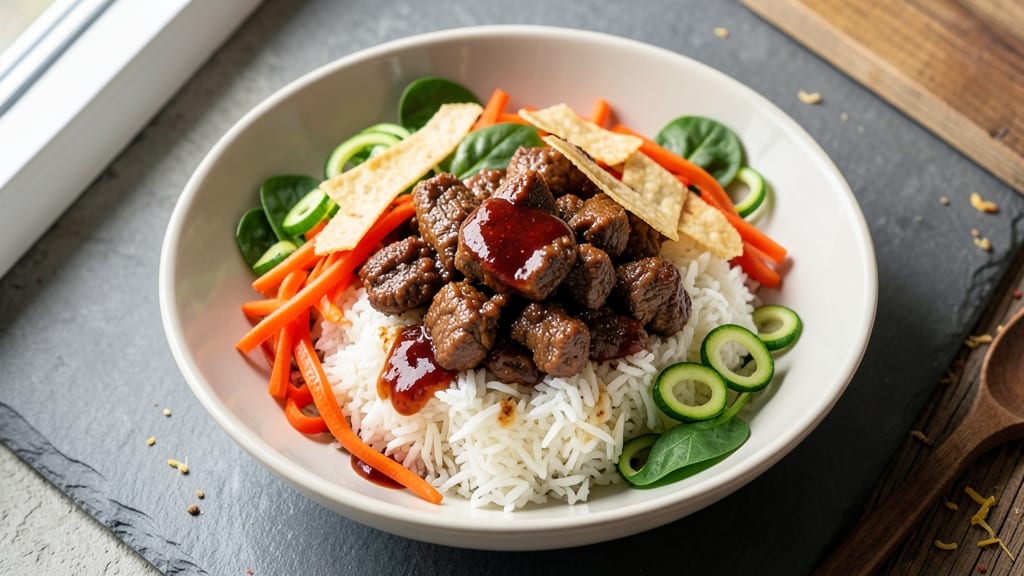
This beef bibimbap bowl recipe transforms Korean comfort food into a restaurant-worthy meal with crispy tortilla crowns that hold everything together. The secret lies in perfectly seasoned ground beef, vibrant stir-fried vegetables, and a savory gochujang sauce that ties every component into a cohesive, flavorful experience.
What makes this dish special is the balance of textures—tender beef, crisp vegetables, and that satisfying crunch from the tortilla crowns.
The foundation begins with savory rice cooked in a light broth, absorbing subtle flavors that complement the bold elements of the bowl.
Stir-fried vegetables like carrots, spinach, and zucchini add color and freshness, while the beef gets marinated in a blend of soy sauce, sesame oil, and garlic for maximum flavor. The gochujang sauce, made with fermented chili paste, adds a spicy kick that enhances every bite.
Assembling the bowl is where the magic happens—layering the rice, vegetables, and beef creates a visually stunning dish that's as beautiful as it is delicious. The crispy tortilla crowns, made from thinly sliced tortillas fried until golden, act as both a vessel and a textural contrast.
This recipe delivers a complete dining experience, perfect for weeknight dinners or weekend feasts.
Pair with a cold beer or sparkling water to cleanse the palate between bites, and enjoy a meal that brings the flavors of Korea to your table. The combination of techniques—stir-frying, marinating, and frying—ensures each element is cooked to perfection, resulting in a dish that's both comforting and exciting.
Ingredients for beef bibimbap bowl
Four servings of bold flavors, crispy textures, and vibrant colors—this Korean-inspired bowl brings restaurant magic to your kitchen.
| Ingredient | Amount | Notes |
|---|---|---|
| Ground Beef (80/20) 🥩 | 1 lb | Lean-to-fat ratio for juiciness |
| White Rice 🍚 | 2 cups | Uncooked, jasmine or short-grain |
| Carrots 🥕 | 2 medium | Julienned into thin strips |
| Zucchini 🍆 | 1 medium | Sliced into half-moons |
| Baby Spinach 🌱 | 4 cups | Fresh, loosely packed |
| Flour Tortillas 🍞 | 4 whole | Medium size, 8-inch |
| Gochujang Sauce 🌶️ | ¼ cup | Korean fermented chili paste |
| Soy Sauce 🥄 | ⅛ cup | Low-sodium preferred |
| Sesame Oil 🫒 | 1 tbsp | Toasted sesame flavor |
| Garlic Cloves 🧄 | 4 cloves | Minced for marinade |
| Vegetable Oil 🫒 | ½ cup | For frying tortillas |
| Sesame Seeds 🌿 | 1 tbsp | Toasted for garnish |
| Salt 🧂 | 1 tsp | Kosher or sea salt |
| Black Pepper 🌶️ | ½ tsp | Freshly ground |
| Sugar 🍯 | 1 tsp | For rice seasoning |
The beef is where it all starts. 80/20 ground beef gives you that perfect balance of lean and fat for juicy, flavorful bites. Costco or Kroger usually have it pre-ground, but if you're buying a whole chuck roast, ask for it to be ground fresh—it makes a difference. Look for bright red color and good marbling. The rice? Jasmine or short-grain absorbs the broth better than basmati. I always cook mine in a rice cooker with a splash of water and a pinch of salt for extra flavor, but stovetop works too. For the veggies, farmers market finds are ideal—carrots with vibrant orange color and firm zucchini that's heavy for its size. Baby spinach should be perky, not wilted.
No gochujang? Substitute with a mix of sriracha and soy sauce—about half the amount of gochujang called for. The tortillas can be any flour variety, but Mission or La Tortilla Factory brands fry up extra crispy. Short on sesame oil? Toasted sesame seeds plus neutral oil gives you that nutty flavor without the strong aroma. The garlic should be fresh—pre-minced from jars loses potency fast. For the rice seasoning, a tiny bit of sugar balances the savory flavors beautifully, but skip it if you're avoiding sugar entirely. The beef marinade is non-negotiable though—soy sauce, sesame oil, and garlic let the flavors meld while you prep everything else.
Rice keeps for 4 days in the fridge, but the beef and veggies are best made fresh. Tortillas can be fried ahead and reheated in a 200°F oven for 10 minutes to restore crispiness. Store gochujang in the fridge after opening—it lasts 1 year unopened. For meal prep, assemble the bowls without the tortilla crowns, then fry them fresh when serving. The crispy contrast is what makes this dish special, so don't skip that final step!
Why You'll Love This Recipe
- One-Pan Magic: I swear by this trick—sauté the beef, veggies, and rice all in the same pan after cooking. The residual heat steams everything together while you’re chopping the spinach, and honestly? That caramelized beef smell alone makes the whole kitchen smell like a Korean restaurant.
- Umami Bomb: That 80/20 ground beef is the MVP—juicy, fatty, and packed with flavor. Toss in a splash of soy sauce and sesame oil while it cooks, and suddenly you’ve got a savory depth that turns simple rice into a flavor party. The zucchini soaks it up like a sponge, but the spinach stays bright—perfect balance.
- Lunchbox Hero: Between us, this is my go-to for meal prep. Assemble the bowls fresh, but the rice and cooked beef stay good for days in the fridge. Toss in a fried egg when reheating, and suddenly you’ve got a full breakfast-for-dinner vibe. My kids grab these for school lunches, and they come back begging for seconds.
- Budget Win: Ground beef, carrots, and zucchini are cheap staples, but they feel fancy. I’ll be real: I stretch this recipe for four nights straight, and the leftovers never taste sad. The spinach wilts a little when reheated, but the beef stays tender—so I just add more fresh greens on top. No waste, all flavor.
Step-by-step instructions for beef bibimbap bowl
Here's how to build these vibrant, crispy-topped bowls with restaurant-level flavor.
Prepare the Savory Rice Base
Rinse the 2 cups white rice thoroughly under cold water until the water runs clear—this removes excess starch and prevents gummy rice. Drain well and transfer to a pot with 4 cups water, 1 teaspoon salt, and 1 teaspoon sugar. Bring to a boil over medium-high heat, then reduce to low heat, cover, and simmer for 15 minutes. Turn off heat and let it steam for another 10 minutes. Fluff with a fork and keep warm—this balanced seasoning will make your entire bowl shine.
While the rice cooks, julienne the 2 medium carrots into thin strips using a sharp knife or mandoline. Slice the 1 medium zucchini into half-moons. These precise cuts ensure even cooking and maximum texture contrast in your final dish. Set both aside—they'll cook quickly in the next step.
Cook the Beef and Vegetables
Heat 0.5 cup vegetable oil in a large skillet over medium-high heat until shimmering. Add the 1 lb ground beef (80/20) and cook, breaking it apart with a wooden spoon, until it loses its raw color—about 4-5 minutes. Drain most of the fat, leaving about 1 tablespoon, then add the minced 4 cloves garlic and cook for 30 seconds until fragrant.
Add the julienned carrots and zucchini slices to the skillet. Stir-fry for 3-4 minutes until the carrots turn bright orange and the zucchini softens slightly. Season with 0.125 cup soy sauce and 0.25 cup gochujang sauce, tossing to coat evenly. Remove from heat and stir in 1 tablespoon sesame oil—this adds depth of flavor that balances the spicy-sweet sauce.
Blanch the Spinach
In the same skillet (no need to clean it—the beefy flavor adds richness), add the 4 cups baby spinach and stir-fry over medium heat for 1-2 minutes until just wilted. The spinach should remain vibrant green with just a slight softening—overcooking turns it mushy. Season with 0.5 teaspoon black pepper and remove from heat. Keep warm with the other vegetables.
Here's the thing—blanching spinach this way preserves its color and texture while infusing it with the beefy, garlicky flavors from the pan. Don't skip this step; it's what makes the difference between homemade and restaurant-quality bibimbap.
Create Crispy Tortilla Crowns
Heat 0.25 cup vegetable oil (about 1/4 inch deep) in a clean skillet over medium heat until it reaches 350°F—test with a drop of water that sizzles immediately. Working in batches, fry each 8-inch flour tortilla for 30-45 seconds per side until golden brown and crisp. Drain on paper towels and keep warm in a 200°F oven to maintain crispness.
This is where the magic happens—the crispy tortilla crowns add texture contrast that makes the whole bowl exciting. Don't rush this step; crispy tortillas are what elevate this dish from ordinary to extraordinary. If they brown too quickly, reduce heat slightly to prevent burning.
Assemble the Bowls
Divide the seasoned rice evenly among 4 bowls. Arrange the beef-vegetable mixture and blanched spinach artfully on top of the rice—this is where presentation matters. Place one crispy tortilla crown in the center of each bowl, slightly overlapping the edges.
Drizzle each bowl with a few drops of sesame oil and sprinkle generously with 1 tablespoon sesame seeds. Serve immediately while everything is hot and crisp. The contrast of warm rice, tender vegetables, juicy beef, and crispy tortilla creates the perfect harmony of textures and temperatures in every bite.
Pro Tips For Making Beef Bibimbap Bowl
- COOK GROUND BEEF FAST: Use a hot, dry skillet and break the beef into tiny, even crumbles with a spoon before seasoning—this guarantees a perfect sear in under 4 minutes. I learned this the hard way after watching my first batch turn into a greasy mess from overcrowding.
- JULIENNE VEGETABLES UNIFORM: Carrots and zucchini should be cut into ¼-inch sticks, not random matchsticks—this ensures even cooking and a consistent bite. My grandmother swore by this, and she was right: uneven pieces mean some veggies stay crunchy while others turn mushy.
- SALT THE SPINACH RIGHT AWAY: Toss baby spinach with a pinch of salt and a drizzle of sesame oil immediately after wilted—this keeps it vibrant and prevents it from turning into a sad, limp pile. Sounds weird, but it works: the salt draws out moisture while the oil preserves color.
- REST THE RICE BEFORE ASSEMBLY: Spread the cooked rice on a tray to cool for 10 minutes before building bowls—this prevents soggy bottoms when you add the hot beef and veggies. I skip this when I'm lazy, but the dish is noticeably better when I don't.
Make-ahead tips for this beef bibimbap bowl
Prep Ahead Components
Start by making the savory rice base a day in advance—it tastes even better after resting. Cook the 2 cups white rice with 4 cups water, 1 tsp salt, and 1 tsp sugar, then refrigerate in an airtight container.
The flavors meld beautifully overnight, and reheating is simple: cover with a damp paper towel and microwave for 2 minutes on high. 💫
Prepare the beef marinade (soy sauce, sesame oil, and garlic) and store it in a sealed container in the fridge for up to 24 hours. This gives the flavors time to develop deeply, making your beef more aromatic and flavorful when cooked.
Just add the beef to the pan fresh—it cooks quickly and shouldn’t sit too long.
Vegetable Prep Shortcuts
Julienne the carrots and slice the zucchini ahead of time, storing them in separate airtight containers with a paper towel to absorb moisture. They’ll keep in the fridge for 3 days, but cook them within 24 hours for best texture.
For the spinach, wash and dry it thoroughly, then store in a sealed bag with a paper towel to prevent wilting. 🥕
If you’re short on time, buy pre-cut stir-fry vegetables from the grocery store—look for the fresh-cut section in the produce department. They’re usually washed and ready to cook, saving you valuable prep time while still delivering great texture.
Tortilla Crown Prep
Here’s a game-changer: fry the tortilla crowns ahead of time and store them in a 200°F oven for up to 2 hours to keep them crisp. Place them on a wire rack set over a baking sheet to prevent sogginess.
When ready to serve, just reheat them for 5-10 minutes in the oven to restore their crunch. 🍞
For an even easier approach, use pre-made crispy tortilla chips as a shortcut. Spread them on a baking sheet and bake at 375°F for 3-5 minutes to crisp up before assembling the bowls. This works especially well if you’re feeding a crowd and want to minimize last-minute frying.
Sauce and Garnish Prep
Mix the gochujang sauce (soy sauce, sesame oil, and gochujang) in a small bowl and store it in the fridge for up to 5 days. The flavors deepen over time, so making it ahead is a must.
Toast the sesame seeds in a dry skillet over medium heat for 1-2 minutes until fragrant, then let them cool. Store them in a sealed container to keep their freshness. 🌶️
Keep the sesame oil in its original bottle and store it in a cool, dark place. A little goes a long way—just a few drops per bowl add that nutty aroma and depth of flavor.
If you’re worried about the oil going rancid, transfer it to a smaller bottle to minimize air exposure.
Assembly Timeline
To streamline serving, assemble the bowls without the tortilla crowns up to 1 hour ahead. Store them in the fridge, then add the crispy crowns right before serving. This keeps everything warm and crispy while letting you focus on plating.
For a make-ahead meal, cook all components separately, store them in airtight containers, and assemble when ready to eat. 📅
If you’re serving a crowd, preheat the oven to 200°F and keep the tortilla crowns warm there. This ensures they stay crispy even if you’re assembling multiple bowls. The key is timing—keep the rice and vegetables warm while frying the tortillas fresh so they’re at their peak texture when served.
Nutrition facts
Frequently asked questions
Can I substitute ground beef with another protein?
For a leaner option, try ground turkey (93% lean) or chicken thighs—just reduce cooking time by 1-2 minutes since they cook faster. For extra richness, ground pork works beautifully but may require slightly longer cooking. If you prefer seafood, shrimp or scallops sauté in just 2-3 minutes with the vegetables.
How do I adjust the spice level in the gochujang sauce?
Start with 1 tablespoon less gochujang if you prefer mild heat, or add 1/2 teaspoon red pepper flakes for extra kick. For a sweeter balance, stir in 1 teaspoon honey or maple syrup. Remember, you can always add more sauce at the table—just keep a small bowl of extra gochujang mixture ready for customization!
What vegetables can I swap in if I don't have carrots or zucchini?
Use whatever colorful, firm vegetables you have on hand! Try bell peppers (red/yellow), snap peas, or mushrooms (shiitake or cremini) for texture. For leafy greens, kale or bok choy work well—just blanch them for 30 seconds less than spinach. The key is keeping the veggies vibrant and slightly crisp.
Why are my tortilla crowns soggy instead of crispy?
This usually happens from three common mistakes: overcrowding the pan (fry in batches), oil temperature too low (test with water—it should sizzle), or not draining properly. After frying, place tortillas on a wire rack (not paper towels) and keep them in a 200°F oven until serving. For extra crispiness, brush the warm tortillas with a tiny bit of melted butter before assembling.
Can I make this dish gluten-free?
Yes! Replace the flour tortillas with gluten-free corn tortillas or rice paper wraps for the crowns. For the rice, use gluten-free tamari instead of soy sauce, and check your gochujang label—some brands contain wheat. All other components are naturally gluten-free. The texture will be slightly different but still delicious!