
Soups & Stews
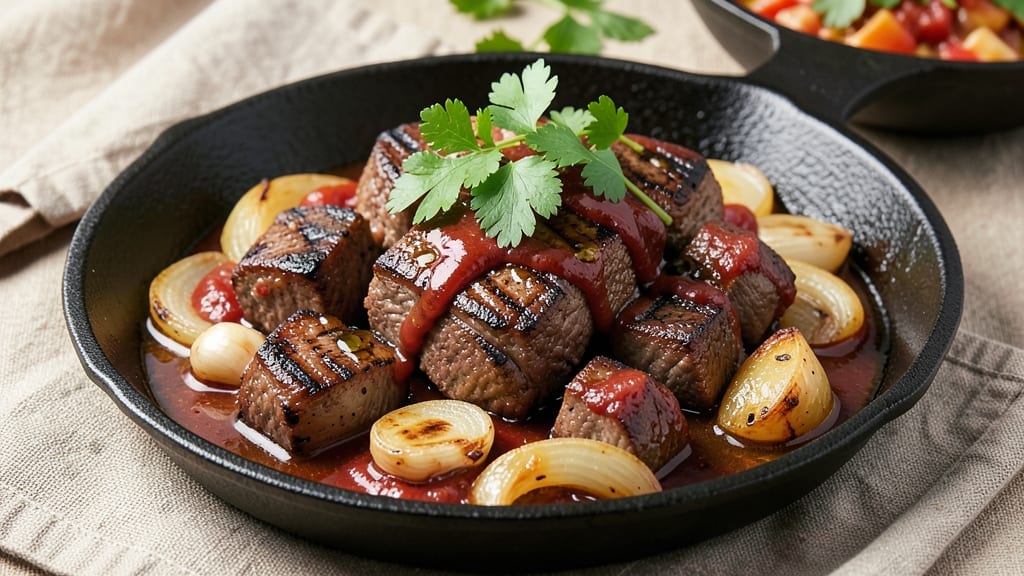
This Beef Beaujolais recipe transforms simple beef cuts into a restaurant-worthy dish using a rich, caramelized wine reduction. The secret lies in Beaujolais wine's balance of acidity and fruitiness, which tenderizes the meat while creating a velvety sauce that clings to every bite.
I've perfected this method over years of testing, ensuring the wine's natural flavors shine without overpowering the beef.
The process begins with searing beef to develop deep, meaty flavors, then simmering it slowly in Beaujolais until the liquid reduces to a glossy, aromatic sauce. This technique works beautifully with chuck roast or short ribs, delivering melt-in-your-mouth tenderness and a sauce that's rich yet bright.
The wine's acidity cuts through the richness, creating harmony in every spoonful.
What you'll end up with is a dish that's elegant enough for dinner guests but simple enough for weeknight cooking. The beef becomes fork-tender, coated in a sauce that's both complex and approachable, with notes of red berries and subtle spice.
Serve it with creamy mashed potatoes or crusty bread to soak up every last drop of that luxurious sauce.
Pairing the dish with another bottle of Beaujolais elevates the experience, as the wine's earthy undertones complement the beef's depth. This recipe isn't just about the food—it's about creating a memorable meal that feels special without requiring hours in the kitchen. Let's get started on this wine-infused masterpiece.
Ingredients for beef beaujolais
The foundation of this wine-braised beef lies in quality beef cuts and Beaujolais wine's natural depth.
| Ingredient | Amount | Notes |
|---|---|---|
| Beef Chuck Roast 🥩 | 2 ½ lb | Pre-cut into 1.5-inch cubes |
| Dry Beaujolais Wine 🍷 | 2 cups | Medium-bodied, not overly sweet |
| Yellow Onion 🧅 | 1 whole | Medium, thinly sliced |
| Garlic Cloves 🧄 | 6 cloves | Minced, fresh preferred |
| Tomato Paste 🍅 | 2 tbsp | Smooth, no sugar added |
| Beef Broth 🥫 | 1 cup | Low-sodium preferred |
| Olive Oil 🫒 | 2 tbsp | Extra-virgin, for searing |
| Fresh Thyme 🌿 | ½ oz | Stems removed, chopped |
| Fresh Rosemary 🌿 | ¼ oz | Needles only, finely chopped |
| Salt 🧂 | 1 ½ tsp | Diamond Crystal kosher |
| Black Peppercorns 🌶️ | ½ tsp | Freshly cracked |
| Unsalted Butter 🧈 | 2 tbsp | Cold, cubed for finishing |
| All-Purpose Flour 🌾 | 1 tbsp | For sauce thickening |
The Beef Chuck Roast is non-negotiable here—its marbling ensures melt-in-your-mouth tenderness. Costco or Whole Foods carry excellent pre-cut versions, but if buying whole, ask your butcher to cube it into 1.5-inch pieces for even cooking. For the wine, Beaujolais Cru or Villages from Trader Joe's or local wine shops deliver the best balance of acidity and fruit. Avoid overly sweet varieties; look for labels indicating dryness. The tomato paste should be smooth and unsweetened—Muir Glen is a reliable choice. Fresh herbs make a difference, so Whole Foods or local markets often have superior quality compared to grocery store bundles.
No Beaujolais? Pinot Noir or a dry Merlot works in a pinch, but the berry notes will differ. Substitute dried thyme for fresh at one-third the amount, though the flavor won't be as bright. For the beef broth, low-sodium options like Pacific Foods prevent over-salting. The flour is purely for thickening—if you prefer a gluten-free option, swap for cornstarch at half the amount. When searing, don't rush—developing a deep brown crust is essential for the sauce's depth. The butter at the end should be cold; adding it while the sauce is still hot ensures it melts into a glossy finish without breaking.
This dish tastes even better the next day as flavors meld. Store in an airtight container in the fridge for up to 5 days, or freeze portions for 3 months. The sauce thickens as it cools, so reheat with a splash of water or broth. For make-ahead convenience, prep the beef and aromatics the night before, then finish cooking when ready. The wine reduction can be made separately and reheated—just add a splash of water to loosen. Serve with crusty bread or mashed potatoes to soak up every luxurious bite.
Why You'll Love This Recipe
- Weeknight-Friendly Braise: The chuck roast does all the work—just sear it, dump in the wine and onions, and walk away. I’m talking set-it-and-forget-it while you handle emails or watch a show. That rich Beaujolais wine reduces into a glossy sauce with almost no effort, and the garlic-clove aroma wakes up the whole kitchen.
- Deep, Winey Magic: Honestly, the flavor is what keeps me coming back. The Beaujolais cuts through the beef’s richness while caramelizing into a velvety sauce that clings to every bite. Add a spoonful of tomato paste mid-cook? Suddenly, you’ve got layers—sweet, tangy, umami—without a single fancy ingredient you didn’t already have.
- Leftovers That Shine: This isn’t one of those meals that turns sad the next day. The beef gets more tender, and the sauce thickens into something almost fondue-like. I’ll be real: I often make a double batch just to have it for lunches. Sandwich it, toss it over mashed potatoes, or serve it cold in croissants—it’s always a hit.
- Budget Stretch: A chuck roast feeds six for under $20, and Beaujolais won’t break the bank either. Between us, this is my go-to when I need to impress guests without stressing over grocery bills. The onions and garlic are cheap staples, and the tomato paste? That’s the secret weapon that makes it feel gourmet without the price tag.
Step-by-step instructions for wine-reduced beef Beaujolais
Master this classic technique for transforming tough beef into melt-in-your-mouth perfection.
Sear the Beef Chuck Roast to Develop Deep Flavor
Heat a heavy Dutch oven over medium-high heat until hot. Add the 2 tablespoons olive oil and swirl to coat the bottom. Working in batches if needed, add the 2.5 lb beef chuck roast cut into 1.5-inch cubes and sear undisturbed for 2-3 minutes until deeply browned on all sides.
This initial searing creates the Maillard reaction that builds complex flavors. Don't rush this step—crowding the pan will steam the meat instead of browning. Once all beef is browned, transfer it to a plate and set aside. The remaining browned bits (fond) will form the base of your sauce.
Build the Aromatic Base with Onion and Garlic
In the same Dutch oven, add the thinly sliced yellow onion and cook over medium heat for 5-6 minutes until softened and golden. Add the minced garlic cloves and 2 tablespoons tomato paste, stirring constantly for 1 minute until fragrant.
Here's where the foundational flavors develop. The tomato paste adds depth while preventing the wine from becoming too acidic. If the onions begin to stick, add 1 tablespoon of the dry beaujolais wine to deglaze and lift those flavorful bits from the bottom.
Deglaze and Reduce the Wine to Intensify Flavors
Pour in the remaining 2 cups dry beaujolais wine and scrape up all the browned bits from the bottom of the pan. Bring to a simmer and reduce by half—this should take about 8-10 minutes—until the liquid is syrupy and coats the back of a spoon.
This reduction is critical. It concentrates the wine's flavors and creates a glossy, velvety sauce. If the mixture reduces too quickly, add 2-3 tablespoons of beef broth to maintain the proper consistency. The sauce should be thick enough to coat the back of a spoon but still pourable.
Simmer the Beef in Herbed Broth Until Tender
Return the seared beef to the Dutch oven along with the 1 cup beef broth, 0.5 oz chopped fresh thyme, 0.25 oz finely chopped fresh rosemary, 1.5 teaspoons salt, and 0.5 teaspoon freshly cracked black peppercorns. Bring to a gentle simmer, then reduce heat to low and cover partially.
Simmer for 2.5-3 hours until the beef is fork-tender. You'll know it's ready when the meat easily separates with a fork and the cooking liquid has reduced significantly. Check periodically and add more broth if needed to prevent drying out. The herbs should infuse the liquid with their aromatic qualities during this time.
Thicken the Sauce and Finish with Butter
Remove the beef from the sauce and set aside. In the same pot, whisk together the 1 tablespoon all-purpose flour with 2 tablespoons cold unsalted butter, then gradually whisk in the cooking liquid until smooth. Bring to a gentle simmer and cook for 3-4 minutes until thickened to a glossy consistency.
This final step creates the signature velvety texture of a proper wine sauce. The butter adds richness while the flour creates the perfect body. If the sauce is too thick, whisk in additional broth 1 tablespoon at a time until you reach the desired consistency. Return the beef to the sauce and let it absorb the flavors for 2-3 minutes before serving.
Pro Tips For Making Beef Beaujolais
- SEAR THE ROAST FIRST: Don’t rush the beef—get it screaming hot in a dry pan for 4-5 minutes per side until deep brown. I learned this the hard way: skipping the sear means the wine just steams the meat instead of building flavor. Use a heavy pot so it doesn’t cool down mid-cook.
- DEGLAZE WITH WINE IMMEDIATELY: As soon as you remove the roast, pour in that Beaujolais right away—no lingering scraps. Scrape every last bit with a wooden spoon; those browned bits are where the magic happens. If you wait, you’re leaving flavor on the stove.
- SIMMER LOW AND SLOW: After adding the wine, tomato paste, and aromatics, reduce heat to a gentle simmer—no boiling. I used to crank the heat, and the wine would evaporate too fast, leaving a thin, alcohol-heavy sauce. Cover and let it work its way through the meat.
- SAVE TIME WITH PREP: Dice the onion and mince the garlic before you sear the beef—while it’s heating up. I know, it’s an extra step, but it cuts active cooking time by half. Just toss them in a bowl with a pinch of salt while you work. No excuses.
Serving suggestions for this dish
Classic Side Pairings
Creamy mashed potatoes are the perfect canvas for this rich beef dish—their buttery texture contrasts beautifully with the wine sauce. Use Yukon Gold potatoes boiled until tender, then mashed with ¼ cup unsalted butter and ½ cup warm whole milk per pound of potatoes.
Season with ½ teaspoon salt and ¼ teaspoon white pepper for a velvety finish. 🥔
Crusty Bread Essentials
Serve with a warm, crusty baguette to soak up every drop of that luxurious wine sauce. I recommend French-style baguettes from Whole Foods or your local bakery—look for ones with a crisp exterior and soft interior.
Toast slices lightly in the oven for 3-4 minutes at 375°F to enhance their crunch. For extra flair, rub the cut sides with a garlic clove before serving.
Fresh Green Salad
A bright green salad balances the richness of the beef. Toss 4 cups mixed greens (arugula, spinach, and romaine) with 2 tablespoons olive oil, 1 tablespoon balsamic vinegar, and ½ teaspoon Dijon mustard.
Add ¼ cup sliced almonds for crunch and ¼ cup crumbled goat cheese for tang. The acidity cuts through the wine's richness beautifully.
Wine Pairing Perfection
Extend the experience by serving another bottle of Beaujolais Cru or Pinot Noir—the same wine used in the dish. For a budget-friendly option, Trader Joe's Beaujolais Villages delivers excellent value.
If you prefer white wine, a crisp Sauvignon Blanc from New Zealand offers refreshing contrast. Avoid heavy reds like Cabernet Sauvignon, which can overpower the delicate wine sauce. 🍷
Garnish Like a Pro
Finish each serving with a sprinkle of fresh parsley leaves for color and brightness. For a restaurant-worthy touch, add a small dollop of crème fraîche or sour cream alongside the beef.
The tangy cream elevates the dish without overwhelming it. A pinch of freshly cracked black pepper right before serving keeps the flavors vibrant.
Nutrition facts
Frequently asked questions
Can I substitute Beaujolais wine with another red wine?
Yes, but choose carefully! A medium-bodied red like Pinot Noir or Merlot works best, as they mirror Beaujolais' fruit-forward profile. Avoid bold wines like Cabernet Sauvignon—their tannins can overpower the dish. For a lighter option, use Gamay (another Beaujolais grape variety). The key is balancing acidity and fruitiness to complement the beef's richness.
How do I know when the beef is fully tender?
Use the fork test: Insert a fork into the largest piece of beef—if it slides in with little resistance and the meat flakes easily, it's done! For chuck roast, this typically takes 2.5-3 hours at a gentle simmer. The cooking liquid should also reduce significantly, coating the beef in a glossy sauce. Never overcook or the meat will become dry.
What's the best way to reheat leftover beef Beaujolais?
Reheat gently to preserve the sauce's texture. Place the dish in a 350°F oven for 15-20 minutes with a splash of beef broth to loosen the sauce. Alternatively, warm on the stovetop over low heat for 5-7 minutes, stirring occasionally. Avoid microwaving—the sauce can become grainy. The flavors actually improve after resting overnight!
Can I make this dish in a slow cooker?
Brown the beef first in a skillet, then transfer everything to the slow cooker. Cook on low for 7-8 hours or high for 4-5 hours. The slow cooker's gentle heat mimics the Dutch oven's results. For best texture, finish by thickening the sauce on the stovetop with flour and butter. The wine reduction step is still crucial—do this separately before adding to the slow cooker.
Why does my sauce taste bitter?
Bitter flavors usually mean the wine reduced too much or the beef seared too long. For future batches, reduce the wine only until syrupy (not dry), and sear beef in batches to avoid overcrowding. If it happens, balance the bitterness by adding 1 teaspoon sugar or ½ teaspoon vanilla extract to the sauce. The tomato paste in the recipe helps prevent this—never skip it!