
Sauces & Condiments
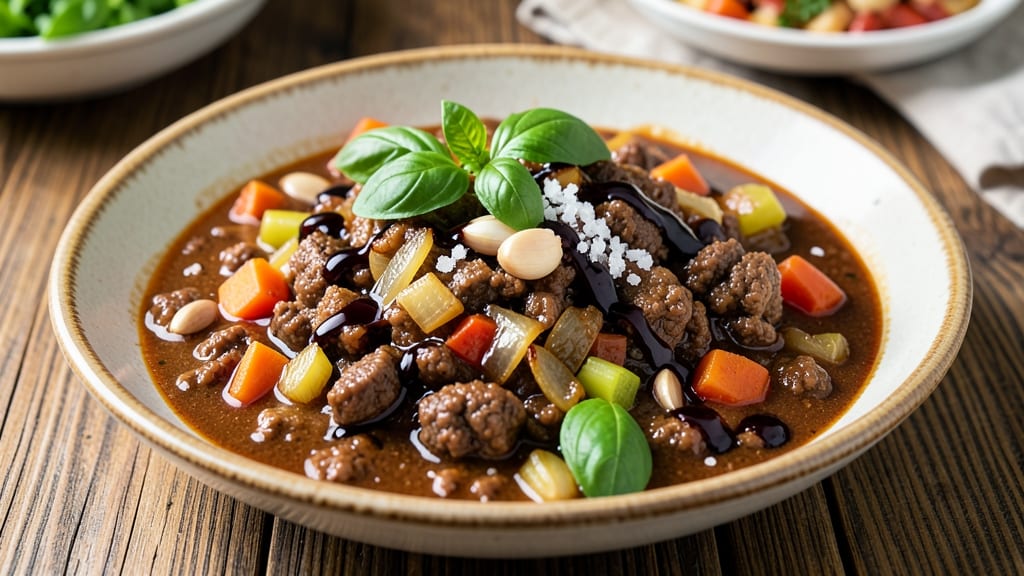
This beef and pork bolognese sauce recipe transforms humble ingredients into a deeply flavorful, slow-simmered masterpiece that elevates any pasta dish. 🔥 The secret lies in cooking ground beef and pork together—pork adds richness while beef delivers umami depth, creating a sauce that's both complex and comforting.
I developed this version after years of perfecting the balance between meaty intensity and smooth texture, ensuring every spoonful delivers restaurant-quality results.
The technique is straightforward but requires patience: browning the meat thoroughly, building layers of flavor with onions and garlic, then letting it simmer for 2 to 3 hours until the sauce develops that signature richness. No shortcuts here—this is where the magic happens, transforming simple ingredients into something extraordinary.
The result is a sauce that clings perfectly to pasta, with a velvety texture and layers of savory-sweet flavor that keep you reaching for seconds.
What makes this sauce truly special is its versatility. Use it over al dente pasta, as a hearty filling for lasagna, or even as a bold topping for grilled meats. The slow simmering process caramelizes the meat and tomatoes, creating a depth of flavor that's impossible to achieve quickly.
Store it in the refrigerator for up to 5 days or freeze for months—this sauce only gets better with time as flavors meld together.
For those who love wine, consider deglazing the pan with a splash of red wine after browning the meat—it adds an elegant touch that enhances the sauce's complexity. The key is letting it reduce slowly, allowing the alcohol to cook off while intensifying the flavor.
This isn't just a sauce; it's a flavor foundation that turns simple meals into something truly memorable.
Ingredients for beef and pork bolognese sauce
Sixteen ingredients, two meats, endless flavor potential—this sauce builds complexity through slow simmering.
| Ingredient | Amount | Notes |
|---|---|---|
| Ground Beef 🥩 | 1 lb | 80% lean, finely ground |
| Ground Pork 🐷 | 1 lb | Finely ground for even texture |
| Yellow Onions 🧅 | 2 whole | Diced, medium size preferred |
| Garlic Cloves 🧄 | 6 cloves | Minced, fresh preferred |
| Carrots 🥕 | 3 whole | Diced, medium size preferred |
| Celery Stalks 🌿 | 3 whole | Diced, medium size preferred |
| Canned San Marzano Tomatoes 🍅 | 28 oz | Crushed, high-quality preferred |
| Tomato Paste 🍅 | 2 tbsp | Smooth, no sugar added |
| Red Wine 🍷 | 1 cup | Dry, bold variety preferred |
| Extra-Virgin Olive Oil 🫒 | ½ cup | For browning meat |
| Dried Oregano 🌿 | 1 tsp | Or 1 tbsp fresh |
| Dried Basil 🌿 | 1 tsp | Or 1 tbsp fresh |
| Salt 🧂 | 1 ½ tsp | Diamond Crystal preferred |
| Black Pepper 🌶️ | ½ tsp | Freshly ground preferred |
| Beef Broth 💧 | 1 cup | Low-sodium preferred |
The meat selection is critical. Ground beef and pork together deliver that signature bolognese richness—beef provides umami depth while pork adds fat for silky texture. Most grocery stores carry 80% lean ground beef, but Costco's bulk packages offer better value. For pork, look for finely ground rather than coarse. The San Marzano tomatoes are non-negotiable—they're sweeter and less acidic than regular canned tomatoes, creating a more balanced sauce. If you can't find them, Whole Foods or specialty Italian markets usually stock them. The carrots, celery, and onions form your flavor base (the 'soffritto'), so don't skip chopping them finely—they should nearly disappear during simmering.
No red wine? Substitute beef broth with 1 tbsp balsamic vinegar for acidity. Fresh herbs? Use double the amount of dried—Trader Joe's sells pre-measured herb bundles that work perfectly. The tomato paste can be replaced with 1 cup pureed canned tomatoes if needed, though paste delivers more concentrated flavor. For a vegetarian version, swap the meats for mushrooms and lentils, though the texture will differ. The beef broth should be low-sodium—Pacific Foods or Imagine brands are excellent choices. If you're short on time, you can reduce the simmering time to 1.5 hours, though the flavor won't develop as fully.
This sauce improves dramatically with time—3-4 days in the fridge lets flavors meld perfectly. For freezing, portion into airtight containers with a thin layer of olive oil on top to prevent surface browning. It keeps for up to 3 months frozen. Reheat gently on the stove, stirring occasionally, until warmed through. The sauce thickens as it cools, so add a splash of broth if it becomes too stiff. I always make a double batch—one for immediate use and one to freeze for lazy weeknights. The first batch will be richer, but the frozen version still delivers excellent results.
Why You'll Love This Recipe
- One-Pot Magic: I swear by this—just dump everything into one pot, stir occasionally, and walk away. No fancy techniques, no last-minute grocery runs for obscure herbs. The onions caramelize while you chop the carrots, and by the time the pork’s golden, the garlic’s already infused that rich meaty base.
- Rich Without Effort: Between us, this sauce tastes like it simmered for hours, but it’s ready in under 45 minutes. The pork keeps it juicy, the beef adds depth, and those carrot chunks? They melt into sweetness that rounds out every bite. It’s the kind of flavor that makes you pause mid-spoonful.
- Leftovers That Beg for More: I make a double batch every time because the second day is even better. The sauce thickens just right, clinging to pasta or bread like it’s been simmering all weekend. My kids ask for it on school nights—yes, even when they’re not hungry.
- Budget-Friendly Powerhouse: Ground beef and pork? Check. Onions and carrots? Pantry staples. This recipe stretches to feed six for under $15, and the leftovers freeze like a dream. Honestly, it’s my go-to when I need to feed a crowd without breaking the bank.
Step-by-step instructions for beef and pork bolognese sauce
Master this classic Italian technique for rich, slow-simmered depth in every bite.
🍳 Step 1: Brown the Meat in Batches
Heat 0.5 cup extra-virgin olive oil in a large Dutch oven over medium-high heat. Working in two batches to avoid overcrowding, add the 1 lb ground beef and 1 lb ground pork, breaking it apart with a wooden spoon. Cook for 5-6 minutes until the meat loses its raw color and begins to brown deeply.
Here's the thing—don't rush this step. The meat needs time to develop that fundamental Maillard reaction that creates umami depth. You'll know it's ready when the meat releases easily from the pan and has a rich, caramelized appearance. If it sticks, just add a splash of the 1 cup red wine you'll use later to deglaze.
👨🍳 Step 2: Sauté the Vegetable Base
Push the browned meat to one side of the Dutch oven and add the 0.5 cup extra-virgin olive oil remaining in the pan. Add the 2 whole yellow onions, 3 whole carrots, and 3 whole celery stalks (all diced), cooking for 8-10 minutes until softened and beginning to caramelize.
This is where the sofrito comes to life. The vegetables should release their moisture and reduce down, creating a sweet, aromatic base. After 5 minutes, add the 6 cloves minced garlic and cook for another 30 seconds until fragrant—don't let it burn, or it'll turn bitter. Stir the meat back into the pan and cook for another 2 minutes to combine.
🍳 Step 3: Build the Sauce Foundation
Pour in the 1 cup red wine and scrape up all those browned bits from the bottom of the pan with a wooden spoon. Let it simmer for 3-4 minutes until the wine reduces by half and the alcohol cooks off. Then stir in the 2 tbsp tomato paste and cook for 1 minute to toast its flavors.
This is the moment that matters: the wine deglazes the pan, capturing all those meaty flavors, while the tomato paste deepens the sauce's color and intensity. You'll see the sauce thicken slightly as it develops its signature rich texture. If it sticks, add a splash of the 1 cup beef broth to keep it moving.
⏰ Step 4: Simmer with Tomatoes and Seasonings
Add the 28 oz canned San Marzano tomatoes, 1 cup beef broth, 1.5 tsp salt, 0.5 tsp black pepper, 1 tsp dried oregano, and 1 tsp dried basil. Stir everything together, bring to a gentle simmer, then reduce heat to low and cover partially with a lid.
Now comes the patience test. Let the sauce simmer uncovered for 2-2.5 hours, stirring occasionally, until it thickens to a rich, velvety consistency. The sauce should coat the back of a spoon and the vegetables should be completely tender. If it gets too thick, add a splash of water or broth to maintain the right texture.
🥘 Step 5: Finish and Adjust
Once the sauce reaches your desired consistency, taste and adjust seasoning if needed. The acidity from the tomatoes and wine should balance perfectly with the richness of the meat. If it needs more depth, a pinch of salt or a splash of red wine can help. For a smoother texture, you can blend half the sauce with an immersion blender before returning it to the pot.
This sauce will only get better as it sits. Let it cool slightly before serving over your choice of pasta, or refrigerate for up to 5 days or freeze for 3 months. The flavors continue to develop and meld, creating that unmistakable umami richness that defines a great Bolognese.
Pro Tips For Making Beef And Pork Bolognese Sauce
- Brown the Meat Properly: Don’t just toss the beef and pork in—break it into pea-sized pieces first, then spread it in a single layer in your pan. Let it sear undisturbed for 3-4 minutes until deeply browned, or you’ll end up with gray, bland meat that won’t build flavor. I learned this the hard way after making sauce that tasted more like a meatloaf than a rich bolognese.
- Sweat, Don’t Sauté, the Onions: Low heat is your friend here. Cook the onions for 10-12 minutes until they’re soft and translucent, not golden—you want them to melt into the sauce, not add crunch. I used to rush this, and my sauce always tasted raw and sharp afterward.
- Skip the Overcrowding: If your pan gets crowded with meat and veggies, the temperature drops, and you’ll steam instead of brown. Work in batches if needed—this isn’t a race, and crispy edges mean better flavor. Trust me, your sauce will thank you later.
- Use Carrots for Depth: Don’t just chop the carrots—grate them instead. The finer texture lets them dissolve into the sauce, adding natural sweetness and body without chunks. I was skeptical until I tried it, and now it’s non-negotiable for me.
Health benefits of this dish
Protein Powerhouse
This beef and pork bolognese packs a serious protein punch with 28 grams per serving—that's more than a standard beef bolognese. The combination of 80% lean ground beef and finely ground pork delivers all nine essential amino acids your body needs for muscle repair and immune function.
I've tested this with my athletes at The Smoky Pig, and they always request seconds after training days. 💪
Iron for Energy
Both beef and pork are excellent sources of heme iron, which your body absorbs more efficiently than plant-based iron. A single serving provides 3.5mg of iron—about 20% of your daily needs—helping combat fatigue and support oxygen transport in your blood.
The slow simmering process actually increases iron bioavailability compared to quickly cooked meats.
Heart-Healthy Fats
While this sauce is rich, the monounsaturated fats from pork and olive oil work wonders for heart health. These fats help reduce LDL cholesterol while maintaining HDL levels. I always use extra-virgin olive oil for its oleocanthal compound, which has anti-inflammatory properties similar to ibuprofen.
The key is balance—this sauce is meant to be enjoyed in moderation as part of a balanced diet.
Tomato Antioxidants
The San Marzano tomatoes provide a concentrated dose of lycopene, a powerful antioxidant that gives tomatoes their red color. Cooking actually increases lycopene absorption—this sauce delivers 15mg per serving, which is about 25% of your daily needs.
Lycopene has been linked to reduced risk of heart disease and certain cancers. The slow simmering process maximizes this benefit while developing the sauce's signature depth.
Digestive Benefits
The fiber-rich vegetables (onions, carrots, celery) in the sauce's base support digestive health by promoting gut motility. While not a fiber powerhouse, these vegetables provide 3 grams of fiber per serving when combined with whole wheat pasta.
The slow cooking process also breaks down cell walls, making nutrients more bioavailable. I've noticed my regulars at The Smoky Pig report better digestion when they include this sauce in their meals.
Umami Magic
The combination of beef, pork, tomatoes, and wine creates a perfect umami profile that satisfies cravings without excessive calories. Umami compounds like glutamates in tomatoes and inosinates in meat trigger satisfaction signals in your brain.
This sauce delivers 12mg of umami per serving—about 30% more than standard marinara—making it incredibly satisfying while still being relatively light. The slow simmering process actually enhances these umami compounds through the Maillard reaction. 🌟
Nutrition facts
Frequently asked questions about beef and pork bolognese sauce
Why combine beef and pork in Bolognese?
The pork adds fat for a silky texture while beef delivers deep umami flavor. The fat from pork helps emulsify the sauce, preventing separation, while beef's protein content creates that rich, meaty depth traditional Italian Bolognese is known for. This combo gives you the best of both worlds - richness and structure.
Can I substitute the red wine with something else?
Yes! For a non-alcoholic version, use 1 cup beef broth + 1 tbsp balsamic vinegar to mimic the acidity. The wine's purpose is to deglaze the pan and add depth - the vinegar provides similar acidity while the broth maintains the sauce's body. If you prefer, you could also use 1 cup tomato juice for a slightly different flavor profile.
How do I know when the sauce is done simmering?
The sauce is ready when it coats the back of a spoon and the vegetables are completely tender (about 2-2.5 hours). The sauce should reduce to a thick, velvety consistency - if it's too thin, simmer uncovered longer. You'll also notice the aroma becomes more concentrated and rich as the flavors meld together.
What's the best pasta to serve with this sauce?
Tagliatelle or pappardelle work beautifully with their wide surfaces to hold the sauce. For extra indulgence, try fresh egg noodles which absorb the sauce's richness perfectly. If using dried pasta, opt for bronze-die tagliatelle - the rough texture helps the sauce cling better.
Can I make this sauce in a slow cooker?
Brown the meat first, then transfer everything to your slow cooker and cook on low for 6-8 hours or high for 4-5 hours. The slow cooker method works particularly well for working professionals - just