
Soups & Stews
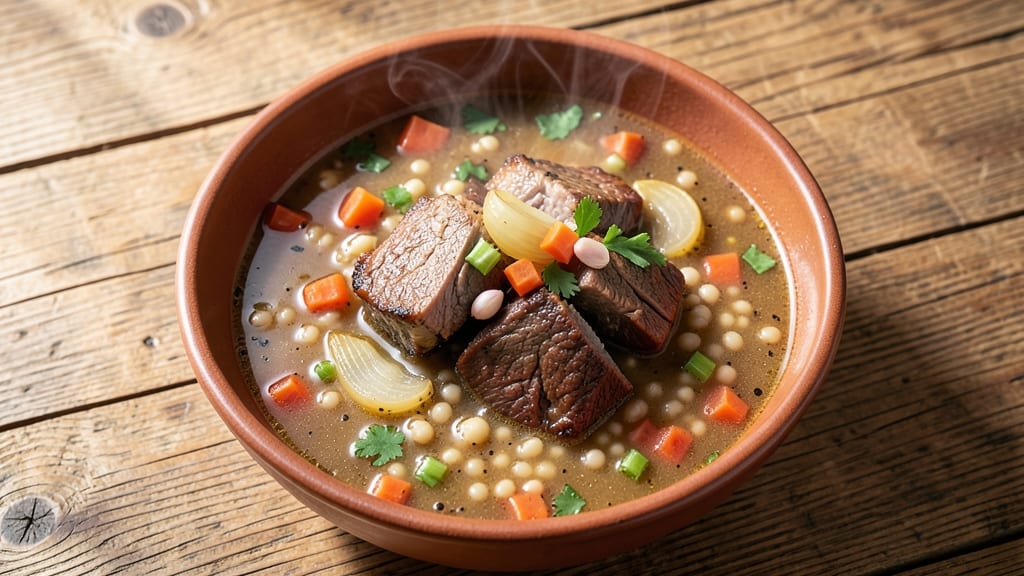
Transforming leftover roast into this hearty beef barley soup turns dinner scraps into a restaurant-quality meal that simmers with deep, savory richness.
The secret lies in repurposing every bit of flavor from the roast—from the crispy pan drippings to the tender meat—creating a broth so robust it tastes like it's been simmering all day.
This isn’t just soup; it’s a second life for your roast, where every ingredient plays a role in building layers of warmth and comfort.
The process is straightforward yet transformative: trim the leftover roast into bite-sized pieces, deglaze the roasting pan to capture all those flavorful browned bits, and let the barley soak up the essence of the beef and vegetables as they simmer.
Skimming the fat ensures a cleaner broth, while adjusting the seasoning—just a pinch of salt, a splash of vinegar—balances the natural richness of the meat. The result?
A soup that’s naturally hearty, with barley that softens just enough to hold its shape and beef that melts into tender, flavorful morsels.
What you’ll end up with is a bowl of soup that’s visibly inviting—golden barley speckled with tender beef, steaming broth infused with the deep umami of the roast, and an aroma that fills your kitchen with the promise of warmth.
It’s the kind of dish that feels like a hug on a cold day, yet requires minimal effort beyond the initial roast. The best part? Every spoonful carries the savory depth of the original roast, turning leftovers into something extraordinary without extra cost or time.
Serve it with a sprinkle of fresh parsley, a dollop of sour cream, or a slice of crusty bread to soak up every last drop of that rich broth.
This isn’t just a way to use up leftovers—it’s a foolproof method to create a meal that tastes like it was made with intention. Let’s get cooking.
Ingredients for beef barley soup recipe with leftover roast
Turn leftover roast into restaurant-worthy soup with these simple, flavor-packed ingredients.
| Ingredient | Amount | Notes |
|---|---|---|
| Leftover Roast Beef 🥩 | 1 ½ lb | Trimmed into bite-sized pieces |
| Barley 🌾 | ½ cup | Pearl or pot barley preferred |
| Carrots 🥕 | 2 medium | Peeled and chopped into chunks |
| Yellow Onion 🧅 | 1 whole | Diced into small pieces |
| Celery Stalk 🧅 | 2 whole | Chopped into 1-inch pieces |
| Garlic Cloves 🧄 | 4 cloves | Minced or pressed |
| Tomato Paste 🍅 | 2 tbsp | Smooth, not chunky |
| Beef Broth 💧 | 4 cups | Low-sodium preferred |
| Apple Cider Vinegar 🍏 | 1 tbsp | For brightness |
| Fresh Parsley 🌿 | ¼ cup | Chopped for garnish |
| Salt 🧂 | 1 tsp | Kosher or sea salt |
| Black Pepper 🌶️ | ½ tsp | Freshly ground |
| Bay Leaves 🌿 | 2 whole | Removed before serving |
| Sour Cream 🥛 | ¼ cup | For serving |
The roast is the star here—look for pieces with good marbling if buying fresh, but leftovers work even better. Costco or Kroger usually have pre-cut roast beef that’s perfect for this. If your roast is tougher than expected, simmer it longer—it’ll break down beautifully. The barley? Bob’s Red Mill is my go-to for consistent texture, but any pearl barley works. Carrots and celery should be fresh (no limp stalks!)—they’re the base of your veggie flavor. If you’re short on time, baby carrots or pre-chopped celery at Trader Joe’s save effort.
No beef broth? Water plus 1 beef bouillon cube gets you close. Fresh parsley wilting? Dried parsley at half the amount works in a pinch. The tomato paste can be swapped for 1 cup crushed tomatoes if you prefer. For extra depth, add a 1 tsp Worcestershire sauce (check for vegetarian-friendly brands if needed). The vinegar brightens the broth—don’t skip it! If you’re making a big batch, double the barley and broth. The bay leaves add subtle flavor, but remove them before serving—no one wants a leaf in their soup.
This soup tastes even better the next day—plan ahead! Store in an airtight container for 4-5 days in the fridge or freeze for 3 months. Reheat gently on the stove, stirring occasionally. For serving, keep the sour cream chilled until right before adding—it adds a nice contrast to the warm broth. I always make extra because it reheats so well for lunches. The barley holds up perfectly, so portion it out for easy grab-and-go meals.
Why You'll Love This Recipe
- No-Waste Hero: I swear by this trick—leftover roast beef gets better in soup. That tender, fall-apart texture? It just melts into the broth, turning yesterday’s dinner into today’s star. No sad scraps, just flavor gold.
- Chef’s Kiss Simmer: The barley softens into this pillowy bite—not mushy—that soaks up all the beefy richness. Toss in a handful of thyme and a bay leaf while it cooks, and you’ve got depth without effort. Honestly, my soup pot has never smelled this good.
- Weeknight to Potluck: Throw this together when you’re starving but short on time, or double the batch for a crowd. It reheats beautifully, and the barley keeps it hearty enough for a chilly Sunday gathering. (Yes, even on a Tuesday night.)
- Budget Magic: Carrots, celery, onion—those veggies stretch like crazy, and barley’s cheap but packs the meal. I’ve made this for under $10 for six servings, and no one ever guesses it’s budget-friendly. Between us, that’s the real win.
Step-by-step instructions for hearty beef barley soup
Transform leftover roast into a rich, comforting bowl of soup with this straightforward method.
Sauté the Vegetable Base
Heat a large pot over medium heat and add the 1 whole yellow onion, 2 whole celery stalks, and 2 medium carrots—all chopped as specified. Cook for 5-6 minutes until the vegetables begin to soften and the onion turns translucent. This foundational step builds flavor through caramelization.
Stir occasionally to prevent burning, especially the carrots which can darken faster. You'll know it's ready when the vegetables release their natural juices and stick slightly to the bottom of the pot. This is where the soup's depth of flavor begins.
Add Aromatics and Tomato Paste
Push the vegetables to one side of the pot and add 4 cloves minced garlic to the empty space. Cook for 30 seconds until fragrant—this prevents the garlic from burning while releasing its full flavor. Then add the 2 tbsp tomato paste and stir to combine.
Cook for another 1 minute to let the tomato paste deepen in color. This step creates a rich, umami base that will carry through the entire soup. The paste helps thicken the broth slightly and adds a subtle sweetness that balances the hearty flavors.
Incorporate Barley and Broth
Add the 0.5 cup barley and 4 cups beef broth to the pot, stirring to ensure the barley is fully submerged. Bring the mixture to a gentle boil over medium-high heat, then reduce to a simmer. Add the 1 tbsp apple cider vinegar, 1 tsp salt, 0.5 tsp black pepper, and 2 whole bay leaves.
Simmer for 20 minutes, stirring occasionally, until the barley begins to soften and the broth reduces slightly. This cooking time allows the barley to absorb some of the broth while maintaining its texture. The vinegar adds brightness that cuts through the richness of the beef.
Add the Leftover Roast Beef
Add the 1.5 lb leftover roast beef (trimmed into bite-sized pieces) to the pot. Stir gently to distribute the meat evenly throughout the broth. Return the soup to a simmer and cook for another 15-20 minutes until the beef is heated through and the barley is tender.
You'll know the beef is ready when it's hot to the touch and the barley can be easily mashed between your fingers. The meat should be fully integrated into the soup, releasing its juices and enhancing the broth's depth. This is where the magic happens—the roast's savory notes meld perfectly with the barley and vegetables.
Finish and Serve
Remove the pot from heat and let the soup sit for 5 minutes to allow the flavors to meld. Discard the 2 whole bay leaves before serving. Ladle the soup into bowls and top each serving with 0.25 cup fresh parsley and a dollop of 0.25 cup sour cream.
The parsley adds a fresh finish, while the sour cream provides a creamy contrast to the hearty broth. Serve immediately while hot, as the flavors continue to develop as the soup sits. Each spoonful should deliver a perfect balance of tender beef, chewy barley, and aromatic vegetables.
Pro Tips For Making Beef Barley Soup Recipe With Leftover Roast
- CHOP VEGGIES SMALLER THAN YOU THINK: I learned this the hard way—big chunks of onion or celery turn into mushy bits that make the soup taste like it’s missing something. Aim for ¼-inch dice or thinner; they’ll soften faster and blend into the broth without leaving awkward textures.
- USE COLD WATER FOR BARLEY: Sounds weird, but it works: start your barley in cold water instead of hot. The sudden heat shock prevents it from clumping into a single, sad, gluey mass—especially important when you’re using leftover roast, which already adds richness. Stir once, then let it simmer uncovered.
- SHRED MEAT THIN AND EVEN: Thick chunks of roast beef sink to the bottom like rocks, while paper-thin shreds distribute flavor evenly. Use two forks or your hands to pull it apart against the grain, then toss it with a splash of broth to prevent drying out before adding it back to the pot.
- SIMMER LOW AND LONG AFTER ADDING BARLEY: The first 20 minutes are critical—don’t rush it. A gentle simmer (just bubbles, not a rolling boil) lets the barley absorb liquid gradually and keeps the broth from turning cloudy. I used to walk away after 10 minutes, but that’s when the soup starts tasting flat. Patience here makes the difference.
Pro cooking tips for perfect results
Deglaze for Maximum Flavor
Never waste those precious browned bits in your roasting pan! After removing the leftover roast, place the pan over medium heat and add ½ cup water or beef broth. Scrape up all the fond with a wooden spoon—this is where the deep, caramelized flavors hide.
Pour this liquid into your soup pot during Step 1 when sautéing the vegetables. This simple technique adds layers of richness without extra effort. 🌟
Skimming Fat for Clarity
While your soup simmers, skim off any visible fat that rises to the surface with a fine-mesh skimmer or a spoon. This keeps your broth cleaner and prevents a greasy texture. I do this every 5 minutes during the 20-minute barley simmering time.
The result? A velvety broth that lets the beef and barley shine. Trust me, your soup will taste lighter and more refined.
Barley Texture Control
Barley can turn mushy if overcooked, but you can adjust its texture based on preference. For firmer barley, reduce simmering time to 15 minutes instead of 20. For softer barley, extend to 25 minutes.
Test doneness by tasting a grain—it should be tender but still hold its shape. I like mine slightly chewy, so I stick to the 20-minute mark in the recipe. 💛
Meat Tenderization Trick
If your leftover roast is particularly tough, add 1 tsp baking soda to the pot when you incorporate the beef. This subtle alkaline boost helps break down the meat fibers, creating more tender pieces.
Let the soup simmer for the full 15-20 minutes after adding the beef to see the best results. This trick works wonders with older leftovers that might be drying out. 💡
Broth Boosters
Want to elevate your broth without extra ingredients? Add 1 tsp soy sauce or 1 tsp Worcestershire sauce when you incorporate the barley and broth. These umami bombs deepen the flavor profile without overpowering the beef.
I also like adding ½ cup frozen peas in the last 5 minutes of cooking for a pop of color and freshness. These small additions make a big difference in complexity. ✨
Seasoning Balance
Taste your soup before serving and adjust seasonings carefully. The roast beef might already be quite salty, so go easy with the 1 tsp salt. If the broth tastes flat, add a pinch of black pepper or a splash of apple cider vinegar.
For extra depth, stir in ½ tsp smoked paprika during the final 5 minutes of cooking. The goal is harmony—each ingredient should complement, not compete with, the beef's natural flavor. 🔥
Nutrition facts
Frequently asked questions
Can I use any type of barley for this recipe?
Pearl or pot barley works best here—it holds its shape well and absorbs flavor beautifully. Avoid quick-cooking barley or pearled barley (like couscous), as they cook too fast and can turn mushy. If you only have whole barley, simmer it 5-10 minutes longer until tender.
What if my leftover roast is too tough?
Simmer it longer—20-25 minutes after adding to the soup—until it breaks down. For extra tenderness, add 1 tsp baking soda when incorporating the beef. This alkaline boost helps tenderize the meat without altering the flavor.
How can I make this soup vegetarian?
Replace the beef with 1.5 lbs firm tofu or mushrooms (cremini or portobello). Use vegetable broth and add 1 tsp soy sauce or miso paste for umami depth. The barley and veggies will still shine!
Can I prepare this soup ahead of time?
This soup tastes even better the next day. Store in an airtight container in the fridge for 4-5 days or freeze for 3 months. Reheat gently on the stove, stirring occasionally. The flavors meld beautifully overnight.
Why did my barley turn mushy?
Overcooking is the most likely cause. Barley should simmer for 20 minutes—no longer! For firmer texture, reduce time to 15 minutes. If using whole barley, increase simmering by 5-10 minutes instead. Always taste-test a grain before serving.