
Soups & Stews
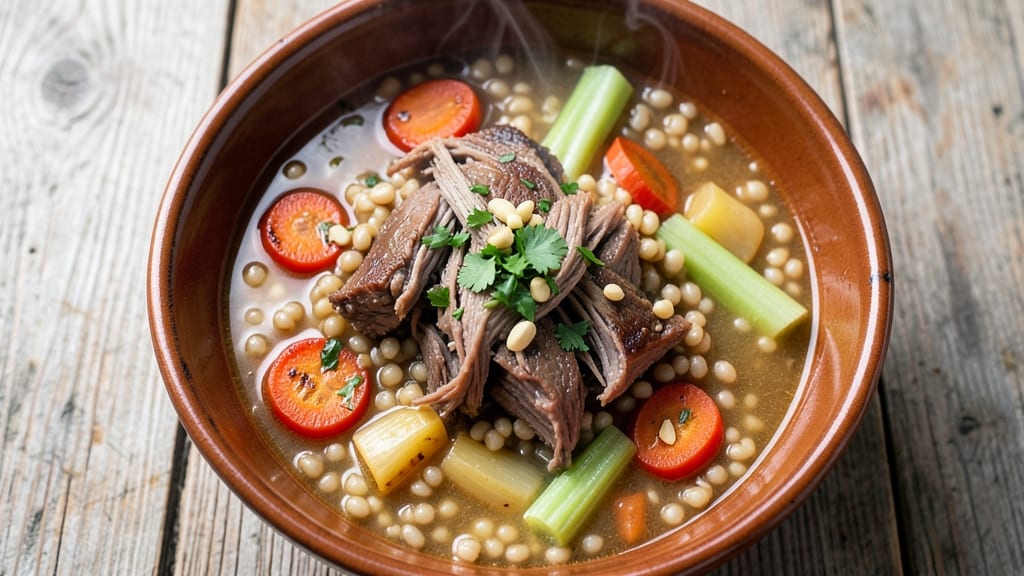
Transforming leftover beef roast into this hearty beef barley soup is the ultimate way to minimize food waste while creating a dish that tastes like it simmered all day. The key lies in using the roast's rich, deep flavors as the foundation—no need for expensive cuts or complicated techniques.
What starts as scraps becomes a comforting bowl of soup packed with tender beef, chewy barley, and aromatic vegetables, all infused with layers of savory broth.
This recipe builds on traditional methods but streamlines the process for home cooks, ensuring you achieve restaurant-quality depth without spending hours in the kitchen. The barley softens just enough to be satisfying, while the beef remains tender and flavorful, absorbing the soup's aromatic notes.
A touch of tomato paste and herbs elevates the broth, turning simple ingredients into something truly special.
The result is a rich, deeply satisfying soup that warms the soul and fills the house with an irresistible aroma.
Each spoonful delivers a perfect balance of meaty richness, chewy barley, and tender vegetables—ideal for chilly days or when you crave a meal that feels like a hug in a bowl. The best part? You'll use every last bit of that roast without a trace of waste.
Perfect for meal prep, potlucks, or a cozy weeknight dinner, this soup adapts easily to your schedule. Whether you're feeding a family or saving leftovers for later, the technique remains the same—efficient, flavorful, and foolproof. Let's turn those scraps into something extraordinary.
Ingredients for beef barley soup recipe with leftover beef roast
Six servings of soul-warming goodness using every last bit of that roast—no waste, all flavor.
| Ingredient | Amount | Notes |
|---|---|---|
| Leftover Beef Roast 🥩 | 2 cups | Diced into 1/2-inch pieces |
| Pearl Barley 🌾 | 1 cup | Uncooked, rinsed thoroughly |
| Yellow Onion 🧅 | 1 whole | Diced into 1/4-inch pieces |
| Carrots | 3 medium | Peeled, cut into 1/2-inch chunks |
| Celery Stalks 🥬 | 3 whole | Diced into 1/4-inch pieces |
| Garlic Cloves 🧄 | 4 cloves | Minced finely for depth |
| Tomato Paste 🍅 | 2 tbsp | High-quality, no sugar added |
| Beef Broth 💧 | 6 cups | Homemade or premium low-sodium |
| Bay Leaves 🌿 | 2 whole | Fresh for maximum aroma |
| Fresh Thyme 🌿 | 1 tbsp | Leaves only, chopped finely |
| Fresh Parsley 🌿 | ¼ cup | Chopped, for garnish and brightness |
| Olive Oil 🫒 | 2 tbsp | Extra-virgin for richness |
| Salt 🧂 | 1 ½ tsp | Diamond Crystal kosher salt |
| Black Peppercorns 🌶️ | ½ tsp | Freshly cracked for intensity |
| Worcestershire Sauce 🍯 | 1 tbsp | Vegan if needed for dietary needs |
The roast is the star here—any leftover beef works, but chuck or brisket holds up best to long simmering. If your roast is tough, Costco or local butchers often have pre-cubed chuck at reasonable prices. Pearl barley is key for that satisfying chew; Bob's Red Mill is my go-to brand, but any pearl barley will do. Fresh thyme and parsley make all the difference—Trader Joe's sells them in small bunches that keep well for a week. For the broth, homemade is ideal, but Knight's or Pacific Foods low-sodium options work in a pinch. Don't skip rinsing the barley—it removes excess starch that can make the soup gummy.
No fresh thyme? Dried at one-third the amount works, but fresh is ideal. Short on Worcestershire? Soy sauce plus a splash of vinegar mimics the umami punch. The tomato paste adds depth without overpowering—Rao's or Barilla are my favorites. For extra richness, stir in 1/4 cup red wine when sautéing the veggies. The carrots and celery should be roughly the same size so they cook evenly. If you're using pre-cut veggies, Trader Joe's frozen chopped vegetables are a lifesaver—they're prepped and ready to go. For a vegetarian twist, swap the beef for mushrooms or lentils, but the soul of this dish is in the meaty richness.
This soup only gets better with time—3-4 days in the fridge is perfect for flavor development. Portion into containers for easy lunches; the barley holds up beautifully. Freezes for up to 3 months—just thaw overnight in the fridge. To reheat, add a splash of broth or water to prevent drying out. The aroma alone will have your house smelling like a cozy restaurant. For extra comfort, serve with crusty bread or a dollop of sour cream. Leftovers? Even better the next day as the flavors meld.
Why You'll Love This Recipe
- Zero-Waste Hero: I swear by this for turning last night’s roast into today’s star—no sad leftovers in sight. Just dice that beef, toss it in with the barley and veggies, and suddenly you’ve got a meal that feels intentional, not scrappy.
- Deep Umami Magic: That slow-simmered beef? It melts into the barley like a flavor bomb. The onions and celery soften into sweet, caramelized layers, while the barley soaks up all the richness—like a cozy hug in a bowl.
- Meal Prep MVP: Make a double batch on Sunday, and you’ve got lunch covered for the week. The barley thickens beautifully when reheated, and the flavors only get better as it sits—perfect for busy mornings when you need something hearty without the fuss.
- Budget Booster: This soup costs me pennies per serving but tastes like I spent hours. Pearl barley stretches the beef further, and the veggies? They’re the affordable kind that don’t skimp on flavor. Honestly, it’s my go-to when I need to feed a crowd without breaking the bank.
Step-by-step instructions for beef barley soup with leftover roast
Transform those flavorful beef scraps into a rich, comforting bowl of soup that tastes like it simmered all day.
Sauté the Vegetable Base for Flavor Foundation
Heat the 2 tablespoons olive oil in a large Dutch oven or heavy pot over medium heat. Add the diced yellow onion, carrots, celery stalks, and minced garlic cloves, stirring occasionally for 5-6 minutes until the vegetables soften and the garlic becomes fragrant. This initial cooking step develops deep, caramelized flavors that form the backbone of your soup.
Here's the thing—don't rush this step. You want the vegetables to release their natural sugars and develop that sweet, golden hue. If the onions start to brown too quickly, reduce the heat slightly. The goal is aromatic vegetables that smell like a warm kitchen, not burnt bits at the bottom of the pot.
Build Depth with Tomato Paste and Seasonings
Stir in the 2 tablespoons tomato paste and cook for 1-2 minutes until it darkens slightly and releases its concentrated umami flavor. This step creates a rich foundation that balances the earthy barley and beef. Add the 1 tablespoon Worcestershire sauce, 1.5 teaspoons salt, and 0.5 teaspoon freshly cracked black peppercorns, stirring well to combine.
This is where the magic happens—I always add the Worcestershire sauce at this stage because it needs time to meld with the tomato paste and vegetables. The acidity in the sauce helps break down any tough fibers in the vegetables while adding complexity. Let everything cook together for another 1 minute before moving to the next step.
Add Broth and Barley for the Long Simmer
Pour in the 6 cups beef broth and bring the mixture to a gentle boil. Once boiling, reduce heat to low and stir in the 1 cup pearl barley (make sure it's rinsed first). Add the 2 whole bay leaves and 1 tablespoon fresh thyme, then cover and simmer for 30 minutes. This initial simmer allows the barley to begin softening while the broth infuses with all the aromatic flavors.
Real talk: Don't skip the initial 30-minute simmer. Pearl barley needs time to rehydrate properly, and this early cooking prevents it from becoming mushy later. The broth should smell like a cozy kitchen—earthy from the barley, rich from the beef broth, and herbal from the thyme and bay leaves.
Incorporate the Leftover Beef Roast
After the initial 30 minutes, add the 2 cups diced leftover beef roast to the pot. Stir gently to distribute the beef throughout the broth. Return to a simmer (you may need to adjust the heat slightly) and cook uncovered for another 30-45 minutes until the barley is tender but still has a slight bite. The soup should be thick and hearty, with the barley holding its shape.
The beef will reabsorb some of the broth's flavors, becoming even more tender and infused with the soup's aromatic base. You'll know the barley is ready when it's fork-tender but still maintains a pleasant texture. If the soup gets too thick during cooking, you can add a splash of water or more broth to reach your desired consistency.
Finish with Fresh Herbs and Adjust Seasoning
Remove the pot from heat and discard the bay leaves. Stir in the 0.25 cup chopped fresh parsley and taste the soup. This is your final chance to adjust the seasoning—add more salt if needed, or a splash of lemon juice if the flavors need brightness. The parsley adds a fresh finish that cuts through the richness of the beef and barley.
Let the soup sit off the heat for 5-10 minutes before serving. This resting period allows the flavors to meld even more deeply. Ladle into bowls and serve immediately, garnished with additional parsley if desired. Each spoonful should deliver a perfect balance of tender beef, chewy barley, and rich, aromatic broth—proof that leftover roast can become something extraordinary.
Pro Tips For Making Beef Barley Soup Recipe With Leftover Beef Roast
- Shred, Don’t Dice: DESCRIPTION: Leftover roast? Shred it with two forks—no knife needed. Big chunks of beef melt into the broth and stay tender, while tiny pieces turn mushy fast. I used to chop it like steak, and the soup lost its hearty texture.
- Toast the Barley: DESCRIPTION: Dry-toast the pearl barley in the pot for 3–4 minutes before adding liquid. The nutty aroma deepens, and the grains hold up better—no more gummy soup. (Yes, even if you’re impatient like me.)
- Sweat, Don’t Burn: DESCRIPTION: Cook the onions, carrots, and celery in batches if needed—crowding the pan steams them instead of caramelizing. A little color change is fine, but blackened bits taste bitter. Low and slow wins here.
- Strain the Broth: DESCRIPTION: If your roast came from a bone-in cut, strain the broth after simmering to remove any stray bits. Cleaner soup means better texture, and you’ll avoid chewing on surprise cartilage. (Trust me, it happens.)
Troubleshooting perfect results
Broth Too Thin?
If your soup looks watery after simmering, don't panic—this is an easy fix. The barley releases starch as it cooks, which naturally thickens the soup over time.
If it's still too thin after the full cook time, remove the pot from heat and let it sit uncovered for 10-15 minutes. The evaporation will concentrate the flavors and thicken the broth.
For immediate results, stir in 1 tablespoon cornstarch mixed with 2 tablespoons cold water and simmer for 2-3 minutes until thickened. 💫
Barley Too Mushy?
Overcooked barley turns to mush and loses its satisfying texture. To prevent this, start with 30 minutes of simmering before adding the beef, then cook the beef for 30-45 minutes max.
If you notice the barley breaking down too quickly, reduce the heat to lowest setting and add ½ cup cold water to dilute the starches. For extra insurance, use Bob's Red Mill Pearl Barley, which holds up better than generic brands.
Beef Not Tender?
Tough beef in soup usually means it didn't get enough time to rehydrate in the broth. If your leftover roast is particularly tough, shred it into smaller pieces (¼-inch or less) before adding it to the soup.
For extra tenderness, add the beef when the barley has already cooked for 45 minutes instead of the standard 30 minutes. A splash of apple cider vinegar (1 tbsp) in the broth also helps break down fibers. 🥩
Too Salty?
Over-salting is common when using store-bought broths or pre-seasoned ingredients. If your soup tastes too salty, add ½ cup cold water or beef broth and simmer for 5-10 minutes to dilute the salt.
For a brighter flavor, stir in 1 tbsp lemon juice or ½ cup unsalted tomato sauce. Avoid adding ice or milk—these can cause the soup to separate or become greasy.
Vegetables Undercooked?
If your carrots or celery remain crunchy, they likely didn't cook long enough. Next time, increase the initial sauté time to 8-10 minutes before adding broth. For extra insurance, chop vegetables slightly smaller (¼-inch pieces) so they cook more evenly.
If you're short on time, use pre-cut frozen vegetables (like Trader Joe's chopped mix)—they're already sized for quick cooking. 🥬
Flavor Too Mild?
A lackluster flavor usually means the aromatics didn't develop enough. Boost depth by adding 1 tsp smoked paprika or ½ tsp dried oregano when sautéing the vegetables. For umami, stir in 1 tbsp soy sauce or 1 tsp fish sauce (if you eat seafood) after adding the broth.
A final touch of black pepper or red pepper flakes adds warmth without overpowering. 🌶️
Nutrition facts
Frequently asked questions
Can I use any leftover beef for this soup?
You can use most leftover beef cuts, but chuck roast, brisket, or short ribs work best because they stay tender during long simmering. Avoid overly fatty cuts like ribeye—they can make the broth greasy. If your roast is particularly tough, shred it into smaller pieces (¼-inch or less) before adding to the soup for better texture.
How do I adjust the recipe for fewer/more servings?
This recipe makes 6 servings, but it scales easily. For 4 servings, halve all ingredients (including broth and barley). For 8+ servings, increase broth by 2 cups per 2 extra servings—barley and beef can stay proportional. Always maintain a 1:3 ratio of barley to broth (e.g., 1 cup barley : 6 cups broth) to avoid mushiness.
Can I substitute pearl barley for another grain?
Pearl barley is ideal for its chewy texture, but you can swap it for bulgur wheat or farro (use ½ cup each, cooked time reduces by 15 minutes). For a lighter option, try wild rice blend (simmer 15 minutes less). Avoid instant rice—it turns mushy. If using substitutes, reduce broth by ½ cup to maintain thickness.
Why does my soup taste bland even after following the recipe?
Blandness often comes from underdeveloped aromatics. Boost flavor by toasting the barley in the pot for 1-2 minutes before adding broth, or add 1 tsp smoked paprika with the tomato paste. For depth, stir in 1 tbsp soy sauce or 1 tsp fish sauce (if you eat seafood) after adding broth. A final touch of lemon juice or red pepper flakes brightens flavors without overpowering.
How long can I store or freeze this soup?
Store in an airtight container in the fridge for 3-4 days—flavors deepen over time! For freezing, portion into single-serving containers and freeze for up to 3 months. Thaw overnight in the fridge; reheat on low heat with a splash of broth to prevent drying. The barley holds up beautifully when reheated.