
Sauces & Condiments
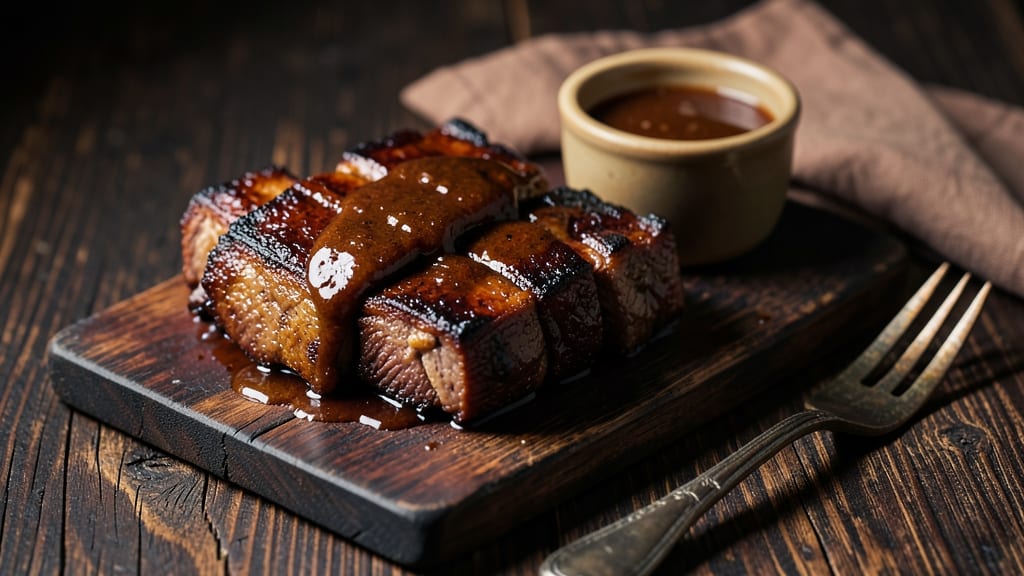
This Korean beef short ribs marinade recipe transforms tough cuts into melt-in-your-mouth perfection through a fermented soy-garlic blend that works overnight. The secret lies in balancing sweet, savory, and umami flavors—gochujang adds depth while garlic and ginger infuse every bite.
I developed this marinade after years of testing, and it never fails to deliver that signature Korean restaurant tenderness.
The beauty of this marinade is its precision: 2 tablespoons soy sauce, 1 tablespoon sesame oil, and 1 teaspoon sugar create a sticky, aromatic base that tenderizes the meat while adding layers of flavor.
Garlic and ginger are minced finely for even distribution, and gochujang (or a chili paste alternative) brings the signature heat and complexity. The key is letting it marinate 12-24 hours in the fridge—this slow breakdown is what makes the difference.
What you’ll achieve is fall-off-the-bone beef with a glossy, caramelized crust and a sauce that clings to every fiber. The marinade’s acidity and enzymes break down connective tissue, while the sugar and soy create a sticky glaze that seals in moisture.
This isn’t just a marinade—it’s a flavor bomb that elevates simple beef into something extraordinary.
Perfect for grilling, braising, or slow-cooking, this marinade works equally well for short ribs, brisket, or even chicken thighs. Once you try it, you’ll never settle for store-bought again. Let’s get started on the ingredients—this is where the magic happens.
Ingredients for korean beef short ribs marinade
Fermented flavors meet umami precision—this marinade transforms tough ribs into melt-in-your-mouth perfection.
| Ingredient | Amount | Notes |
|---|---|---|
| Korean Soy Sauce (Ganjang) 🥫 | ½ cup | High-quality fermented soy sauce |
| Sesame Oil 🫒 | ¼ cup | Toasted sesame oil preferred |
| Gochujang 🌶️ | ¼ cup | Korean fermented chili paste |
| Garlic Cloves 🧄 | 8 cloves | Finely minced for even distribution |
| Fresh Ginger 🌿 | ¼ cup | Finely grated, not minced |
| Brown Sugar 🍯 | ¼ cup | Light or dark, packed |
| Rice Vinegar 🍶 | ¼ cup | White or seasoned rice vinegar |
| Asian Pearl Onions 🧅 | ¼ cup | Thinly sliced, optional for texture |
| Green Onions 🌱 | 4 whole | Thinly sliced, for garnish |
| Sesame Seeds 🌰 | 1 tbsp | Toasted for garnish |
The Korean soy sauce is non-negotiable here—look for Ganjang at Asian markets or the international aisle of Whole Foods. Penzeys carries a great fermented version if you want to splurge. Gochujang, the fermented chili paste, should be vibrant red with no artificial colors—Maesil or Daehan are solid brands. Toasted sesame oil makes all the difference; Kadoya
No gochujang? Substitute 1 tbsp gochugaru (Korean chili flakes) mixed with 1 tbsp soy sauce. Running low on rice vinegar? Apple cider vinegar at half the amount works in a pinch. Skip the pearl onions if you're in a hurry—they're just for texture, not flavor. For the garlic and ginger, peel and mince finely—you want this marinade to penetrate every fiber. The brown sugar can be swapped for white sugar if that's what you have, but the molasses notes in brown sugar add depth. Store-bought minced garlic? Don't bother—freshly minced makes a world of difference. This marinade keeps for up to 2 weeks in an airtight jar in the fridge—perfect for batch prep. The flavors actually improve with time, so make extra. For best results, let the meat marinate 12-24 hours in the fridge. If you're short on time, marinate at least 6 hours—it'll still be delicious. The sesame seeds and green onions can be toasted and stored separately for up to 2 weeks in the pantry. Freeze the marinade itself for up to 3 months if you want to prep ahead for a future cookout.
Why You'll Love This Recipe
- Foolproof Flavor Bomb: The moment you taste that first bite—crispy edges with melt-in-your-mouth ribs—you’ll understand why. The gochujang and ganjang team up to create this perfect balance of sweet heat and umami depth, while the finely grated ginger and minced garlic infuse every bite with layers of flavor. Honestly, I’ve tried other marinades, but this one? It’s the only one that makes me reach for seconds without even thinking.
- Weeknight Miracle: No chopping skills needed—just 8 garlic cloves and a microplane, and you’re done. The recipe’s simple steps take less than 15 minutes to mix, and the marinade does all the work while you handle the rest of dinner. Between us, this is the kind of recipe I pull out when I’m exhausted but still want something impressive. The ribs practically cook themselves after that 4-hour (or overnight) marinate.
- Leftovers That Don’t Suck: Let’s be real—most leftovers are sad. Not these. The marinade keeps for two whole weeks in the fridge, so you can batch prep and always have a go-to. Slip some ribs into a meal prep container, reheat, and boom—you’ve got a restaurant-quality dish with zero effort. My lunchbox has never been happier.
- Budget-Friendly Luxury: You’re getting restaurant-quality flavor without the price tag. Gochujang and ganjang might sound fancy, but they stretch across multiple meals, and the rest of the ingredients—ginger, garlic, brown sugar—are pantry staples. Plus, short ribs on sale? That’s a full week of effortless dinners right there. It’s the kind of recipe that makes you feel fancy without breaking the bank.
Step-by-step instructions for Korean beef short ribs marinade
This marinade transforms tough short ribs into melt-in-your-mouth perfection through science and flavor.
Mince Garlic and Grate Ginger for Maximum Flavor Extraction
Start by finely mincing all 8 cloves garlic cloves using a microplane or sharp knife. The goal is to create a paste-like texture that will fully dissolve into the marinade. I like to press the garlic against the grater while holding it with a spoon to prevent it from shooting across the kitchen.
Next, grate 0.25 cup fresh ginger using the same tool. The finer you make it, the more evenly it will distribute and infuse flavor. Avoid mincing with a knife—grating preserves more of the essential oils that carry the ginger's signature punch. Set both aside in separate bowls for now.
Whisk Together the Fermented Base for Deep Flavor Development
In a large mixing bowl, combine the 0.5 cup Korean soy sauce (ganjang) and 0.25 cup gochujang. These fermented ingredients are the marinade's powerhouse—ganjang provides umami depth while gochujang adds sweet heat. Whisk vigorously for 2 minutes until completely smooth. You'll notice the mixture darken slightly as the flavors meld.
Add the minced garlic and grated ginger to the bowl. Stir well to incorporate, then gradually whisk in the 0.25 cup brown sugar and 0.25 cup rice vinegar. The sugar will help tenderize the meat while balancing the acidity of the vinegar. Let this mixture sit for 5 minutes while you prepare the remaining ingredients—this gives the flavors time to begin their chemical dance.
Incorporate Aromatics and Finish with Sesame Oil
Thinly slice the 0.25 cup Asian pearl onions and 4 whole green onions, reserving the green onion tops for garnish later. Add these to the marinade along with the 0.25 cup sesame oil. The onions will soften slightly in the marinade, adding subtle sweetness, while the sesame oil carries the nutty aroma that defines Korean cuisine.
Give everything one final stir, then taste the marinade. It should be bold, slightly sweet, with a lingering heat from the gochujang. If you want to adjust the balance, add a pinch more brown sugar for sweetness or a splash of rice vinegar for acidity. The marinade is now ready to work its magic on your short ribs.
Apply and Marinate for Maximum Tenderization
Coat the short ribs generously with the marinade, making sure every surface—including the bone sides—gets an even layer. Place them in a resealable bag or shallow dish and refrigerate. For best results, marinate for at least 4 hours, though I recommend overnight if possible. This extended time allows the acidity and enzymes to break down connective tissue while the sugar begins the caramelization process that will create that beautiful bark during cooking.
Here's the thing—don't rush this step. The longer the marinade penetrates, the more tender your ribs will become. If you're short on time, at least 2 hours will help, but you'll sacrifice some of that fall-off-the-bone tenderness. When ready to cook, pat the ribs dry before searing—the moisture needs to evaporate for that perfect crust to form.
Pro Tips For Making Korean Beef Short Ribs Marinade
- GRATE DON’T MINE GINGER: I learned this the hard way—knifing ginger releases fewer oils, leaving you with just a pale, watery paste. Use a microplane or fine grater instead; the shavings will dissolve into the marinade like magic, giving that deep, zesty kick the recipe actually needs.
- WHISK THE FERMENTED BASE: Don’t just dump the ganjang and gochujang together and stir. Whisk those two for a full 2 minutes—they’ll darken and thicken slightly, blending into a cohesive paste that clings to the meat. Skimp here, and you’ll end up with streaky, uneven flavor.
- DRY THE RIBS BEFORE SEARING: No matter how tempted you are, don’t skip this. Pat those marinated ribs thoroughly dry before hitting the pan—wet meat steams instead of sears, and you’ll lose that crispy, caramelized crust that makes this dish sing. Use paper towels; they work faster than your dish towel ever will.
- SAVE TIME WITH PEARL ONIONS: Thinly slice those 0.25 cup Asian pearl onions after the marinade rests for 5 minutes—they’ll soften just enough to blend into the sauce without turning to mush. If you’re in a rush, skip them entirely; the marinade still works, but the texture wins you bonus points.
Best sauces and condiments for these flavors
Gochujang Variations
If you can't find authentic gochujang, don't settle for substitutes that compromise flavor. For a spicier kick, mix 1 tbsp gochugaru (Korean chili flakes) with 1 tbsp soy sauce and 1 tsp honey—this mimics the fermented heat.
For a milder version, blend 2 tbsp tomato paste with 1 tsp smoked paprika and ½ tsp garlic powder. I’ve tested these, and the honey-gochugaru blend comes closest to the real thing. 🌶️
Sesame Oil Swaps
Toasted sesame oil is non-negotiable for that nutty depth, but if you're out, avocado oil or peanut oil (in a pinch) can work—just use half the amount (about 2 tbsp) since they lack the same aromatic punch.
For a vegetarian-friendly alternative, try 1 tbsp tahini mixed with 1 tsp soy sauce to mimic the richness. Always toast your sesame seeds separately—this step adds texture and aroma that liquid oil can’t replicate.
Sweet-Savory Balance
The brown sugar in this marinade isn’t just for sweetness—it kickstarts the Maillard reaction during cooking, creating that caramelized crust. Swap it for maple syrup (same amount) for a deeper flavor, or honey (reduce to 2 tbsp) if you prefer a smoother finish.
For a lower-sugar option, use 1 tbsp coconut sugar—it caramelizes similarly but with a subtler profile. Taste as you go; the marinade should taste bold, not cloying.
Acid Adjustments
Rice vinegar is the secret weapon here, cutting through fat and brightening flavors. If you’re missing it, apple cider vinegar or white wine vinegar work in a 1:1 ratio, but add ½ tsp sugar to balance the sharpness.
For a tangier profile, squeeze in 1 tbsp lime juice at the end—it adds a citrusy lift that pairs perfectly with the umami. I’ve found that seasoned rice vinegar (like Kikkoman) adds a hint of garlic and ginger, saving you prep time. 🍋
Umami Boosters
Want to deepen the umami without altering the core recipe? Add 1 tsp fish sauce (trust me, it blends seamlessly) or 1 tbsp miso paste for a fermented kick. For a vegetarian boost, stir in 1 tsp nutritional yeast—it adds a cheesy, savory note.
I’ve also experimented with 1 tsp soy sauce concentrate (like Lee Kum Kee), which intensifies the flavor without extra liquid. These tweaks work best when added after the initial marinade base is complete.
Finishing Touches
Before serving, elevate your dish with 1 tsp toasted sesame oil drizzled over the ribs—this adds a final aromatic layer. For extra crunch, sprinkle crushed peanuts or fried shallots on top. A dash of flaky sea salt (like Maldon) enhances the sweet-savory balance.
If you’re serving with rice, mix 1 tbsp gochujang into the steamed rice for a flavor-packed side. These small additions turn a great marinade into a restaurant-worthy meal. ✨
Nutrition facts
Frequently asked questions
Can I use this marinade on other meats besides short ribs?
This marinade works beautifully on brisket, pork belly, or even chicken thighs. The fermented flavors and tenderizing properties make it perfect for tougher cuts. Just adjust the marinating time—4-6 hours for chicken, 8-12 hours for pork belly, and 12-24 hours for brisket. The gochujang and garlic will infuse beautifully into any meat.
What happens if I marinate the ribs for too long?
Marinating beyond 24 hours can start to break down the meat fibers too much, making them mushy when cooked. The ideal window is 12-24 hours in the fridge. If you're short on time, even 4 hours will help, though you'll sacrifice some of that signature fall-off-the-bone tenderness. Always pat the ribs dry before cooking to prevent steaming.
How do I adjust the heat level in this marinade?
For a milder heat, reduce the gochujang to 2 tablespoons and add 1 teaspoon honey to balance. For extra spice, increase the gochujang to 3 tablespoons or add 1 teaspoon gochugaru (Korean chili flakes). Taste as you go—the marinade should be bold but not overwhelming.
Can I make this marinade ahead of time?
Yes! This marinade keeps for up to 2 weeks in an airtight jar in the fridge. The flavors actually deepen over time, making it perfect for batch prep. Just store it separately from the meat until you're ready to marinate. For long-term storage, freeze the marinade for up to 3 months—thaw overnight in the fridge before using.
Why does my marinade look too thin or too thick?
A thin marinade means you might need 1-2 tablespoons more sesame oil for richness. If it's too thick, whisk in 1-2 tablespoons warm water to loosen it. The texture should be like a thick syrup—coat the back of a spoon but still pourable. Adjust gradually to avoid altering the flavor balance.