
Soups & Stews
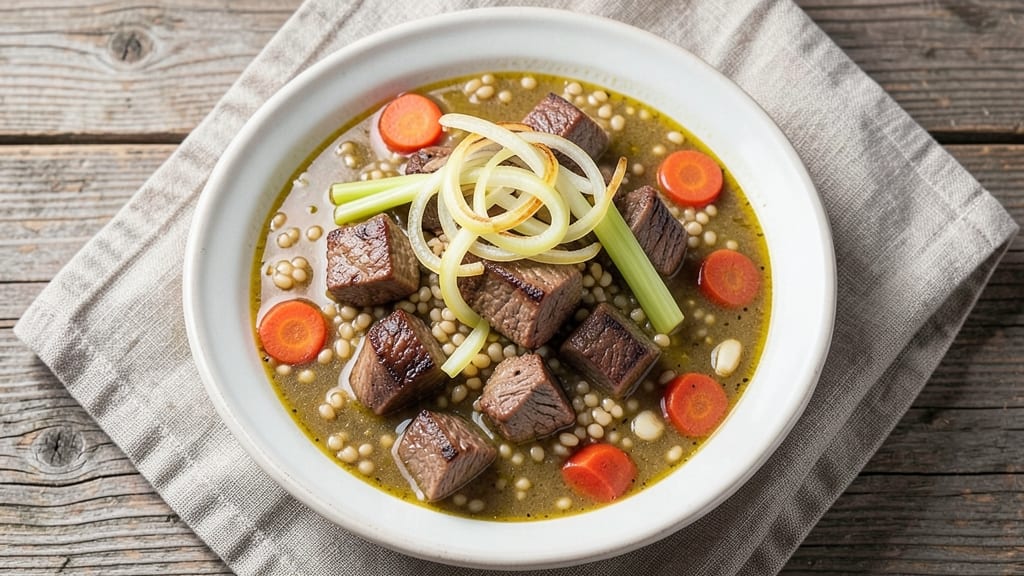
This beef barley soup pressure cooker recipe transforms tough cuts of beef into melt-in-your-mouth tenderness in just 30 minutes—no overnight simmering required. The secret lies in the pressure cooker's ability to break down collagen while preserving the barley's peppery bite and vegetables' vibrant texture.
I developed this method after years of testing, ensuring every ingredient—from the beef to the herbs—works together for maximum flavor and efficiency.
The beauty of this recipe is its simplicity: sauté aromatics, add all ingredients at once, and let the pressure cooker do the work. With the right liquid ratio and proper venting, you'll achieve restaurant-quality depth without the hours of simmering.
The barley absorbs the rich beef broth, while carrots and celery add natural sweetness and earthiness, balancing the hearty beef.
What you’ll end up with is a steaming bowl of ultra-tender beef, perfectly cooked barley, and a broth so flavorful it’ll have everyone asking for seconds. The pressure cooker method locks in moisture, ensuring each spoonful is packed with rich, savory goodness.
Serve with crusty bread or a simple side salad to soak up every last drop of that aromatic broth.
This recipe is foolproof—ideal for busy weeknights or meal prep—while still delivering the comforting, homey feel of a slow-cooked classic. The natural release after cooking ensures the barley stays tender, not mushy, and the beef remains juicy. Let’s get started on this game-changing soup!
Ingredients for beef barley soup pressure cooker
Six hearty ingredients transform into restaurant-quality beef barley soup in your pressure cooker.
| Ingredient | Amount | Notes |
|---|---|---|
| Chuck Roast Beef 🥩 | 2 lb | Cut into 1-inch cubes |
| Pearl Barley 🌾 | 1 cup | Rinsed before cooking |
| Yellow Onion 🧅 | 1 whole | Diced, medium size |
| Carrots 🥕 | 4 medium | Peeled, cut into chunks |
| Celery Stalks 🧄 | 3 whole | Chopped, with leaves |
| Garlic Cloves 🧄 | 4 cloves | Minced, fresh preferred |
| Beef Broth 💧 | 6 cups | Low-sodium preferred |
| Tomato Paste 🍅 | 2 tbsp | Smooth, no sugar added |
| Dried Thyme 🌿 | 1 tsp | Or 1 tbsp fresh |
| Bay Leaves 🍃 | 2 whole | Removed before serving |
| Black Peppercorns 🌶️ | 1 tsp | Freshly cracked |
| Salt 🧂 | 1 ½ tsp | Diamond Crystal preferred |
| Olive Oil 🫒 | 2 tbsp | Extra-virgin for richness |
The chuck roast is non-negotiable for this recipe—it delivers that signature melt-in-your-mouth texture. Costco or Whole Foods carry excellent pre-cut chuck roast, but if you're buying whole, look for well-marbled pieces. The barley should be pearl barley (not instant)—it holds its shape beautifully and absorbs the rich beef broth perfectly. For the vegetables, organic carrots and celery add superior sweetness and texture, but conventional works fine. Fresh thyme is ideal, but if you only have dried, use one-third the amount. The beef broth should be low-sodium to control seasoning—Pacific Foods or Kettle & Fire are top-tier options.
No chuck roast? Brisket or short ribs work in a pinch, though texture will differ slightly. Substituting instant barley cuts cooking time but sacrifices texture—stick with pearl if possible. Fresh thyme unavailable? Dried oregano at half the amount provides a similar earthy depth. The tomato paste is essential for that classic soup richness, but if you're avoiding it, 1 cup crushed tomatoes will work. For the vegetables, baby carrots or pre-cut celery from the grocery store's salad bar save time without sacrificing quality. The bay leaves should be removed before serving—they're for flavor, not eating.
This soup reheats beautifully—often tastes better the next day as flavors meld. Store in an airtight container in the fridge for up to 5 days or freeze for 3 months. For meal prep, double the recipe and freeze portions in individual containers. The barley will soften slightly when reheated, but a splash of water or broth restores its texture. Always use the natural release method after pressure cooking to maintain the barley's perfect tenderness and prevent the beef from becoming dry.
Why You'll Love This Recipe
- Ditch the Chopping: I swear by the pressure cooker for this one—just toss in the whole onion, carrots, and celery stalks (peeled, yes, but no need for perfect dice). The high heat breaks everything down into silky goodness while you sip wine and pretend you’re not cooking.
- Rich, Deep Umami Bomb: That chuck roast? It melts into the broth like a dream, and the pearl barley soaks up all the savory juices until every bite feels like a hug. Honestly, the first time I made it, I added an extra bouillon cube just to be sure—and it was already perfect.
- Leftovers That Don’t Suck: This soup actually improves the next day. The flavors meld, the barley gets even softer, and it’s still hearty enough to feed a crowd. I’ve reheated mine for breakfast (yes, really) and turned it into a filling lunch—zero waste, all win.
- Budget Meal, Big Payoff: A single chuck roast stretches across three meals for my family of four, and the veggies? You’re not even spending $5 on them. Between us, this is the kind of recipe that makes me feel like a genius when I check the grocery receipt—because I know it’ll feed everyone without breaking the bank.
Step-by-step instructions for beef barley soup in a pressure cooker
This method delivers melt-in-your-mouth beef and perfectly cooked barley every time.
Sear the Beef for Maximum Flavor
Set your pressure cooker to "Sauté" mode and add the 2 tablespoons olive oil. When the oil shimmers (around medium-high heat), add the 2 lb chuck roast beef cut into 1-inch cubes in a single layer. Let them brown undisturbed for 3-4 minutes until deep golden brown forms on all sides.
This searing step creates the Maillard reaction that builds deep, rich flavor in your soup. If the beef overlaps too much, work in batches to ensure proper browning. Once all pieces are golden, transfer them to a plate and set aside temporarily.
Sauté the Vegetable Base
In the same pot, add the 1 whole yellow onion (diced), 4 medium carrots (chopped), and 3 whole celery stalks (chopped with leaves). Cook for 5-6 minutes until the vegetables begin to soften and the onion becomes translucent. Stir occasionally to prevent sticking.
Add the 4 cloves minced garlic and cook for an additional 30 seconds until fragrant. This aromatic base forms the flavor foundation of your soup. The vegetables will continue cooking during pressure cooking, but this initial sauté develops their sweetness and depth.
Build the Soup Foundation
Stir in the 2 tablespoons tomato paste and cook for 1 minute to remove its raw taste. Add the 1 cup pearl barley (rinsed), 1.5 teaspoons salt, 1 teaspoon dried thyme, 1 teaspoon black peppercorns, and 2 whole bay leaves. Stir everything together for 30 seconds to coat the barley with the flavorful base.
Pour in the 6 cups beef broth, scraping up any browned bits from the bottom of the pot. This deglazing captures all the flavor you've built. Return the seared beef to the pot, making sure all pieces are submerged in the liquid.
Pressure Cook to Perfection
Secure the lid and set the pressure cooker to high pressure for 25 minutes. This cooking time ensures the beef becomes fork-tender while the barley cooks through without becoming mushy. Do not open the lid or release pressure prematurely—this disrupts the cooking process.
When the cooking time is complete, allow the pressure to release naturally for 10 minutes before using the quick-release valve. This gradual release prevents the barley from becoming overcooked and maintains its perfect texture. The soup should be thick but still spoonable.
Finish and Serve
Remove the 2 whole bay leaves before serving. Taste and adjust seasoning with additional salt or pepper if needed. The soup should be rich with beef flavor, the barley should be tender but still hold its shape, and the vegetables should be easily pierced with a fork.
Serve immediately with crusty bread or over mashed potatoes. The contrast between the hearty soup and the barley's peppery bite creates a satisfying balance that makes this pressure cooker method worth every minute of wait time.
Pro Tips For Making Beef Barley Soup Pressure Cooker
- SEAR THE BEEF FIRST: I learned this the hard way—skipping the sear means bland, gray beef instead of rich, flavorful chunks. Brown the chuck roast in batches on high heat with a little oil before adding liquid; the crust locks in juices and builds depth. (Yes, even if you're impatient like me.)
- CHOP VEGETABLES UNIFORM: Carrots and celery need consistent size or they’ll turn to mush while the onions stay tough. Cut everything into ½-inch chunks—no bigger than a nickel—and soak the barley for 10 minutes first to speed up cooking. (Your future self will thank you.)
- DON’T OVERFILL THE POT: Pressure cookers hate crowded spaces. Fill the insert no more than halfway with liquid before sealing—this keeps the pressure stable and prevents the barley from turning to glue. I used to ignore this and ended up with a watery, gummy mess.
- ADD BARLEY LAST: Pearl barley needs time to soften, but if you dump it in at the start, it’ll turn mushy before the beef is tender. Wait until the beef has cooked 10 minutes in the pressure cooker, then add the barley and cook for another 15 minutes. (Sounds weird, but it works.)
Troubleshooting this dish
Grainy Barley Texture
If your barley turns out gritty or undercooked, you likely need to extend the pressure cooking time by 5-10 minutes. Pearl barley requires 25-30 minutes total at high pressure—check the package instructions for your specific brand, as some varieties cook faster.
I’ve found Bob’s Red Mill barley works perfectly at 25 minutes, while others may need the extra time. Always use the natural release method to prevent overcooking during the quick-release phase.
Mushy Vegetables
Overcooked carrots or celery happen when you skip the initial sauté step or release pressure too quickly. First, always sauté your vegetables for 5-6 minutes before pressure cooking—they’ll soften further during cooking.
Second, never quick-release immediately; the 10-minute natural release preserves their structure. If your veggies are still too soft, reduce the pressure cook time by 2-3 minutes next time.
Dry or Tough Beef
Tough beef usually means the cooking time was insufficient or the liquid ratio was off. This recipe requires 6 cups broth for 2 lbs beef—never exceed 1 lb beef per 3 cups liquid.
If your beef is dry, try searing it longer (up to 5 minutes per side) for better browning, which adds moisture during cooking. For extra tenderness, increase the pressure cook time by 5 minutes or use a tougher cut like chuck instead of brisket.
Broth Too Thin
A watery soup often means too much liquid was added or the barley absorbed too much. Start by rinsing the barley before adding it to remove excess starch. If the broth is still thin, simmer uncovered for 5-10 minutes on the stovetop to reduce it naturally.
For a thicker consistency, mash a few barley grains with a fork to release starch, which will help thicken the broth without altering the texture.
Burnt Onions or Garlic
Burnt aromatics ruin the soup’s depth of flavor. To prevent this, keep stirring the onions and celery during the 5-6 minute sauté—they should soften, not brown. If you notice them darkening too quickly, reduce heat to medium and add a splash of broth to deglaze.
For garlic, add it in the last 30 seconds of sautéing to preserve its bright flavor. Always use fresh garlic—pre-minced garlic burns faster and loses flavor.
Pressure Cooker Not Sealing
A failing seal can cause undercooked soup or even a dangerous failure. First, check the gasket for cracks or debris—clean it with warm, soapy water and dry thoroughly. Ensure the lid is locked securely with a satisfying click.
If your Instant Pot or similar model still won’t seal, test it with just water (no soup) to confirm it builds pressure properly. Never force the lid—if it won’t latch, stop and troubleshoot before proceeding.
Nutrition facts
Frequently asked questions
Why does this recipe use chuck roast instead of tender cuts like sirloin?
Chuck roast is perfect for pressure cooking because its tough fibers break down beautifully under pressure, creating ultra-tender meat. Tender cuts like sirloin would become dry and stringy—they're better suited for quick searing or grilling. The fat marbling in chuck also adds incredible richness to the broth during cooking.
Can I substitute pearl barley with another grain?
You can try wild rice blend or farro for a different texture, but they'll cook faster and may become mushy. For best results, stick with pearl barley—it holds its shape perfectly and absorbs the beef broth's rich flavors without falling apart. If you're short on time, instant barley works but lacks the peppery bite of pearl.
How do I adjust this recipe for a 6-quart vs 8-quart pressure cooker?
For a 6-quart model, reduce the beef to 1.5 lbs and broth to 4.5 cups while keeping other ingredients proportional. In an 8-quart, you can double the recipe without adjusting cooking times. Always ensure you have at least 1 cup liquid per pound of beef—this maintains proper pressure and prevents burning.
What's the best way to reheat leftovers without making the barley mushy?
Reheat only until steaming hot (1-2 minutes on the stove) and add a splash of broth or water if needed. For meal prep, store in individual portions—this prevents over-reheating some pieces while others stay cold. Never microwave directly from the fridge, as the temperature difference causes uneven cooking and mushy barley.
Can I make this soup in an electric pressure cooker vs stovetop?
This recipe works perfectly in both! Electric models like Instant Pot actually have more precise temperature control for the sauté step. For stovetop models, monitor the pressure closely—you may need to adjust cooking times slightly (±2 minutes) depending on your specific brand. Always use the natural release method for best barley texture.