
Sauces & Condiments
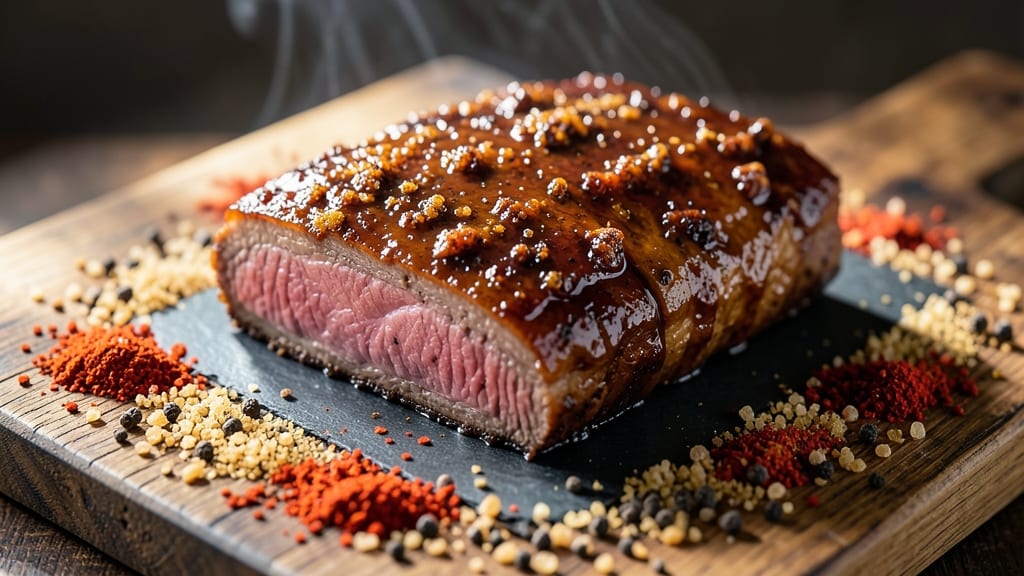
This beef barbecue rub recipe transforms tough cuts into smoky, tender masterpieces with just a few simple ingredients and 15 minutes of prep. 🔥 As a pitmaster who grew up on slow-cooked ribs, I've perfected this blend to deliver that deep, caramelized crust and intense smoky flavor that makes every bite unforgettable.
The secret lies in balancing sweet, spicy, and savory notes—just like my granddad's famous rub—that creates an irresistible bark while keeping the meat juicy inside.
The beauty of this dry rub lies in its versatility—it works equally well on ribs, brisket, steaks, or even chicken. I source my spices from specialty shops to ensure maximum flavor impact, but you can easily recreate this at home with basic pantry staples.
What sets this blend apart is the precise ratio of brown sugar to cayenne, which creates that signature caramelized crust without overpowering the natural beef flavor.
What you'll end up with is a rich, aromatic rub that develops a deep, smoky aroma as it clings to the meat. The combination of paprika, garlic powder, and onion powder adds layers of complexity, while the black pepper brings a subtle heat that lingers.
This isn't just any rub—it's the foundation for restaurant-quality barbecue right in your backyard.
Once mixed, this rub keeps its potency for up to 6 months in an airtight container, making it perfect for stocking your pantry. Whether you're cooking for a crowd or treating yourself to a special meal, this blend delivers professional results with minimal effort.
Let's get started on creating your signature barbecue flavor profile.
Ingredients for beef barbecue rub
Nine spices and one sugar—this simple blend delivers restaurant-quality barbecue flavor.
| Ingredient | Amount | Notes |
|---|---|---|
| Smoked Paprika 🌶️ | 3 tbsp | High-quality smoked for depth |
| Light Brown Sugar 🍚 | 2 tbsp | Turbinado preferred for texture |
| Garlic Powder 🧄 | 1 ½ tbsp | Freshly ground preferred |
| Onion Powder 🧅 | 1 ½ tbsp | Finely ground for smooth blend |
| Ground Black Pepper 🌶️ | 1 tbsp | Freshly cracked for heat |
| Cayenne Pepper 🔥 | 1 tsp | Adjust for desired heat level |
| Ground Cumin 🌿 | 1 tsp | Toasted for deeper aroma |
| Kosher Salt 🧂 | 1 ½ tsp | Diamond Crystal preferred |
| Mustard Powder 🌶️ | ½ tsp | Adds tangy complexity |
| Ground Coriander 🌿 | ½ tsp | Brightens overall flavor |
The smoked paprika is non-negotiable here—Penzeys or McCormick brands have the best depth. I always grab the turbinado brown sugar from the bulk bins at Whole Foods for that perfect caramelization. Freshly ground spices make all the difference, so if your garlic or onion powder smells stale, toss it. The cayenne can be adjusted—start with 1 tsp if you're sensitive to heat, then add more to taste. For the cumin, toast it in a dry pan for 30 seconds before grinding if you've got whole seeds—worth the extra minute for that nutty aroma.
No smoked paprika? Regular paprika plus a pinch of liquid smoke works in a pinch. Out of mustard powder? Dijon mustard at half the amount gives similar tang. The coriander is optional but adds that bright citrus note—skip it if you're not a fan. For extra smokiness, add ½ tsp chipotle powder. This blend keeps its potency for 6 months in an airtight container, so make a double batch. I always store mine in a amber glass jar away from light to preserve the color and flavor.
Mix everything in a bowl until completely combined—no dry spots. Store in an airtight container in a cool, dark place. This rub works magic on ribs, brisket, steaks, and even chicken. For best results, apply generously and let it sit on the meat for at least 30 minutes before cooking. The sugar will caramelize beautifully, creating that signature bark. If you're cooking for a crowd, double or triple the recipe—it disappears fast when people taste how good it is.
Why You'll Love This Recipe
- Pantry Magic: I swear by this rub—no fresh herbs, no fancy prep, just five ingredients I already have. Mix it while you wait for the grill to heat, and boom, flavor without the fuss.
- Smoky Sweet Obsession: That smoked paprika and brown sugar combo? It’s the kind of taste that sticks to your ribs (literally) and makes every bite feel like a hug. Honestly, I’ve ruined perfectly good steaks by over-rubbing, but this balance is foolproof.
- Grill Day Every Day: Use it on burgers, ribs, even roasted beef—this rub turns weeknight dinners into backyard BBQ vibes. I’ve even sprinkled it on chicken thighs when I’m lazy, and no one bats an eye.
- Dollar Stretch Wonder: A little goes a long way, and the spices last forever. Between us, I’ve made this rub last three months with just a few shakes each time, saving cash without sacrificing flavor. Leftovers? Just store them in a jar—next meal’s already planned.
Step-by-step instructions for crafting your perfect beef barbecue rub
Here's how to blend these smoky, savory spices into a flavor bomb that'll transform any beef dish.
👨🍳 Step 1: Measure All Ingredients Precisely
Start by gathering all your ingredients and measuring them exactly as listed. I like to use a small bowl for the dry spices and a separate measuring spoon for the brown sugar. The 3 tbsp smoked paprika is your flavor foundation—this is what gives that deep, smoky backbone to the rub, so don't skimp here.
For the brown sugar, I recommend using turbinado sugar if you have it—the larger crystals create a nice texture contrast when applied to meat. If you're using regular light brown sugar, that's fine too. Weigh out the 2 tbsp light brown sugar and set it aside with the rest of your spices. The key here is precision—too much sugar and you'll end up with a sticky, caramelized mess instead of a balanced rub.
🥘 Step 2: Combine Dry Ingredients in a Mixing Bowl
In a medium-sized mixing bowl, add all your measured spices: the 1.5 tbsp garlic powder, 1.5 tbsp onion powder, 1 tbsp ground black pepper, 1 tsp cayenne pepper, 1 tsp ground cumin, 1.5 tsp kosher salt, 0.5 tsp mustard powder, and 0.5 tsp ground coriander. Here's the thing—don't just eyeball it. Use a small spoon to carefully transfer each spice to ensure you're getting the exact amounts.
Once all the dry ingredients are in the bowl, give them a quick stir with a fork or small whisk. You'll notice how the colors vary—from the deep red of the smoked paprika to the earthy tones of the cumin and coriander. This visual mix is your first sign that you're on the right track. The spices should look evenly distributed, though you might still see some individual specks of color.
🍳 Step 3: Gradually Add the Brown Sugar
Now it's time to incorporate the 2 tbsp light brown sugar. I like to add it gradually while stirring continuously with a fork. This prevents clumping and ensures the sugar distributes evenly throughout the spice blend. The sugar will start to break down slightly as you mix, creating a fine, gritty texture that's perfect for adhering to meat.
Here's where it gets fun—watch as the sugar begins to coat the spices, creating a slightly sticky mixture. This is crucial for the rub to stick to your beef. If it feels too dry, you can add a tiny pinch more sugar, but be careful not to overdo it. The mixture should hold together when pressed gently between your fingers but still be free-flowing enough to spread easily.
⏰ Step 4: Mix Thoroughly Until Uniform
Take your time to mix everything thoroughly. Use a fork or small whisk and stir for about 2-3 minutes, making sure to scrape the bottom and sides of the bowl occasionally. You're looking for a completely uniform blend where you can't pick out individual spices anymore. The color should be an even, rich brown with no streaks of pure white or bright red.
This is the moment that matters: the rub should look like a cohesive blend, not just a haphazard mix of ingredients. If you're using freshly ground spices, you might notice even more vibrant colors. Once you're satisfied with the consistency, give it a final taste—it should be bold, smoky, and slightly sweet with a hint of heat from the cayenne. If it needs more salt, add a tiny pinch at a time until it's perfectly balanced.
🔥 Step 5: Store Properly for Maximum Flavor
Transfer your freshly mixed rub to an airtight container. I like to use a small glass jar with a tight-sealing lid—this keeps the spices fresh and protects them from moisture. Store it in a cool, dark place like your pantry. This rub will keep its flavor for about 3 months, though I usually go through it much faster than that!
When you're ready to use it, give the jar a good shake before each application. The rub should flow freely but still cling together slightly. Here's a pro tip: if you find your rub getting too dry over time, you can revive it by adding a tiny bit of olive oil—just enough to make it spreadable again. Now you're ready to take your beef dishes to the next level with this incredible smoky-sweet blend!
Pro Tips For Making Beef Barbecue Rub
- TOAST THE SPICES FIRST: I learned this the hard way—skipping it makes the rub taste flat. Heat your smoked paprika and spices in a dry pan for 30 seconds until fragrant. That extra step wakes up the flavors and cuts through the sweetness of the brown sugar.
- SIFT THE DRY MIX: Brown sugar clumps like a stubborn guest at a party. Sift it with the spices before mixing to avoid uneven patches on your beef. Trust me, you’ll notice the difference when the rub sticks smooth and even.
- DON’T RUSH THE RUB: Press the rub into the beef in stages—start with a light coat, let it sit 10 minutes, then add another layer. This lets the spices cling instead of sliding off when you flip it. (Yes, even if you’re impatient like me.)
- SWAP SUGAR FOR FLAVOR: If you’re using this on lean cuts, cut the brown sugar in half and add ½ teaspoon of cayenne or a pinch of cinnamon. The sugar burns easily, and this keeps the rub from turning into a sticky mess while adding depth.
Common mistakes when making your beef barbecue rub
Overloading Sugar
Too much brown sugar is the #1 mistake I see—it creates a sticky mess that burns before the meat cooks through. Stick to the 2 tbsp measurement and resist the urge to double it.
I once saw a beginner use 4 tbsp on ribs and ended up with a carbonized crust hiding raw meat underneath. The sugar should caramelize beautifully, not turn to charcoal. 🔥
Skipping the Rest
Many home cooks apply the rub and immediately throw the meat on the grill. Big mistake! Let your beef sit with the rub for at least 30 minutes—I often do 2 hours for brisket.
This allows the spices to penetrate the surface and develop that flavorful bark. I learned this the hard way when my first competition entry had a bland crust because I rushed the process.
Uneven Application
Dry rubs need to be applied generously and evenly, especially on thick cuts like brisket. I see people patting the rub lightly or focusing only on one side. Use your hands to work the rub into all crevices and edges.
For ribs, I recommend using about 2 tbsp per pound of meat. The rub should look like it's clinging to every surface—no bare spots!
Using Stale Spices
Old spices lose their punch and can make your rub taste flat. I always check my spice rack for freshness—if it smells stale or doesn't make your eyes water slightly (especially cayenne), toss it.
The smoked paprika and cumin are particularly prone to losing their aroma. For maximum flavor, buy spices in small quantities and store them in airtight containers away from light and heat.
Ignoring the Meat's Surface
Before applying rub, make sure your meat is completely dry. Any moisture creates a barrier that prevents the rub from sticking properly. I always pat my beef dry with paper towels right before seasoning.
For extra adhesion, I sometimes lightly oil the meat first—just enough to help the rub cling without steaming it. This simple step makes all the difference in developing that perfect bark. 💪
Overcomplicating the Mix
While it's tempting to add extra spices, more isn't always better. I've seen people throw in chili powder, oregano, or MSG without understanding how these will interact. Stick to the proven combination in the recipe.
Each spice plays a specific role—the garlic powder adds depth, the mustard powder brings tang, and the coriander brightens the overall flavor. Trust the balance!
Nutrition facts
Frequently asked questions about beef barbecue rub
Can I make this rub spicier?
For extra heat, increase the cayenne pepper to 1.5 tsp or add ½ tsp chipotle powder. If you want a milder kick, reduce the cayenne to ½ tsp or omit it entirely. Always taste as you go—start conservative and adjust gradually.
How long should I let the rub sit on the meat?
For best results, apply the rub at least 30 minutes before cooking. I recommend 2 hours for thick cuts like brisket or ribs to let the spices penetrate deeply. This resting time creates that signature caramelized bark while keeping the meat juicy inside.
Can I use this rub on other meats?
Yes! While designed for beef, this rub works beautifully on chicken, pork shoulders, or even lamb chops. For poultry, reduce the cayenne to ½ tsp to avoid overpowering the delicate flavor. The smoky-sweet profile adapts well across different proteins.
What's the best way to store leftover rub?
Transfer to an airtight container (glass jars work best) and store in a cool, dark place. This rub stays potent for 6 months. If it gets too dry over time, revive it by adding 1 tsp olive oil to restore spreadability. Keep it away from moisture to prevent clumping.
Can I substitute any ingredients?
Yes, with caution. No smoked paprika? Use regular paprika + ½ tsp liquid smoke. Out of mustard powder? Dijon mustard (½ tsp) works well. For sugar, brown sugar substitutes like honey (dissolved) or maple syrup (reduced) can work in a pinch, but the texture will differ. Always adjust measurements carefully.