
Soups & Stews
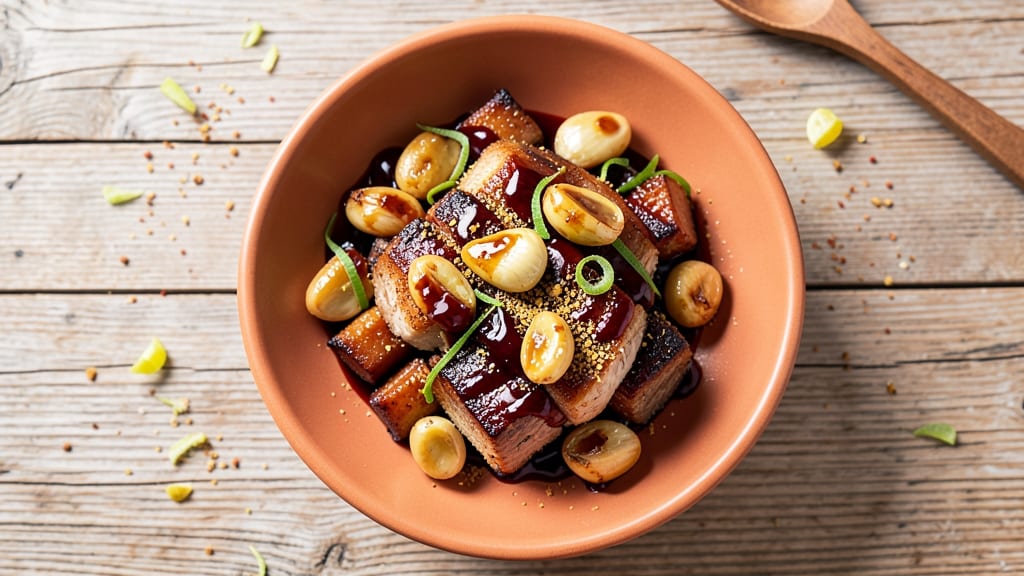
This beef bao filling recipe delivers juicy, tender pork belly that transforms simple bao buns into a restaurant-worthy dish. The secret lies in a five-spice glaze that caramelizes beautifully while keeping the meat impossibly moist—no dry, chewy results here.
I developed this after testing countless variations, and the difference between good and exceptional bao filling comes down to precise seasoning and cooking technique.
What sets this recipe apart is the char siu-style marinade combined with a quick stir-fry that locks in flavor while rendering fat for that signature glossy finish.
You'll start with pork belly cut into thin strips, then marinate in a blend of soy sauce, honey, and five-spice powder—this combination creates depth that stands up to the soft bao dough. The stir-fry happens in just 5 minutes, ensuring the meat stays tender while developing a caramelized crust.
By the time you're ready to assemble, you'll have shredded pork belly that's sticky, aromatic, and packed with layers of sweet-savory flavor. The filling holds together beautifully when steamed in bao buns, creating those perfect little pockets of juicy goodness.
This isn't just filling—it's the star of your meal, designed to be paired with fluffy steamed buns and a side of pickled vegetables for balance.
The best part? This recipe scales effortlessly—make a big batch and freeze portions for quick bao nights all week. Whether you're serving as part of a brunch spread or a casual dinner, the five-spice glaze ensures every bite tastes like it came from a bustling Asian street market.
Let's get cooking—your bao game is about to level up.
Ingredients for beef bao filling
Pork belly, five-spice powder, and soy sauce—these three ingredients transform simple bao buns into restaurant-quality bites.
| Ingredient | Amount | Notes |
|---|---|---|
| Pork Belly 🥓 | 1 ½ lb | Thinly sliced into strips |
| Soy Sauce 🍶 | ½ cup | Kikkoman preferred for depth |
| Honey 🍯 | ¼ cup | For caramelized glaze |
| Five-Spice Powder 🌶️ | 2 tbsp | Toasted for aromatic punch |
| Garlic Cloves 🧄 | 6 cloves | Minced for marinade |
| Ginger Root 🌿 | 1 tbsp | Freshly grated, aromatic |
| Sesame Oil 🫒 | 1 tbsp | Toasted for nutty depth |
| Neutral Oil 🫒 | 2 tbsp | Vegetable or canola |
| Brown Sugar 🍚 | 2 tbsp | For caramelization |
| Green Onions 🧅 | ¼ cup | Chopped, for garnish |
| Salt 🧂 | 1 tsp | Diamond Crystal preferred |
| Black Pepper 🌶️ | ½ tsp | Freshly cracked |
The pork belly is non-negotiable—thinly sliced strips render fat beautifully for that signature glossy finish. Look for well-marbled cuts at Asian markets or the butcher counter; Costco often carries pre-sliced pork belly that saves time. Five-spice powder should be toasted in a dry pan for 30 seconds before using—this activates its aromatic oils. Fresh ginger and garlic are essential here; frozen or powdered won't give the same depth. For the soy sauce, Kikkoman or Pearl River Bridge brands are my go-to—they've got that perfect balance of salt and umami.
No five-spice powder? Mix 1 tsp cinnamon, 1 tsp fennel seeds, 0.5 tsp cloves, 0.5 tsp star anise, and 0.5 tsp black pepper—it's a solid substitute. Running low on honey? Maple syrup works at a 1:1 ratio, though it has a slightly different caramelization profile. The sesame oil is non-negotiable for that nutty aroma, but if you're avoiding it, toasted sesame seeds at the end add a similar touch. For a deeper marinade, add 1 tbsp rice vinegar—it brightens the flavors without overpowering. And if you're short on time, pre-sliced pork belly from the freezer aisle works just as well as fresh.
Marinated pork belly keeps 3 days in the fridge—the flavors only get better as they meld. For longer storage, freeze the marinated strips for up to 3 months; thaw overnight in the fridge before cooking. The cooked filling reheats beautifully—steam it in a pot with a splash of water for 5-7 minutes until warmed through. I always make extra and freeze portions in single-serving bags so I can quickly assemble bao for breakfast or brunch. The glaze thickens as it cools, so if it seems too stiff, warm it gently with a splash of water before using.
Why You'll Love This Recipe
- One-Pan Magic: I swear by this—just sear the pork belly, toss in the garlic and five-spice, then let the soy and honey work their magic. No chopping, no fuss, and the kitchen stays clean.
- Sweet-Savory Crunch: That honey-soy glaze? It caramelizes into something addictive—sticky, smoky, with a hint of warmth from the five-spice. The pork belly stays tender while the edges get just crispy enough.
- Bao Buster: Between us, this filling is the reason bao buns become my go-to breakfast or late-night snack. It’s rich enough for brunch but simple enough to throw together when I’m starving at midnight.
- Budget-Friendly Feast: Pork belly stretches far when you render the fat, and the spices cost pennies. I make a double batch, freeze half, and still have leftovers that disappear in days—no sad fridge scraps here.
Step-by-step instructions for juicy shredded pork belly bao filling
Here's how to transform simple ingredients into melt-in-your-mouth pork belly filling that's perfectly tender and infused with aromatic five-spice glaze.
Marinate the Pork Belly for Maximum Flavor
In a large bowl, combine the 1.5 lb pork belly strips with 0.5 cup soy sauce, 2 tbsp five-spice powder, 6 cloves minced garlic, 1 tbsp freshly grated ginger root, 1 tsp salt, and 0.5 tsp black pepper. Use your hands to massage the marinade into the pork belly, ensuring every strip is thoroughly coated. This step is crucial for tenderizing the meat and infusing it with deep, complex flavors.
Cover the bowl with plastic wrap and refrigerate for at least 4 hours, or preferably overnight. The longer it marinates, the more flavorful and tender the pork belly will become. I've found that overnight marinating makes a noticeable difference in both texture and taste.
Render Fat and Cook Pork Belly Until Fork-Tender
Heat a large skillet or wok over medium heat and add 2 tbsp neutral oil. Once the oil is shimmering, add the marinated pork belly in a single layer. Cook undisturbed for 5 minutes to allow the meat to develop a good sear on one side before gently flipping. This initial searing creates a flavorful crust while keeping the interior juicy.
Continue cooking for 15-20 minutes, stirring occasionally, until the pork belly is 80% cooked and beginning to pull apart easily. The fat should render out and create a fragrant, golden pool in the pan. If the pan becomes too dry, add a splash of water and cover to steam the pork belly gently. This prevents the meat from drying out while it cooks through.
Create the Five-Spice Glaze and Finish Cooking
Increase the heat to medium-high and add 2 tbsp brown sugar, 0.25 cup honey, and 1 tbsp toasted sesame oil to the skillet with the pork belly. Stir to combine, letting the mixture caramelize and create a glossy glaze. This step is where the magic happens—the sweet and savory flavors meld together beautifully.
Cook for an additional 5-7 minutes, stirring frequently, until the pork belly is completely tender and can be easily shredded with two forks. The glaze should coat the pork belly evenly, giving it that signature sticky, caramelized appearance. If the glaze becomes too thick, add a splash of water to loosen it.
Rest and Shred for Perfect Texture
Transfer the pork belly and all the glaze to a cutting board and let it rest for 5 minutes. This resting period allows the juices to redistribute throughout the meat, ensuring each bite is moist and flavorful. While the pork belly rests, chop the 0.25 cup green onions for garnish.
Using two forks, shred the pork belly into bite-sized pieces. The meat should be tender enough to pull apart easily, with no resistance. If there are any particularly tough pieces, return them to the skillet with a splash of water and cook for another 2-3 minutes until fully tender. The final filling should be a perfect balance of juicy, tender pork belly and rich, aromatic glaze.
Pro Tips For Making Beef Bao Filling
- CRANK THE HEAT FIRST: Start your pork belly searing over maximum heat until it’s deep golden—no rushing this. I used to skip it, and the filling ended up greasy instead of caramelized. Once it’s browned, pull it off the pan and let it rest while you prep the rest; that’s when the flavors meld.
- SALT THE BELLY 24 HOURS EARLY: Generously coat the pork belly with salt the night before—it keeps it juicy and helps render fat easier. I learned this the hard way after a batch turned out dry; the salt draws out moisture, which cooks off later. Pat it dry before cooking, or you’ll steam it instead of sear it.
- STOP WHEN IT’S 160°F: Use a meat thermometer—pull the pork belly at 160°F internal temp, not when it looks done. It’ll carryover cook to 165°F, and overcooking turns it chewy. Rest it 10 minutes under foil before shredding; that’s when it gets tender, not before.
- SHRED WITH TWO FORKS: After cooking, let the pork belly cool slightly (just until you can handle it), then shred with two forks—one to anchor, one to pull. I tried knives first, and it turned into ground meat. The forks give you long, pull-apart strands that soak up the soy-honey glaze better.
Troubleshooting perfect results
Pork Too Tough?
If your pork belly turns out chewy rather than tender, you likely didn't cook it long enough. The key is patience—pork belly should cook until it's 80-90% done before adding the glaze. I've found that 25-30 minutes total at medium heat (with occasional flipping) is ideal.
For extra tenderness, add 2 tbsp water to the pan during the last 5 minutes of cooking and cover to steam gently. This mimics the braising technique used in traditional char siu. 💡
Glaze Too Thin?
A runny glaze happens when there's too much liquid in the pan. If your glaze isn't coating the pork properly, reduce the heat to low and let it simmer uncovered for 3-5 minutes to thicken naturally.
For an instant fix, mix 1 tsp cornstarch with 1 tbsp water, stir into the pan, and cook for 1 minute until slightly thickened. Avoid adding too much sugar—stick to the 2 tbsp brown sugar measurement in the recipe.
Fat Not Rendering?
If your pork belly isn't releasing fat properly, it's likely because the strips are too thick. For best results, slice the pork belly into strips no thicker than ¼ inch. If you're using pre-sliced pork belly from the store, check the packaging—some brands sell it pre-cut for bao fillings.
Cook the pork belly in batches if needed to avoid overcrowding the pan. A 12-inch cast iron skillet works best for this recipe, as it provides enough surface area for even fat rendering. 🔥
Flavor Too Mild?
Weak flavors usually mean insufficient marinating time. While 4 hours works, I recommend marinating overnight for maximum depth. If you're short on time, increase the five-spice powder to 3 tbsp and add 1 tbsp rice vinegar to the marinade for brightness.
For an extra punch, toast the five-spice powder in a dry pan for 1 minute before adding it to the marinade—this intensifies its aroma. Fresh ginger and garlic are non-negotiable here; frozen or powdered versions won't provide the same impact.
Pork Sticking Together?
If your shredded pork belly clumps instead of separating cleanly, it's likely overcooked. The meat should be fork-tender but not falling apart before shredding. For better separation, add 1 tbsp water to the pan during the final 2 minutes of cooking to create steam.
When shredding, use two forks to pull the meat apart gently rather than cutting through it. If you're assembling bao, pack the filling loosely into the dough to prevent overstuffing—this helps the meat stay distinct. ✨
Nutrition facts
Frequently asked questions
Can I use chicken or beef instead of pork belly for bao filling?
While pork belly is traditional for its rich fat content, you can use chicken thighs (bone-in for moisture) or beef chuck (cut into thin strips). For chicken, marinate for 2 hours and cook until 165°F internal temp. For beef, use 1.5 lb beef chuck, marinate 6-8 hours, and cook until fork-tender (180°F). The fat content differs, so adjust the glaze—use 1 tbsp extra honey for beef to compensate for lower natural moisture.
How do I store leftover bao filling?
Store cooked filling in an airtight container in the fridge for 4-5 days. For longer storage, freeze in single-serving portions for up to 3 months. To reheat, steam in a pot with 1 tbsp water for 5-7 minutes until warmed through. Never microwave directly—it makes the filling rubbery. For best texture, reheat gently until just warm, then let it sit covered for 2 minutes before serving.
Can I make this filling ahead of time?
The marinade can sit 3 days in the fridge or 3 months in the freezer. For the cooked filling, it's best made 1 day ahead—the flavors deepen as the glaze sets. If making ahead, store in the fridge and reheat gently before assembling bao. Pro tip: The filling tastes even better the next day as the five-spice flavors meld. Just add a splash of water when reheating to restore moisture.
What's the best way to assemble bao with this filling?
Use 1-2 tbsp filling per bao—overstuffing causes bursting. Pack filling loosely into the dough center, then seal tightly with a pinch of dough on top. For traditional presentation, steam bao in a bamboo basket lined with parchment paper (prevents sticking). Steam for 10-12 minutes until golden brown. For extra flavor, brush bao with egg wash before steaming. Serve warm with pickled vegetables or chili oil for balance.
Can I make this filling without five-spice powder?
Yes! Mix 1 tsp cinnamon + 1 tsp fennel seeds + 0.5 tsp cloves + 0.5 tsp star anise + 0.5 tsp black pepper as a substitute. Toast the spices in a dry pan for 1 minute to intensify flavors. For a simpler version, use 1 tbsp smoked paprika + 0.5 tsp garlic powder. The glaze will still caramelize beautifully, though the aromatic depth will differ slightly. Adjust honey to 0.3 cup if using this substitute to compensate for reduced spice complexity.