
Soups & Stews
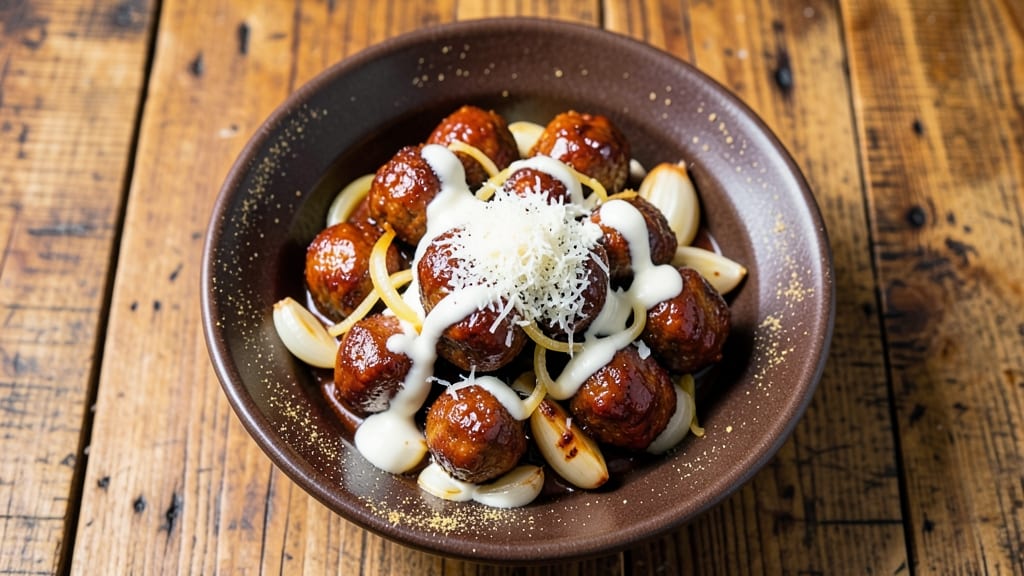
This beef ball tip recipe transforms tough beef into melt-in-your-mouth meatballs with a rich, slow-braised sauce that clings to every bite.
The secret lies in grinding the beef tips finely and binding them with just the right amount of egg and parmesan, creating tender, juicy meatballs that practically dissolve when you cut into them.
This method builds deep, savory flavors over time, making it perfect for feeding a crowd or meal prepping for the week.
What sets these meatballs apart is the slow-browning technique, where you sear the meatballs in batches to develop a caramelized crust before simmering them in a rich tomato-based sauce.
This approach ensures each bite delivers both texture and flavor—crisp edges and tender centers, all coated in a velvety sauce that's impossible to resist. The result is a dish that feels indulgent yet balanced, with every component working together harmoniously.
By the time you finish, you'll have a pot of fall-apart beef meatballs swimming in a flavorful sauce that's perfect for serving over pasta, mashed potatoes, or even as a standalone dish with crusty bread.
The sauce thickens beautifully as it simmers, creating a rich, hearty consistency that pairs perfectly with the tender meatballs. This recipe is designed to impress, whether you're cooking for family or hosting dinner guests.
The beauty of this method is its versatility—you can adjust the seasoning to suit your taste, whether you prefer a classic Italian ragù or a spicy Asian-inspired glaze.
The key is patience, as the slow cooking process allows the flavors to meld and deepen, resulting in a dish that tastes even better the next day. Let's get started on creating these tender, flavorful meatballs that will become a staple in your recipe collection.
Ingredients for beef ball tip
Sixteen ingredients for melt-in-your-mouth beef meatballs with rich, slow-braised sauce.
| Ingredient | Amount | Notes |
|---|---|---|
| Beef Tips 🥩 | 2 lb | Finely ground, chilled before shaping |
| Large Eggs 🥚 | 2 whole | Room temperature for even binding |
| Parmesan Cheese 🧀 | ½ cup | Freshly grated, fine texture |
| All-Purpose Flour 🌾 | ½ cup | For breading meatballs |
| Garlic Cloves 🧄 | 4 cloves | Minced for sauce base |
| Yellow Onion 🧅 | 1 whole | Diced, medium size |
| Canned Crushed Tomatoes 🍅 | 2 cups | San Marzano preferred |
| Tomato Paste 🍅 | 2 tbsp | Smooth texture for richness |
| Dry Red Wine 🍷 | ½ cup | Bold variety like Cabernet |
| Beef Broth 💧 | 1 ½ cups | Low-sodium preferred |
| Olive Oil 🫒 | 2 tbsp | Extra-virgin for frying |
| Dried Oregano 🌿 | 1 tsp | Italian variety preferred |
| Dried Basil 🌿 | 1 tsp | Or 1 tbsp fresh basil |
| Ground Black Pepper 🌶️ | 1 tsp | Freshly cracked preferred |
| Salt 🧂 | 1 ½ tsp | Kosher or sea salt |
The beef tips make or break this recipe. Look for finely textured cuts at your butcher or grocery store meat counter—they should feel tender when pressed. Costco and Whole Foods often carry pre-ground beef tips, but if you're buying whole, ask for the leanest cut available. Chill the meat for 30 minutes before grinding to prevent greasy meatballs. The Parmesan needs to be freshly grated—pre-grated clumps up and doesn't melt right. For the wine, any bold red works here—Cabernet, Merlot, whatever's open in your fridge.
No red wine? Beef broth with a splash of balsamic vinegar gets you close. Fresh basil is ideal but dried works at one-third the amount. If you're short on time, those squeeze tubes of tomato paste at Trader Joe's are perfect—no waste, keeps for months. The crushed tomatoes can be any good brand, but San Marzano has the best flavor. For the meatballs, I always use a mix of flour and Parmesan for breading—it gives that perfect crispy crust without being too heavy. If you're making a big batch, double the sauce ingredients and keep them separate until needed.
This sauce tastes even better the next day—honestly, it's worth making a double batch. Keeps 4-5 days in the fridge, freezes for 3 months. I portion mine into containers so lunches are sorted for the week. For the meatballs, shape them into 1-inch balls and chill for 15 minutes before browning—this helps them hold their shape. The sauce thickens as it simmers, so if it's too thin, let it reduce uncovered for 5-10 minutes. Leftovers reheat beautifully—just warm through on the stove with a splash of water or broth.
Why You'll Love This Recipe
- One-Pan Magic: I swear by this for nights when I’d rather not wash a million dishes. Toss the beef tips in flour, dip in beaten egg, then coat with Parmesan—no fancy equipment, just a sheet pan and 20 minutes. The garlic cloves roast right alongside, infusing everything with that golden, aromatic punch.
- Crispy-Creamy Magic: That first bite? Pure satisfaction. The outside gets gloriously crispy from the flour and egg wash, while the inside stays tender—like a little hug for your taste buds. Add the Parmesan, and suddenly you’ve got that salty, umami depth that makes it feel fancy without the effort.
- Weeknight to Party: Honestly, this is my go-to when I need something that works for both Tuesday dinners and weekend gatherings. Serve it over pasta for a quick meal, or pile it high on toast with a fried egg for brunch. The leftovers? Even better reheated the next day—no one will guess it’s not fresh.
- Budget-Friendly Protein: Beef tips might sound fancy, but they’re actually one of the most affordable cuts when you buy them in bulk. A single batch feeds four, and the eggs and Parmesan stretch it further—no wasted ingredients here. Plus, the flavor is so rich, you’ll forget you’re not serving steak.
Step-by-step instructions for beef ball tips with rich tomato braise
Here's how to transform simple beef tips into melt-in-your-mouth meatballs with a velvety wine-tomato sauce.
Shape and Bread the Beef Tips
Take the 2 lb beef tips from the refrigerator and let them sit at room temperature for 10 minutes. This helps them hold their shape better when forming. In a large bowl, combine the 2 whole large eggs, 0.5 cup all-purpose flour, 1.5 tsp salt, and 1 tsp ground black pepper. Mix until smooth and well combined.
Gently fold in the beef tips using your hands or a wooden spoon, being careful not to overmix. The mixture should be moist but not sticky. Roll the beef mixture into 1-inch balls, about 6 total, and place them on a plate. For extra flavor, toss each meatball in the 0.5 cup freshly grated parmesan cheese before placing them back on the plate. This creates a flavorful crust that seals in moisture during cooking.
Brown the Meatballs for Depth of Flavor
Heat 1 tablespoon of the 2 tbsp olive oil in a large skillet over medium-high heat until shimmering. Working in batches to avoid crowding, add the meatballs to the skillet and cook for 2-3 minutes per side until they develop a golden-brown crust. This step is crucial—it builds flavor through the Maillard reaction and prevents the meatballs from turning out dry.
Remove the meatballs and set them aside on a plate. If the oil starts to smoke or the meatballs brown too quickly, reduce the heat slightly. You want a gentle sizzle, not a flame. Keep the browned bits in the pan—they'll form the foundation of your sauce later.
Build the Rich Tomato-Wine Sauce
In the same skillet, add the remaining 1 tablespoon olive oil and reduce heat to medium. Add the 1 whole yellow onion and cook for 3-4 minutes until softened. Stir in the 4 cloves minced garlic and cook for 30 seconds until fragrant. Be careful not to let the garlic burn—it should just perfume the oil.
Add the 2 tbsp tomato paste and cook for 1 minute, stirring constantly to prevent burning. Pour in the 0.5 cup dry red wine and scrape up any browned bits from the bottom of the pan. Let the wine simmer for 2-3 minutes until reduced by half. This step deepens the sauce's flavor and removes the alcohol.
Simmer with Tomatoes and Herbs
Stir in the 2 cups canned crushed tomatoes, 1.5 cups beef broth, 1 tsp dried oregano, and 1 tsp dried basil. Return the meatballs to the skillet, spooning the sauce over them to coat evenly. Bring the mixture to a gentle simmer, then reduce heat to low. Cover the skillet and let it cook for 1 hour, stirring occasionally to prevent sticking.
After 1 hour, the meatballs should be tender but still hold their shape. If the sauce reduces too quickly, add a splash of water or broth to maintain consistency. The sauce should coat the back of a spoon and cling beautifully to the meatballs. This slow cooking ensures the beef becomes fork-tender while developing rich, complex flavors.
Finish and Serve with Perfect Texture
Once the meatballs are fork-tender (they should pull apart easily but still have some structure), remove the skillet from heat. Let the sauce sit for 5 minutes to thicken slightly, then adjust seasoning if needed. The meatballs should be juicy and flavorful, with a sauce that's rich but not overly thick.
Serve immediately over your choice of pasta or with crusty bread to soak up every last bit of that delicious sauce. Each bite should deliver tender beef, bold tomato-wine flavors, and herbs that complement perfectly. This dish tastes even better the next day as the flavors meld together, so consider making extra for leftovers.
Pro Tips For Making Beef Ball Tip
- Trim the Fat First: Cut off those silvery fat streaks from the beef tips before breading—I learned this the hard way when my first batch turned greasy instead of crispy. A quick wipe with paper towels after trimming removes excess moisture too, so the coating sticks better.
- Pulse the Garlic: Skip the minced garlic—pulse 3-4 cloves in a food processor until you get a rough paste. This distributes the flavor evenly without burning, and it blends right into the breading mix without clumping. (Yes, even if you’re impatient like me.)
- Double-Coat the Eggs: Dip the breaded tips in beaten egg twice, letting excess drip off between coats. The first layer seals the flour, and the second adds that golden crust you’re after. I used to skip this, and the result was always sad, half-breaded lumps.
- Sear in Batches: Crowd the pan, and you’ll steam the beef instead of sear it. Work in batches—2-3 minutes per side in a hot, oiled skillet—until the edges are deep brown. Undercooked centers? They’ll finish in the oven, but the crust won’t recover. Trust the process.
Storing and reheating your leftovers
Refrigerator Storage
Store your cooked beef meatballs and sauce in an airtight container for up to 4-5 days—the flavors actually deepen overnight. I use glass Pyrex containers with snap-on lids because they're sturdy and don't absorb odors.
Divide the meatballs and sauce separately if you plan to reheat them individually, as the sauce can get watery when reheated alone. 💫
Freezer Storage
For long-term storage, freeze the meatballs and sauce in single-serving portions—I use quart-sized freezer bags with 1 inch of headspace for expansion. Label with the date and freeze for up to 3 months.
Thaw overnight in the fridge before reheating. The sauce may thicken slightly after freezing, so add a splash of water or beef broth when reheating. ❄️
Stovetop Reheating
My favorite method is reheating on the stovetop to preserve texture. Place the meatballs and sauce in a skillet over medium-low heat, add 2 tbsp water or beef broth, and simmer for 5-7 minutes until heated through.
Stir occasionally to prevent sticking, and adjust seasoning with a pinch of salt or pepper if needed. The sauce should cling beautifully to the meatballs again. 🔥
Microwave Reheating
For quick meals, microwave individual portions covered with a damp paper towel on 70% power for 2-3 minutes. Stir halfway through, then continue in 30-second intervals until reaching 165°F internal temperature.
Add a splash of water or broth if the sauce looks dry—this helps restore its velvety consistency. 💡
Oven Finishing
If you prefer crispy edges, transfer the meatballs and sauce to an oven-safe dish, cover with foil, and bake at 350°F for 15 minutes. Uncover and broil for 2-3 minutes to crisp the tops.
This method works well for meal prep—just reheat the sauce separately before serving to maintain its texture. 🍽️
Leftovers Magic
This dish tastes even better the next day—honestly, the sauce gets richer as it sits. I often double the recipe so I can enjoy it for lunch the following day.
If the sauce separates after reheating, stir vigorously or whisk in 1 tsp cornstarch mixed with 1 tbsp water to restore its smoothness. 💛
Nutrition facts
Frequently asked questions about beef tip meatballs
Why do your meatballs stay juicy while others turn dry?
The secret is in the finely ground beef tips and proper binding. We use 2 eggs and 0.5 cup flour to create a moisture seal, plus the slow simmering process keeps them tender. Never skip the 10-minute room temp step before shaping—this helps distribute moisture evenly.
Can I make these meatballs ahead of time?
The sauce actually improves overnight. Cook the meatballs and sauce completely, then refrigerate in an airtight container for up to 5 days. For best texture, reheat on the stovetop with 2 tbsp broth to restore moisture. The flavors meld beautifully after resting.
What's the best way to freeze these meatballs?
Freeze them in single-serving portions using quart-sized freezer bags with 1 inch headspace. Thaw overnight in the fridge, then reheat on the stovetop with a splash of broth. The sauce may thicken after freezing—just add water when reheating. Label with dates for up to 3 months of storage.
Can I substitute regular ground beef for beef tips?
Technically yes, but you'll lose the tender texture and rich flavor. Beef tips are leaner and more flavorful than 80/20 ground chuck. If substituting, use 90% lean ground beef and add 1 tbsp olive oil to the mixture to compensate for lost fat. The result won't be quite as tender but will still be delicious.
How do I prevent the meatballs from falling apart?
Overmixing is the #1 cause! Handle the meat gently when combining ingredients, and avoid pressing too hard when shaping. Chill the formed meatballs for 15 minutes before browning to help them hold together. If they still crumble, add 1 tbsp breadcrumbs to the mixture for extra structure.