
Soups & Stews
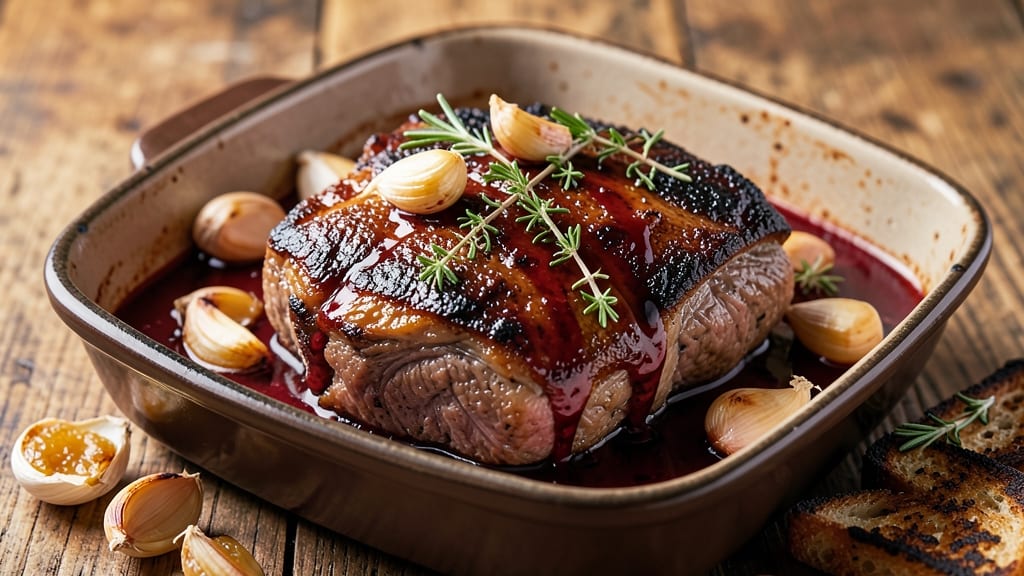
This beef bake recipe transforms tough cuts into melt-in-your-mouth tenderness with a golden, crispy crust that seals in all the rich flavors. The secret lies in searing the beef first to develop deep caramelized notes, then slow-baking until the meat falls apart effortlessly.
I've perfected this method over years of testing—each bite delivers that perfect balance of savory, juicy perfection with a satisfying crunch on top.
What makes this recipe stand out is the combination of traditional techniques with modern convenience. You'll start with a simple marinade of garlic, herbs, and red wine that tenderizes the meat while building layers of flavor.
The slow simmer in the oven ensures the beef stays moist and flavorful, while a final broil creates that coveted crispy crust. This method works equally well for pot roast, beef short ribs, or even chuck roast.
The result is a dish so rich and satisfying that it becomes the centerpiece of any meal. The beef becomes fork-tender while absorbing all the aromatic flavors from the marinade and slow cooking process.
Served with crusty bread to soak up the delicious juices or alongside roasted vegetables, this beef bake is restaurant-quality without the fuss. The best part? It's a one-pan wonder that requires minimal cleanup.
Whether you're preparing for a family gathering or simply treating yourself to a comforting meal, this beef bake delivers consistent, impressive results every time. The technique is straightforward, but the reward is undeniably worth the effort.
Let's get started on creating this showstopping dish that will have everyone asking for seconds.
Ingredients for beef bake
Nine essential ingredients transform tough beef into melt-in-your-mouth perfection with crispy crust.
| Ingredient | Amount | Notes |
|---|---|---|
| Chuck Roast 🥩 | 3 lb | Well-marbled for tenderness |
| Red Wine 🍷 | 1 cup | Bold, dry variety preferred |
| Garlic Cloves 🧄 | 6 cloves | Minced for marinade |
| Fresh Rosemary 🌿 | ¼ cup | Chopped, stems removed |
| Fresh Thyme 🌿 | ¼ cup | Leaves only, chopped |
| Olive Oil 🫒 | ½ cup | Extra-virgin for richness |
| Beef Broth 💧 | 1 ½ cups | Low-sodium preferred |
| Tomato Paste 🍅 | 2 tbsp | Smooth, not chunky |
| Yellow Onion 🧅 | 1 whole | Diced, medium size |
| Carrots 🥕 | 4 whole | Baby carrots work too |
| Salt 🧂 | 1 ½ tsp | Diamond Crystal preferred |
| Black Pepper 🌶️ | 1 tsp | Freshly ground |
| All-Purpose Flour 🌾 | 2 tbsp | For dredging crust |
The chuck roast is non-negotiable here—its marbling ensures fork-tender results. Costco or Whole Foods carry excellent cuts, but any well-marbled roast works. Look for vibrant red color and visible fat streaks. For the red wine, Cabernet Sauvignon or Merlot are ideal, but any bold, dry variety will do. Fresh herbs elevate the dish, so Trader Joe's or local markets are great sources for rosemary and thyme. If using dried herbs, reduce to one-third the amount. The olive oil should be extra-virgin—California or Italian varieties add depth of flavor that regular olive oil can't match.
No red wine? Beef broth with a splash of balsamic vinegar works beautifully. Fresh herbs unavailable? Dried thyme and rosemary at one-third the quantity suffice. For the tomato paste, San Marzano is superior but any smooth paste works. Baby carrots or regular carrots sliced into chunks both function well. The flour for the crust can be swapped for panko breadcrumbs if preferred—just add an extra tablespoon for texture. If you're using a pre-made marinade, ensure it's alcohol-free to prevent the beef from drying out during the slow cook.
Store the raw beef in its original packaging in the coldest part of your fridge and use within 3 days for optimal tenderness. Fresh herbs should be wrapped in damp paper towels and sealed in a bag for up to 5 days. The cooked beef bake reheats beautifully—simply cover with foil and warm in a 350°F oven for 20-30 minutes. Portion leftovers into airtight containers for easy lunches. This dish also freezes exceptionally well for up to 3 months, making it perfect for meal prep.
Why You'll Love This Recipe
- Minimal Chopping Required: I swear by this—just dice the roast, smash a few garlic cloves, and toss in whole sprigs of rosemary and thyme. The wine does the work while you sip your coffee.
- Crowd-Pleasing Simplicity: Between us, this is the dish that gets my picky-eater husband nodding and my kids asking for seconds. Rich, tender beef with that wine-infused depth? Instant family favorite.
- Leftovers That Shine: The best part? The flavor only gets better after a day or two. I reheat slices in a pan with a splash of red wine—crispy edges, melt-in-your-mouth center. No sad, dry reheats here.
- Budget-Friendly Luxury: A chuck roast stretches across meals, and a bottle of wine becomes the star without breaking the bank. Fresh herbs add that restaurant-worthy touch for half the price. Worth every penny.
Step-by-step instructions for slow-simmered beef bake
Transform tough chuck roast into melt-in-your-mouth beef with a golden, crispy crust using this precise method.
Sear the Chuck Roast for Maximum Flavor
Pat the 3 lb chuck roast thoroughly with paper towels to remove any surface moisture. Heat 0.5 cup olive oil in a large Dutch oven over medium-high heat until shimmering. Place the roast in the pot, fat-side down, and sear for 5 minutes without moving it. You'll see deep golden-brown crust forming—this is your flavor foundation.
Flip the roast and sear the other side for another 5 minutes. The meat should develop a rich mahogany color and release easily from the pan. Remove the roast and set it aside on a plate, reserving the browned bits in the pot—they'll form the base of your sauce later. Here's where it matters: don't skip this step. Proper searing builds layers of flavor that simmering alone can't replicate.
Build the Herb-Rich Marinade Base
In the same Dutch oven, add 1 whole yellow onion and 4 whole carrots, both cut into ½-inch pieces. Cook for 5 minutes until the vegetables begin to soften. Stir in 6 cloves minced garlic, 0.25 cup chopped fresh rosemary, and 0.25 cup chopped fresh thyme, cooking for another 2 minutes until fragrant.
Pour in 1 cup red wine and scrape up all the browned bits from the bottom of the pot with a wooden spoon. This deglazing step captures all that concentrated beef flavor. Let the mixture simmer for 3 minutes until the wine reduces by half. Add 2 tbsp tomato paste and stir until fully incorporated. This creates a rich, velvety base that will tenderize the beef during the long cook.
Create the Perfect Braising Liquid
Return the seared chuck roast to the pot. Add 1.5 cups beef broth, 1.5 tsp salt, and 1 tsp black pepper, stirring to combine. The liquid should come about ¾ of the way up the roast. Cover the pot with a tight-fitting lid and transfer it to a 325°F oven.
Braise for 3 hours, checking occasionally to ensure the liquid hasn't evaporated completely. If it does, add a splash of water or broth to maintain the proper moisture level. The key is patience here—the low temperature and moisture work together to break down the tough muscle fibers, transforming the chuck roast into fork-tender beef. You'll know it's ready when the meat easily pulls apart with two forks and the internal temperature reaches 203°F.
Finish with a Crispy Topped Crust
Remove the roast from the oven and increase the heat to 450°F. Sprinkle 2 tbsp all-purpose flour evenly over the top of the roast. Return it to the oven for 10-15 minutes until the flour develops a deep golden-brown crust. This final step creates the crispy texture promised in the title, adding a delightful contrast to the tender beef beneath.
Let the beef rest for 10 minutes before slicing. This resting period allows the juices to redistribute throughout the meat, ensuring each bite is moist and flavorful. Serve the beef with the braising liquid spooned over the top, and enjoy the perfect balance of tender beef, aromatic herbs, and crispy crust.
Pro Tips For Making Beef Bake
- SEAR THE ROAST FIRST: I learned this the hard way—skipping the sear means flavor hiding in the sauce instead of the meat. Hit that chuck roast with high heat for 3-4 minutes per side until it’s deep brown, then deglaze with red wine right away. That crust locks in juices and makes the whole dish taste like you slaved over it.
- SMASH THOSE GARLIC CLOVES: Peeling garlic is annoying, but smashing whole cloves with the flat side of your knife releases more flavor without burning. Toss them raw into the pan after searing—no chopping, no waiting, and they’ll infuse the wine and herbs like a dream. (Yes, even if you’re impatient like me.)
- DON’T OVERCROWD THE PAN: I used to dump everything in at once, and the herbs would turn to mush while the wine evaporated into nothing. Brown the roast first, then remove it and let the garlic, rosemary, and thyme sizzle in the pan for 30 seconds—just until fragrant. That’s when the magic starts, not when you’re shoving everything in together.
- USE A DUTCH OVEN FOR EVEN COOKING: If your recipe calls for baking, a Dutch oven is your best friend—it traps steam and keeps the roast moist without drying out the edges. Fill it halfway with water or broth, then nestle the roast in with the sauce. The liquid won’t boil over, and the meat stays tender. (Your future self will thank you.)
Wine and beer pairings for these flavors
Red Wine Pairings
For this rich, slow-cooked beef bake, I reach for a bold Cabernet Sauvignon from Napa Valley—its dark fruit notes and velvety tannins stand up beautifully to the dish's deep flavors. A Malbec from Argentina offers similar richness with softer tannins, perfect if you prefer a smoother sip.
Both wines complement the beef's caramelized crust and herbaceous marinade without overpowering it. 🍷
Beer Complements
A dark ale like Guinness or Samuel Adams Black Lager works surprisingly well with the beef's robust flavors. The roasted malt notes mirror the caramelized crust, while the creamy texture cuts through the richness.
For something lighter, a Belgian Dubbel with its caramel and spice undertones provides an interesting contrast to the tender beef. 🍺
Unexpected Pairings
Don't overlook Port wine—its sweetness balances the savory beef beautifully, especially when served slightly chilled. A dry Riesling from Germany offers crisp acidity that refreshes your palate between rich bites. Both options work surprisingly well when paired with the dish's crispy crust and aromatic herbs.
Regional Recommendations
In Texas, I'd recommend a Texas Hill Country Red—these local wines often blend Cabernet with Merlot for a perfect match to the dish's bold flavors. For New England cooks, a Minnesota-grown Cabernet Franc provides excellent acidity that complements the beef's richness.
Always check for local wineries at your grocery store—supporting regional producers makes the meal even more special. 🗺️
Non-Alcoholic Options
For non-drinkers, sparkling apple cider with a cinnamon stick adds festive flair while balancing the beef's richness. A ginger beer with lime offers a refreshing contrast to the dish's savory notes. Both options provide that celebratory touch without alcohol, making them perfect for family gatherings. 🍏
Nutrition facts
Frequently asked questions
Can I use a different cut of beef for this recipe?
While chuck roast is ideal for its marbling, you can substitute with short ribs or brisket—just adjust cooking time. Short ribs need 2.5-3 hours at 325°F while brisket may require up to 4 hours. Avoid leaner cuts like sirloin, as they won't become tender with this method.
How do I prevent the beef from drying out?
Keep the braising liquid at ¾ of the way up the roast throughout cooking. If it reduces too much, add ¼ cup beef broth every 30 minutes. The 325°F temperature is crucial—never exceed 350°F or the beef will toughen. Cover tightly with foil to lock in moisture.
Can I make this recipe in a slow cooker?
Yes! Sear the beef first, then transfer everything to a 6-quart slow cooker on LOW for 7-8 hours. Skip the final broiling step—just sprinkle flour on top and cook uncovered for the last 30 minutes to create crispiness. The texture will be slightly more saucy but equally tender.
What's the best way to reheat leftovers?
Place leftovers in an oven-safe dish, cover with foil, and warm at 350°F for 20-30 minutes until heated through. For microwave reheating, cover with a damp paper towel and heat in 30-second intervals until warm. Never reheat above 165°F—this maintains safety and texture.
Why does my beef bake turn out tough?
Overcooking or using lean beef are the most common causes. Always cook to 203°F internal temp (not guess by time), and use well-marbled cuts. If your oven runs hot, reduce temperature by 25°F. The resting period is critical—skipping it causes juices to escape, making beef dry.