
Soups & Stews
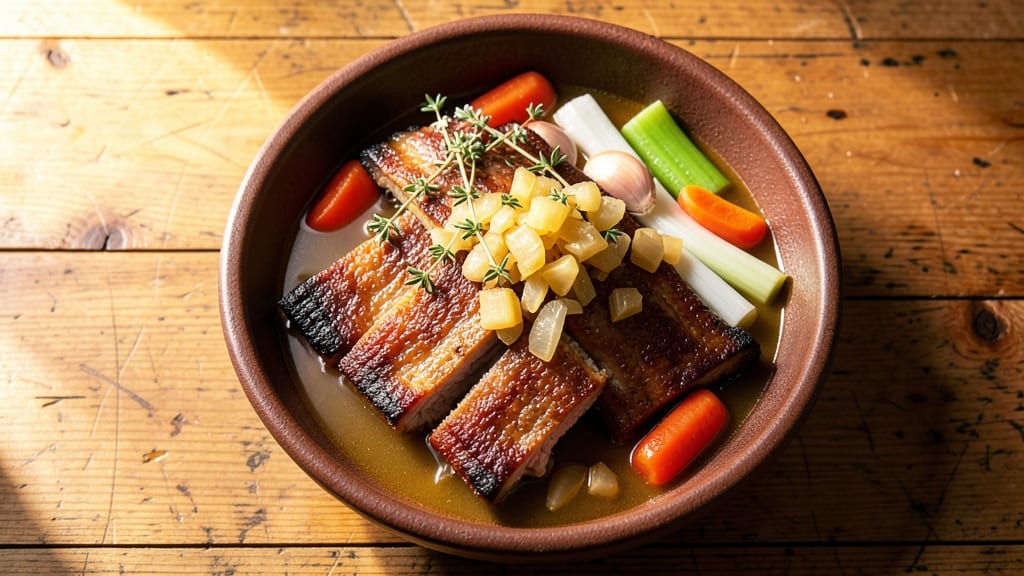
This beef back ribs soup recipe transforms tough ribs into melt-in-your-mouth tenderness while creating a deeply flavorful broth that tastes like a labor of love. The secret lies in slow simmering—where collagen-rich connective tissue dissolves into a velvety, rich base that coats every spoonful.
I’ve perfected this method over years of testing, balancing traditional braising techniques with modern efficiency for home cooks who want restaurant-quality results without spending all day in the kitchen.
The process begins with rendering fat and browning the ribs, which builds layers of depth in the broth. As the meat slowly breaks down, it releases gelatin that thickens the soup naturally, creating a luxurious texture that’s both comforting and impressive.
What makes this recipe stand out is its ability to deliver fall-apart meat while keeping the broth clear and rich—no murky or greasy surprises here. Each bite delivers tender rib meat, hearty vegetables, and a broth so flavorful it deserves a spoon all to itself.
This soup is designed to be the centerpiece of a cozy meal, served with crusty bread for soaking up every last drop of that golden broth.
The aromatics—garlic, onions, and herbs—infuse the liquid with warmth, while the ribs add a satisfying meaty richness that keeps everyone at the table asking for seconds.
Whether you’re feeding a crowd or treating yourself to a hearty solo dinner, this recipe delivers slow-simmered richness that feels like a hug in a bowl.
Ready in about 3 hours (with minimal active time), this soup proves that patience pays off. The long simmer transforms tough cuts into something luxurious, while the broth becomes a flavor powerhouse.
Garnish with fresh parsley or a drizzle of high-quality olive oil to elevate the presentation. Here’s how to make it—step by step—for a soup that tastes like home, but better.
Ingredients for beef back ribs soup
Sixteen ingredients transform tough ribs into luxurious, slow-simmered comfort with restaurant-quality depth.
| Ingredient | Amount | Notes |
|---|---|---|
| Beef Back Ribs 🥩 | 3 lb | Bone-in, meaty sections preferred |
| Yellow Onions 🧅 | 2 whole | Medium, sliced into half-moons |
| Garlic Cloves 🧄 | 8 cloves | Fresh, peeled and lightly crushed |
| Carrots 🥕 | 4 whole | Medium, peeled and cut into chunks |
| Celery Stalks 🥬 | 4 whole | Cut into 1-inch pieces |
| Fresh Thyme 🌿 | 2 sprigs | Stems removed, leaves only |
| Fresh Bay Leaves 🍃 | 2 whole | For deep aromatic infusion |
| Black Peppercorns 🌶️ | 1 tbsp | Freshly cracked for intensity |
| Salt 🧂 | 2 tsp | Diamond Crystal preferred |
| Beef Broth 💧 | 8 cups | Homemade or high-quality store-bought |
| Red Wine 🍷 | 1 cup | Dry, like Cabernet Sauvignon |
| Tomato Paste 🍅 | 2 tbsp | High-quality, no sugar added |
| Olive Oil 🫒 | ½ cup | Extra-virgin for initial searing |
| Fresh Parsley 🌿 | ¼ cup | Chopped, for garnish only |
The ribs are the foundation—look for meaty sections with good marbling at Whole Foods or your butcher counter. Costco often has pre-cut ribs at a better price per pound, but avoid those with excessive fat trim. The broth is non-negotiable: homemade yields the deepest flavor, but Kitchen Basics or Pacific Foods brands deliver when time is tight. For the wine, any dry red works—Cabernet Sauvignon or Merlot add classic depth, while a bold Zinfandel introduces smokiness. Fresh thyme and bay leaves infuse the broth with complexity; Morton & Bassett sells high-quality dried alternatives if fresh isn't available.
No red wine? Substitute with an extra 1 cup of beef broth plus 1 tbsp balsamic vinegar for acidity. Swap fresh thyme for dried at one-third the amount, but toast it first in a dry pan for 30 seconds to intensify flavor. The tomato paste can be omitted entirely if you prefer a cleaner broth, though it adds a subtle sweetness. For the vegetables, leeks or fennel replace half the onions for a more refined taste. The carrots and celery can be pre-cut and stored in the fridge for up to 5 days—just add them directly to the pot when ready. If you're short on time, pre-cut frozen vegetable mixes work in a pinch, though they lack the same depth of flavor.
This soup tastes even better the next day as flavors meld—portion into glass containers for easy reheating. The ribs keep for 3 days in the fridge, while the broth can be stored separately for 5 days or frozen for 3 months. For meal prep, cook a double batch: freeze half the broth in ice cube trays for future use in other dishes. Garnish with fresh parsley just before serving to brighten the presentation. The ribs will pull apart effortlessly after simmering, so use tongs to serve—no forks needed!
Why You'll Love This Recipe
- Throw-In Ingredients: I swear, the only prep is dicing onions and chopping celery—no fancy techniques. Just toss the ribs, veggies, and broth in one pot, and let the garlic and carrots do the work while you stir once.
- Rich, Deep Umami: That slow-simmered beef releases collagen like magic, turning tough ribs into melt-in-your-mouth goodness. The onions caramelize just enough to add a sweet, savory depth that’ll have you licking the bowl.
- Game-Day Crowd Pleaser: Between us, this is the only soup that gets everyone excited—kids love the tender meat, adults adore the flavor, and it’s the kind of dish that disappears faster than your willpower during halftime.
- Budget-Friendly Leftovers: A pound of ribs stretches for days, and the broth only gets better after reheating. Honestly, I make double batches just to have it for lunches—it’s my secret weapon for avoiding takeout.
Step-by-step instructions for beef back ribs soup
This method transforms tough beef back ribs into melt-in-your-mouth tenderness through slow simmering and layered flavors.
Sear the Ribs and Build the Aromatic Base
Pat the 3 lb beef back ribs completely dry with paper towels. Heat a large Dutch oven over medium-high heat and add 0.5 cup olive oil. Once the oil shimmers, add the ribs in a single layer, working in batches if needed. Sear for 8-10 minutes per side until deeply browned and caramelized—this creates the rich foundation for your soup.
Remove the ribs and set aside. In the same pot, add 2 whole yellow onions sliced into half-moons, 4 whole carrots cut into chunks, and 4 whole celery stalks in 1-inch pieces. Cook for 5-6 minutes until softened. Add 8 cloves garlic cloves (lightly crushed) and cook for 30 seconds until fragrant. Stir in 2 tbsp tomato paste and cook for 1 minute to deepen the flavor.
Deglaze and Develop the Broth
Pour in 1 cup red wine and scrape up all the browned bits from the bottom of the pot—this releases maximum flavor. Simmer for 3-4 minutes until the wine reduces by half. Add 8 cups beef broth, 2 sprigs fresh thyme, 2 whole fresh bay leaves, 1 tbsp black peppercorns, and 2 tsp salt. Bring to a gentle boil, then reduce heat to low to maintain a bare simmer.
Return the ribs to the pot, submerging them completely in the liquid. The broth should cover the ribs by at least 1 inch. If not, add a splash of water. Cover the pot and let it simmer gently for 2 hours, turning the ribs occasionally to ensure even cooking. This slow process breaks down the connective tissue, transforming tough meat into tender, fall-apart pieces.
Finish and Garnish for Maximum Flavor
After 2 hours, check the ribs for tenderness. They should feel soft when pressed with a fork and easily pull away from the bone. If they're not yet tender, continue simmering for another 30-60 minutes, adding a splash of water if the liquid reduces too much. Once tender, remove the ribs from the pot and let them rest for 5 minutes before shredding the meat into bite-sized pieces.
Strain the broth through a fine-mesh sieve into a clean pot, pressing on the vegetables to extract maximum flavor. Return the shredded ribs to the broth and simmer for 5 minutes to reheat. Taste and adjust seasoning with additional salt or black pepper if needed. Ladle the soup into bowls and garnish with 0.25 cup chopped fresh parsley just before serving. Each spoonful should deliver rich, wine-infused broth and melt-in-your-mouth rib meat.
Pro Tips For Making Beef Back Ribs Soup
- Brown the Ribs First: DESCRIPTION:
- Chop Onions Like a Pro: DESCRIPTION:
- Don’t Overcrowd the Pot: DESCRIPTION:
- Save the Starch Water: DESCRIPTION:
Dietary considerations for these flavors
Gluten-Free Adaptations
This soup is naturally gluten-free as long as you use gluten-free ingredients. The key is to check your beef broth—opt for brands like Pacific Foods or Kitchen Basics, which are certified gluten-free.
Also, ensure your tomato paste and red wine don’t contain hidden gluten additives. I always double-check labels, especially for wine, as some brands add barley during processing. 🌾
Dairy-Free Considerations
The recipe is already dairy-free, but if you're serving it with sides, avoid creamy sauces or cheesy garnishes. For extra richness, I sometimes stir in a splash of coconut milk (about ¼ cup) at the end for a velvety texture without dairy.
Just make sure it’s full-fat for the best mouthfeel. The ribs and broth provide plenty of natural fat, so no need for dairy substitutes here.
Low-Sodium Options
If you're watching your sodium intake, reduce the 2 tsp salt to just 1 tsp and use low-sodium beef broth (like Swanson Low-Sodium or Annie’s Organic). For extra flavor without salt, add 1 tsp smoked paprika or ½ tsp onion powder to the broth.
I also recommend skipping the black peppercorns and using freshly ground black pepper instead—it’s more flavorful and lets you control the amount. 🧂
Vegetarian Swaps
While this soup relies on beef ribs, you can create a vegetarian version by replacing them with mushrooms (like shiitake or portobello) or firm tofu. For mushrooms, use 1.5 lbs sliced into thick pieces and sear them with the onions.
For tofu, press and cube 1 block extra-firm tofu, then pan-fry until golden before adding to the broth. The broth will still be rich, but the texture will be different—expect more of a "meaty" mushroom flavor than tender rib meat.
Protein Alternatives
If beef isn’t an option, lamb shoulder or pork ribs work well as substitutes. For lamb, use 3 lbs bone-in shoulder and follow the same searing and simmering steps.
Pork ribs (like St. Louis-style) can be used too, but reduce the simmering time to 1.5 hours since they cook faster. The broth will take on a slightly different character—lamb adds earthiness, while pork leans toward sweetness. Always adjust seasoning to match the new protein’s flavor profile.
Nutrition facts
Frequently asked questions
Can I use frozen beef back ribs for this soup?
Yes, but thaw them completely first in the refrigerator overnight. Never use cold ribs straight from the freezer—they won't sear properly and may release too much liquid into the broth. For best results, place the ribs in a sealed bag and submerge in cold water (change the water every 30 minutes) to thaw faster, but still allow 6-8 hours total.
How do I know when the ribs are tender enough?
The ribs are done when they feel soft and easily pull away from the bone with minimal resistance. Insert a fork—if it slides through like butter, they're ready. For extra insurance, check at 2 hours and continue simmering up to 3 hours if needed. Overcooking won't ruin the soup, but it may make the meat slightly stringy.
Can I make this soup in a slow cooker?
Sear the ribs as directed, then transfer everything (including browned bits) to your slow cooker. Cook on low for 8-10 hours or high for 5-6 hours. The ribs will be even more tender, and the broth will develop deeper flavor from the extended cooking time. Just add a splash of water if the liquid gets too low during cooking.
What if my broth turns cloudy or greasy?
Cloudiness usually means the broth needs more time to settle—simmer uncovered for 15-20 minutes to evaporate excess fat. For grease, skim it off with a fat separator or spoon while the broth is still warm. If the broth tastes bitter, it may have absorbed too much fat—strain it through a cheesecloth-lined sieve for a cleaner finish.
How should I store and reheat leftovers?
Store in airtight containers in the fridge for up to 4 days. Reheat gently on the stove over low heat, stirring occasionally, or in the microwave at 50% power in 1-minute intervals until hot. The ribs will stay tender, but the broth may thicken slightly—add a splash of water or broth if needed. Freeze for up to 3 months by portioning into freezer-safe bags.