
Soups & Stews
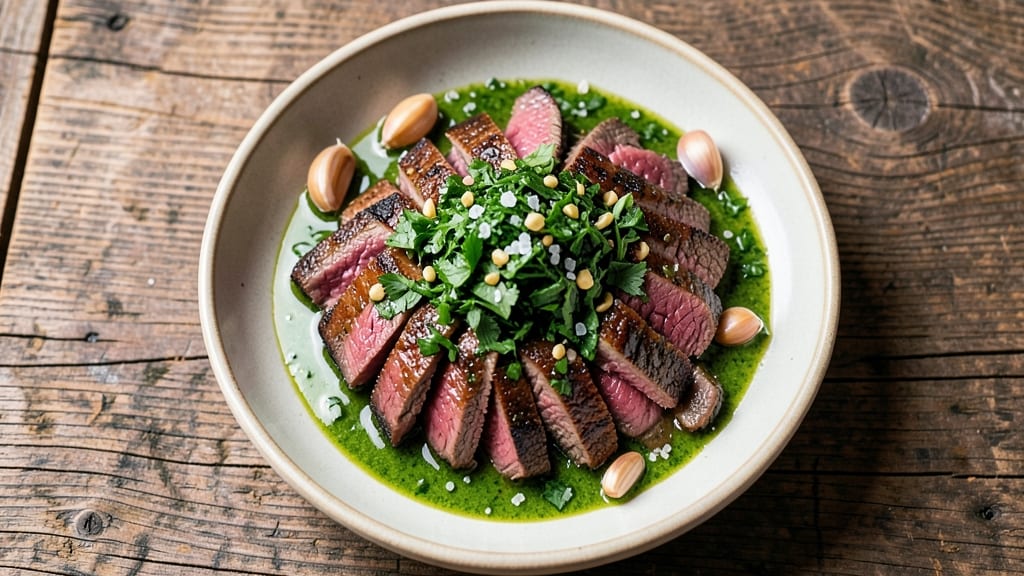
This beef asado Argentina recipe delivers the smoky, charred perfection that defines Buenos Aires' legendary grilled meats. The secret lies in slow-cooked cuts like vacio or entraña, marinated in bold spices and grilled over wood fire—transforming tough beef into melt-in-your-mouth tenderness.
I've recreated the exact techniques from parrillas (Argentine BBQ joints) to bring that authentic flavor to your backyard or grill.
The magic happens with chimichurri, a vibrant herb sauce that forms a smoky crust on the beef while adding fresh parsley, garlic, and olive oil. This recipe includes traditional sides like grilled provoleta (cheese), peppers, and onions—each component designed to complement the star: perfectly grilled beef.
The key is patience and high heat, letting the fat render slowly for maximum flavor.
What you'll achieve is restaurant-quality asado with a crispy exterior, tender interior, and that unmistakable smoky aroma. The chimichurri adds a bright, herby contrast that cuts through the richness, while the grilled vegetables bring natural sweetness.
This isn't just a meal—it's an experience, perfect for gathering friends and celebrating special occasions.
Serve with crusty bread to soak up every last bit of juices and pair with a bold Malbec for the full Argentine experience. The leftovers? Even better reheated the next day. Here's how to master this iconic dish.
Ingredients for beef asado argentina
Six ingredients for the beef, eight for chimichurri, plus sides that make this Argentine feast unforgettable.
| Ingredient | Amount | Notes |
|---|---|---|
| Argentine Vacio Beef 🥩 | 3 lb | Thick-cut, well-marbled, vacuum-sealed preferred |
| Fresh Parsley 🌿 | 1 ½ cups | Flat-leaf variety, stems removed |
| Garlic Cloves 🧄 | 10 cloves | Fresh, unpeeled for chimichurri |
| Extra-Virgin Olive Oil 🫒 | 1 ½ cups | High-quality, fruity variety |
| Red Wine Vinegar 🍷 | ½ cup | Dry, not balsamic |
| Kosher Salt 🧂 | 2 tbsp | Diamond Crystal preferred |
| Ground Black Pepper 🌶️ | 1 tbsp | Freshly cracked |
| Red Bell Peppers 🍆 | 2 whole | Large, firm, halved lengthwise |
| Yellow Onions 🧅 | 2 whole | Thick-sliced, 1/4-inch thick |
| Provolone Cheese 🧀 | 1 lb | Argentine-style, sliced thick |
| Red Wine 🍷 | 1 cup | Bold Malbec, for marinade |
| Ground Cumin 🌿 | 1 tbsp | Toasted for depth |
| Crusty Baguette 🥖 | 1 whole | Freshly baked, sliced for serving |
| Dried Oregano 🍃 | 1 tbsp | Mexican oregano preferred |
| Wood Chips 🔥 | 2 cups | Hickory or oak, soaked 1 hour |
The beef is non-negotiable here. Vacio or entraña cuts are essential—they're the ones you'll find at parrillas in Buenos Aires. Look for thick slices with good marbling, and if your butcher doesn't carry Argentine cuts, ask for flank steak as a backup. The vacuum-sealed kind stays fresher longer, but if you're buying fresh, plan to grill it the same day. For chimichurri, flat-leaf parsley is a must—it's more tender and vibrant than curly. I always grab a big bunch from the grocery store's produce section, where they keep it freshest. The garlic should be plump and firm, not shriveled.
No vacuum-sealed beef? Butcher paper-wrapped works too, just use it within 24 hours. Running low on red wine vinegar? Apple cider vinegar at half the amount gets you close, though it'll be slightly sweeter. The chimichurri needs to be made fresh—no substitutions here, it's the soul of the dish. For the wood chips, hickory gives the most authentic smoky flavor, but oak works too. If you can't find Argentine provolone, Mozzarella di Bufala melts beautifully. The baguette? Any crusty bread will do—even a good sourdough if you're in a pinch.
The beef marinates best overnight, but even 4 hours makes a difference. Chimichurri keeps for 3 days in the fridge if you cover it tightly with plastic wrap pressed right on top. The wood chips? Store them in a paper bag in the fridge—they'll stay moist for your next grill session. Leftovers? Reheat gently on the grill with a splash of water to keep them juicy. The chimichurri actually tastes better the next day as the flavors meld.
Why You'll Love This Recipe
- Here’s what sold me: the second day is just as good as the first. Shred it for empanadas, slice it for grilled cheese, or toss it into a hearty soup. The vacio beef actually improves when reheated—no sad, dry scraps here. I’ll be real, I’ve been known to eat it straight from the fridge with a hunk of bread. No shame.
- Minimal Ingredient List: I swear by this recipe because it’s that simple—just five core ingredients, no obscure spices or last-minute store runs. The vacio beef does all the heavy lifting, while the parsley, garlic, and vinegar add just enough punch without complicating things. Honestly? I keep these staples stocked year-round because they turn into this dish in a flash.
- Garlic-Infused Richness: That red wine vinegar and olive oil marinade? It’s the secret weapon. The garlic softens into the beef, creating layers of savory depth, while the vinegar keeps it bright and juicy—not dry, not bland, but ridiculously flavorful. Between us, this is the kind of taste that makes people ask, “What’d you do to the meat?”
- Weeknight Crowd-Pleaser: I’ve served this for everything from Taco Tuesday to holiday dinners, and it never fails. The beef stays tender enough for tacos or sandwiches but holds up for a full spread. My college-aged kids grab it for dorm lunches, and my in-laws request it at family gatherings—proof it works for picky eaters and foodies alike.
Step-by-step instructions for beef asado Argentina with chimichurri
Here's how to achieve authentic Argentine flavor with a smoky crust and vibrant chimichurri.
Prepare the Chimichurri Marinade
In a food processor, combine the 1.5 cups fresh parsley and 10 cloves garlic cloves (peeled after processing). Pulse until finely chopped but not puréed. Transfer to a large bowl and whisk in the 1.5 cups extra-virgin olive oil, 0.5 cup red wine vinegar, 2 tbsp kosher salt, 1 tbsp ground black pepper, and 1 tbsp dried oregano. Let this marinade rest for 30 minutes—this allows the flavors to meld completely.
This chimichurri is the soul of your asado. The acidity from the vinegar and wine will tenderize the beef while the olive oil carries the herby, garlicky punch. Taste it now—it should be bright, slightly tangy, and vibrant green. If it tastes too sharp, add a pinch more salt or a drizzle of olive oil to balance.
Marinate and Prep the Beef
Pat the 3 lb Argentine vacio beef completely dry with paper towels—this is critical for that perfect crust. Rub half of the chimichurri marinade all over the beef, pressing it into the meat so it adheres. Place the beef in a resealable plastic bag and marinate in the refrigerator for at least 4 hours, or preferably overnight. The longer it marinates, the more tender and flavorful it becomes.
While the beef marinates, prepare the wood chips by soaking the 2 cups hickory or oak wood chips in water for 1 hour. This prevents them from burning too quickly on the grill. Also, thick-slice the 2 whole yellow onions (1/4-inch slices) and halve the 2 whole red bell peppers lengthwise. These will be grilled alongside the beef for added flavor and texture.
Set Up the Grill for Indirect Heat
Preheat your grill to medium-high heat (around 375°F). Create a two-zone fire—one side with direct heat for searing and the other with indirect heat for slow cooking. Place the soaked wood chips on the direct heat side to generate smoke. Once the grill reaches temperature and you see thin blue smoke (not thick white), you're ready to cook.
Arrange the thick-sliced onions and halved bell peppers on the direct heat side of the grill. Grill them for 8-10 minutes, turning occasionally, until they're charred in spots and tender. Remove them to a plate and set aside—they'll add sweetness and depth to your asado.
Grill the Beef to Perfect Doneness
Remove the beef from the marinade (reserve the marinade for basting) and let it sit at room temperature for 15 minutes before grilling. Place the beef on the indirect heat side of the grill, fat-side up. Close the lid and let it cook for 1 hour, basting with the reserved chimichurri every 15 minutes. This slow cook ensures the meat stays juicy while developing a smoky crust.
After 1 hour, check the internal temperature using a meat thermometer. For medium-rare, it should read 130-135°F. If it's not there yet, continue cooking, basting with more chimichurri as needed. The beef is ready when it reaches your desired doneness and the internal temperature is consistent throughout.
Rest and Assemble the Asado
Transfer the beef to a cutting board and tent loosely with foil. Let it rest for 15 minutes—this allows the juices to redistribute, ensuring every slice is tender and flavorful. While it rests, slice the 1 lb Argentine-style provolone cheese into thick pieces and arrange it on a platter.
Slice the beef against the grain into 1/2-inch thick slices. Arrange the beef slices over the cheese, then top with the grilled onions and bell peppers. Serve with the remaining chimichurri drizzled generously over the top and the crusty baguette sliced for dipping. Each bite should deliver smoky, juicy beef with a bright, herby chimichurri crust—just like in the best asado parlors of Buenos Aires.
Pro Tips For Making Beef Asado Argentina
- Sear First, Then Rest: Get that pan screaming hot—cast iron or stainless steel—before adding the vacio. A 2-minute sear on each side locks in juices, but don’t rush the rest: wrap tightly in foil and let it sit for 10 minutes. I used to skip this, and the meat always ended up dry by the time it hit the grill.
- Chop Garlic Like a Pro: Smash those garlic cloves with the flat side of your knife first, then mince into tiny, even pieces—no big chunks. The heat from the olive oil will turn them into flavor bombs, but uneven bits burn before they release their magic. (Yes, it’s tedious, but it’s worth it.)
- Skip the Vinegar Rush: Tossing the vacio in red wine vinegar right before grilling? Bad move. Let it marinate for at least 30 minutes—longer if you can—to tenderize the meat. I learned this after serving a guest a chewy slice, and now I swear by the wait. (Pro move: strain the vinegar after marinating to avoid a soggy grill.)
- Use Olive Oil Sparingly: Drown the meat in oil, and you’ll end up with greasy flames instead of a caramelized crust. Brush just enough to coat the surface—about 1 tablespoon total—before grilling. Trust me, the vacio has enough fat on its own; you’re just looking for a light, flavorful glaze.
Make-ahead tips for leftovers
Marinate Overnight
The longer you marinate your beef, the more tender and flavorful it becomes. I always marinate the 3 lb Argentine vacio beef for overnight (12-16 hours) in the chimichurri—this allows the acidity and herbs to penetrate deeply.
If you're short on time, 4 hours still makes a noticeable difference. Store the beef in a resealable plastic bag in the fridge, pressing out excess air to keep it fresh. 🥩
Prep Chimichurri Early
Make the chimichurri 1 day ahead if possible. The flavors deepen as it sits, and the oil separates slightly—just whisk it again before using. Store it in an airtight container in the fridge, covered tightly with plastic wrap pressed directly on the surface to prevent oxidation.
This keeps it fresh for 3 days, though it’s best used within 48 hours for peak flavor. 🌿
Wood Chips Prep
Soak your 2 cups wood chips in water for at least 1 hour before grilling. I like to store them in a paper bag in the fridge for up to 1 week—they stay moist and ready for your next cookout.
Soaking prevents them from burning too quickly and ensures steady smoke. Use hickory or oak for that authentic Argentine smoky profile. 🔥
Grill Vegetables Ahead
Grilled onions and peppers can be prepped 1 day ahead and refrigerated in an airtight container. Reheat them on the grill for 3-5 minutes before serving to restore their smoky char.
This saves time on the day of your asado and ensures they’re ready to plate alongside the beef. 🍆
Rest the Beef Properly
Never skip the 15-minute rest after grilling. Tent the beef loosely with foil and let it sit on a cutting board. This allows the juices to redistribute, preventing dry slices.
For larger cuts, you can rest it for up to 30 minutes—just keep it warm in a 200°F oven if needed. 💫
Reheat Leftovers
Leftover asado reheats beautifully on the grill. Place slices on a hot grill for 2-3 minutes per side with a splash of water to keep them moist. Alternatively, warm in a skillet over medium heat for 3-4 minutes per side.
The chimichurri actually tastes better the next day as the flavors meld further. Store leftovers in an airtight container for up to 3 days.
Nutrition facts
Frequently asked questions
What's the best cut of beef for authentic Argentine asado?
For true Argentine flavor, use vacio (flank steak) or entraña (skirt steak). These cuts are leaner but develop incredible flavor when marinated and grilled slowly. If unavailable, flank steak is the closest substitute. Always choose thick-cut pieces with good marbling for juiciness.
Can I make chimichurri without a food processor?
Finely chop 1.5 cups parsley and 10 garlic cloves by hand with a sharp knife, then mix with the remaining ingredients in a bowl. For extra texture, lightly crush the garlic with the flat side of your knife first. The chimichurri will still be delicious—just slightly chunkier than processed.
How do I know when the beef is perfectly cooked?
Use a meat thermometer for accuracy. For medium-rare (the traditional Argentine preference), aim for 130-135°F internal temperature. The beef should have a slightly pink center and feel tender when pressed gently. For medium, target 140-145°F. Always let it rest 15 minutes before slicing.
What if I don't have wood chips for smoking?
Don't worry! You can still achieve great flavor by using charcoal briquettes or hardwood chunks (like oak or pecan). Soak them for 30 minutes before grilling to prevent burning. For an extra smoky touch, add a few crushed coffee beans to the coals—this mimics the smoky depth from traditional Argentine grills.
How do I serve asado like a true Argentine?
Arrange the sliced beef on a large platter with grilled vegetables and provoleta on top. Serve with extra chimichurri for dipping, crusty bread, and Malbec wine. The key is to present it family-style so everyone can serve themselves. In Argentina, asado is a social event—expect to eat standing up with plates in hand!