
Soups & Stews
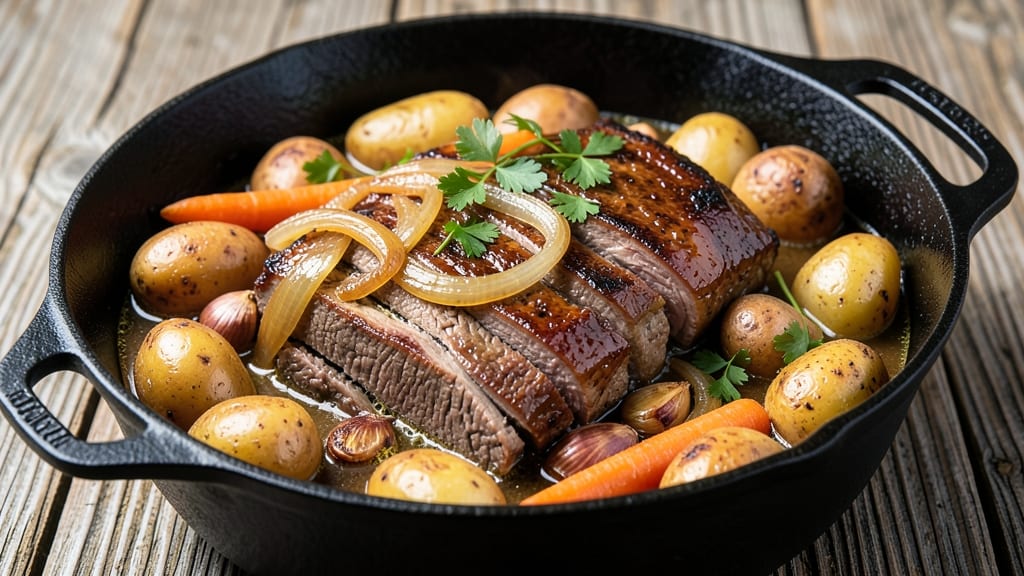
This beef anyhow recipe brings Oklahoma's hearty tradition to your kitchen with a slow-simmered one-pot wonder that transforms tough cuts into melt-in-your-mouth tenderness.
The secret lies in browning the beef first—creating a rich, caramelized crust that forms the flavor foundation for hours of simmering with potatoes, onions, and carrots until everything falls apart in perfect harmony.
The beauty of this recipe is its simplicity: just a few ingredients working together over time to create deep, savory comfort. No fancy techniques required—just patience and a pot to keep the flavors building.
The slow cooking process develops a rich, gravy-like sauce that coats every bite, making it a meal that feels like a hug in a bowl.
What you'll end up with is a steaming pot of tender beef, perfectly softened potatoes, and sweet carrots all swimming in a flavorful broth.
The aroma alone will have everyone gathering around the table, and each bite delivers that satisfying combination of textures and rich, meaty goodness that defines classic comfort food.
This dish is equally at home on a chilly weeknight or as the centerpiece of a family gathering. The leftovers reheat beautifully, making it perfect for meal prep. Let's get started on this Oklahoma tradition that's as much about love as it is about flavor.
Ingredients for beef anyhow
Six ingredients transform tough beef into melt-in-your-mouth comfort—no shortcuts, just slow-simmered Oklahoma magic.
| Ingredient | Amount | Notes |
|---|---|---|
| Chuck Roast 🥩 | 3 lb | Tough cut, trimmed of excess fat |
| Yellow Onions 🧅 | 2 whole | Medium size, sliced into wedges |
| Russet Potatoes 🥔 | 3 lb | Unpeeled, cut into 2-inch chunks |
| Carrots 🥕 | 4 whole | Medium size, cut into 2-inch pieces |
| Garlic Cloves 🧄 | 6 cloves | Minced or crushed for depth |
| Beef Broth 💧 | 4 cups | Low-sodium preferred for balance |
| Tomato Paste 🍅 | ½ cup | Smooth, not chunky |
| Whole Black Peppercorns 🌶️ | 1 tbsp | Crushed for freshness |
| Kosher Salt 🧂 | 2 tsp | Diamond Crystal preferred |
| Bay Leaves 🍃 | 2 whole | Fresh if available |
| Extra-Virgin Olive Oil 🫒 | 2 tbsp | For browning beef |
| All-Purpose Flour 🌾 | 2 tbsp | For thickening sauce |
| Fresh Thyme Leaves 🌿 | 1 tbsp | Or 1 tsp dried thyme |
The chuck roast is your secret weapon—look for well-marbled cuts at Whole Foods or your local butcher. Costco often has pre-trimmed roasts, but if you're buying whole, trim excess fat to avoid greasy sauce. The potatoes and carrots don't need peeling—just scrub them clean. For the broth, Annie's or Pacific Foods low-sodium options keep the flavors balanced without extra salt. Fresh thyme makes all the difference, but dried works in a pinch (use one-third the amount).
No beef broth? Water plus 1 tbsp soy sauce gets you close, though real broth adds depth. Short on time? Swap potatoes for instant mashed potatoes—just add them later. The tomato paste can be replaced with 1 can crushed tomatoes if you prefer chunkier sauce. For extra richness, add 1/4 cup red wine when browning the beef. And if you're feeling adventurous, throw in 1/2 cup frozen peas at the end for color and texture.
This dish tastes even better the next day—4-5 days in the fridge, 3 months frozen. Portion into containers for easy lunches. The sauce thickens as it cools, so add a splash of broth when reheating. Double the recipe? It freezes beautifully. Just thaw overnight in the fridge before reheating—never microwave straight from frozen.
Why You'll Love This Recipe
- One-Pot Magic: I swear by this recipe when I’m too tired to wash dishes. Chuck roast, potatoes, carrots, and onions all cook together in one pot—no chopping like a fine chef, just rough cuts that still turn out tender and golden. The onions caramelize right in the pan while everything simmers, and honestly? That’s my kind of effortless.
- Deep Savory Crunch: Here’s what sold me—the beef gets this incredible crust on the outside while staying juicy inside, and the potatoes? They develop this crispy edge that makes every bite worth it. The garlic cloves roast until they’re sweet and mellow, and the onions? They melt into the meat like a hug.
- Leftovers? More Like Leftovers Party: Between us, this recipe makes enough for two dinners. I’ll make a big batch on Sunday, and by Wednesday, I’m still pulling it out for lunch—reheated with a splash of broth, it’s just as good as day one. (Yes, even on a Tuesday night.)
- Budget-Friendly Powerhouse: Chuck roast is cheap, potatoes and carrots last forever, and onions and garlic are always on sale. I stretch this meal to feed my whole family for less than $15, and no one complains—because it’s actually delicious. That’s the kind of recipe that makes me feel like a hero without breaking the bank.
Step-by-step instructions for slow-simmered beef anyhow
This Oklahoma classic transforms tough chuck roast into melt-in-your-mouth perfection with minimal effort.
Sear the Chuck Roast for Deep Flavor
Heat a large Dutch oven over medium-high heat until hot. Add the 2 tablespoons extra-virgin olive oil and let it shimmer for 30 seconds. Place the 3 lb chuck roast in the pot, fat-side down, and sear undisturbed for 5 minutes until deeply browned on one side. Flip and repeat on the other side.
Here's the thing—this searing step creates the Maillard reaction, which develops that rich, caramelized flavor that makes this dish so comforting. Don't rush it; you'll know it's ready when the roast releases easily from the pot. Transfer the roast to a plate and set aside.
Build the Flavor Base with Onions and Garlic
In the same Dutch oven, add the sliced 2 whole yellow onions and cook over medium heat for 8-10 minutes until softened and golden. Stir occasionally so they caramelize evenly. Add the 6 cloves minced garlic cloves and cook for another 30 seconds until fragrant.
This step is where the foundation of your dish's flavor develops. The onions should be sweet and golden, with just a hint of caramelization. If they start to brown too quickly, reduce the heat slightly. You're building layers of flavor here—don't skip this part.
Add Vegetables and Create the Sauce
Return the chuck roast to the Dutch oven. Add the 3 lb russet potatoes (cut into 2-inch chunks), 4 whole carrots (cut into 2-inch pieces), 0.5 cup tomato paste, 1 tablespoon crushed whole black peppercorns, and 2 teaspoons kosher salt. Stir everything together to coat the roast and vegetables with the tomato paste.
Pour in the 4 cups beef broth until everything is just covered. Add the 2 whole bay leaves and 1 tablespoon fresh thyme leaves. Sprinkle the 2 tablespoons all-purpose flour over the top and stir gently to combine. This flour will help thicken the sauce as it simmers.
Simmer Until Fork-Tender
Bring the mixture to a gentle boil over high heat, then immediately reduce the heat to low. Cover the Dutch oven with a tight-fitting lid and let it simmer for 3-4 hours. The key here is patience—you want the chuck roast to become fork-tender, falling apart easily when pierced with a fork.
Check the liquid level occasionally and add ½ cup water if it gets too low. The vegetables should be tender but still hold their shape, and the sauce should thicken slightly as it simmers. This long cooking time transforms the tough chuck roast into tender, flavorful beef that practically melts in your mouth.
Rest and Serve with Warm Comfort
Once the beef is fork-tender, remove the lid and let the mixture simmer uncovered for another 10-15 minutes to thicken the sauce further. Remove the chuck roast and shred it directly in the pot using two forks. Discard the bay leaves and thyme stems, then stir the shredded beef back into the vegetables and sauce.
Let the beef anyhow rest for 10 minutes before serving. This resting period allows the flavors to meld together and the sauce to thicken slightly. Serve it warm with crusty bread to soak up every bit of that rich, comforting sauce. The result is a hearty, satisfying meal that's perfect for cold days or family gatherings.
Pro Tips For Making Beef Anyhow
- Sear the Chuck First: I learned this the hard way—skipping the sear means flavorless beef. Get that roast screaming hot in a dry pan for 3-4 minutes per side until it’s deep brown, not just pink. The crust locks in juices and adds depth the slow cooking can’t match.
- Cut Potatoes in Even Slices: Uneven potatoes mean some mushy, some undercooked. Aim for ½-inch thick rounds—thicker slices stay firm, thinner ones dissolve into the sauce. Russets hold up better than you’d think, but don’t skip this step or you’ll end up with a gluey mess.
- Don’t Crowd the Potatoes: I used to dump them all in at once, thinking more space meant better browning. Wrong. Cook them in batches if needed—just 2-3 layers at a time—so they crisp up instead of steaming. You want caramelized edges, not soggy sides.
- Add Garlic Late: Crushed garlic burns faster than you’d believe. Toss the whole cloves in with the beef early, but save mincing until the last 15 minutes. Freshly minced garlic releases its flavor right when you need it—no bitter aftertaste, just bright, punchy aroma.
Regional styles of this dish
Oklahoma's Hearty Tradition
This dish originated in Oklahoma as a practical, no-waste meal using tough cuts of beef that needed long cooking. The name "anyhow" reflects its rustic, unpretentious nature—cooked however you have on hand.
In rural Oklahoma, it was a staple for families and ranch hands needing hearty, filling meals after long days. 🥩
Texas Twist with Chili
In Texas, beef anyhow often gets a spicy kick by adding 1-2 tablespoons of chili powder or ½ teaspoon cayenne pepper during the simmer. Some versions include 1 cup diced tomatoes or ½ cup beer (like Shiner Bock) for a tangier sauce.
The Lone Star State's love of bold flavors transforms this into a Tex-Mex fusion dish.
Midwest Potato-Centric Style
Up north, especially in states like Minnesota and Wisconsin, beef anyhow becomes more potato-forward. Cooks often add extra potatoes (4-5 lbs total) and sometimes swap carrots for parsnips or turnips.
A splash of apple cider vinegar (1-2 tbsp) brightens the sauce, giving it a subtle tang that balances the richness. Crusty rye bread is the perfect side here.
Southern Cornbread Companion
Across the South, this dish pairs perfectly with cornbread made from a simple mix of 1 cup cornmeal, 1 cup flour, 1 cup buttermilk, and 1 egg. The sweetness of the cornbread contrasts beautifully with the savory stew.
Some Southern families even add ½ cup corn kernels directly to the beef anyhow for extra texture and a nod to regional staples.
Modern Shortcut Versions
For busy weeknights, many cooks adapt this classic using an Instant Pot. Brown the beef first, then pressure cook on high for 60 minutes followed by a 10-minute natural release.
The result is tender beef in about 1 hour instead of 4. Some even use rotisserie chicken instead of beef for a quicker variation that still delivers comfort.
Appalachian Wild Game Swap
In Appalachia, hunters often substitute beef with venison or rabbit for a leaner, gamey version. The cooking method stays the same, but they add extra herbs like rosemary or sage to complement the wild flavors. Some families even include wild mushrooms foraged from nearby woods to add earthy depth.
Nutrition facts
Frequently asked questions
Can I use a different cut of beef instead of chuck roast?
Yes! While chuck roast is traditional, you can substitute with brisket or stew beef—both work beautifully. For leaner cuts like sirloin, add 1/2 cup beef broth to prevent drying out. Avoid tender cuts like filet mignon—they'll turn mushy during long cooking.
How do I know when the beef is tender enough?
Test with a fork after 2.5-3 hours of simmering. If the beef separates easily with minimal resistance, it's ready. For extra insurance, cut a small piece—if it's fork-tender but still holds together slightly, keep cooking 30 minutes more. Overcooking won't ruin it, but you want that perfect melt-in-your-mouth texture.
Can I make this in a slow cooker instead of a Dutch oven?
Brown the beef first in a skillet, then transfer everything to a 6-quart slow cooker. Cook on low for 8 hours or high for 5-6 hours. The slow cooker's gentle heat makes it even more tender. Just add 1/2 cup broth if the liquid gets too low during cooking.
What if I don't have tomato paste?
No problem! Use 1 can (15 oz) crushed tomatoes instead—just add it with the broth. For a richer flavor, stir in 1 tablespoon soy sauce or 1 teaspoon Worcestershire sauce to mimic the umami depth tomato paste provides. The dish will still be delicious, just with slightly different texture.
How can I make this dish more flavorful?
Try these pro tips: Deglaze the Dutch oven after searing with 1/4 cup red wine or 1/4 cup beef broth to scrape up all the browned bits. Add 1/2 teaspoon smoked paprika or 1 bay leaf crushed for extra depth. For a smoky twist, finish with 1 tablespoon bacon fat instead of olive oil when browning the beef.