
Soups & Stews
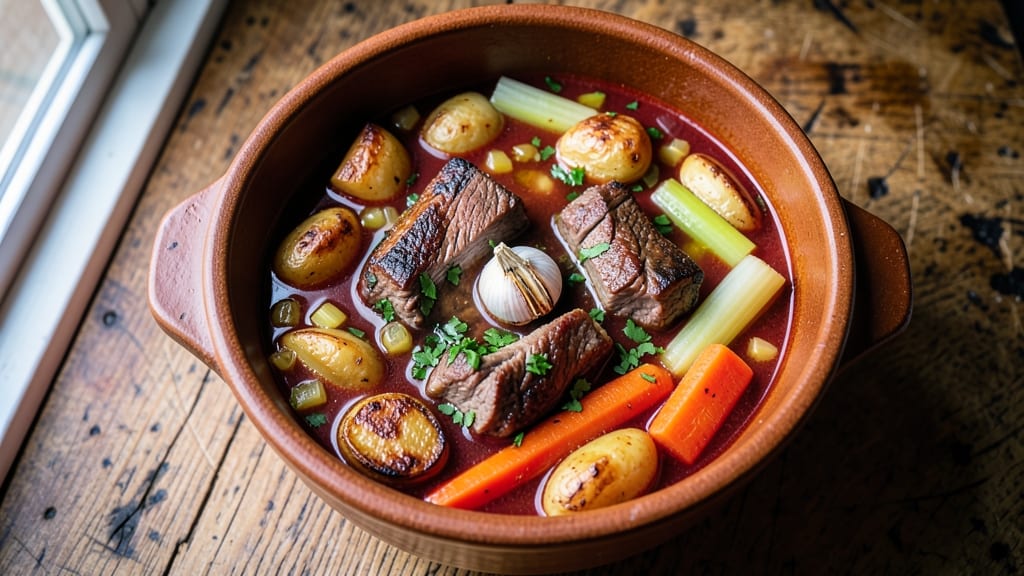
This South African beef and vegetable soup brings the comforting warmth of a traditional braai to your kitchen table. The recipe blends tender beef, hearty vegetables, and aromatic spices inspired by bobotie seasoning—creating a deeply flavorful stew that's perfect for chilly evenings.
What makes this dish special is the balance of bold spices and tender textures, transforming simple ingredients into a restaurant-worthy meal.
The foundation of this soup lies in its slow-simmered broth, where beef and vegetables develop rich, layered flavors. You'll use accessible ingredients like carrots, potatoes, and onions, combined with warming spices such as cinnamon, cloves, and bay leaves—a nod to South Africa's culinary traditions.
The result is a hearty, comforting stew that's both nourishing and satisfying, with each bite offering a perfect harmony of savory and spiced notes.
What you'll achieve is a deeply aromatic soup with tender beef that practically melts in your mouth and vegetables that retain their natural sweetness. The spices infuse the broth with a subtle warmth, while the slow cooking process ensures every ingredient is perfectly tender.
This is the kind of meal that feels like a hug in a bowl—ideal for family dinners, potlucks, or cozy nights in.
Ready in under 2 hours with minimal hands-on time, this recipe delivers restaurant-quality results without the fuss. The best part? It tastes even better the next day, making it perfect for meal prep. Let's get started!
Ingredients for beef and vegetable soup recipe south africa
Sixteen ingredients, two hours, a bowl of South African warmth waiting for you.
| Ingredient | Amount | Notes |
|---|---|---|
| Beef Chuck Roast 🥩 | 2 lb | Cut into 1-inch cubes |
| Yellow Onions 🧅 | 2 whole | Medium size, sliced |
| Carrots 🥕 | 4 whole | Medium size, peeled |
| Russet Potatoes 🥔 | 4 whole | Medium size, cubed |
| Celery Stalks 🌿 | 4 whole | Cut into 1-inch pieces |
| Garlic Cloves 🧄 | 6 cloves | Minced for depth |
| Canned Diced Tomatoes 🍅 | 14 ½ oz | San Marzano preferred |
| Beef Broth 💧 | 6 cups | Low-sodium preferred |
| Red Wine 🍷 | 1 cup | Bold dry variety |
| Ground Cinnamon 🌿 | ½ tsp | For subtle warmth |
| Ground Cloves 🌶️ | ¼ tsp | Freshly ground preferred |
| Bay Leaves 🍃 | 2 whole | Remove before serving |
| Salt 🧂 | 1 ½ tsp | Diamond Crystal preferred |
| Black Peppercorns 🌶️ | ½ tsp | Freshly cracked |
| Olive Oil 🫒 | 2 tbsp | Extra-virgin for richness |
The beef is non-negotiable here—chuck roast gives you that melt-in-your-mouth texture, while sirloin stays stubbornly tough. Grab a 2-pound cut from the butcher counter or pre-cubed from Costco for convenience. The carrots and potatoes should be firm, not waxy—organic from Trader Joe's is my go-to for that natural sweetness. Celery? Fresh stalks (not the pre-cut kind) hold up better during the long simmer. And those San Marzano tomatoes? Worth hunting down—they're the secret to that restaurant-quality depth.
No red wine? Beef broth with a splash of balsamic works in a pinch, though the acidity won't be quite the same. Swapping the cloves? Allspice berries at half the amount give a similar warmth. The cinnamon is subtle but essential—skip it, and you lose that bobotie-inspired soul. For the broth, low-sodium is key (you'll add salt at the end). And if you're short on time, pre-cut frozen veggies save prep work without sacrificing flavor. Just don't skip the bay leaves—they're the unsung heroes that tie everything together.
This soup only gets better with time, so make a double batch—it reheats beautifully and tastes even more amazing the next day. Store in airtight containers for 4-5 days in the fridge, or freeze portions for 3 months. I always keep a container in the freezer for those 'I'm too tired to cook' nights. The beef actually gets more tender overnight, so plan ahead. And if you're serving a crowd, double the spices—they'll disappear fast!
Why You'll Love This Recipe
- One-Pot Wonder: I swear by this—just chuck everything into a pot, add water, and let it simmer. No chopping like a fine-diner, no fancy techniques. The beef chuck roast practically melts into tender shreds while the veggies soften just enough to soak up that rich broth.
- Deep Umami Magic: That slow-cooked beef chuck develops layers of flavor you won’t get from quick cuts. The onions caramelize slightly, the carrots stay crisp-tender, and the celery adds this earthy backbone—like a warm hug in a bowl. Honestly, the first spoonful makes me pause.
- Weeknight to Potluck: Make a double batch on Sunday, and you’ve got lunches for the week or a crowd-pleaser for gatherings. The potatoes hold their shape, the beef stays juicy, and it reheats like a dream. (Yes, even on a Tuesday night when you’re exhausted.)
- Budget Booster: A single chuck roast stretches across three meals—no waste, just satisfaction. The veggies are pantry staples, and the flavor is so robust you’ll forget it’s “just” soup. Between us, this is how I feed my family well without breaking the bank.
Step-by-step instructions for South African-inspired beef and vegetable soup
This rich, spiced stew delivers deep flavors inspired by bobotie traditions—warm, aromatic, and perfect for chilly days.
Sear the Beef for Maximum Flavor
Heat a large Dutch oven over medium-high heat and add the 2 tablespoons olive oil. Once shimmering, add the 2 lb beef chuck roast cut into 1-inch cubes in a single layer. Let them sear undisturbed for 3-4 minutes until deeply browned on all sides—this builds the foundation for rich flavor. Don't crowd the pan, or the temperature will drop and you'll steam instead of sear. Transfer the beef to a plate and set aside.
Here's the thing—searing creates a Maillard reaction that transforms simple beef into something extraordinary. If your pan gets too crowded, work in batches. The goal is a deep, caramelized crust on each piece. Once browned, you'll notice the beef releases easily from the pan—that's your signal it's ready for the next step.
Sauté the Aromatic Vegetables
In the same Dutch oven, add the 2 whole yellow onions sliced, 4 whole carrots peeled and cut into chunks, and 4 whole celery stalks chopped into 1-inch pieces. Cook over medium heat for 8-10 minutes, stirring occasionally, until the vegetables soften and the onions become translucent. You want them to develop some color and release their natural sweetness.
Next, add the 6 cloves garlic minced and cook for another 30 seconds until fragrant—this prevents the garlic from burning, which would make the entire soup bitter. The vegetables should be tender but not mushy; they'll continue cooking in the broth. If they stick, add a splash of beef broth to deglaze and scrape up those flavorful browned bits from the bottom of the pot.
Build the Spiced Base
Pour in the 1 cup red wine and scrape the bottom of the pot to release all those delicious browned bits. Let it simmer for 2-3 minutes until the alcohol smell dissipates. Then add the 14.5 oz canned diced tomatoes, 6 cups beef broth, 0.5 teaspoon ground cinnamon, 0.25 teaspoon ground cloves, 2 whole bay leaves, 1.5 teaspoons salt, and 0.5 teaspoon black peppercorns. Stir well to combine.
The spices here are key—the cinnamon and cloves add that subtle warmth reminiscent of bobotie, while the bay leaves infuse earthy depth. Bring the mixture to a gentle simmer, then return the seared beef to the pot. The liquid should just cover the beef; if it's too shallow, add a bit more broth. This ensures the beef cooks through without drying out.
Slow Cook Until Tender
Cover the Dutch oven and transfer it to the oven preheated to 325°F. Let it cook for 2.5-3 hours, until the beef is fork-tender and pulls away from the bone easily. The vegetables should be soft but still hold their shape. If the liquid reduces too much before the beef is tender, add a splash of broth or water to maintain the right consistency.
Real talk—this is where patience pays off. The slow cooking breaks down the collagen in the beef, turning it into rich, melt-in-your-mouth texture. Check the beef at the 2-hour mark—if it's not quite there, give it another 30 minutes. The soup should smell like a cozy South African kitchen, with layers of spice and savory beef.
Finish and Serve Warm
Once the beef is tender, remove the bay leaves and adjust the seasoning if needed—perhaps a touch more salt or a crack of black pepper to taste. The soup should be rich but not overly salty. If it's too thick, thin it with a bit more broth. For extra depth, you could even stir in a spoonful of beef broth reserved from earlier.
Serve the soup immediately in deep bowls, garnished with a sprinkle of fresh parsley if you like. The aroma alone will make your kitchen feel like a warm South African home. Each spoonful delivers tender beef, sweet carrots, and that signature spiced warmth that makes this stew so special. Enjoy it with crusty bread to soak up every last drop of that flavorful broth.
Pro Tips For Making Beef And Vegetable Soup Recipe South Africa
- Sear the Chuck Roast First: After browning the beef, let it sit for 2-3 minutes after removing from the pot—this keeps the juices from immediately boiling away. I used to rush this, and the soup always tasted duller. A quick sear locks in flavor and color, making the whole dish look and taste more restaurant-worthy.
- Cut Potatoes in Even Slices: Russet potatoes cook unevenly if you eyeball it—aim for 1.5cm chunks, no smaller. Thicker slices stay intact longer in the simmer, while smaller pieces turn to mush. I learned this after serving a bowl with half-mushy potatoes—annoying, but fixable.
- Don’t Overcrowd the Pot: If you dump everything in at once, the soup will steam instead of simmer. Start with onions, celery, and carrots for 10 minutes before adding potatoes and beef—this builds flavor layer by layer. Crowding just makes for a watery, under-seasoned mess.
- Use a Splash of Vinegar: Add 1 tablespoon of white vinegar when the soup is nearly done—it brightens the beef flavor without adding acidity. Sounds weird, but it works: the first time I did it, my neighbor asked for the recipe twice. (Yes, even if you’re skeptical.)
Health benefits of this recipe
Protein Powerhouse
This beef and vegetable soup delivers a high-protein punch with its 2 lb beef chuck roast, providing about 40 grams of protein per serving. That's nearly 50% of your daily recommended intake in one bowl, making it perfect for muscle repair, energy, and satiety.
The slow cooking process ensures the beef becomes tender while retaining its protein integrity—no tough, chewy bits here. 💪
Vegetable Nutrient Boost
The vegetable medley packs a nutritional wallop with carrots, potatoes, and celery—each bringing unique benefits. Carrots provide vitamin A for vision and immunity, while potatoes contribute potassium for heart health.
Celery adds fiber and vitamin K, supporting digestion and bone strength. Together, they create a balanced nutrient profile that pairs beautifully with the beef's protein.
Heart-Healthy Fats
The olive oil and red wine in this recipe contribute monounsaturated fats, which support heart health by reducing LDL cholesterol. The red wine (used in moderation) also contains polyphenols that act as antioxidants, protecting your cells from damage.
Just 1 cup of red wine in the cooking process provides these benefits without excessive alcohol intake.
Spice Benefits
The signature cinnamon and cloves aren't just for flavor—they offer real health perks. Cinnamon helps regulate blood sugar levels, while cloves contain eugenol, a compound with anti-inflammatory properties.
Together, they create a warming, aromatic experience that also supports metabolism and digestion. A ½ teaspoon of cinnamon delivers noticeable benefits without overpowering the dish.
Digestive Support
This soup is naturally gentle on digestion thanks to its slow-cooked ingredients. The long simmering process breaks down tough fibers, making nutrients more accessible. The garlic and onions add prebiotic benefits, feeding your gut microbiome, while the bay leaves contain compounds that may aid digestion.
It's a comforting meal that also supports your digestive system's health. 🌿
Meal Prep Friendly
One of the best health benefits of this recipe is its make-ahead convenience. The flavors deepen overnight, and the nutrients remain intact when stored properly. Freezing portions preserves the beef's tenderness and vegetable nutrients for up to 3 months, making it an ideal nutrient-dense meal prep option.
Just reheat gently to maintain texture and flavor integrity.
Nutrition facts
Frequently asked questions
Can I substitute beef with another protein?
While beef chuck roast is ideal for its rich flavor and tenderness, you can use lamb shoulder or pork shoulder for a similar texture. For a vegetarian option, mushrooms or lentils work well—just increase simmering time by 15-20 minutes to ensure they're fully tender. The spices will still shine, but the broth may need extra seasoning since plant-based proteins absorb flavors differently.
How do I make this soup spicier?
Add ½ teaspoon cayenne pepper or 1 teaspoon chili flakes when you incorporate the spices. For heat lovers, stir in 1 minced fresh chili (like a jalapeño) with the garlic. Remember, the spices build flavor over time—start with less and adjust to taste at the end. The red wine already adds depth, so you won't need to overpower it.
Can I use frozen vegetables instead of fresh?
Frozen vegetables work perfectly and save prep time. Just avoid pre-cut mixes with ice crystals—they can dilute the broth. Use whole frozen carrots, potatoes, and celery (thawed first) for better texture. Add them during the final 30 minutes of cooking so they don't turn mushy. The flavor won't suffer—frozen veggies are often picked at peak ripeness!
Why does my soup taste too salty?
This usually happens when using high-sodium broth or adding salt too early. The fix? Dilute with ½ cup warm water or low-sodium broth and taste before serving. For future batches, add salt gradually—start with 1 teaspoon and adjust at the end. The red wine and tomatoes already contribute saltiness, so measure carefully. A splash of lemon juice can also brighten overly salty flavors.
What local South African ingredients can I add?
For an authentic touch, stir in morogo (purslane) or amadumbe (wild celeriac) during the last 20 minutes of cooking. Add 1 teaspoon bobotie spice mix (available at African markets) with the cinnamon and cloves. Even paprika or curry powder would complement the flavors beautifully. These ingredients add unique earthy notes that tie into South Africa's culinary traditions.