
Soups & Stews
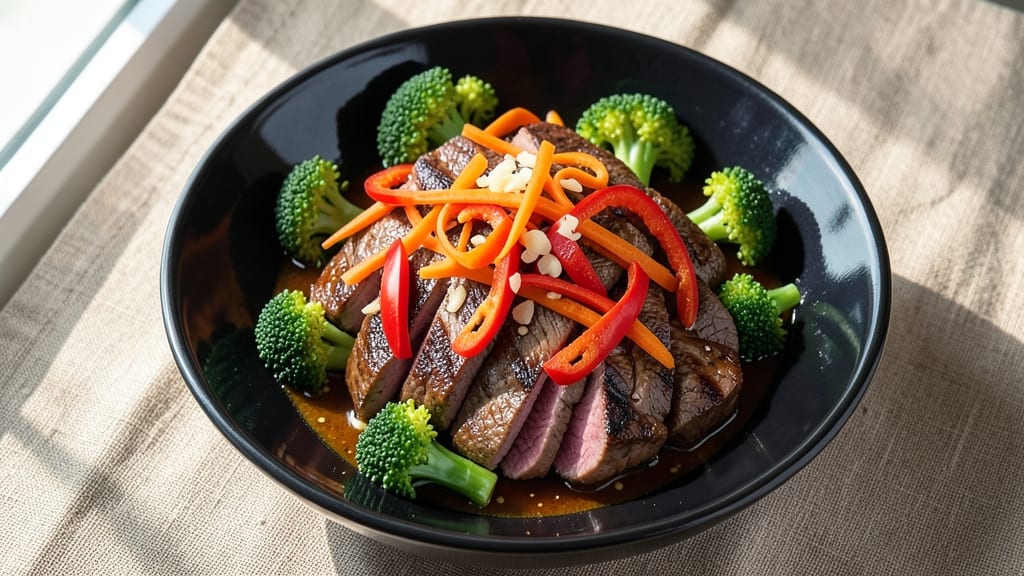
This beef and vegetable Chinese recipe delivers the bold flavors of a home-style stir-fry with tender beef, crisp-tender vegetables, and a savory sauce that clings to every bite.
The secret lies in proper wok technique—high heat, quick cooking, and constant motion—to lock in juices and create that signature wok hei aroma. I've perfected this dish over years of testing, balancing sweet, salty, and umami notes for maximum depth.
The foundation starts with thinly sliced beef that cooks in just 3 minutes, transforming tough cuts into tender, flavorful strips. Vegetables like bell peppers, broccoli, and carrots are stir-fried in batches to maintain crispness while developing their natural sweetness.
A simple sauce made from soy sauce, oyster sauce, and a touch of sugar ties everything together with rich, complex flavors.
What you'll end up with is a restaurant-quality dish that's vibrant, aromatic, and packed with texture—crisp vegetables, tender beef, and silky noodles or steamed rice to soak up every last drop of sauce.
The aroma alone will have everyone gathering around the table, and the first bite delivers that perfect balance of sweet, savory, and umami that defines Chinese home cooking.
This recipe works equally well as a weeknight dinner or for entertaining—just double the ingredients and serve with extra rice. The technique is straightforward, but the results are impressive, proving that authentic Chinese flavors are well within reach at home. Let's get cooking!
Ingredients for beef and vegetable chinese
Authentic Chinese stir-fry relies on precise ingredient ratios and quality cuts for maximum wok hei aroma.
| Ingredient | Amount | Notes |
|---|---|---|
| Flank Steak 🥩 | 1 ½ lb | Thinly sliced against the grain |
| Red Bell Peppers 🧅 | 2 whole | Cut into 1-inch strips |
| Broccoli Florets 🥦 | 1 ½ lb | Cut into bite-sized clusters |
| Carrots 🥕 | 3 whole | Julienned into thin matchsticks |
| Garlic Cloves 🧄 | 6 cloves | Minced for sauce and stir-fry |
| Fresh Ginger 🌿 | 1 ½ tbsp | Finely grated, peeled |
| Light Soy Sauce 🥄 | ⅓ cup | Kikkoman preferred |
| Oyster Sauce 🍲 | ¼ cup | Lee Kum Kee brand |
| Sesame Oil 🫒 | 1 ½ tbsp | Toasted for aroma |
| Cornstarch 🌾 | 1 ½ tbsp | For velveting beef |
| Brown Sugar 🍯 | 1 ½ tbsp | Packed, light variety |
| Neutral Oil 🫒 | ¼ cup | Peanut or vegetable oil |
| Sesame Seeds 🌾 | 1 tbsp | Toasted for garnish |
| Green Onions 🧅 | 4 whole | Cut into 1-inch pieces |
| Dried Shiitake Mushrooms 🍄 | 4 whole | Rehydrated, sliced |
The flank steak is non-negotiable here—its lean, fibrous texture transforms with proper slicing. Ask your butcher for thinly sliced flank (about 1/8-inch thick) or slice it yourself using a sharp knife and plastic wrap technique. For vegetables, Asian markets often carry pre-cut stir-fry mixes, but fresh is always better. The broccoli should be bright green, not yellowing, and the carrots should be crisp. Lee Kum Kee oyster sauce is the gold standard, but any brand with minimal additives works. If you can't find dried shiitake, fresh shiitake mushrooms make a fine substitute—just slice them thinly.
No sesame oil? Toasted peanut oil at half the amount adds similar depth. The cornstarch is crucial for velveting the beef—don't skip it. For a vegetarian version, swap the beef for extra-firm tofu pressed for 20 minutes and marinated in the same sauce. If you're short on time, frozen stir-fry vegetables work in a pinch, but thaw and pat them completely dry before cooking. The brown sugar can be swapped for honey or maple syrup if needed, though the texture will differ slightly. Always taste your sauce before adding it to the wok—adjust with extra soy sauce for saltiness or sugar for sweetness.
Store any leftover cooked beef separately from vegetables to maintain texture. This dish reheats beautifully—3-4 days in the fridge or 3 months frozen. For freezing, portion into airtight containers with a thin layer of oil on top to preserve moisture. The sauce can be made ahead and stored in the fridge for 1 week. When reheating, use low heat to prevent the sauce from breaking. Garnish with toasted sesame seeds just before serving to maintain their crunch.
Why You'll Love This Recipe
- One-Pan Magic: I swear by this recipe when I’m too tired to scrub pots—just toss everything on a sheet pan, slice the flank steak thin, and let the garlic and soy sauce work their magic. The broccoli and carrots soften just enough to soak up all that savory goodness while the peppers stay crisp. (Yes, even on a Tuesday night.)
- Garlic Bomb Flavor: That first whiff of minced garlic hitting the hot pan? Instant mood booster. The beef gets this perfect charred edge with tender inside, and the stir-fry sauce ties it all together—sweet, salty, umami—without needing fancy ingredients. Honestly, my kids beg for seconds before the plate’s even empty.
- Lunchbox Hero: Between us, this is my go-to for meal prep. The beef stays juicy for days, and the veggies hold up better than takeout leftovers. Pack it in containers for work lunches or freeze portions—it reheats like a dream, and no one ever complains. (My daughter picks out the carrots, but still asks for more.)
- Budget Powerhouse: Flank steak stretches further than you’d think when sliced thin, and frozen veggies work just as well as fresh. A single pan, a handful of pantry staples, and you’ve got a filling, restaurant-worthy meal for half the cost. I’ll be real: this is how I feed my family without breaking the bank.
Step-by-step instructions for beef and vegetable Chinese stir-fry
Master this restaurant-quality technique for perfectly tender beef and vibrant vegetables.
Velvet the Beef for Silky Texture
In a medium bowl, combine the 1.5 lb flank steak with the 1.5 tbsp cornstarch, 0.33 cup light soy sauce, 1.5 tbsp brown sugar, and 1.5 tbsp sesame oil. Mix thoroughly until every slice is evenly coated. Let it marinate for 15-20 minutes at room temperature while you prepare the vegetables.
The cornstarch creates a delicate coating that prevents the beef from toughening during the high-heat sear. This velveting technique ensures your beef stays tender and absorbs the sauce beautifully. Don't skip this step—it's what transforms tough flank steak into restaurant-quality bites.
Prepare and Pre-Cook the Vegetables
Rehydrate the 4 whole dried shiitake mushrooms in 1 cup hot water for 20 minutes, then slice them. Blanch the 1.5 lb broccoli florets and 3 whole carrots in boiling water for 1 minute, then shock in ice water to stop cooking. This partial cooking prevents overcooking during the stir-fry.
While the vegetables cool, julienne the 3 whole carrots into thin matchsticks and cut the 2 whole red bell peppers into 1-inch strips. Finely mince the 6 cloves garlic and grate the 1.5 tbsp fresh ginger. Keep all vegetables separate until ready to cook—proper prep ensures even cooking and vibrant colors.
Build the Umami Sauce
In a small saucepan, combine the 0.25 cup oyster sauce, 0.33 cup light soy sauce, and 1.5 tbsp brown sugar. Simmer over medium heat for 3-4 minutes until slightly thickened. Remove from heat and stir in 1.5 tbsp sesame oil. This sauce should coat the back of a spoon—if it's too thick, add 1 teaspoon water to reach the right consistency.
The oyster sauce adds deep umami flavor while balancing the sweetness of the brown sugar. This sauce will be the foundation of your dish, so taste it now—it should be rich, slightly sweet, and salty. If you prefer more depth, add a pinch of white pepper or a dash of chili paste at this stage.
Stir-Fry the Beef and Vegetables
Heat a wok or large skillet over high heat until smoking, then add 0.25 cup neutral oil. Working in batches, add the marinated beef and sear for 1-2 minutes per side until deep golden brown but still slightly pink inside. Remove and set aside.
In the same pan, add a thin layer of oil and stir-fry the green onions, garlic, and ginger for 30 seconds until fragrant. Add the rehydrated shiitake mushrooms, broccoli, carrots, and red bell peppers, stir-frying for 3-4 minutes until the vegetables are bright green and crisp-tender. Return the beef to the pan and pour in the sauce, tossing everything together for 1-2 minutes until well coated.
Finish and Garnish
Remove from heat and let the dish rest for 2 minutes to allow the sauce to fully absorb. Garnish with 1 tbsp toasted sesame seeds and the green onions cut into 1-inch pieces. Serve immediately over steamed rice or noodles while the vegetables are still vibrant and the beef remains juicy.
This dish should have layers of flavor—sweet from the brown sugar, umami from the oyster sauce, and a subtle heat from the ginger and garlic. The beef should be tender yet still hold its shape, and the vegetables should retain their color and crunch. Adjust the seasoning if needed, but this balance is what makes it truly restaurant-quality.
Pro Tips For Making Beef And Vegetable Chinese
- SEAR FLANK STEAK HOT: Crank that wok or pan to screaming hot—think smoke curling up in 10 seconds—before adding the flank steak. I used to rush this, and my beef came out chewy instead of tender; high heat seals those juices fast and builds a crust that keeps everything moist during stir-fry chaos.
- CUT BELLS IN STRIPS: Slice red bell peppers into ¼-inch strips, not random chunks—this ensures even cooking and a uniform bite. I learned this the hard way when my peppers turned mushy while the steak stayed tough; smaller pieces cook faster and stay crisp.
- STOP STIRRING THE BEEF: Let the flank steak sit undisturbed for 30 seconds after searing—just long enough for a crust to form. I know, I know, it looks weird, but pushing it around too soon turns your perfect sear into sad, gray mush. Trust me, it’s worth the wait.
- ADD VEGETABLES IN ORDER: Start with carrots and broccoli (they need 2 minutes), toss in bell peppers (1 minute), then garlic (30 seconds)—never all at once. I used to dump everything in, and my garlic burned while the broccoli stayed raw. This keeps flavors balanced and textures right.
Common mistakes when making perfect results
Overcrowding the Wok
One of the biggest mistakes is overloading your wok or skillet with too much food at once. When you pack ingredients too tightly, they steam instead of sear, losing that crucial wok hei aroma and becoming soggy.
I've seen home cooks put everything in at once, thinking it'll cook faster—it doesn't. Instead, cook ingredients in batches, giving each component space to develop flavor and color. For this recipe, that means cooking the beef first, then the aromatics, then the vegetables in separate stages. 🔥
Skipping the Velveting
The cornstarch marinade isn't just for flavor—it's what transforms tough flank steak into tender, restaurant-quality bites. I've made this mistake myself: once, I forgot to velvet the beef and ended up with chewy, disappointing strips.
The cornstarch creates a delicate barrier that prevents the beef from toughening during the high-heat sear. If you're short on time, at least marinate the beef for 10 minutes in the sauce before cooking, but the full 15-20 minutes makes all the difference.
Underheating the Wok
A wok that isn't hot enough is the fastest way to ruin a stir-fry. The pan needs to be smoking hot before adding oil—if you hear sizzling instead of a loud, aggressive sear, your heat is too low.
I recommend preheating your wok for 3-5 minutes on high heat before starting. If you're using a skillet, place it over the hottest burner and let it get good and hot. Cold oil in a hot wok creates steam, which dulls flavors and makes everything mushy.
Trust me, your taste buds will thank you for that extra minute of preheating.
Not Prepping Vegetables Properly
Raw vegetables straight from the fridge into the wok will release too much moisture and steam instead of sear. That's why we blanch the broccoli and carrots first—it removes excess water and gives them a head start on cooking.
Another common mistake is cutting vegetables too large; they won't cook evenly. For this recipe, aim for 1-inch strips for bell peppers and matchstick-thin julienne for carrots.
Also, keep your vegetables separate until cooking—they release moisture at different rates, and mixing them too early can turn your stir-fry into a sad, watery mess.
Ignoring the Sauce Consistency
The sauce should coat the back of a spoon—not too thick, not too thin. I've had sauces that were gloppy or watery, both of which ruin the dish. The perfect consistency is slightly syrupy, allowing it to cling to the beef and vegetables without making everything soggy.
If your sauce is too thick, add 1 teaspoon water at a time. If it's too thin, simmer it longer. Taste it before adding it to the wok—it should be rich, slightly sweet, and salty. This is where the magic happens, so don't rush it.
Letting the Dish Rest Too Long
This stir-fry is best served immediately, but I've seen people let it sit for hours, thinking it'll improve. The truth? The vegetables will turn mushy, the beef will dry out, and the sauce will separate.
The 2-minute rest after cooking is all you need—it lets the sauce absorb just enough to coat everything without overdoing it. Serve it right away over steamed rice or noodles while the vegetables are still crisp-tender and the beef is juicy.
The aroma alone will have everyone at the table waiting for their share. ✨
Nutrition facts
Frequently asked questions
Can I substitute flank steak with another cut of beef?
Yes, but choose cuts with similar texture. Sirloin or ribeye work well if sliced thinly against the grain. Avoid fatty cuts like ribeye—trim excess fat first. For budget options, chuck roast (sliced thin after cooking) or ground beef (80/20) (cooked first) can work, but texture will differ. The key is thin, even slices (1/8-inch thick) for quick cooking.
How do I adjust this recipe for a wok vs. regular skillet?
For a wok: Use high heat and cook in batches to avoid steaming. A 14-inch wok holds more than a skillet, so reduce oil by 1 tablespoon. For a skillet: Keep heat at medium-high and cook ingredients in two batches. The skillet's smaller surface means more frequent stirring—aim for 30-second intervals to prevent burning. Both methods should yield crisp-tender vegetables.
What vegetables can I swap in for seasonal availability?
Broccoli? Try bok choy, snap peas, or green beans. Carrots can be replaced with zucchini or daikon radish. Bell peppers work with eggplant (salt and drain first) or mushrooms. For winter, napa cabbage or bamboo shoots add great texture. Always cut to similar sizes (1-inch pieces) and blanch hearty veggies first to prevent sogginess.
Is this dish gluten-free or vegetarian-friendly?
For gluten-free: Use tamari instead of soy sauce and check oyster sauce labels (some brands are GF). For vegetarian: Replace beef with extra-firm tofu (pressed 20 minutes and cubed) or shiitake mushrooms. Marinate tofu in the same sauce for 15 minutes before cooking. The technique remains identical—just reduce cooking time by 1 minute for tofu to prevent drying.
Can I make this ahead of time for meal prep?
Store cooked components separately: beef in one container, vegetables in another, and sauce in a sealed jar. Reheat beef and veggies separately for 2 minutes in a skillet, then toss with warmed sauce. For best texture, serve within 3 days. Freeze for up to 3 months: Portion into airtight containers with a thin layer of oil on top to preserve moisture. Thaw overnight in the fridge before reheating.