
Soups & Stews
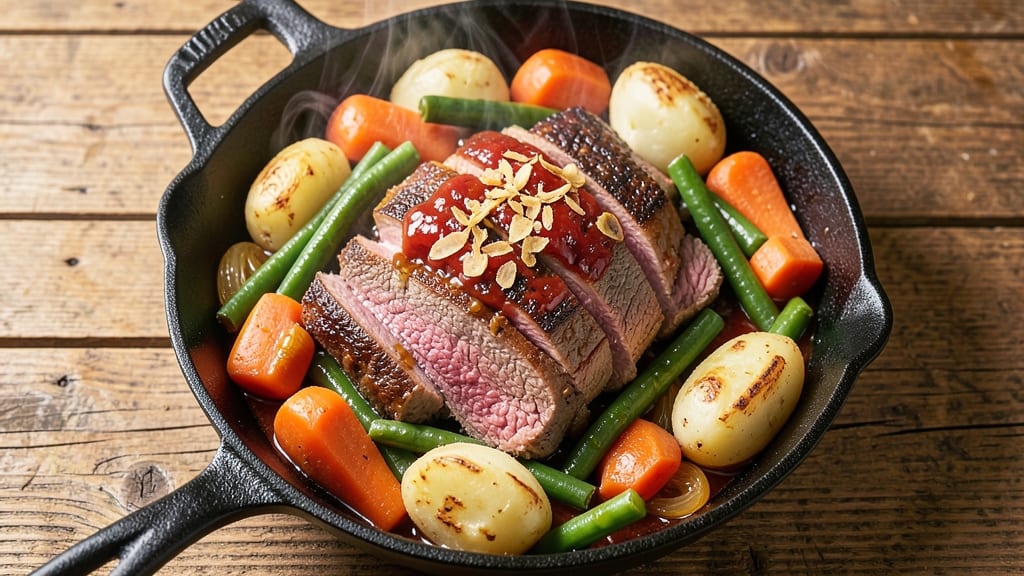
This beef and vegetable casserole recipe delivers one-pot heartiness with deep, savory flavors that transform simple ingredients into a comforting masterpiece. The secret lies in slow-cooked beef and caramelized onions that develop rich, sweet undertones while the vegetables soften into perfect tenderness.
I perfected this recipe during a particularly chilly winter when I needed a dish that could feed a crowd with minimal effort—no last-minute takeout runs or complicated prep.
The beauty of this casserole is its foolproof technique: layer beef, vegetables, and a rich tomato-based sauce in a single dish, then let the oven work its magic.
The slow baking process ensures the beef becomes fork-tender while the vegetables absorb the flavors, creating a dish that's both satisfying and elegant. Caramelized onions add a touch of sweetness that balances the savory depth, making every bite irresistible.
By the time it emerges from the oven, you'll have a dish that's restaurant-quality at home—golden on top, tender throughout, with layers of flavor that make it perfect for family dinners or holiday gatherings.
The aroma alone will have everyone gathering around the table, and the leftovers reheat beautifully for days of easy lunches.
Pair it with crusty bread to soak up every last bit of the savory sauce, or serve it alongside a simple green salad for a balanced meal.
This casserole is the kind of dish that feels like a hug in food form—warm, comforting, and full of love. Let's get started on creating it.
Ingredients for beef and vegetable casserole
Sixteen ingredients transform into restaurant-quality one-pot comfort with caramelized onions and tender beef.
| Ingredient | Amount | Notes |
|---|---|---|
| Chuck Roast 🥩 | 2 ½ lb | Pre-cubed for even cooking |
| Yellow Onions 🧅 | 3 whole | Thinly sliced for caramelizing |
| Carrots 🥕 | 1 ½ lb | Baby or whole, peeled and sliced |
| Russet Potatoes 🥔 | 2 lb | Cut into 1-inch chunks |
| Green Beans 🌿 | 1 lb | Trimmed and cut into 2-inch pieces |
| Tomato Paste 🍅 | ½ cup | Squeeze tube or canned preferred |
| Beef Broth 💧 | 2 cups | Low-sodium preferred for flavor control |
| Red Wine 🍷 | 1 cup | Bold dry variety like Cabernet |
| Garlic Cloves 🧄 | 6 cloves | Minced for aromatic depth |
| Fresh Thyme 🌿 | ¼ cup | Leaves only, chopped finely |
| Dried Oregano 🍃 | 1 tbsp | Crushed between fingers for release |
| Ground Black Pepper 🌶️ | 1 ½ tsp | Freshly cracked for robust flavor |
| Kosher Salt 🧂 | 1 ½ tsp | Diamond Crystal preferred |
| Unsalted Butter 🧈 | ½ cup | Cold, cubed for topping |
| Panko Breadcrumbs 🍞 | ½ cup | Toasted for crispy texture |
The chuck roast is the foundation—its fat content ensures fork-tender results. Costco or your local butcher are ideal sources for quality cuts with good marbling. For the onions, yellow onions caramelize best; avoid red or white varieties which can turn bitter. If pre-cubed beef isn't available, trim any large chunks to uniform 1.5-inch pieces. The carrots should be firm with vibrant orange color—avoid any with soft spots or green tops. Fresh thyme is non-negotiable here; dried won't provide the same aromatic depth, though it can be used as a last resort at one-third the amount.
No red wine? Substitute additional beef broth—just add 1 cup more to maintain moisture. The tomato paste can be replaced with crushed San Marzano tomatoes (about 1 cup) if you prefer a chunkier texture. For the potatoes, Yukon Golds work beautifully but russets hold their shape better during baking. Green beans can be swapped for broccoli florets or cauliflower if preferred. The butter topping can be made vegan by using olive oil or coconut oil instead. For extra richness, add 1 tbsp of cream cheese to the breadcrumb mixture before topping.
This casserole reheats beautifully—4-5 days in the fridge or 3 months frozen. For freezing, let it cool completely before covering tightly with foil and plastic wrap. The flavors actually improve overnight as everything melds together. Store any leftovers in glass containers with a tight lid to maintain freshness. Portion into individual servings for easy reheating—simply cover with foil and bake at 350°F for 20 minutes. The breadcrumb topping can be added fresh after reheating for extra crunch.
Why You'll Love This Recipe
- One-Pot Magic: Between us, this dish is chef’s kiss for lazy nights—just dump everything in a Dutch oven, let it simmer, and walk away. No chopping boards to scrub, no pans to stack, and the chuck roast practically melts into tender perfection while you’re at it.
- Deep, Savory Love: That slow-cooked chuck roast? It’s got this meaty richness that clings to every bite, especially when it’s kissed with garlic and thyme. The potatoes get fork-tender, the carrots caramelize just enough, and the green beans stay crisp—like a hug in casserole form.
- Meal Prep MVP: Honestly, this is my secret weapon for busy weeks. Make a double batch on Sunday, and you’ve got lunch for Monday and dinner for Wednesday. The flavors only get better after reheating, and honestly? Leftovers taste like a reward, not a chore.
- Budget-Friendly Feast: Here’s what sold me—this feeds six for under $20, and the chuck roast stretches across multiple meals without breaking the bank. Plus, those potatoes and carrots? They’re the kind of veggies that don’t cost an arm and a leg, but they make the whole thing feel special.
Step-by-step instructions for beef and vegetable casserole
This method delivers a rich, caramelized casserole with tender beef and perfectly cooked vegetables.
Sear the Chuck Roast for Deep Flavor
Heat a large Dutch oven over medium-high heat until hot. Add the 2.5 lb chuck roast in a single layer, working in batches if needed, and sear for 3-4 minutes per side until deeply browned. The goal here is to develop a rich crust that will infuse the entire dish with flavor.
Once browned, remove the beef from the pot and set it aside. If the bottom of the pot has browned bits, don't scrape them out—these are flavor gold. They'll form the base of your sauce. This searing step is non-negotiable; it builds the foundation for the entire casserole's depth of flavor.
Caramelize the Onions and Cook the Vegetables
In the same Dutch oven, add 3 whole yellow onions that have been thinly sliced, and cook over medium-low heat for 15-20 minutes, stirring occasionally, until they turn a deep golden brown. This slow caramelization process creates sweetness that balances the savory beef.
Add the 1.5 lb carrots (peeled and sliced), 2 lb russet potatoes (cut into 1-inch chunks), and 1 lb green beans (trimmed and cut into 2-inch pieces) to the pot. Stir to combine, then add 6 cloves minced garlic, 0.25 cup finely chopped fresh thyme, 1 tbsp crushed dried oregano, 1.5 tsp ground black pepper, and 1.5 tsp kosher salt. Cook for another 5 minutes to let the spices bloom and the vegetables begin to soften slightly.
Build the Sauce and Combine Ingredients
Pour in the 1 cup red wine and scrape up any browned bits from the bottom of the pot. Let it simmer for 2-3 minutes until the wine reduces by half. Then, add the 0.5 cup tomato paste and stir well to combine. This creates a rich, slightly tangy base for the casserole.
Return the seared beef to the pot, along with the 2 cups beef broth. Stir everything together, ensuring the beef is fully submerged in the liquid. Bring the mixture to a gentle simmer, then reduce the heat to low and cover the pot with a tight-fitting lid. This step is crucial for tenderizing the beef and ensuring the vegetables cook evenly without drying out.
Simmer Until Tender and Golden
Transfer the Dutch oven to the oven and bake at 350°F for 2-2.5 hours, or until the beef is fork-tender and the vegetables are fully cooked. The casserole should have a rich, aromatic broth that coats the beef and vegetables perfectly. If the liquid reduces too much before the beef is tender, add a splash of water or broth to maintain moisture.
About 30 minutes before the casserole is done, remove the lid and increase the oven temperature to 400°F. This helps create a golden, crispy top. In a small bowl, mix the 0.5 cup unsalted butter (cubed) and 0.5 cup panko breadcrumbs, then sprinkle this mixture evenly over the top of the casserole. Return it to the oven until the topping is golden brown and crispy.
Rest and Serve for Maximum Flavor
Remove the casserole from the oven and let it rest for 10-15 minutes before serving. This resting time allows the juices to redistribute throughout the beef and vegetables, ensuring each bite is moist and flavorful. The crispy topping will firm up slightly as it cools, but it will still provide a delightful textural contrast.
Serve the casserole hot, straight from the pot, with a side of crusty bread to soak up any remaining sauce. The combination of caramelized onions, tender beef, and perfectly cooked vegetables creates a hearty, satisfying dish that's perfect for a family meal or a comforting weeknight dinner.
Pro Tips For Making Beef And Vegetable Casserole
- SEAR THE ROAST FIRST: I learned this the hard way—skipping the sear means flavorless beef. Pat the chuck roast dry, then hit it with high heat in a Dutch oven for 3-4 minutes per side until deep brown. That crust locks in juices and builds depth that slow cooking alone can’t match.
- PARBOIL THE POTATOES: Russets break down into mush if tossed raw into the casserole. Boil them whole in salted water for 5 minutes first, then drain and rough up the skins with your hands. This guarantees tender, not gluey, potatoes that hold their shape.
- DON’T OVERLOAD THE DISH: I used to cram everything in there like a Thanksgiving feast. Instead, layer ingredients in this order: onions, carrots, beef, potatoes, green beans—never more than halfway full. Overfilling traps steam, turning veggies to mush and beef to sad, gray sludge.
- USE COLD GREEN BEANS: Tossing in fresh green beans straight from the fridge might seem counterintuitive, but they’ll stay crisp instead of turning to soup. If using frozen, thaw and drain thoroughly—wet beans steam instead of roast, and no one wants that.
Serving suggestions for leftovers
Bread Pairings
Nothing complements this casserole like a warm, crusty loaf that soaks up every last bit of the savory sauce. I reach for a sourdough baguette from my local bakery—its open crumb structure traps the rich flavors beautifully.
For extra indulgence, try a ciabatta roll with its airy pockets, or a rustic French bread with a thick, chewy crust. 🥖
Salad Contrast
A light, crisp salad cuts through the richness of the casserole while adding freshness. My go-to is a mixed greens salad with arugula, spinach, and radicchio, tossed in a lemon vinaigrette (just 3 tbsp olive oil, 1 tbsp lemon juice, and a pinch of salt).
The peppery bite of arugula balances the hearty flavors perfectly. For a heartier option, add shaved fennel or thinly sliced apples for crunch.
Cheese Board Additions
Turn your meal into a full spread by adding a simple cheese board. I love pairing this casserole with aged cheddar (like Sharp White Cheddar), brie for creaminess, and blue cheese for a bold contrast.
Add walnuts for crunch, honey drizzle, and crackers to round out the experience. The blue cheese's tang cuts through the richness of the beef, while the brie adds a luxurious touch.
Wine Pairings
A bold red wine enhances the deep flavors of the casserole. I typically reach for a Cabernet Sauvignon—its tannins complement the beef beautifully. For something lighter, a Merlot or Syrah works wonderfully.
If you prefer white wine, a Chardonnay with oak notes stands up to the dish's richness. Avoid overly fruity wines that might overpower the savory flavors.
Garnish Finishing Touches
Elevate your casserole with simple garnishes before serving. A sprinkle of fresh parsley adds brightness, while toasted breadcrumbs (if you skipped the butter topping) provide extra crunch. For a pop of color, add red pepper flakes for heat or grated Parmesan cheese for umami depth.
A drizzle of balsamic glaze adds a sweet-tangy contrast that ties everything together. ✨
Leftovers Reinvented
Transform leftover casserole into something new with minimal effort. Turn it into a casserole hash by chopping and frying with potatoes and onions for breakfast. Or make casserole tacos—warm tortillas, top with casserole, and add avocado and lime.
For a cozy meal, serve it over mashed potatoes with a side of steamed green beans. The possibilities are endless! 💡
Nutrition facts
Frequently asked questions
Can I use ground beef instead of chuck roast for this casserole?
You can absolutely substitute ground beef, but the texture will differ. Use 1.5 lbs of lean ground beef (80/20 blend works best) and brown it thoroughly in the Dutch oven before adding other ingredients. The cooking time will be shorter—about 1 hour instead of 2-2.5 hours—since ground beef cooks faster. For extra flavor, add 1 tsp Worcestershire sauce or 1 tbsp soy sauce to the meat before browning.
How do I prevent the casserole from getting soggy?
Sogginess happens when moisture builds up too quickly. To avoid it, pat all vegetables dry before adding them, and do not overfill the baking dish—leave at least 1-inch of space at the top. For extra insurance, add the breadcrumb-butter topping 30 minutes before baking to create a moisture barrier. If the casserole seems too wet after baking, uncover it for the last 10 minutes to let excess moisture evaporate.
What vegetables can I swap in if I don't have green beans or carrots?
This casserole is flexible! Swap green beans for broccoli florets, cauliflower, or zucchini slices, all of which hold up well to baking. For carrots, try parsnips, sweet potatoes (cut into 1-inch cubes), or even butternut squash (peeled and diced). Just adjust cooking time—squash and sweet potatoes may need 15-20 minutes less baking time. The key is choosing veggies with similar moisture content to maintain balance.
Can I make this casserole in a slow cooker instead of the oven?
Yes! Follow the same steps for searing the beef and caramelizing onions, but transfer everything to a 6-quart slow cooker after adding the broth. Cook on low for 6-7 hours or high for 4-5 hours, then finish with the breadcrumb topping under the broiler for 3-5 minutes to crisp it. The slow cooker method works especially well for busy days—just skip the final broiling step if you're short on time. The beef will be extra tender!
Why does my casserole taste bland after reheating?
Reheating can mute flavors because the sauce separates or dries out. To fix this, add 2-3 tbsp beef broth or water before reheating, then cover tightly with foil. For extra depth, stir in 1 tsp Worcestershire sauce or 1 tbsp tomato paste while reheating. Always reheat covered on low heat (or 350°F in the oven) to prevent drying. For best results, store leftovers in glass containers to preserve moisture and flavors.