
Soups & Stews
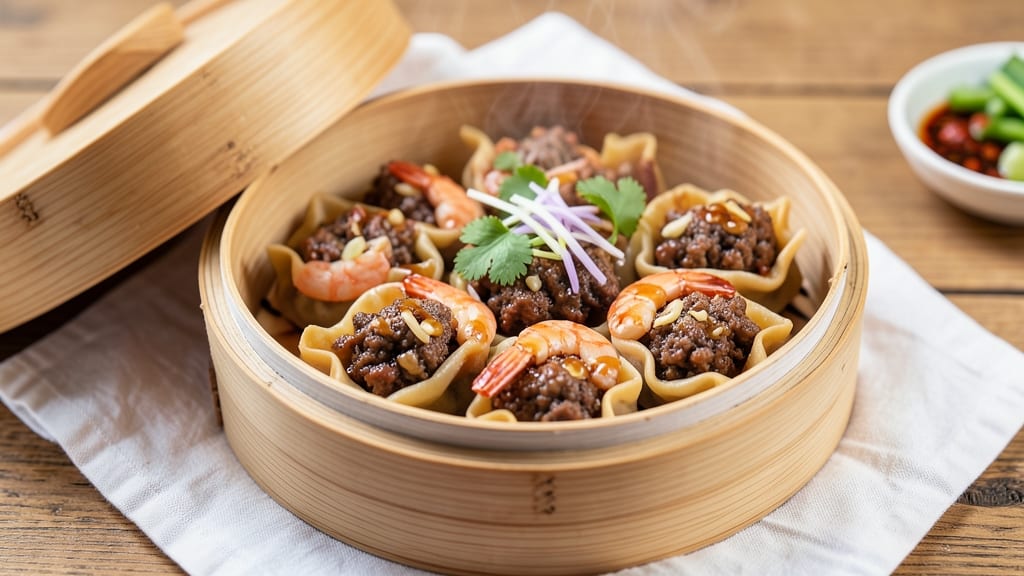
This beef and shrimp siomai recipe delivers the perfect balance of savory pork and sweet shrimp in tender, juicy dumplings that steam to golden perfection. 🌟 Inspired by Filipino-Chinese traditions, these bite-sized parcels are traditionally served with vinegar dip, but I've adapted the filling to highlight both proteins without overpowering one another.
The secret lies in properly cooking the meats first—ground beef for rich depth and shrimp for a delicate sweetness that complements rather than competes.
What sets these siomai apart is the foolproof wrapping technique that ensures every dumpling maintains its shape during steaming.
We'll use wonton wrappers for a classic texture, but the real magic happens in the filling preparation—where minced ginger, garlic, and a touch of soy sauce create the perfect flavor bridge between the two proteins.
The recipe includes a simple vinegar dip that cuts through the richness, making each bite feel balanced and refreshing.
By the time you're done, you'll have a restaurant-quality batch of siomai with crisp-edged wrappers and juicy, flavorful fillings that stay cohesive even after steaming. The aroma alone will bring your kitchen to life, while the texture—tender yet slightly chewy—makes them impossible to resist.
These dumplings pair beautifully with a crisp green salad or steamed bok choy to round out the meal.
Whether you're serving them as an appetizer for a dinner party or prepping for a weeknight family meal, this recipe delivers authentic flavors with modern convenience. The filling can be made ahead and frozen, so you're always just a steam away from deliciousness. Let's get started on these crowd-pleasing dumplings!
Ingredients for beef and shrimp siomai
Eight ingredients for the filling, plus a few extras for the dip and steaming. Nothing fancy, just bold flavors that shine together.
| Ingredient | Amount | Notes |
|---|---|---|
| Ground Beef (80/20) 🥩 | ¾ lb | Finely ground for even texture |
| Large Shrimp (Peeled, Deveined) 🦐 | 1 lb | Tail-on for presentation |
| Wonton Wrappers 🍡 | 24 pieces | Square, 3.5-inch size preferred |
| Garlic Cloves 🧄 | 4 cloves | Minced, aromatic intensity |
| Fresh Ginger 🌿 | 1 ½ tbsp | Finely minced, zesty kick |
| Light Soy Sauce 🍶 | 2 tbsp | Kikkoman preferred for balance |
| Dark Soy Sauce 🍶 | 1 tbsp | For deep umami richness |
| Sesame Oil 🫒 | 1 tsp | Toasted aroma, use sparingly |
| Shaoxing Wine 🍷 | 1 tbsp | Substitute with dry sherry |
| Green Onions 🧅 | 2 whole | Thinly sliced, fresh green |
| White Rice Vinegar 🍶 | ½ cup | For vinegar dip |
| Chili Garlic Sauce 🌶️ | 1 tbsp | For dip heat, optional |
| Salt 🧂 | ½ tsp | Kosher or sea salt |
| Black Pepper 🌶️ | ¼ tsp | Freshly ground |
| Vegetable Oil 🫒 | 1 tbsp | For cooking shrimp |
The shrimp and beef are the stars, so quality matters. Wild-caught shrimp from the seafood counter (look for bright pink color, not gray) and 80/20 ground beef for that juicy fat content—don't skimp here. I always grab mine from Trader Joe's when they have fresh shrimp, but the frozen stuff works too if you thaw it properly. For the wrappers, King Noodle or Nongshim are my go-tos—they're thin enough to get crispy edges when steamed. Keep an eye out for packages labeled 'wonton skins' or 'dumpling wrappers' in the Asian aisle.
No shaoxing wine? Dry sherry or mirin will do in a pinch, though the flavor won't be identical. Swapping shrimp? Scallops or extra beef work, but keep the total filling weight similar. The ginger can be substituted with 1 tsp ground ginger, but fresh has way more punch. For the vinegar dip, rice vinegar is non-negotiable—apple cider vinegar won't give you that clean, bright tang. And if you're feeling spicy, add a dash of Sriracha or gochujang to the dip instead of chili garlic sauce. The wrappers should be pliable but not sticky—if they feel dry, lightly mist them with water.
Prep the filling ahead and freeze it in portions—just thaw and steam when ready. The dumplings keep for 2 days in the fridge, but they're best fresh. For freezing, steam first, then store in a single layer before bagging. Reheat by steaming for 5-6 minutes over boiling water. The vinegar dip stays fresh for 1 week in the fridge, so make extra—it's perfect on grilled fish or noodles too. And if you're making a big batch, double the wrappers—they disappear fast!
Why You'll Love This Recipe
- Fridge-to-Table Speed: I swear by this when I’m starving at 7:30pm—just mix the beef, shrimp, and ginger in a bowl, fold into wrappers, and steam. No chopping, no fuss, just 15 minutes of hands-on time before you’re eating.
- Umami Bomb Combo: That 80/20 beef keeps it rich, but the shrimp adds a bright snap, while the garlic and ginger? They turn it into something restaurant-quality without trying. Honestly, the first bite makes you forget it’s homemade.
- Party or Pantry: Steamed siomai are my secret weapon for potlucks—they’re easy to pack, reheat well, and even my picky uncle loves them. Freeze extras? Yes, please. Just toss them in boiling water later.
- Budget Flex: Ground beef and shrimp stretch into a ton of dumplings, and won’t break the bank like pre-made siomai. Between us, this is how I feed my family for under $12. (Yes, even on a Tuesday night.)
Step-by-step instructions for beef and shrimp siomai
Here's how to craft these delicate dumplings with a perfect balance of savory beef and sweet shrimp filling.
👨🍳 Step 1: Prepare the Filling Ingredients
Start by mincing the 4 cloves garlic cloves and 1.5 tbsp fresh ginger into a fine paste using a mortar and pestle or food processor. This creates an aromatic base that infuses the filling with depth. In a large bowl, combine the 0.75 lb ground beef (80/20) with the garlic-ginger paste, 2 tbsp light soy sauce, 1 tbsp dark soy sauce, 1 tbsp Shaoxing wine, 0.5 tsp salt, and 0.25 tsp black pepper.
In a separate bowl, prepare the shrimp by removing the tails and finely chopping them into small pieces (about ½-inch chunks). Toss the shrimp with 1 tsp sesame oil to enhance their natural sweetness. Here's the thing—don't overmix the beef mixture; just combine until everything is evenly distributed. You want the filling to stay tender, not dense.
🍳 Step 2: Cook the Filling Components
Heat 1 tbsp vegetable oil in a non-stick skillet over medium-high heat. Add the beef mixture and cook for 3-4 minutes, breaking it apart with a wooden spoon until it loses its raw color and becomes light brown. The fat should render out, creating a moist filling.
In the same skillet (no need to clean it—the browned bits add flavor), add the shrimp and cook for 1-2 minutes until just opaque. The shrimp should stay tender, not rubbery. Remove both mixtures from the skillet and let them cool completely—this prevents the wrappers from getting soggy when you assemble them.
🥘 Step 3: Assemble the Siomai
Place the 24 wonton wrappers on a clean, dry surface. Using a spoon, place 1 teaspoon of the beef mixture in the center of each wrapper. Then add ½ teaspoon of the shrimp mixture on top of the beef. The key here is precision—don't overfill or the dumplings will burst during steaming.
Fold the wrappers diagonally to form triangles. Press the edges firmly with your fingers or a fork to seal completely. I like to make a small pleat at the top for extra security—this prevents leaks during steaming. Arrange the assembled siomai on a plate, leaving a little space between each one for even steaming.
⏰ Step 4: Steam to Perfection
Set up a steamer by filling a pot with 2 inches of water and bringing it to a boil. Place a steamer basket or rack inside and arrange the siomai in a single layer, not touching. Cover with a lid and steam over medium-high heat for 8-10 minutes until the wrappers are translucent and the filling is fully cooked.
Don't peek during steaming—each time you lift the lid, you release steam and extend the cooking time. For the perfect finish, I recommend using a bamboo steamer for even heat distribution. Once steamed, transfer the siomai to a plate and let them rest for 2 minutes before serving.
🍽️ Step 5: Prepare the Dipping Sauce
While the dumplings steam, prepare the dipping sauce by whisking together 0.5 cup white rice vinegar, 1 tbsp chili garlic sauce, and 1 tbsp light soy sauce in a small bowl. Thinly slice the 2 whole green onions and sprinkle them on top for garnish and freshness.
Serve the siomai immediately with the dipping sauce on the side. The contrast of the delicate, savory dumplings with the tangy, slightly spicy sauce makes every bite unforgettable. These dumplings are best enjoyed fresh—waiting too long makes the wrappers tough.
Pro Tips For Making Beef And Shrimp Siomai
- STEAM THE WRAPPERS FIRST: I learned this the hard way—dry wonton wrappers puff up like sad balloons when steamed. Soak them in warm water for 10 seconds, then steam for 30 seconds before filling. They’ll hold shape and stay crisp at the edges, not turn into soggy paper.
- CHOP GINGER LIKE IT’S 1995: Skip the microplane—finely dice that ginger into matchsticks (1/8-inch pieces). It melts into the filling instead of sitting as chunks, and you won’t end up with a mouthful of texture that doesn’t belong. (Yes, even if you’re impatient like me.)
- DON’T OVERWORK THE FILLING: Mix the beef and shrimp filling just until combined—overhandling makes siomai dense and chewy. Use your hands for the last 10 seconds, then stop. The fat in the 80/20 beef needs room to render, not get squeezed out.
- SEAR SHRIMP SEPARATELY: Toss the shrimp in a hot pan for 30 seconds before mixing with beef. The quick sear locks in juices and adds a smoky edge that raw shrimp can’t. (Pro move: Add a pinch of sugar to the pan—it caramelizes and cuts through the richness.)
Essential equipment for this dish
Steamer Essentials
You’ll need a bamboo steamer for even heat distribution and authentic texture—I swear by the Takeya brand for its sturdy construction and perfect fit. If you don’t have one, a metal steamer basket with holes works, but avoid wire racks that can tear wrappers.
The key is 2 inches of water in your pot, kept at a gentle boil—never a rolling boil, or your dumplings will steam unevenly. 🌿
Wrapping Tools
A fork and small plate are your best friends for sealing. The fork presses edges firmly without crushing the filling, while the plate keeps wrappers from sticking.
For extra precision, I use a dumpling mat (like King Noodle’s) to shape pleats—just place the wrapper on the mat, add filling, then fold diagonally. Pro tip: Lightly dampen wrappers with a pastry brush if they feel too dry.
Cutting Gear
Sharp tools are non-negotiable. Use a small, sharp knife (like Mercer Culinary’s 6-inch) to mince garlic and ginger finely—this prevents gritty texture. For shrimp, a chef’s knife works, but a sushi knife gives cleaner cuts. Prep all ingredients before assembling to avoid mid-process mess. 🔪
Mixing Bowls
Two medium glass bowls (like Pyrex) are ideal for separating beef and shrimp fillings. Glass won’t absorb flavors like plastic, and the transparency lets you check for even mixing.
For the shrimp, a small ceramic bowl (like Corelle) works best—its non-slip base prevents spills when tossing with sesame oil.
Sauce Supplies
Whisk the vinegar dip in a small ramekin (like Le Creuset’s) for easy serving. A microplane (like Barkeeper’s Friend) is perfect for fresh ginger—it creates a fine paste without overworking the flesh. For garnish, a pair of kitchen shears trims green onions cleanly in seconds. 🥄
Nutrition facts
Frequently asked questions
Can I substitute shrimp with another seafood for siomai?
For a similar texture, use scallops (finely diced) or clams (minced) in place of shrimp. Avoid fish like salmon or tuna—they're too oily and can make the filling greasy. If using scallops, sear them just until opaque (1 minute) to maintain tenderness. The key is keeping the seafood delicate so it doesn't overpower the beef.
Why does my siomai filling leak during steaming?
Leaky siomai usually means one of three things: overfilling, improper sealing, or undercooked wrappers. Use 1 tsp beef + ½ tsp shrimp per wrapper max, and press edges firmly with a fork. If wrappers feel stiff, lightly mist them with water before folding. Also ensure your steamer has enough water (2 inches) and isn't boiling too vigorously—gentle steam prevents bursting.
How do I make these siomai ahead of time?
You can prep the filling 2 days ahead and store it in the fridge, or freeze it for up to 1 month. For frozen siomai, assemble and steam them first, then cool completely before storing in a single layer. Reheat by steaming for 5-6 minutes—they'll taste fresh! The vinegar dip keeps for 1 week in the fridge, so make extra for other dishes like grilled fish or noodles.
What's the best way to serve beef and shrimp siomai?
These dumplings shine as an appetizer with the vinegar dip, but they're also perfect for a light lunch. Pair them with a crisp green papaya salad or steamed bok choy to balance the richness. For a full meal, serve with jasmine rice and a side of miso soup. The contrast of warm dumplings with cool, tangy dipping sauce is key—don't skip the garnish of green onions!
Can I boil siomai instead of steaming?
Boiling works in a pinch, but steaming gives the best texture—wrappers stay delicate and filling remains juicy. If boiling, use a large pot of gently simmering water (not boiling vigorously) for 4-5 minutes. The wrappers will puff up more than when steamed, but they'll be slightly softer. For restaurant-style results, stick with steaming—it's the traditional method that preserves the dumpling's integrity.