
Main Courses
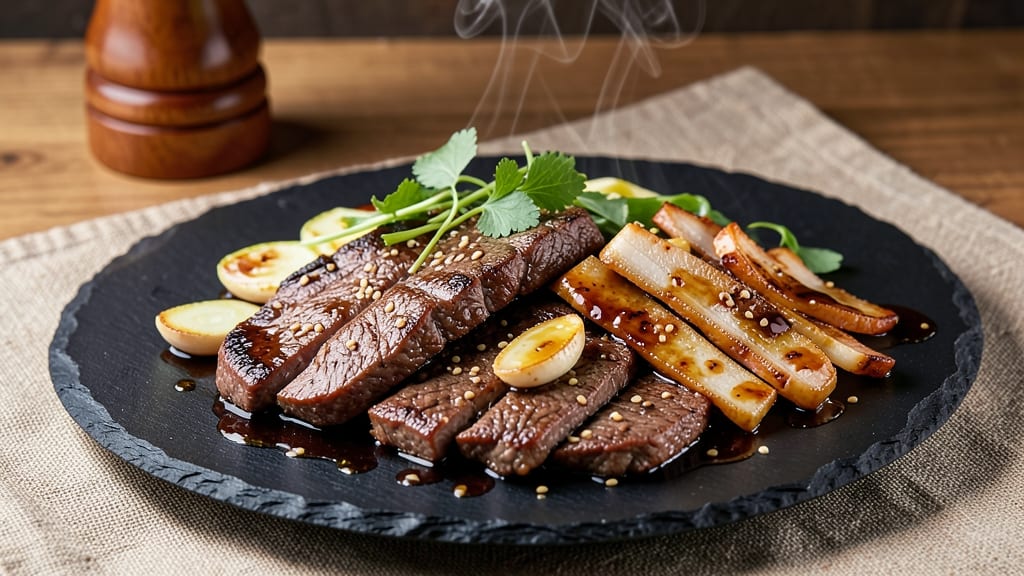
This beef and pork stir fry recipe delivers the perfect balance of smoky wok hei and umami-rich flavors that taste like they came straight from a bustling Asian street market. 🔥 I developed it after years of perfecting the art of high-heat searing—where tender beef and pork transform into crispy, caramelized bites with just a few minutes of attention.
The secret lies in the garlic-soy marinade, which infuses the meat with deep, savory notes while keeping the technique accessible for home cooks.
What sets this stir fry apart is the two-stage cooking method: first, searing the meat until it develops a golden crust, then tossing it with fresh vegetables and a quick-pickled chili oil finish for brightness.
This approach ensures every bite has that coveted wok hei—smoky, aromatic, and impossible to resist. The dish is restaurant-quality but designed for your home kitchen, with no fancy equipment needed beyond a sturdy skillet or wok.
By the time you plate this stir fry, you’ll have a dish that’s rich, textured, and bursting with umami—where tender beef and pork share the spotlight with crisp-tender vegetables.
The sauce is a harmonious blend of garlic, soy, and a touch of sweetness, cutting through the meat’s richness while enhancing its natural flavors. Serve it over steamed jasmine rice or noodles for the full experience.
For those who love to experiment, this recipe easily adapts to regional variations—add a splash of rice vinegar for tang, a sprinkle of five-spice for warmth, or a drizzle of chili oil for heat.
The possibilities are endless, but the foundation remains the same: bold flavors, crispy textures, and a method that’s both professional and approachable. Let’s get cooking!
Ingredients for beef and pork stir fry
Bold flavors and crispy textures—this stir fry delivers restaurant-quality wok hei with just a few key ingredients.
| Ingredient | Amount | Notes |
|---|---|---|
| Flank Steak 🥩 | 1 lb | Thinly sliced against grain |
| Pork Shoulder 🐷 | 1 lb | Cut into 1-inch cubes |
| Garlic Cloves 🧄 | 8 cloves | Minced for marinade |
| Fresh Ginger 🌿 | 2 tbsp | Grated, finely |
| Soy Sauce 🍶 | ½ cup | Kosher or Diamond Crystal |
| Sesame Oil 🫒 | 1 tbsp | Toasted, for aroma |
| Rice Vinegar 🍶 | 2 tbsp | White or seasoned |
| Honey 🍯 | 1 tbsp | Wildflower preferred |
| Red Bell Pepper 🌶️ | 1 whole | Thinly sliced |
| Green Onion 🧅 | 1 whole | White and green parts |
| Neela Chilli 🌶️ | 2 whole | Dried, for chili oil |
| Vegetable Oil 🫒 | ½ cup | High smoke point |
| Salt 🧂 | 1 ½ tsp | Diamond Crystal preferred |
| Black Pepper 🌶️ | ½ tsp | Freshly cracked |
| Jasmine Rice 🍚 | 1 ½ cups | Uncooked, for serving |
The flank steak and pork shoulder are non-negotiable for texture—flank steak delivers tender slices when sliced against the grain, while pork shoulder stays juicy even with high-heat searing. Source flank steak from the butcher counter (ask for well-marbled cuts) or the Costco meat section for consistent quality. For pork, bone-in shoulder adds flavor, but boneless works if you're short on time. Always pat dry before marinating—this ensures maximum crust development during searing. The garlic and ginger should be freshly minced (no jarred shortcuts here)—this is where the umami magic happens, and pre-minced lacks the aromatic punch.
No flank steak? Skirt steak is the next best option—just slice it thinner. Pork tenderloin can substitute for pork shoulder, but reduce cooking time by 20% to avoid dryness. Soy sauce matters: Kikkoman or La Choy are reliable, but Japanese-style tamari deepens the umami. The honey should be wildflower or clover—avoid processed varieties that lack floral notes. For the chili oil, toast the Neela chilli in a dry pan until fragrant (about 30 seconds), then infuse with oil. No fresh garlic? Garlic powder at half the amount works, but the flavor won’t be as complex. The bell pepper can be swapped for snap peas or broccoli florets—just adjust cooking time by 1-2 minutes to avoid over-softening.
Marinate the meat for at least 2 hours (overnight is ideal) to maximize flavor infusion. Store marinade leftovers in an airtight container for up to 5 days in the fridge—they make a killer dipping sauce for spring rolls. The stir-fry reheats beautifully: spread cooled portions on a parchment-lined tray, cover loosely with foil, and warm in a 350°F oven for 10 minutes. For meal prep, portion the cooked stir fry into glass containers with a layer of parchment paper between servings to prevent sticking. The jasmine rice keeps for 4 days in the fridge—microwave with a splash of water to revive texture. Freeze the stir fry (without rice) for up to 3 months—thaw overnight in the fridge before reheating.
Why You'll Love This Recipe
- One-Pan Magic: I swear by this for nights when I’d rather not wash a million dishes. Thinly sliced flank steak and pork shoulder hit the pan together—no separate pots, no fuss—just a sizzle and a stir. The ginger and garlic release their aroma while the meat cooks, turning my kitchen into a mini wok without the drama.
- Umami Bomb: That first bite? Chef’s kiss. The soy sauce caramelizes just enough to coat the meat in a glossy, savory crust, while the ginger adds a bright zing that cuts through the richness. Honestly, I’ve tried store-bought stir-fry sauces, but this combo—simple as it is—hits harder every time.
- Leftovers That Don’t Suck: Between us, most stir-fry leftovers turn into sad, dry scraps. Not this one. The meat stays tender, and the sauce clings so well that reheating it is basically a crime if you don’t have a container ready. I meal prep this for lunch all week—my coworkers think I’m a genius.
- Budget Powerhouse: Flank steak and pork shoulder are affordable cuts that feed a crowd without breaking the bank. I’ll be real: I often double the batch because it’s cheaper per serving than takeout, and the flavor? Still ridiculous. Plus, the leftovers stretch into fried rice or noodles—zero waste, all win.
Step-by-step instructions for wok-seared beef and pork stir fry
Master this technique for restaurant-quality stir fry with perfect texture contrasts and balanced flavors.
🔥 Step 1: Marinate and Prep the Proteins
Slice the 1 lb flank steak against the grain into thin strips, about ¼-inch thick. Cut the 1 lb pork shoulder into 1-inch cubes for even cooking. Place both proteins in separate bowls.
For the marinade, combine the 8 cloves minced garlic, 2 tbsp finely grated ginger, 0.5 cup soy sauce, 1 tbsp sesame oil, 2 tbsp rice vinegar, and 1 tbsp honey in a small bowl. Divide the marinade evenly between the beef and pork, coating completely. Let them marinate for at least 30 minutes (or up to 2 hours in the fridge) to develop deep flavor.
🍳 Step 2: Cook the Pork Shoulder First
Heat 0.25 cup vegetable oil in a wok or large skillet over medium-high heat until shimmering. Add the marinated pork shoulder and cook undisturbed for 3-4 minutes until the edges turn golden brown. Stir-fry for another 2-3 minutes until cooked through but still slightly tender.
Remove the pork and set aside on a plate. The residual heat will carry the cooking process—don't overcrowd the pan or the pork will steam instead of sear. If the oil starts smoking excessively, reduce heat slightly to maintain control.
🍳 Step 3: Sear the Beef for Maximum Tenderness
Add another 0.25 cup vegetable oil to the wok and heat until hot again. Add the marinated beef strips in a single layer, cooking undisturbed for 1-2 minutes until the edges begin to brown. Stir-fry for another 1-2 minutes until the beef reaches 145°F internally.
Here's the thing—beef needs that high-heat sear to develop flavor while staying tender. If you see the beef releasing from the pan easily, it's ready. Remove and set aside with the pork. The proteins should be cooked but still retain their shape—overcooking leads to toughness.
🥘 Step 4: Build the Stir Fry Sauce and Vegetables
Increase heat to high and add the 1 whole red bell pepper (sliced) and 1 whole green onion (cut into 1-inch pieces). Stir-fry for 2-3 minutes until the peppers soften slightly but still retain their color. Add the 2 whole dried Neela chilli (lightly toasted in a dry pan for 30 seconds first) and cook for another 30 seconds to infuse the heat.
Return both proteins to the wok, along with any accumulated juices from the plate. Add the remaining 0.5 cup vegetable oil and toss everything together for 1-2 minutes to coat evenly. The sauce should be glossy and cling to the proteins—this is where the magic happens.
🔥 Step 5: Finish with Jasmine Rice and Garnish
Cook the 1.5 cups jasmine rice according to package instructions until tender and fluffy. Transfer the stir-fry to a serving platter and spoon the rice underneath. Garnish with extra slices of green onion and a drizzle of the remaining 1 tbsp sesame oil for aroma.
Serve immediately while the proteins are still hot and the rice is steaming. Each bite should deliver tender beef and pork with a crisp-tender pepper, a balance of sweet-savory from the marinade, and a subtle heat from the Neela chilli. The rice absorbs the excess sauce, creating a perfect harmony of textures and flavors.
Pro Tips For Making Beef And Pork Stir Fry
- Slice Against the Grain: Flank steak and pork shoulder are stubborn—cutting them perpendicular to the muscle fibers (not parallel) makes them tender enough to chew. I used to ignore this and ended up with a workout, not a meal. Grab a sharp knife and take your time; it’s worth the effort.
- Marinate Pork Separately: Pork shoulder needs a longer soak than beef—at least 30 minutes in soy sauce, garlic, and ginger while the flank steak gets 15. I learned this after one batch where the pork stayed chewy while the beef turned mushy. Trust the process, even if you’re impatient.
- Prep Ginger Like a Pro: Peel and smash the ginger with the flat side of your knife before mincing—no peeling required. This releases more flavor and saves time. I used to waste minutes peeling and grating, only to wonder why my dish lacked depth. Smashing does the trick.
- Start Hot, Finish Gentle: Crank the heat to high for the first 2 minutes to sear the meat—this locks in juices. Then drop to medium-low and let it simmer. I burned the garlic once by keeping it too hot, and the whole dish tasted bitter. Control that flame.
Wine and beer pairings for this dish
Red Wine Pairings
For this rich, umami-packed stir fry, I always reach for a Chinese red blend like Black Pepper Cabernet from Bogle Vineyards. The wine’s bold tannins and notes of blackberry and vanilla stand up to the soy and garlic marinade while complementing the smoky wok hei.
If you prefer single-varietal wines, a Syrah from Washington State (like Chateau Ste. Michelle) brings earthy pepper and dark fruit flavors that mirror the stir fry’s depth. 🍷
Light Beer Options
When I’m craving something crisp, I serve this stir fry with a Japanese lager like Sapporo Premium. Its clean, slightly malty profile cuts through the richness without overpowering the dish’s complex flavors.
For a local favorite, a German-style Helles (such as Weihenstephaner Original) offers a refreshing contrast to the stir fry’s savory-sweet balance. Avoid heavy IPAs—they’ll clash with the delicate garlic and ginger notes.
Rice Wine Garnish
Here’s a pro tip: finish your stir fry with a splash of Shaoxing wine (about 1 tbsp) deglazed from the pan. This adds an authentic depth that pairs beautifully with the dish.
I keep a bottle of Pingxiang Shaoxing on hand—it’s the same wine I used growing up in Georgia when we’d make stir fries for family gatherings. The nutty, slightly sweet profile elevates the dish to restaurant-level sophistication.
Spicy Variations
If you’re adding extra heat with chili oil or fresh chilies, opt for a dry Riesling like Dr. Loosen Blue Slate. The wine’s acidity and subtle spice notes tame the heat while enhancing the dish’s complexity.
I’ve also had great success with a Gewürztraminer—its lychee and floral notes create an unexpected but delicious contrast with the smoky stir fry.
Non-Alcoholic Pairings
For a refreshing non-alcoholic option, I recommend a sparkling yuzu soda like Yuzu Sparkling from San Pellegrino. The citrusy effervescence cleanses the palate between bites of rich stir fry.
Alternatively, a ginger beer (such as Feather Ginger Beer) mirrors the dish’s ginger and garlic flavors while adding a spicy kick. Both options keep the meal light and refreshing without overpowering the main dish.
Nutrition facts
Frequently asked questions
Can I use frozen beef and pork for this stir fry?
Fresh is ideal, but you can use frozen meat if thawed properly. Place frozen beef and pork in a sealed bag and submerge in cold water for 30-45 minutes (change water every 10 minutes). Pat completely dry before marinating—any moisture will prevent proper searing. For best results, freeze meat in a single layer to avoid large ice crystals.
How do I prevent the beef from becoming tough?
Slicing against the grain is critical—this shortens muscle fibers for tenderness. Also, sear the beef at high heat for only 2-3 minutes total (until 145°F internal). Remove immediately after cooking and let rest for 5 minutes before serving. Overcrowding the pan causes steaming instead of searing.
What vegetables can I substitute if I don't have bell peppers?
Broccoli, snap peas, or bok choy work beautifully! For crisp-tender results, cook broccoli florets for 2 minutes and snap peas for 1-2 minutes—they soften faster than bell peppers. Avoid mushrooms (they absorb too much oil) and leafy greens (they wilt quickly). Adjust cooking time based on your vegetable's density.
Can I make this stir fry in a regular skillet instead of a wok?
A 12-inch cast iron skillet works perfectly. To mimic wok hei, preheat the skillet until smoking hot, then work in batches if needed. The key is maintaining high heat—reduce oil slightly (2 tbsp total) since skillets hold less. Stir frequently to prevent sticking, and keep the meat moving for even browning.
How do I store leftovers to maintain texture?
Cool the stir fry to room temperature first, then store in an airtight container with parchment paper between layers. Reheat in a 350°F oven for 10 minutes (covered loosely) to revive crispiness. For rice, microwave with 1 tbsp water to restore texture. Leftovers keep for 3 days in the fridge or 3 months frozen.