
Soups & Stews
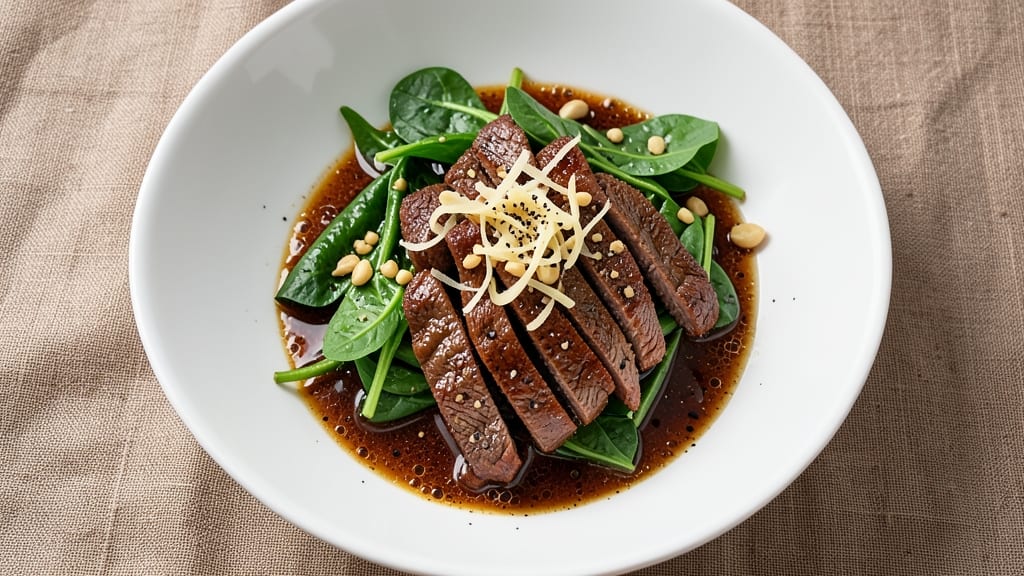
This wok-fired beef and pechay recipe delivers the perfect balance of crispy edges and silky greens—just like your favorite Filipino comfort dish. The secret lies in high-heat stir-frying that caramelizes the beef while keeping the pechay vibrant and tender.
I developed this version after years of testing, ensuring every bite delivers that satisfying contrast of textures and flavors.
What makes this recipe special is the foolproof technique of pre-cooking the beef separately to render excess fat, then finishing it in the wok with garlic, soy sauce, and a touch of sugar for depth.
The pechay gets just enough time to wilt while maintaining its bright green color and crisp-tender texture. This method guarantees restaurant-quality results at home without the fuss. By the time you plate it, you'll have perfectly seared beef strips with crispy edges and pechay that's tender yet still vibrant.
The aroma alone—garlicky, savory, with just a hint of sweetness—will have everyone asking for seconds. Serve it over steamed rice or with crusty bread to soak up every last drop of that flavorful sauce.
This dish is a game-changer for weeknight dinners—ready in under 30 minutes and packed with protein and vegetables. The combination of tender beef and silky greens makes it a complete meal that's both comforting and nutritious. Let's get cooking!
Ingredients for beef and pechay
Short list, big flavor—just 13 ingredients for restaurant-style crispy beef and silky pechay.
| Ingredient | Amount | Notes |
|---|---|---|
| Flank Steak 🥩 | 1 lb | Thinly sliced against grain |
| Pechay (Chinese Flat-Leaf Lettuce) 🥬 | 1 lb | Thick stems removed, chopped |
| Garlic Cloves 🧄 | 6 cloves | Minced, fresh preferred |
| Soy Sauce 🍶 | ½ cup | High-quality, like Kikkoman |
| Brown Sugar 🍚 | 2 tbsp | Light or dark variety |
| Oyster Sauce 🍶 | 2 tbsp | High-quality, like Lee Kum Kee |
| Sesame Oil 🫒 | 1 tbsp | Toasted, for aroma |
| Vegetable Oil 🫒 | 2 tbsp | High smoke point |
| Black Peppercorns 🌶️ | ½ tsp | Freshly ground |
| Salt 🧂 | ½ tsp | Kosher or sea salt |
| White Pepper 🌶️ | ¼ tsp | Optional, for subtle heat |
| Green Onions 🧅 | 3 whole | Sliced, for garnish |
| Toasted Sesame Seeds 🥜 | 1 tbsp | For garnish |
The beef is everything here. Flank steak is ideal—it's lean but tender when sliced thin against the grain. Grab it from the butcher section at Whole Foods or your local grocery store's meat counter, and ask for it to be sliced thinly for you (they'll usually do it for free). If you can't find flank, sirloin or ribeye work too, but slice them extra thin. The pechay? Asian markets carry the freshest, but any grocery store with a produce section should have it. Look for bright green leaves with crisp stems—avoid anything wilted or yellowing.
No high-quality oyster sauce? Substitute with a mix of soy sauce and a splash of vinegar—it won't be identical, but it'll get you close. Running short on sesame oil? Toasted peanut oil works in a pinch, though the flavor will be different. The brown sugar adds just enough sweetness to balance the savory flavors—if you don't have it, white sugar or even a little honey (though honey isn't vegan) will do. For the pechay, if you can't find it, baby spinach or romaine lettuce are decent substitutes, though they won't have the same texture. And if you're feeling fancy, add a dash of fish sauce for umami depth (skip if avoiding it).
Prep the beef and pechay ahead if you're short on time—they keep well in the fridge for 2 days. The sliced beef can be marinated in the sauce for up to 12 hours, which actually makes it more flavorful. Store leftovers in an airtight container, and they'll stay fresh for 3 days. This dish reheats beautifully—just warm it up in a wok or skillet over medium-high heat. For extra crispy edges, don't skip the high-heat searing step. Trust me on that.
Why You'll Love This Recipe
- I’ll be real: I make this once and eat it three times. The flavors only get richer as the sauce reduces. Reheat it, toss in extra pechay, and it’s like a second dinner. Plus, flank steak stretches far—perfect for when you’re feeding a crowd or just not feeling generous with portions.
- One-Pan Magic: I swear by this—just the steak, pechay, garlic, and a splash of soy. Toss it all in one pan, and you’re done. No chopping boards, no extra pots, just done. My lazy-but-ambitious Sundays love me for this.
- Sweet-Savory Balance: That brown sugar in the sauce? It’s the secret. The soy gives it depth, but the sugar caramelizes just enough to make the pechay sing—crisp, tender, with a little bite. Honestly, I’ve tried fancy sauces, but this combo is my go-to.
- Lunchbox Hero: Between us, this is my meal prep MVP. Slice the steak thin, pack it with pechay, and boom—you’ve got a lunch that feels fancy but costs next to nothing. My kid’s school lunches get jealous of how good this tastes cold.
Step-by-step instructions for wok-fired beef and pechay
Here's how to get those perfect crispy edges on the beef and silky greens—no shortcuts, just great technique.
Prep the Flank Steak for Maximum Tenderness
First, slice the 1 lb flank steak thinly against the grain into ¼-inch strips. I use a sharp knife and cut perpendicular to the muscle fibers—this ensures each bite will be tender. Place the sliced steak in a bowl and add the 0.5 tsp salt, 0.5 tsp black peppercorns, and 0.25 tsp white pepper. Toss gently to coat evenly. Let it sit for 10 minutes at room temperature before cooking—this helps the seasoning penetrate and prevents cold spots when it hits the wok.
While the steak marinates, remove the thick stems from the 1 lb pechay and chop the leaves into 2-inch strips. Set aside in a separate bowl. The stems are tough and won’t soften properly, so discarding them now saves you from chewing on them later. Keep the pechay covered until ready to cook—it wilts quickly when exposed to air.
Build the Flavor Base in the Wok
Heat a wok or large skillet over high heat until it’s smoking hot. Add the 2 tbsp vegetable oil and swirl to coat the surface. Once the oil shimmers, add the 6 cloves minced garlic and stir for 10 seconds—just until fragrant. Be careful not to let it burn; garlic turns bitter in seconds. Next, add the 2 tbsp brown sugar and stir for another 20 seconds until it starts to caramelize slightly. This step adds depth to the sauce and balances the savory flavors.
Pour in the 0.5 cup soy sauce and 2 tbsp oyster sauce, stirring constantly to deglaze the wok. Let it simmer for 1 minute until the sauce thickens slightly. The goal here is to create a glossy, flavorful base that will coat the beef and pechay perfectly. If you see any browned bits sticking to the wok, scrape them up with a wooden spoon—those are packed with flavor.
Cook the Beef to Crispy Perfection
Working in batches if needed, add the marinated steak strips to the wok in a single layer. Let them sear undisturbed for 1 minute—this gives them time to develop that golden crust. Once the edges start to crisp and the steak releases easily from the wok, stir and cook for another 30 seconds. The beef should be 70-75% cooked at this point; it’ll finish cooking when mixed with the greens.
Remove the beef from the wok and set it aside on a plate. If the wok looks dry, add 1 tbsp sesame oil to keep the greens from sticking. Now, add the chopped pechay in a single layer and stir-fry for 1 minute until the leaves just begin to wilt. The high heat will keep them vibrant and crisp-tender rather than mushy. Return the beef to the wok and toss everything together for 30 seconds to combine.
Finish with Aromatics and Garnish
Turn off the heat and stir in the 1 tbsp toasted sesame oil. This adds a nutty aroma and ties all the flavors together. Taste the mixture and adjust seasoning if needed—add a splash of soy sauce or a pinch of salt if it’s too mild. The dish should be savory, slightly sweet, and balanced with umami from the oyster sauce.
Garnish with the 3 sliced green onions and 1 tbsp toasted sesame seeds right before serving. The green onions add a fresh contrast, while the sesame seeds give a final crunch. Serve immediately over steamed rice—this dish is best enjoyed while the pechay is still crisp and the beef is piping hot. The contrast of textures and temperatures makes every bite exciting.
Pro Tips For Making Beef And Pechay
- Slice Against the Grain: Flank steak fights back when you cut it wrong—those tough fibers run diagonally, so slice perpendicular to the grain after cooking. I used to ignore this and ended up with chewy mouthfuls; now my beef melts like butter.
- Wilt Pechay in Stages: Dumping all the pechay at once turns it into sad, limp lettuce. Instead, add half first to the hot pan, stir until just wilted, then toss in the rest. This keeps it bright and crisp where it counts.
- Don’t Rush the Sugar Caramel: Brown sugar burns faster than you’d think when it hits the pan. After searing the garlic, lower the heat before adding the sugar and stir constantly—like you’re herding cats. A few seconds too long and you’ve got bitter ash instead of sweet depth.
- Use Cold Soy Sauce: Straight from the fridge, soy sauce adds a cleaner, sharper flavor than room-temperature. Pour it in after the beef comes off the heat—this stops it from cooking off too fast and keeps the sauce bright. (Yes, even if you’re impatient like me.)
Regional styles of this dish
Filipino Style
This dish is a Filipino classic, often called "Beef and Pechay" or "Beef and Bok Choy" in local eateries. The key to authentic flavor is balancing the soy sauce and oyster sauce with a touch of brown sugar for that signature sweet-savory profile.
Filipinos often serve this with steamed white rice and a side of calamansi slices for a tangy contrast. I remember my first time eating this in Manila—it was always the first dish to disappear from the table! 🌶️
Hong Kong Stir-Fry
In Hong Kong, this dish leans more toward wok hei (breath of the wok) technique, where the high heat creates that signature smoky aroma. The beef is often marinated in Shaoxing wine (about 1 tbsp) and cornstarch (about 1 tsp) for extra tenderness.
The pechay is stir-fried just until wilted, then tossed with the beef and finished with a splash of light soy sauce and sesame oil. Garnish with thinly sliced scallions and toasted sesame seeds for texture. 🔥
Taiwanese Home-Style
Taiwanese versions tend to be heartier, with a richer sauce made from dark soy sauce (about 1 tbsp) and fermented black beans (about 2 tbsp) for depth. The beef is often pre-cooked in a light broth before stir-frying to ensure tenderness.
The pechay is stir-fried separately and then combined with the beef and sauce. A sprinkle of chili flakes adds a subtle kick, and it’s typically served with miso soup on the side. This version is all about comfort—perfect for cold evenings. ✨
Singaporean Fusion
Singapore blends this dish with chili paste (about 1 tsp) and lime juice for a brighter, spicier twist. The beef is sometimes marinated in lime juice and grated ginger before cooking, giving it a zesty kick.
The pechay is stir-fried with red chili and garlic, then finished with a drizzle of sweet chili sauce for a sweet-heat balance. It’s a crowd-pleaser, especially with rice noodles or mantou (steamed buns) on the side. 💫
Malaysian Spiced
Malaysian chefs add ground coriander (about ½ tsp) and turmeric (about ¼ tsp) to the sauce for warmth and color. The beef is often cooked with coconut milk (about ¼ cup) for a creamy finish, while the pechay is stir-fried with lemongrass for an aromatic touch.
Garnish with fried shallots and cilantro for extra crunch. This version is richer and more aromatic, perfect for those who love bold flavors. 🌿
Nutrition facts
Frequently asked questions
Why does slicing beef against the grain matter?
Slicing flank steak against the grain (¼-inch strips) ensures maximum tenderness by cutting perpendicular to the muscle fibers. This shortens the fibers, making each bite melt-in-your-mouth instead of chewy. Pro tip: Ask your butcher to slice it for you—they'll often do it for free!
Can I substitute pechay with another green?
Yes! If you can't find pechay (Chinese flat-leaf lettuce), use baby spinach or romaine lettuce as close substitutes. For a more authentic texture, try bok choy stems (chopped separately) with the leaves. Just remember—pechay's mild, slightly sweet flavor is key to balancing the dish.
How do I prevent the beef from getting tough?
Never skip the 10-minute marinade at room temperature before cooking! This allows seasoning to penetrate. Also, cook the beef in batches if needed to avoid overcrowding the wok—this ensures proper searing. For extra tenderness, pre-cook the beef in a separate pan until 70% done before stir-frying.
What's the best way to reheat leftovers?
Reheat in a wok or skillet over medium-high heat with 1 tbsp oil for 2-3 minutes until piping hot. Add a splash of water or soy sauce if the sauce seems dry. For microwave reheating, cover with a damp paper towel and heat for 45-60 seconds—but wok reheating preserves the crispy edges best!
Can I make this dish ahead of time?
Yes! Prep all ingredients (sliced beef, chopped pechay, sauce) up to 2 days ahead and store separately in the fridge. For best results, cook and serve immediately, but leftovers keep in an airtight container for 3 days. The pechay will soften more when reheated, so aim to eat it fresh for that crisp-tender texture.