
Soups & Stews
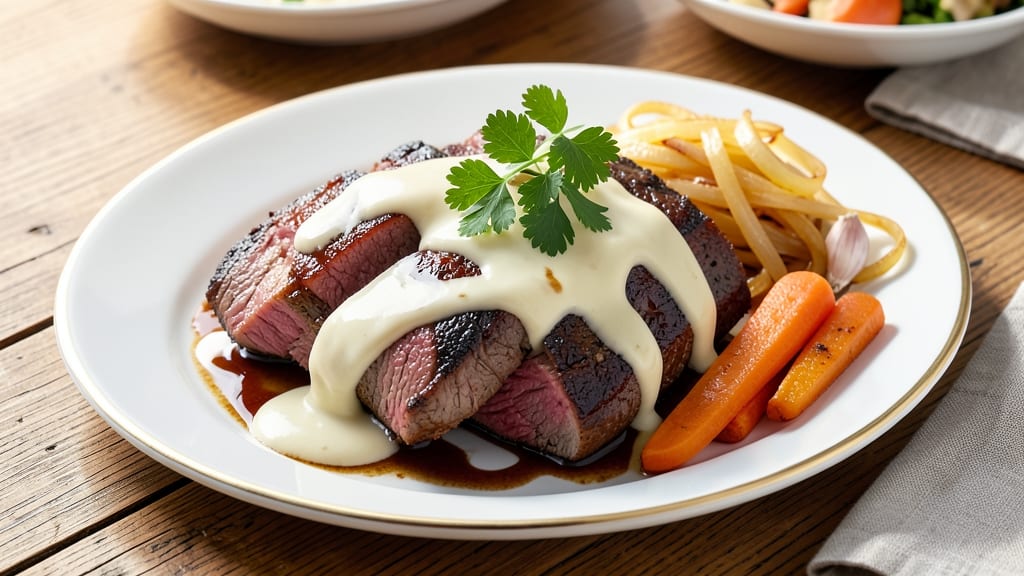
This beef and mayonnaise recipe redefines comfort food with a silky, creamy stew that balances rich beef with velvety mayo-based sauce. The secret lies in slow-cooked beef that practically melts in your mouth, then gets enveloped in a sauce where mayonnaise transforms from simple spread to luxurious binder.
I developed this after years of experimenting with mayo-based sauces—this version delivers restaurant-quality depth without the fuss.
The magic happens in two stages: first, searing beef until deeply flavorful, then simmering until tender. Meanwhile, the mayo-based sauce thickens beautifully while absorbing beef juices, creating a velvety texture that coats every bite.
This isn't your grandmother's beef stew—it's a sophisticated dish where mayo becomes the star ingredient rather than an afterthought.
What you'll end up with is a dish that's surprisingly elegant yet approachable—creamy yet balanced, rich yet not heavy. The beef remains tender and flavorful, while the sauce delivers that signature mayo creaminess with subtle depth from aromatics. Perfect for chilly evenings when you crave something hearty but still refined.
Pair with crusty bread for dipping or serve alongside roasted vegetables to complete the meal. The recipe scales beautifully for gatherings, and leftovers reheat perfectly for quick lunches. Here's how to create this unexpected yet utterly satisfying beef and mayonnaise stew.
Ingredients for beef and mayonnaise
Rich beef and velvety mayo transform into this surprisingly elegant stew.
| Ingredient | Amount | Notes |
|---|---|---|
| Beef Chuck Roast 🥩 | 2 lb | Pre-cubed for even cooking |
| Mayonnaise 🥫 | 1 cup | Full-fat preferred for creaminess |
| Yellow Onion 🧅 | 1 whole | Diced into small pieces |
| Carrots 🥕 | 4 medium | Peeled and sliced into rounds |
| Garlic Cloves 🧄 | 4 cloves | Minced for aromatic depth |
| Beef Broth 💧 | 2 cups | Low-sodium preferred |
| Red Wine 🍷 | ½ cup | Bold dry variety like Cabernet |
| Tomato Paste 🍅 | 2 tbsp | Smooth texture preferred |
| Fresh Thyme 🌿 | 1 tbsp | Leaves only, chopped fine |
| Bay Leaves 🍃 | 2 whole | Removed before serving |
| All-Purpose Flour 🌾 | 1 tbsp | For thickening sauce |
| Salt 🧂 | 1 ½ tsp | Kosher or sea salt |
| Black Pepper 🌶️ | ½ tsp | Freshly ground preferred |
| Olive Oil 🫒 | 2 tbsp | For searing beef |
The beef is non-negotiable here—chuck roast delivers that melt-in-your-mouth texture, while sirloin stays too firm. Most grocery stores carry pre-cubed chuck, which saves time, but if you're feeling ambitious, ask the butcher to cut it for you. For the mayo, full-fat is essential—it creates that luxurious creaminess the dish is known for. I always grab the Hellmann's Classic or Duke's from the regular grocery store, but any good-quality mayo will work. Look for vibrant color and a smooth texture—none of that separated stuff.
No red wine? Dry white wine or extra beef broth works in a pinch, though the color will be lighter. Fresh thyme is ideal, but dried thyme at one-third the amount gets you close. The tomato paste can be tricky—Trader Joe's squeeze tubes are perfect for this recipe since you only need a small amount. If you're using regular cans, measure carefully and don't overdo it. For the carrots, baby carrots are fine, but whole carrots peeled and sliced give you more control over the size. The flour is just for thickening at the end—don't skip it, but don't overdo it either.
This stew tastes even better the next day as the flavors meld together. Store leftovers in an airtight container in the fridge for 4-5 days or freeze for 3 months. I always make a double batch because it reheats beautifully—just warm it gently on the stove with a splash of broth. The sauce will thicken as it cools, so add a little extra liquid when reheating if needed. Perfect for meal prep since it keeps well and reheats like a dream.
Why You'll Love This Recipe
- Here’s what sold me: a chuck roast feeds six for under $20, and the mayo adds richness without breaking the bank. Carrots and onions are cheap staples, and garlic? Always a pantry win. It’s the kind of meal that makes grocery money go further without sacrificing taste—or time.
- One-Pot Magic: Honestly, I’ve made this recipe on nights when I’m too tired to do more than dump ingredients into a pot. The chuck roast and onions go in raw, simmer with mayo and garlic, and—poof—you’ve got a meal. No fancy searing, no peeling mountains of veggies, just hands-off cooking while you stir in carrots at the end.
- Rich, Unexpected Depth: Between us, the mayo isn’t just a binder—it’s the star. That creamy, tangy layer clings to the beef, turning tough cuts into something tender and ridiculously flavorful. The garlic and onions caramelize right into it, so every bite has this sweet-savory punch that’ll make you forget takeout exists.
- Leftover Goldmine: I swear by this for meal prep because it begs to be reheated. The beef stays juicy, the mayo doesn’t curdle (if you do it right), and it’s the kind of dish that tastes even better the next day. Pack it for lunches or freeze portions—your future self will thank you.
Step-by-step instructions for silky creamy beef stew
This rich, velvety stew combines unexpected ingredients for a dish that's both comforting and sophisticated.
Sear the Beef Chuck Roast for Deep Flavor
Heat a heavy Dutch oven over medium-high heat and add the 2 tablespoons olive oil. Once shimmering, add the 2 lb beef chuck roast in a single layer, working in batches if needed. Let each piece develop a deep brown crust—this takes about 5-7 minutes total—before removing and setting aside.
Don't rush this step. The Maillard reaction happening here creates complex flavors that form the stew's foundation. If your pan gets crowded, work in two batches to ensure proper browning. The beef should be golden brown all over with some caramelized spots forming.
Build the Aromatic Base
In the same Dutch oven, add the diced yellow onion and cook for 4-5 minutes until softened and beginning to caramelize. Stir in the minced garlic cloves and cook for 30 seconds until fragrant—you should smell that pungent garlic aroma wafting through your kitchen.
Next, add the 2 tablespoons tomato paste and stir vigorously for 1 minute to cook off the raw taste. This creates a rich, concentrated base that will deepen the stew's flavor profile. The mixture should darken slightly and become slightly sticky as it develops.
Deglaze and Simmer the Vegetables
Pour in the ½ cup red wine and scrape up all the browned bits from the bottom of the pot with a wooden spoon. This deglazing captures all those flavorful fond particles. Let the wine simmer for 3-4 minutes until reduced by half.
Add the peeled and sliced carrots, 2 cups beef broth, 1 tablespoon fresh thyme, 2 whole bay leaves, 1.5 teaspoons salt, and ½ teaspoon black pepper. Bring to a gentle boil, then reduce heat to medium-low and let it simmer uncovered for 20 minutes, stirring occasionally. This allows the vegetables to soften while developing their flavors.
Thicken with Mayonnaise for Creamy Texture
Return the browned beef to the pot along with any accumulated juices. Stir in the 1 tablespoon all-purpose flour and cook for 1 minute to remove any raw flour taste. Then, reduce heat to low and slowly whisk in the 1 cup mayonnaise in a thin stream.
Here's the magic: The mayonnaise will create that signature silky texture while adding richness. Let the stew simmer gently for 10-15 minutes, stirring occasionally, until it reaches your desired consistency. It should coat the back of a spoon but still be spoonable. If it thickens too much, add a splash of beef broth to loosen it.
Finish and Rest for Perfect Texture
Remove the 2 whole bay leaves and taste the stew. Adjust seasoning with additional salt or pepper if needed. Let the stew sit off the heat for 5-10 minutes before serving—this allows the flavors to meld completely and the mayonnaise to fully incorporate into the sauce.
Serve immediately with crusty bread or over mashed potatoes. Each spoonful should deliver tender beef, silky sauce, and perfectly balanced flavors. The mayonnaise adds an unexpected richness that transforms this into something truly special—creamy yet still hearty and satisfying.
Pro Tips For Making Beef And Mayonnaise
- Sear the Chuck First: The rich, caramelized crust from a hot sear makes all the difference in this dish—don’t skip it. Use a heavy pan and let the beef sit in there for 3-4 minutes per side until deep brown, even if it’s not fully cooked through. That’s where the flavor hides.
- Slice Onions Thinly: Thinly sliced onions (about 1/8-inch thick) cook faster and blend seamlessly into the mayo sauce. If you’re impatient like me, soak them in cold water for 10 minutes first—they’ll soften quicker and won’t overpower the dish.
- Don’t Overcook the Garlic: When you sauté the garlic with onions, keep the heat medium-low. Burnt garlic turns bitter and ruins the creamy texture of the mayo. Pull it out just as it turns golden—no need to wait for nutty perfection.
- Use Room-Temp Mayo: Cold mayo from the fridge will separate when mixed with hot beef juices. Take it out 15 minutes before using, or even better, warm it slightly in a microwave-safe bowl for 10 seconds. Smooth, creamy sauce every time—no lumps.
Regional styles of this beef and mayonnaise
French Beef Bourguignon
In France, this concept transforms into Beef Bourguignon, where mayo is replaced with a rich red wine reduction.
The technique remains similar—searing beef first, then slow-cooking—but the sauce relies on ½ cup red wine, 1 cup beef broth, and 2 tbsp tomato paste reduced for 30 minutes. Add 8 oz mushrooms and 1 pearl onion for classic French depth.
The result is tender beef in a velvety wine sauce, served with crusty baguette. 🍷
Southern U.S. Mayo-Based Stew
The American South takes this stew in a tangy direction, often adding ½ cup buttermilk to the mayo for extra creaminess. I’ve seen versions with smoked paprika and hot sauce for heat, plus cornbread on the side.
The key difference? A 15-minute simmer with 1 cup chicken broth instead of beef, making it lighter yet still rich. Perfect for a casual family dinner with pickled jalapeños on top. 🌶️
Japanese Beef Mayo Hot Pot
In Japan, this stew becomes Beef Mayo Nabe, a comforting hot pot where the mayo is emulsified with dashi broth and soy sauce. The beef is thinly sliced ribeye (instead of chuck) and cooked with shirataki noodles and bok choy.
The sauce is thickened with 1 tbsp cornstarch and served with steamed rice for dipping. The result is a lighter, brothier version with umami depth from the dashi. 🍜
Mexican-Style Beef Mayo Fajitas
For a bold twist, Mexican cooks turn this into Beef Mayo Fajitas, where the stew is deconstructed into a skillet dish. Sear 1 lb flank steak with bell peppers and onions, then toss with ½ cup mayo, 1 tbsp lime juice, and ½ tsp cumin.
Serve on warm tortillas with avocado slices and sour cream. The mayo adds creaminess without overpowering the smoky, charred flavors. 🌮
German Beef Ragout
German Rindfleischragout swaps mayo for a beer-mustard sauce but keeps the slow-cooked beef and root vegetables. The sauce is made with ½ cup dark beer, 1 tbsp Dijon mustard, and 1 tbsp flour to thicken.
Add 1 small potato and 1 carrot for heartiness. The dish is often served with buttered egg noodles or dumplings, balancing the richness with starchy sides. 🍺
Korean Mayo Beef Bulgogi
Korean chefs adapt this into Bulgogi Mayo Stew, where thinly sliced ribeye is marinated in soy sauce, sugar, and garlic, then slow-cooked with 1 cup mayo, ½ cup pineapple juice, and 1 tbsp sesame oil.
The sauce is reduced until glossy, creating a sweet-savory glaze. Serve over steamed rice with kimchi on the side for a fusion twist. 🍍
Nutrition facts
Frequently asked questions
Why does this recipe use mayonnaise in a beef stew?
The mayonnaise creates a luxurious, velvety texture that balances the heartiness of the beef. It acts as both a thickener and flavor enhancer, absorbing beef juices while adding richness without overpowering the dish. This technique transforms mayo from a simple condiment to a key sauce component that elevates the stew's depth.
Can I substitute regular mayo with Greek yogurt for a lighter version?
Yes, but with adjustments! Use ¾ cup plain Greek yogurt and add 1 tablespoon lemon juice to mimic mayo's tang. The texture will be slightly thicker, so thin with 1-2 tablespoons broth if needed. For best results, choose full-fat yogurt to maintain creaminess.
How do I prevent the sauce from breaking or separating?
Whisk the mayo in slowly over low heat and avoid boiling. If the sauce starts to curdle, immediately remove from heat and whisk in 1 tablespoon cold broth to stabilize. The flour helps bind the sauce, so ensure it's fully dissolved before adding mayo. Stir gently throughout the final 10-15 minutes of cooking.
What's the best way to reheat leftovers without breaking the sauce?
Reheat gently on the stove over low heat with 2-3 tablespoons broth to loosen the sauce. Stir constantly and avoid boiling—just warm until steaming (5-7 minutes). For microwave reheating, cover with a damp paper towel and heat in 30-second intervals, stirring between each.
Can I make this stew in an Instant Pot?
Sear the beef first in a skillet, then transfer to the Instant Pot with all ingredients except mayo. Cook on High Pressure for 30 minutes, then quick-release. Stir in mayo off the heat and let sit for 5 minutes before serving. The pressure cooker keeps the beef tender while maintaining sauce integrity.