
Soups & Stews
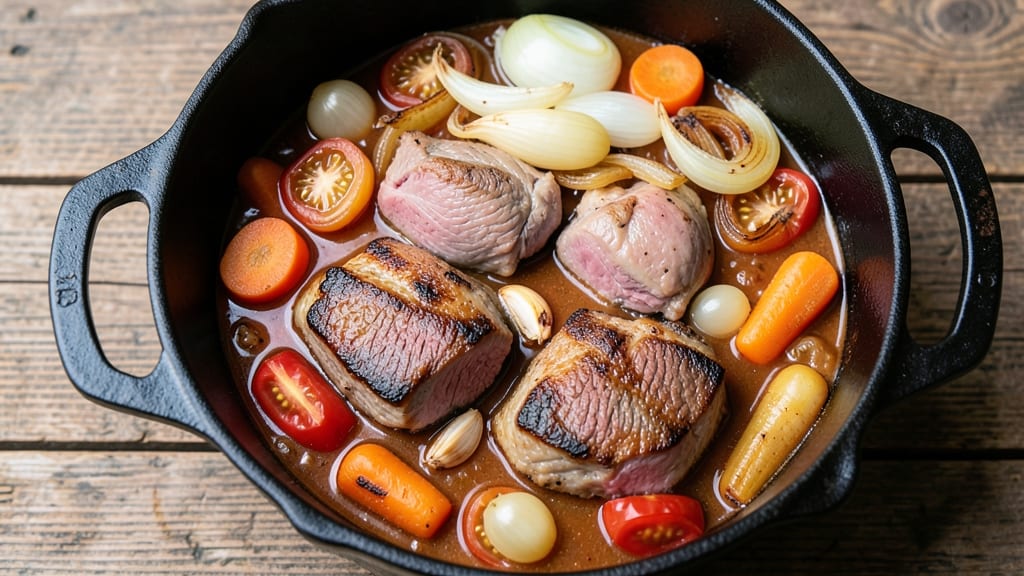
This beef and lamb stew recipe transforms tough cuts into melt-in-your-mouth perfection through deep-roasted spices and slow-simmered richness. The secret lies in browning the meat properly—creating a flavorful crust that forms the foundation of the dish.
I’ve perfected this technique over years, ensuring every bite delivers layers of savory depth without bitterness.
What sets this stew apart is the balance of textures: tender beef and lamb, caramelized onions, and hearty root vegetables all meld together in a velvety broth.
The slow simmer (at least 3 hours) breaks down collagen, transforming the stew into a restaurant-quality dish that tastes even better the next day. This method is foolproof, requiring minimal effort but delivering maximum flavor.
The result is a deeply aromatic stew with a rich, caramelized sauce that clings to every ingredient. The spices—cinnamon, cumin, and bay leaves—infuse warmth, while the lamb adds a subtle richness that complements the beef. Serve with crusty bread to soak up every last drop of that velvety sauce.
Whether you’re feeding a crowd or meal prepping for the week, this stew scales beautifully. The flavors only deepen with time, making it ideal for busy weeknights or cozy gatherings. Let’s get started on a dish that’s as comforting as it is impressive.
Ingredients for beef and lamb stew
Six hearty ingredients transform tough cuts into restaurant-quality beef and lamb stew perfection.
| Ingredient | Amount | Notes |
|---|---|---|
| Chuck Roast Beef 🥩 | 2 lb | Cut into 1.5-inch cubes |
| Lamb Shoulder 🐑 | 1 ½ lb | Bone-in, cut into chunks |
| Yellow Onions 🧅 | 3 large | Peeled, sliced into wedges |
| Carrots 🥕 | 4 medium | Peeled, cut into chunks |
| Garlic Cloves 🧄 | 6 cloves | Peeled, smashed |
| Tomato Paste 🍅 | ½ cup | High-quality, no sugar added |
| Red Wine 🍷 | 1 cup | Bold dry variety like Cabernet |
| Beef Broth 💧 | 4 cups | Homemade or high-quality |
| Ground Cumin 🌿 | 1 tbsp | Freshly toasted for depth |
| Ground Coriander 🌿 | 1 tbsp | Or substitute with cilantro seeds |
| Ground Cinnamon 🌶️ | ½ tsp | High-quality, warm spice |
| Bay Leaves 🍃 | 2 whole | Fresh if available |
| Olive Oil 🫒 | ¼ cup | Extra-virgin for richness |
| Salt 🧂 | 1 ½ tsp | Diamond Crystal preferred |
| Black Pepper 🌶️ | 1 tsp | Freshly cracked |
The meat selection is critical—chuck roast for beef delivers unmatched tenderness, while lamb shoulder adds rich, gamey depth. Both should have visible marbling for optimal flavor. Whole Foods or well-stocked butchers carry excellent cuts, but don't overlook the regular supermarket meat department—just check for bright color and proper fat distribution. For the onions, yellow onions provide the best caramelization, but red onions work if you prefer milder sweetness. The carrots can be any variety, but Nancy Gold carrots from specialty stores have superior texture and sweetness after slow cooking.
No red wine? Dry white wine or extra beef broth works, though the color will differ slightly. The tomato paste should be unsweetened—Mutti or Cirio brands from Italian markets are ideal. For the spices, Penzeys or bulk bins at natural food stores offer the freshest ground spices. If you can't find fresh bay leaves, dried work at half the quantity. The beef broth can be homemade, but Knight's or Pacific Foods brands deliver excellent results. For the lamb, if you can't find shoulder, lamb leg or neck works equally well when cut into similar-sized chunks.
This stew tastes even better the next day—3-4 days in the fridge, 6 months frozen. Portion into containers with a layer of broth to preserve moisture. The meat will be fork-tender after slow cooking, but if you're short on time, pressure cooking for 45 minutes delivers similar results. For reheating, add a splash of broth to prevent drying. The sauce thickens as it cools, so thin with additional broth if needed. Leftovers make excellent sandwiches with crusty bread—a perfect weeknight meal
Why You'll Love This Recipe
- One-Pot Magic: I swear by this—just toss everything in one pot and walk away. The chuck roast and lamb shoulder practically melt into each other while you’re busy with other things, and the onions and carrots soften into sweet, tender bits without any fuss.
- Rich, Earthy Depth: Between us, this isn’t your basic stew. The lamb shoulder adds a gamey richness that pairs perfectly with the beef’s deep, savory notes, while the garlic and onions caramelize into a flavor bomb. Honestly, the first bite makes you forget how easy it was to make.
- Leftovers That Shine: This stew tastes even better the next day—yes, really. I make a double batch on Sundays, and by Wednesday, it’s still the star of my lunch. The meat gets more tender with time, and the flavors meld into something truly special.
- Budget-Friendly Feast: Lamb shoulder and chuck roast stretch across multiple meals without breaking the bank. I’ve fed six people for less than $20, and everyone leaves happy. Plus, the carrots and onions bulk it up so you’re not just paying for meat—it’s a smart, satisfying meal.
Step-by-step instructions for beef and lamb stew
Master the art of slow-cooked richness with this layered technique that transforms tough cuts into melt-in-your-mouth perfection.
Sear the Meats for Deep Flavor
Heat a large Dutch oven over medium-high heat. Add the 2 lb chuck roast beef and 1.5 lb lamb shoulder in batches, being careful not to overcrowd the pan. Sear each piece for 3-4 minutes per side until deeply browned and developing a crust. This caramelization forms the flavor foundation.
Remove the meat and set aside. In the same pot, add the 0.25 cup olive oil and heat until shimmering. Add the 3 large yellow onions and 4 medium carrots in chunks, cooking for 8-10 minutes until softened and beginning to caramelize. Stir occasionally to prevent burning.
Toast the Spices and Build the Base
Reduce heat to medium-low and add the 6 cloves garlic cloves, 1 tbsp ground cumin, 1 tbsp ground coriander, 0.5 tsp ground cinnamon, and 1.5 tsp salt. Toast for 1-2 minutes until fragrant—this releases their essential oils and deepens their flavors. Be careful not to let them burn.
Stir in the 0.5 cup tomato paste and cook for 2 minutes to remove its raw taste. Pour in the 1 cup red wine and scrape up any browned bits from the bottom of the pot. Let it simmer for 3-4 minutes until the wine reduces by half and the mixture thickens slightly.
Simmer the Stew to Perfection
Return the seared meats to the pot along with the 4 cups beef broth and 2 whole bay leaves. Bring to a gentle boil, then reduce heat to low and cover partially. Let it simmer for 2.5-3 hours until the meats are fork-tender and the flavors have melded beautifully.
Here's the thing—don't rush this step. The slow simmer breaks down collagen in the meat, transforming it into gelatin that creates a luxuriously thick stew. Stir occasionally, but avoid over-mixing to prevent the vegetables from breaking apart. The stew should reduce slightly, intensifying its flavor.
Finish with Seasoning and Rest
Remove the bay leaves and adjust seasoning with additional salt and 1 tsp black pepper if needed. Let the stew rest for 15-20 minutes before serving. This resting period allows the flavors to fully develop and the stew to thicken slightly.
The final result should be a rich, aromatic stew with tender beef and lamb that falls apart easily. The vegetables should be perfectly cooked but still hold their shape, and the sauce should coat the back of a spoon with a velvety texture. Serve hot with crusty bread to soak up every last bit of that deep, spice-infused broth.
Pro Tips For Making Beef And Lamb Stew
- Brown the Meat Twice: Chuck roast and lamb shoulder need that deep, caramelized crust to build flavor. Don’t rush—sear the beef first until it’s dark brown on all sides, then pull it out. After the lamb hits the same pot, return the beef for another quick sear. This layered browning makes a real difference when the meat finishes tender in the broth.
- Cut Lamb Shoulder Against the Grain: That lamb shoulder is tougher than it looks, and slicing it wrong ruins all your effort. Before stewing, trim excess fat, then slice each piece against the grain—look for the muscle fibers and cut perpendicular. Thinner slices (about ½-inch) cook faster and stay tender. (Yes, it’s more work upfront, but your stew will actually hold together.)
- Don’t Overcrowd the Pot: I learned this the hard way—dumping all the meat and veggies in at once just steams them instead of browning. Start with half the onions and carrots, cook them until softened, then add the rest after removing the meat. Crowding turns stew into soup, and nobody wants that.
- Use Carrot Cores for Depth: Peel and chop the carrots as usual, but save the fibrous cores—chop them small and toss them into the pot with the aromatics. They’ll break down slowly, adding natural sweetness and body to the broth without needing extra sugar. (Your future self will notice the difference.)
Perfect pairings for this beef and lamb stew
Crusty Bread Pairings
Nothing complements this hearty stew like a freshly baked baguette or sourdough loaf. I recommend a rustic French baguette from your local bakery—its crisp crust soaks up the rich sauce beautifully.
For extra indulgence, try garlic butter bread by brushing slices with melted butter and sprinkling with garlic powder and parsley. 🥖
For a lighter option, ciabatta rolls work perfectly—their airy texture holds up to the stew's depth without overpowering it. If you're feeling adventurous, serve with grilled cheese sandwiches made with sharp cheddar and a touch of Dijon mustard on the outside.
Wine Pairings
A bold red wine is essential for cutting through the stew's richness. I love Cabernet Sauvignon or Malbec—their dark fruit notes and tannins complement the lamb and beef beautifully. For a lighter option, Pinot Noir from Oregon or Burgundy adds bright acidity that refreshes the palate. 🍷
If you prefer white wine, Chardonnay with noticeable oak (like a California or Chablis) works surprisingly well. Avoid overly sweet wines—they’ll clash with the stew’s savory depth. A glass of dry rosé can also be a refreshing contrast, especially on warmer days.
Vegetable Sides
For a balanced meal, serve with roasted Brussels sprouts tossed in olive oil, balsamic vinegar, and crushed almonds. Their slight bitterness balances the stew’s richness. Another favorite is creamy mashed potatoes—add a splash of beef broth to keep them light and flavorful. 🥔
If you want a fresh element, arugula salad with lemon vinaigrette provides a peppery contrast. For a heartier option, buttered egg noodles or wild rice pilaf absorb the stew’s sauce beautifully. Both add texture and make the meal even more satisfying.
Cheese Boards
End the meal with a cheese board featuring aged cheddar, brie, and blue cheese—each complements the stew’s spices differently. Pair with dried apricots, walnuts, and honey for a sweet-savory contrast. The cheeses’ creaminess balances the stew’s depth perfectly. 🧀
For a lighter option, goat cheese with honey drizzle and crackers work wonderfully. The tangy cheese cuts through the richness, while the honey adds a touch of sweetness. A few dark chocolate squares (70% or higher) finish the meal on a sophisticated note.
Nutrition facts
Frequently asked questions
Can I substitute lamb with another meat if I can't find it?
For a similar texture, use venison or beef short ribs—both add rich depth. If you prefer milder flavor, pork shoulder works well (reduce cooking time to 2 hours as it's more tender). Just adjust the spices slightly—venison needs extra garlic and cinnamon, while pork benefits from a pinch of smoked paprika.
How do I make this stew in a slow cooker?
Brown the meats and vegetables in a skillet first, then transfer everything to your slow cooker. Add the remaining ingredients (broth, wine, spices) and cook on low for 6-7 hours or high for 3-4 hours. The slow cooker's gentle heat achieves the same tender results without monitoring. For extra richness, finish with a splash of heavy cream or butter before serving.
Why does my stew taste bland after simmering?
Blandness usually means insufficient browning or under-seasoning. Always sear the meats until deeply browned—this creates the Maillard reaction for maximum flavor. If it's still bland, boost the spices (try 1/2 tsp smoked paprika or 1 tsp soy sauce), or add a splash of red wine vinegar at the end. The stew should taste rich even before adding salt—adjust gradually during tasting.
Can I prepare this stew ahead of time?
This stew tastes even better the next day! Store it in an airtight container in the fridge for 3-4 days or freeze for up to 6 months. Reheat gently on the stove with a splash of broth to maintain moisture. The flavors actually deepen as the broth reduces. For meal prep, portion into containers with a layer of broth on top to preserve texture. Pro tip: The sauce thickens when cold—thin with extra broth if needed.
What's the best way to reheat leftovers?
Always reheat stews gently to prevent drying. Warm over low heat on the stove (covered) with 1/4 cup extra broth5-10 minutes. For microwave reheating, cover with a damp paper towel and heat in 1-minute intervals at 50% power, stirring between each. Never reheat to boiling—this breaks down the meat's texture and makes the sauce stringy.