
Soups & Stews
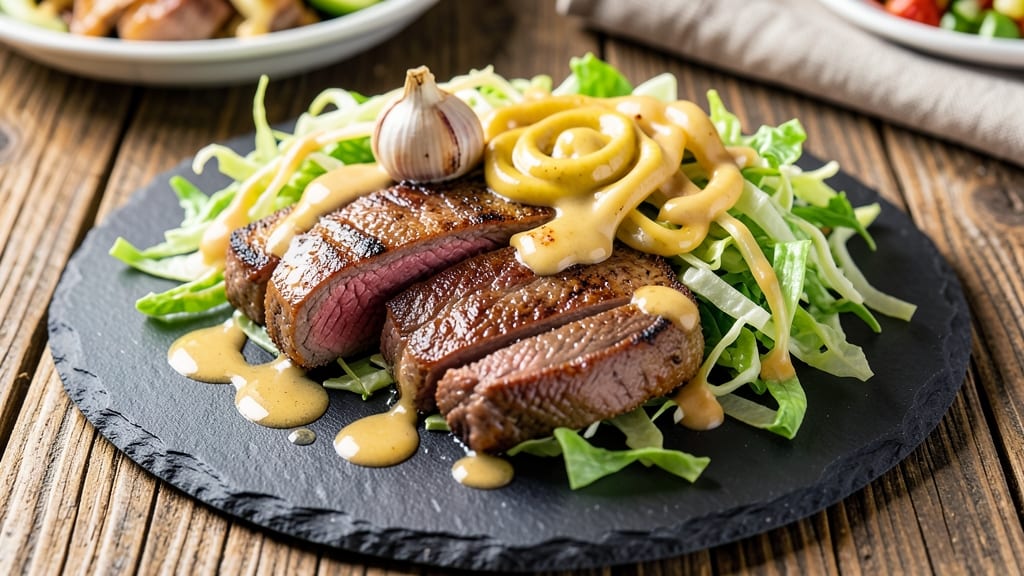
This beef and cabbage keto recipe transforms a classic comfort dish into a low-carb powerhouse with crispy edges and rich, savory depth. The secret lies in searing beef until deeply caramelized while roasting cabbage until tender-crisp—both cooked in a fat-rich skillet that keeps this meal satisfyingly indulgent.
No starchy fillers here; just protein, fiber, and healthy fats working together to create a dish that feels like a treat, not a sacrifice.
What sets this recipe apart is the balance of textures: beef that stays juicy and tender despite high-heat cooking, cabbage with crispy edges that hold up to every bite, and a pan sauce thickened with butter and beef drippings.
The keto adaptation means no added sugars or thickeners—just natural flavors enhanced by garlic, mustard, and a touch of creaminess from sour cream or heavy cream. Every component is designed to keep carbs minimal while maximizing flavor and satisfaction.
The result is a hearty skillet meal that delivers restaurant-quality depth with minimal effort—crispy beef slices that practically melt in your mouth and cabbage that's tender yet still holds its structure.
The rich, savory sauce clings to every bite, making this a perfect weeknight dinner or meal prep option that won't leave you craving carbs. Serve it with a side of roasted Brussels sprouts or a simple Caesar salad for a complete low-carb feast.
This isn't just another keto adaptation; it's a foolproof technique that transforms simple ingredients into a dish worth repeating. The high-fat cooking method ensures every bite is flavorful and satisfying, while the crispy edges on both beef and cabbage add texture that keeps the meal exciting.
Whether you're new to keto or a seasoned pro, this recipe delivers on taste without the guilt.
Ingredients for beef and cabbage recipe keto
Simple ingredients with bold keto-friendly techniques create this crispy-edged beef and cabbage masterpiece.
| Ingredient | Amount | Notes |
|---|---|---|
| Ribeye Steak 🥩 | 1 ½ lb | Thinly sliced against grain |
| Green Cabbage 🥬 | 1 small head | Core removed, wedged into 8 pieces |
| Unsalted Butter 🧈 | 4 tbsp | European-style preferred |
| Heavy Cream 🥛 | ½ cup | Full-fat for richness |
| Yellow Mustard 🍯 | 1 tbsp | Dijon preferred for depth |
| Garlic Cloves 🧄 | 4 cloves | Minced, for aromatic base |
| Diamond Crystal Kosher Salt 🧂 | 1 ½ tsp | For seasoning and finishing |
| Freshly Ground Black Pepper 🌶️ | 1 tsp | Cracked peppercorns preferred |
| Smoked Paprika 🌶️ | ½ tsp | For subtle smokiness |
| Apple Cider Vinegar 🍎 | 1 tsp | Brightens flavors |
| Olive Oil 🫒 | 1 tbsp | For initial searing |
| Fresh Thyme Leaves 🌿 | ¼ tsp | Or 1/8 tsp dried thyme |
The ribeye is non-negotiable here—thinly sliced against the grain ensures tenderness while maximizing crispy edges. Costco or butcher shops carry high-quality cuts with good marbling, which renders fat for flavor. Avoid pre-sliced deli meat—it's too lean and lacks the depth of flavor. For cabbage, look for firm heads with tightly packed leaves—the greenest ones at the grocery store are usually freshest. If you can't find ribeye, sirloin or flank steak works in a pinch, but slice it thinner to compensate for less fat.
No heavy cream? Full-fat coconut milk mimics the richness, though the texture will differ slightly. Dijon mustard unavailable? Whole-grain mustard at double the amount works, but you'll lose some depth. The smoked paprika adds subtle complexity—Penzeys brand has excellent quality if you're splurging. For the vinegar, apple cider vinegar is ideal, but white wine vinegar in a bind is fine. Fresh thyme is preferable, but dried thyme at one-third the amount is a solid substitution. The butter matters—European-style has higher fat content for better browning.
This dish tastes even better the next day as flavors meld. Store leftovers in an airtight container for 4-5 days in the fridge, or freeze for up to 3 months by portioning into meal prep containers. Reheat gently in the skillet with a splash of water to restore crispiness. For meal prep, cook the beef and cabbage separately, then assemble and reheat—this keeps the cabbage from getting soggy. The sauce can be made ahead and reheated separately if needed.
Why You'll Love This Recipe
- Two-Ingredient Magic: I swear, the ribeye and cabbage do all the heavy lifting here. No fancy prep—just sear the steak, shred the cabbage, and let the butter and cream work their magic. Honestly, I’ve made this on days when I couldn’t even open a jar.
- Rich, Tangy Crunch: That yellow mustard in the cream sauce? It’s the secret weapon—bright, sharp, and just enough to cut through the richness of the butter and beef. The cabbage stays crisp, so you get that satisfying crunch with every bite. (Yes, even on a Tuesday night.)
- Weeknight to Dinner Party: Same recipe, totally different vibes. Toss it together for a lazy night or dress it up with fresh herbs for guests. Between us, I’ve served this to skeptical vegetarians, and they asked for seconds. That’s saying something.
- Leftovers That Don’t Suck: Cold the next day? Still delicious. The steak stays tender, the cabbage holds its shape, and the sauce clings like it’s glued on. I meal prep this all the time—it’s my go-to when I’d rather not cook twice in a row.
Step-by-step instructions for beef and cabbage keto recipe
This method delivers perfectly seared ribeye with crispy cabbage edges while keeping it rich and keto-friendly.
Sear the Ribeye for Maximum Flavor
Heat a large cast-iron skillet over medium-high heat until smoking hot. Add the 1 tablespoon olive oil and swirl to coat. Working in batches if needed, add the 1.5 lb ribeye steak sliced against the grain and sear for 2-3 minutes per side until deeply browned and cooked to medium-rare (130°F internal temp).
I press down gently on the steak during the first minute to prevent curling and ensure even contact with the pan. This creates that signature crust while keeping the interior tender. Remove the steak to a plate and tent loosely with foil to keep warm while you prepare the cabbage.
Sauté Cabbage Until Crispy
In the same skillet, reduce heat to medium and add 2 tablespoons unsalted butter. Once melted, add the wedged green cabbage and cook for 8-10 minutes, stirring occasionally, until the edges begin to crisp and the cabbage softens but still holds its shape.
Here's the thing—don't overcrowd the pan. You want the cabbage to develop those crispy edges, not steam. If needed, work in two batches. Add the 4 cloves minced garlic and 0.25 tsp fresh thyme leaves during the last 2 minutes of cooking to infuse their flavors.
Build the Keto-Friendly Sauce
Pour in the 1 tablespoon yellow mustard and 1 teaspoon apple cider vinegar, stirring to combine with the cabbage. Cook for 1 minute until the mustard begins to caramelize slightly. Then add the 0.5 cup heavy cream and 0.5 teaspoon smoked paprika, stirring constantly to prevent curdling.
Let the sauce simmer for 2-3 minutes until it thickens slightly and coats the cabbage. This is where the magic happens—the cream adds richness while the vinegar brightens the flavors. Season with 1 teaspoon freshly ground black pepper and 1.5 teaspoons diamond crystal kosher salt, adjusting to taste.
Combine and Finish
Return the ribeye steak to the skillet with the cabbage mixture. Stir gently to combine, allowing the steak to absorb the creamy cabbage sauce. Cook for an additional 2 minutes to heat through and meld all the flavors together.
For those crispy edges you're after, I like to finish by adding the remaining 2 tablespoons unsalted butter and letting it foam and brown slightly over the heat. This adds an extra layer of richness and ensures every bite has that perfect texture contrast.
Serve Immediately
Transfer the beef and cabbage to serving plates, ensuring each portion has both the tender steak and crispy cabbage. The dish should be rich from the cream and butter, with a bright tang from the vinegar and mustard, all balanced by the smoky depth of the paprika.
Real talk: this dish tastes even better the next day when the flavors have had time to develop. The cabbage will soften slightly but maintain its crispy edges, and the sauce will thicken into a luxurious coating. Serve with a side of roasted Brussels sprouts for a complete keto meal.
Pro Tips For Making Beef And Cabbage Recipe Keto
- CRISP THE CABBAGE FIRST: I learned this the hard way—raw cabbage soaks up butter like a sponge, turning your keto sauce into a sad, watery mess. Slice it thin, toss with a pinch of salt, and let it sit in a colander for 10 minutes before cooking. That draws out the moisture so it actually browns instead of steaming into oblivion.
- SEAR THE STEAK IN BATCHES: Ribeye loves heat, but your pan won’t. If you’re cooking more than one steak, walk away after the first batch—it needs 2-3 minutes per side at screaming hot to get that crust. Crowd the pan, and you’ll end up with greasy, gray meat. Two minutes max per side, then move them to a warm plate.
- USE COLD HEAVY CREAM: Sounds weird, but it works—add the heavy cream off the heat after the cabbage has cooked down. Cold cream thickens better and doesn’t scald, which means no curdling when you stir in the mustard. Just let it warm gradually, or your sauce will split like a bad joke.
- SALT THE STEAK TWICE: Ribeye is lean enough that salt needs time to work. Generously season it before searing, then hit it again right before serving. The first salt kicks in during cooking, but that last sprinkle—right after resting—is what makes the crust pop. (Yes, even if you’re impatient like me.)
Storing and reheating this recipe
Fridge Storage Tips
Let your beef and cabbage cool to room temperature for 20-30 minutes before storing to prevent condensation. Transfer to an airtight container with a tight-fitting lid—I use glass Pyrex with snap-on lids for best results.
Store in the fridge for up to 4 days, but I’ve found the flavors actually deepen after 24 hours as the cabbage absorbs the rich sauce. 🥬
Freezer Prep Secrets
For longer storage, portion into quart-sized freezer bags with 1-inch headspace to prevent expansion cracks. Lay flat to freeze quickly, then stack. This keto dish keeps well for 3 months without losing its crispy texture.
I recommend freezing the beef and cabbage separately to maintain texture—reheat components separately and combine when ready to eat. ❄️
Stovetop Reheating
My preferred method is reheating in the same cast-iron skillet over medium-low heat. Add 1 tablespoon water or beef broth to prevent sticking, then cover with a lid for 5-7 minutes.
The residual fat in the pan helps restore crispiness. For extra richness, add 1 tablespoon butter during reheating. Stir occasionally to distribute heat evenly. 🔥
Microwave Hack
For quick meals, transfer a single serving to a microwave-safe dish and cover with a damp paper towel. Heat on 50% power for 2-3 minutes, stirring halfway.
The damp towel prevents drying out. If the cabbage loses crispiness, return it to the skillet for 1-2 minutes to revive the edges. This works best for lunch portions.
Meal Prep Strategy
Cook the beef and cabbage separately, then store components in individual meal prep containers. When ready to eat, combine in the skillet with 1 tablespoon butter and reheat for 3-4 minutes.
This keeps the cabbage from getting soggy while maintaining that perfect crispy texture. I prep 4 servings on Sundays for easy weeknight dinners. 📅
Sauce Revival
If the sauce thickens too much during storage, simply add 1-2 teaspoons heavy cream or water when reheating. For extra flavor, stir in ½ teaspoon Dijon mustard and ¼ teaspoon smoked paprika to refresh the taste.
The sauce should coat the back of a spoon but remain smooth—not gluey. This trick works wonders for leftovers! 💡
Nutrition facts
Frequently asked questions
Can I substitute other cuts of beef for ribeye?
Yes, but adjust cooking times and slicing techniques. Sirloin or flank steak work well if sliced thinner (⅛-inch thick) to compensate for less fat. For leaner cuts like chuck roast, marinate for 2-4 hours first to tenderize. Avoid pre-sliced deli beef—it lacks the flavor and texture you need for crispy edges.
How do I keep the cabbage crispy when reheating?
The secret is minimal moisture and high heat. Reheat in a dry skillet over medium-high heat for 2-3 minutes with 1 tablespoon butter to restore crispiness. Never microwave without a damp paper towel—it steams the cabbage. For meal prep, cook cabbage separately and reheat it last.
What if I don't have heavy cream for keto?
Use full-fat coconut milk (1:1 ratio) or half-and-half for a lighter option. For extra richness, add 1 tablespoon sour cream at the end. Avoid skim milk—it won't create the same velvety texture. The sauce will still taste delicious, just slightly less decadent.
Can I make this recipe in an Instant Pot?
Not ideal for crispy edges, but possible with adjustments. Sear the beef first in a separate pan, then sauté cabbage until slightly softened (3 minutes) before adding to the Instant Pot. Use 1 cup beef broth + 2 tbsp butter instead of cream, cook on High for 5 minutes, and finish with a quick sauté to crisp edges.
Why does my beef turn out tough?
Overcooking or slicing against the grain incorrectly are the most common mistakes. Always cook to medium-rare (130°F) and slice perpendicular to muscle fibers. If using tougher cuts, marinate first or cook low-and-slow before finishing with high heat. Never skip the butter—it adds moisture and prevents dryness.