
Main Courses
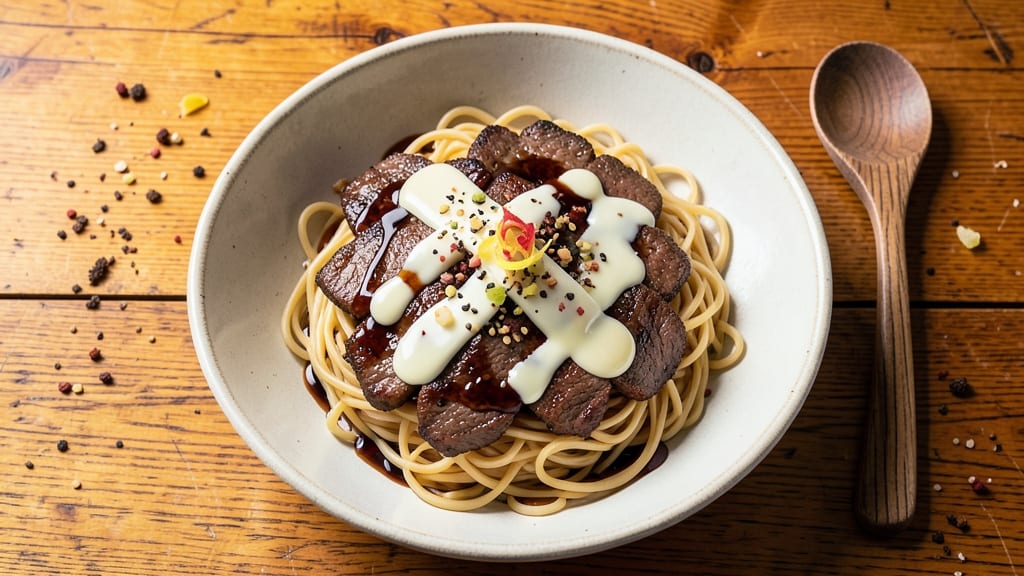
This beef and butter noodles recipe delivers a restaurant-quality dish where tender, caramelized beef meets silky noodles in a rich, velvety sauce. The secret lies in properly searing the beef for deep flavor before combining it with perfectly cooked noodles and a luxurious butter sauce infused with aromatics.
I've perfected this technique over countless weeknight dinners—it's become my go-to comfort meal when I crave something hearty yet simple to prepare.
The foundation starts with thinly sliced beef that develops a beautiful caramelized crust when cooked properly, then tenderizes in the sauce. We'll use a combination of butter and aromatics to create that signature velvety texture while keeping the dish balanced.
This method ensures every bite delivers both texture contrast and deep, savory satisfaction—no bland, greasy results here. The key is patience during the beef preparation and proper timing when combining all elements.
By the time you're done, you'll have a steaming plate of buttery noodles coated in a glossy sauce, topped with perfectly browned beef pieces that melt in your mouth.
The aroma alone will have everyone gathering around your table, and the first forkful delivers that perfect harmony of textures and flavors. This dish transforms basic ingredients into something special with minimal effort.
Serve immediately with steamed greens or roasted vegetables for a complete meal, or enjoy it as-is for a satisfying bowl of comfort. The beauty of this recipe is its versatility—it works equally well as a weeknight dinner or a special occasion dish.
Let's get started on creating your perfect bowl of beef and butter noodles.
Ingredients for beef and butter noodles
Here’s what you’ll need to create this rich, velvety beef and butter noodle masterpiece.
| Ingredient | Amount | Notes |
|---|---|---|
| Flank Steak 🥩 | 1 ½ lb | Thinly sliced against grain |
| Unsalted Butter 🧈 | ¾ cup | Cold, cubed for searing |
| Garlic Cloves 🧄 | 6 cloves | Minced, for aromatics |
| Fresh Ginger 🌿 | 1 tbsp | Finely grated, fresh preferred |
| Low-Sodium Soy Sauce 🍶 | ½ cup | For depth of flavor |
| Dry Sherry 🍷 | ¼ cup | Or substitute with beef broth |
| Egg Noodles 🍜 | 12 oz | Fresh or high-quality dried |
| Green Onions 🧅 | 4 whole | Sliced, for garnish |
| Sesame Oil 🫒 | 1 tbsp | For finishing touch |
| Kosher Salt 🧂 | 1 ½ tsp | Adjust to taste |
| Black Pepper 🌶️ | ½ tsp | Freshly ground |
| Vegetable Oil 🫒 | 2 tbsp | For initial searing |
| Cornstarch 🌾 | 1 tbsp | For thickening sauce |
| Beef Broth 🍲 | ½ cup | Low-sodium preferred |
The beef is everything here—flank steak gives you that perfect balance of tenderness and chew. Slice it thinly against the grain so it cooks evenly. Costco or Whole Foods usually carry pre-sliced flank steak, but if you’re slicing yourself, use a sharp knife and keep it chilled until ready to cook. For the butter, Plugrá or Land O’Lakes unsalted are my go-tos—they have the right fat content for searing. Fresh ginger and garlic? Grab them from the produce section—look for vibrant, firm ginger and plump garlic cloves with no sprouts. The soy sauce should be low-sodium so you can control the saltiness yourself.
No sherry? Dry white wine or extra beef broth works in a pinch, though sherry adds that signature depth. For the noodles, fresh egg noodles are ideal, but high-quality dried ones (like Barilla) work too—just cook them al dente. Running short on sesame oil? Toasted sesame seeds sprinkled at the end give a similar nutty crunch. The cornstarch is key for that silky sauce—don’t skip it. If you’re making this ahead, cook the noodles last so they stay al dente. And trust me, freshly ground black pepper makes all the difference over pre-ground.
This dish tastes even better the next day—store leftovers in an airtight container for up to 3 days. The sauce thickens as it cools, so add a splash of beef broth when reheating. For extra richness, save the drippings from the beef and use them to deglaze the pan later. Garnish with green onions right before serving—they add freshness and color. Freezes beautifully for up to 2 months if you want to prep ahead for a busy weeknight.
Why You'll Love This Recipe
- Steak in Minutes: I slice the flank steak thin—no fancy butchering—then sear it fast in a screaming-hot pan. That butter? It renders in seconds, turning the beef into tender, caramelized ribbons while the garlic and ginger sizzle into oblivion.
- Umami Magic: Between us, the soy sauce and butter combo is chef’s kiss—salty, rich, and just a little sweet. The ginger lingers like a secret, making every bite feel like a hug from a wok.
- Lunchbox Hero: I double the batch on Sundays, pack half for work, and still have leftovers for days. The noodles reheat perfectly, and the beef stays juicy—no sad, dry lunches here.
- Budget Power Move: Flank steak’s cheaper than ribeye, and a little goes a long way. I stretch it over noodles, stretch the butter, and still feel like I’m eating at a restaurant. (Yes, even on a Tuesday night.)
Step-by-step instructions for beef and butter noodles
Here's how to create tender beef bites and a velvety butter sauce that clings perfectly to egg noodles.
Slice and Marinate the Flank Steak
Slice the 1.5 lb flank steak thinly against the grain into ¼-inch thick strips. This ensures tender bites that cook quickly. Place the sliced steak in a bowl and add 0.5 cup low-sodium soy sauce, 0.25 cup dry sherry, 1 tbsp finely grated fresh ginger, 1.5 tsp kosher salt, and 0.5 tsp black pepper. Mix well to coat evenly, then let it marinate for at least 20 minutes at room temperature. The acidity in the soy sauce and sherry helps tenderize the meat while building deep flavor.
Don't skip the marinating time—this step prevents tough, chewy beef. If you're short on time, marinate for 10 minutes minimum, but 30 minutes is ideal. The steak should absorb the marinade completely, turning a rich reddish-brown color.
Cook the Noodles Al Dente
Bring a large pot of well-salted water to a rolling boil. Add the 12 oz egg noodles and cook according to package instructions until 1 minute shy of al dente. You want them firm enough to hold their shape when tossed with the sauce. Reserve ½ cup pasta water before draining—this starchy liquid is essential for emulsifying the butter sauce later.
Drain the noodles and immediately toss them with 1 tbsp sesame oil to prevent sticking. Keep them warm while you prepare the beef and sauce. The noodles should be hot but not mushy when combined with the beef, so work efficiently to avoid overcooking.
Sear the Beef in Butter
Heat 2 tbsp vegetable oil in a large skillet over medium-high heat until shimmering. Remove the marinated steak from the bowl, letting any excess marinade drip off, and add it to the skillet in a single layer. Don't overcrowd the pan—work in batches if needed. Sear for 1-2 minutes per side until the beef is deep brown and cooked to your preferred doneness (medium-rare for tender results). Remove the beef and set aside, leaving the rendered juices in the pan.
Here's the thing—you want the beef to develop a caramelized crust while staying juicy inside. If the pan gets too crowded, the steak will steam instead of sear. The residual juices in the pan will form the base of your silky sauce, so don't wipe them out.
Build the Butter Sauce
Reduce the heat to medium-low and add 0.75 cup cold cubed unsalted butter to the skillet. Let it melt slowly, stirring occasionally, until it turns a pale golden color—this takes about 3-4 minutes. Add 6 cloves minced garlic and cook for 30 seconds until fragrant but not browned. Stir in 1 tbsp cornstarch and cook for another 30 seconds to toast slightly.
Slowly pour in 0.5 cup beef broth, scraping up any browned bits from the bottom of the pan. Bring to a gentle simmer and let it thicken for 1-2 minutes until it coats the back of a spoon. If the sauce is too thick, add 1-2 tablespoons of reserved pasta water to loosen it. The sauce should be glossy and velvety, not clumpy.
Combine and Finish
Return the cooked beef to the skillet and toss gently to coat in the butter sauce. Add the drained egg noodles and toss everything together until the noodles are fully coated and heated through, about 1-2 minutes. The residual heat from the pan will finish cooking the noodles perfectly. Taste and adjust seasoning with additional kosher salt or black pepper if needed.
To serve, divide the beef and butter noodles among plates. Garnish with 4 sliced green onions for a fresh contrast. The dish should be rich, savory, and perfectly balanced—each bite should deliver tender beef, silky sauce, and al dente noodles. Serve immediately while the butter sauce is still glossy and warm.
Pro Tips For Making Beef And Butter Noodles
- Slice Against the Grain: Flank steak’s fibers run long—cutting perpendicular to them turns chewy meat into tender bites. I used to ignore this and ended up with a mouthful of rubber every forkful. Grab a sharp knife and angle those slices diagonally, even if it takes an extra minute.
- Melt Butter in Stages: Dumping all that unsalted butter at once just makes a greasy mess. Start with half over medium heat, let it foam, then add the rest. This keeps the garlic and ginger from burning while building flavor gradually—no more bitter aftertaste ruining your sauce.
- Don’t Overcrowd the Pan: I learned this the hard way when my garlic turned to sludge. Cook the beef in batches if needed, and push it to the sides to make room for aromatics. A packed pan steams instead of sears, and nobody wants mushy garlic in their noodles.
- Use Cold Ginger: Peel and slice that ginger while it’s still cold—it stays crisp and releases flavor more evenly. Warm ginger turns to mush and clumps, turning your sauce into a gluey disaster. Toss the slices in a bit of soy sauce first to keep them bright and prevent bitterness.
Essential equipment for this dish
Skillet Essentials
Your 12-inch cast iron skillet is the star here—I swear by my Lodge Pre-Seasoned for its even heat distribution and natural non-stick properties. If you don't have cast iron, a heavy stainless steel skillet (like All-Clad) works too, but preheat it longer to avoid sticking.
Avoid non-stick pans—they can't handle the high heat needed for proper searing. 🔥
Butter Tools
Use cold cubed butter (not melted) for the best sauce—it creates tiny air pockets that make the sauce silky. I recommend Plugrá unsalted butter for its high fat content, but any good-quality unsalted works.
A small offset spatula helps distribute the butter evenly without scraping the pan too aggressively. For melting, keep heat at medium-low—too high and the butter burns before emulsifying.
Noodle Equipment
A colander with holes large enough for noodles prevents clogging when draining. I use a stainless steel colander because it's durable and heats up quickly. For the pasta water, reserve it in a small measuring cup—you'll only need 1-2 tablespoons to adjust the sauce later.
A wooden spoon works best for tossing the noodles after draining to prevent sticking.
Marinating Gear
For the beef marinade, I use a glass or ceramic bowl (never metal—it reacts with soy sauce). A sharp chef's knife and mandoline (for even slices) make quick work of the flank steak.
If you don't have a mandoline, freeze the steak for 15 minutes before slicing—it stays firmer and cuts cleaner. A fine-mesh strainer helps drain excess marinade before searing.
Sauce Thickener
The cornstarch slurry is your secret weapon for that velvety texture. Mix 1 tbsp cornstarch with 1 tbsp cold water in a small bowl before adding it to the pan.
A whisk ensures smooth incorporation. For extra richness, keep a small ladle handy to deglaze the pan with beef broth—those browned bits pack serious flavor. 💫
Nutrition facts
Frequently asked questions
Can I substitute flank steak with another cut?
For this dish, sirloin or ribeye work beautifully—just slice them ¼-inch thick against the grain for tenderness. Chuck roast is another option, but it benefits from 1-2 hours of braising first to break down the connective tissue. Avoid tough cuts like flank steak's cousin, skirt steak, unless you're willing to marinate for 4+ hours.
Why does my butter sauce separate?
This happens when the sauce gets too hot or lacks enough starch. Keep the heat at medium-low when melting butter, and always whisk in the cornstarch slurry (mixed with cold water) first. If separation occurs, whisk in 1 tablespoon reserved pasta water to re-emulsify. The starch needs time to fully activate—don't rush the thickening process.
Can I make this dish ahead of time?
Yes! Cook the beef and sauce completely, then store in an airtight container for up to 3 days in the fridge. Reheat gently on the stove, adding 1-2 tablespoons beef broth to restore sauce consistency. Cook the noodles fresh when serving—they lose texture when reheated. For freezing, freeze the beef-sauce mixture only (no noodles) for up to 2 months.
What's the best way to prevent dry beef?
Slice the beef thinly against the grain and marinate for at least 20 minutes—this tenderizes the fibers. When searing, cook in single layers and use medium-high heat for 1-2 minutes per side only. Remove beef immediately when it reaches your desired doneness (medium-rare is ideal). The residual heat will finish cooking it in the sauce.
Can I use whole wheat noodles?
Certainly! Whole wheat noodles work well, but they cook faster and have a denser texture. Reduce cooking time by 1-2 minutes and reserve extra pasta water (they absorb more starch). The beef and butter sauce will still cling beautifully, though the dish will be slightly nuttier in flavor. For best results, choose high-quality dried whole wheat noodles like Barilla.