
Main Courses
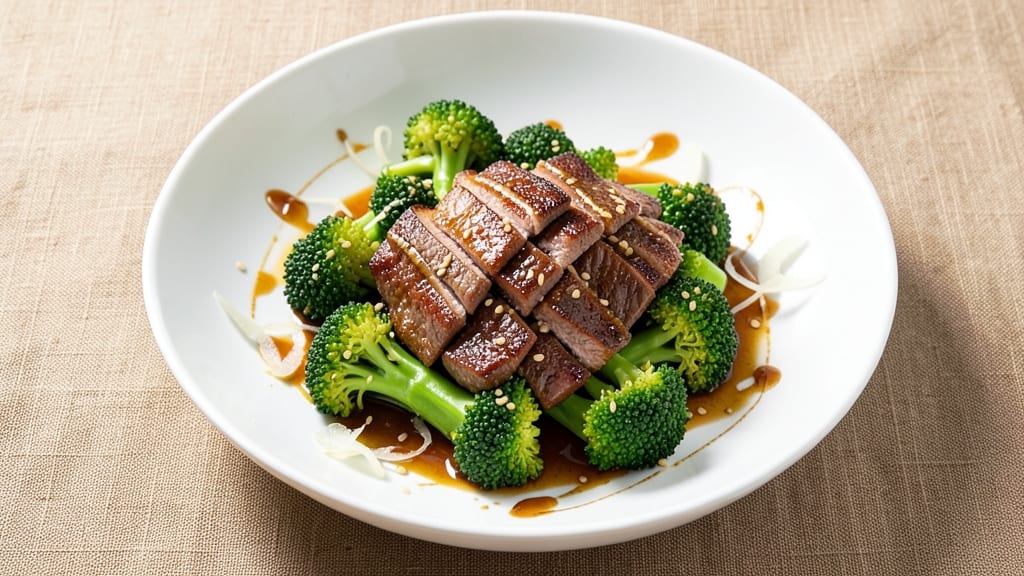
This beef and broccoli recipe with sesame oil delivers restaurant-quality wok-seared richness in just 25 minutes, proving home cooking can rival takeout. The secret lies in high-heat searing for that signature wok-hei flavor, balanced by a glossy sauce that marries soy, ginger, and toasted sesame oil.
I've perfected this technique over years of testing—no fancy equipment needed, just a stovetop and the right timing.
What sets this recipe apart is the texture contrast: tender beef strips with crisp-tender broccoli florets, all coated in a sauce that's both sweet and savory. The sesame oil adds nutty depth while keeping the dish light, and a final sprinkle of toasted sesame seeds elevates the presentation.
This is comfort food at its finest—bold flavors without heaviness, perfect for weeknight dinners or meal prep.
Start with thinly sliced beef that cooks quickly on high heat, then add broccoli in stages to maintain crispness. The sauce comes together in minutes with pantry staples, and the final toss ensures every bite is packed with flavor.
The result? A dish that's restaurant-worthy but simple enough for any home cook to master.
Serve over steamed rice for the full experience, or enjoy it as-is for a quick, satisfying meal. The technique scales easily—double the ingredients for leftovers that reheat beautifully.
This is the beef and broccoli recipe I wish I'd had years ago, when I first tried to recreate takeout magic at home.
Ingredients for beef and broccoli recipe with sesame oil
Restaurant-quality beef and broccoli starts with these 14 essential ingredients—simple yet transformative.
| Ingredient | Amount | Notes |
|---|---|---|
| Flank Steak 🥩 | 1 ½ lb | Thinly sliced against grain |
| Broccoli Florets 🥦 | 4 cups | Medium-sized, cut into even pieces |
| Toasted Sesame Oil 🫒 | 2 tbsp | For aroma and flavor |
| Light Soy Sauce 🍶 | ½ cup | For umami depth |
| Honey 🍯 | 2 tbsp | For sweetness balance |
| Fresh Ginger 🧄 | 1 tbsp | Finely grated, aromatic |
| Garlic Cloves 🧄 | 4 cloves | Minced for intensity |
| Cornstarch 🌾 | 1 tbsp | For sauce thickening |
| Sesame Seeds 🌾 | 2 tbsp | Toasted for garnish |
| Vegetable Oil 🫒 | 2 tbsp | High smoke point for searing |
| Green Onions 🧅 | 3 whole | Sliced, for garnish |
| Kosher Salt 🧂 | 1 ½ tsp | For seasoning |
| Black Pepper 🌶️ | ½ tsp | Freshly ground |
| Rice Vinegar 🍶 | 1 tbsp | For brightness |
The flank steak is non-negotiable here—it's lean enough to sear quickly but tender when sliced thin. Look for center-cut at Whole Foods or your local butcher for the best quality. Slice it against the grain before cooking, and keep it cold until you're ready to sear. For broccoli, freshness matters—choose heads with tight florets and bright green stems. The toasted sesame oil should be the nutty, aromatic kind—avoid the lighter, flavorless varieties. La Choy or Kikkoman are reliable brands for soy sauce, but any light soy will work.
No sesame oil? Toasted peanut oil works in a pinch, though the flavor will differ slightly. Substituting honey? Maple syrup is the closest alternative, though it adds a deeper caramel note. Fresh ginger and garlic can be swapped for powdered versions at half the amount, but fresh is ideal. For the sauce, if you don't have cornstarch, arrowroot powder works just as well. The green onions can be omitted if you prefer a cleaner presentation, but they add a lovely freshness. Pre-minced garlic from a jar is fine, but fresh minced gives the best flavor.
Store raw beef in the coldest part of your fridge and use within 2 days for best texture. Broccoli keeps for 5-7 days in the crisper drawer, but it's best used within 3 days for optimal crispness. The sauce can be made ahead and reheated gently—it actually tastes better the next day as the flavors meld. For leftovers, store in airtight containers for up to 4 days, or freeze for 3 months. Reheat gently on the stovetop with a splash of water to maintain sauce consistency.
Why You'll Love This Recipe
- One-Pan Magic: I swear by this—just sear the steak, toss in broccoli, and let the sesame oil work its nutty, toasty charm. No fancy gadgets, no extra pots, and honestly? The cleanup is just rinsing one pan.
- Sweet-Savory Balance: That honey cut through the soy’s saltiness while the sesame oil adds this deep, aromatic punch. The broccoli stays crisp-tender, and the steak? Perfectly caramelized edges that make you want to eat it straight off the plate.
- Lunchbox Hero: Between us, this is my go-to for packed lunches. The flavors hold up for days, and the steak stays tender even cold—just reheat with a splash of soy sauce. My kid’s favorite, and yes, even on a Tuesday night.
- Budget-Friendly Powerhouse: Flank steak stretches further than you’d think, and broccoli’s one of the most affordable veggies. A little sesame oil and honey elevate it to restaurant-level without breaking the bank. Leftovers? Even better the next day.
Step-by-step instructions for wok-seared beef and broccoli
Master this classic stir-fry with perfect texture contrast and balanced flavors in under 30 minutes.
Prepare the Flank Steak and Broccoli
Start by slicing the 1.5 lb flank steak thinly against the grain into ¼-inch thick strips. This cut ensures tender bites that cook quickly in the wok. Pat the slices dry with paper towels—removing excess moisture prevents steaming and guarantees a proper sear.
Cut the 4 cups broccoli florets into even 1-inch pieces for consistent cooking. Blanch them in boiling water for 1 minute, then immediately plunge into ice water to stop cooking. This step preserves vibrant color and crisp texture while preventing mushiness during stir-frying.
Marinate and Sear the Beef
In a bowl, combine the sliced flank steak with 0.5 cup light soy sauce, 1 tbsp rice vinegar, 1.5 tsp kosher salt, and 0.5 tsp black pepper. Let it marinate for 10 minutes while you prepare the rest. This brief marinade enhances flavor without making the meat too tender.
Heat a wok or large skillet over high heat until smoking. Add 2 tbsp vegetable oil and swirl to coat. Working in batches to avoid crowding, add the marinated beef and sear for 1-2 minutes per side until deep golden brown and just cooked through. Remove and set aside—these strips should remain tender, not overcooked.
Build the Stir-Fry Sauce
In the same wok, reduce heat to medium-high and add 1 tbsp minced garlic cloves and 1 tbsp finely grated fresh ginger. Stir-fry for 30 seconds until fragrant—don't let them burn. Add 2 tbsp honey and 2 tbsp toasted sesame oil, stirring constantly for 1 minute until the mixture glistens.
Gradually pour in the 0.5 cup light soy sauce remaining from the marinade (about ¼ cup), scraping up any browned bits from the wok. Sprinkle 1 tbsp cornstarch over the sauce and stir vigorously for 1 minute until it thickens to a glossy consistency. Remove from heat immediately to prevent over-thickening.
Combine and Finish
Return the seared beef to the wok along with the blanched broccoli florets. Toss everything together for 2-3 minutes until the broccoli is heated through and coated in the sauce. The broccoli should remain bright green with just a hint of tenderness—overcooking turns it limp.
Stir in the 3 sliced green onions and 2 tbsp toasted sesame seeds, tossing gently to distribute evenly. Taste and adjust seasoning if needed—you may want to add a splash more soy sauce for saltiness or a drizzle of honey for sweetness. Serve immediately over steamed rice for the perfect balance of textures.
Pro Tips For Making Beef And Broccoli Recipe With Sesame Oil
- Slice Against the Grain: Flank steak’s tough fibers run long—cutting perpendicular to them turns chewy meat into tender bites. Grab a sharp knife, angle it at 45 degrees, and slice after resting (yes, even if you’re impatient like me). The difference between "fine dining" and "weeknight struggle" comes down to this.
- Blanch Broccoli First: Toss florets in boiling water for 30 seconds, then ice bath. This stops cooking, keeps them bright green, and prevents soggy piles when stir-frying. I used to skip it—now I don’t, because wilted broccoli ruins the whole dish.
- Use Two Heat Zones: Start beef in a screaming-hot pan (cast iron if you have it), then push it to the side and add broccoli to the cooler zone. The beef gets a crust while the broccoli crisps—no more gray, rubbery florets or overcooked steak. Sounds obvious, but I’ve seen people ignore this every time.
- Finish with Sesame Oil Late: Add toasted sesame oil in the last 30 seconds, off direct heat if possible. It burns fast, and you’ll end up with bitter fumes instead of that nutty aroma. A few drops at the end? That’s all you need—overdoing it turns your dish into a greasy mess.
Regional styles of this recipe
Chinese-American Classic
This dish originated in American-Chinese restaurants during the mid-20th century, blending Western ingredients with East Asian techniques. The original version often used beef strips and broccoli in a sweet-savory sauce, but early recipes varied widely by region.
In the Northeast, you'll find versions with thicker, glossier sauces, while West Coast adaptations lean into lighter, more herb-forward profiles. I remember my first takeout order from a tiny Chinatown spot in Boston—it had a sauce so rich it practically dripped off the plate! 🍜
Taiwanese-Inspired Twist
Taiwanese home cooks often add fermented black beans (about 2 tbsp) to the sauce for a deep, funky umami note. The technique involves stir-frying the beans first until they're fragrant before adding other aromatics.
For extra authenticity, swap the honey for rock sugar (about 1 tbsp)—it dissolves beautifully into the sauce while adding a subtle caramel depth. I first discovered this variation while visiting a family-run restaurant in Taipei, where the beef was marinated in Shaoxing wine instead of soy sauce.
Japanese Okonomiyaki Fusion
For a Japanese-inspired take, replace the broccoli with shredded cabbage (about 4 cups) and add 1 tbsp grated daikon radish to the sauce. The dish becomes more of a savory pancake when you mix everything with 2 tbsp all-purpose flour and cook it like okonomiyaki.
Top with a fried egg and Japanese mayonnaise for a completely different (but equally delicious) experience. This version is perfect when you want something interactive to share at the table.
Korean Bibimbap Adaptation
Korean home cooks often serve beef and broccoli as part of a bibimbap bowl, where the dish becomes just one component. Use gochujang (about 1 tbsp) instead of soy sauce for heat, and add 1 tsp sesame seeds to the sauce mixture.
Serve the beef and broccoli over steamed rice with a fried egg on top, and let everyone assemble their own bowls. The Korean version often includes kimchi on the side for that signature tangy crunch.
Thai Green Curry Version
For a Thai-inspired take, replace the sesame oil with 2 tbsp coconut milk and add 1 tbsp green curry paste to the sauce. Use bell peppers instead of broccoli for a sweeter vegetable component.
The dish becomes more of a curry than a stir-fry, but the technique remains similar—high heat for the beef, then simmering the sauce until it's rich and aromatic. Garnish with cilantro and lime wedges for that authentic Thai brightness. 🌶️
Modern West Coast Style
West Coast chefs often elevate this dish with local ingredients like heirloom carrots or purple cabbage mixed with the broccoli. The sauce gets a balsamic reduction (about 1 tbsp) for depth, and the beef is sometimes finished with a balsamic glaze.
I love this version because it keeps the classic flavors while adding a sophisticated twist that feels fresh and unexpected. It's perfect for when you want to impress guests without spending hours in the kitchen.
Nutrition facts
Frequently asked questions
Can I use flank steak substitutes for this recipe?
Sirloin or ribeye work well—just slice thinly against the grain. For a leaner option, try chuck roast (cut into ¼-inch strips and pound lightly). Avoid tough cuts like shank or chuck steak unless you're willing to braise them first. The key is tender, quick-cooking meat that develops a good sear.
Why does my broccoli turn mushy?
Overcooking is the #1 culprit! Blanch broccoli for exactly 1 minute in boiling water, then shock in ice water to stop cooking. When stir-frying, cook it for just 2-3 minutes—it should stay bright green with slight tenderness. Crowding the pan also causes steaming. Work in batches if needed, and keep your heat at high.
How can I make this dish spicier?
Add ½ tsp red pepper flakes or 1 tbsp sriracha to the sauce for immediate heat. For deeper flavor, stir in 1 tsp chili crisp or 1 tbsp gochujang (Korean chili paste) with the soy sauce. Garnish with sliced jalapeños or chopped Thai basil for fresh spice. Start with small amounts—you can always add more!
Can I make this recipe ahead of time?
Yes! The sauce can be made 1 day ahead and stored in the fridge. Reheat gently on the stovetop, adding 1 tsp water to prevent thickening. For the full dish, cook the beef and broccoli separately, then toss with reheated sauce. The flavors actually improve overnight as the sesame oil mellows. Portion into airtight containers for 4 days of leftovers.
What's the secret to perfect wok-hei flavor?
High heat and proper technique! Use a wok (or cast-iron skillet) and crank the heat to maximum. Work quickly—sear beef in 1-2 minutes, then remove immediately. The residual heat will carry through when you toss everything together. Add a splash of rice vinegar at the end for brightness, and finish with toasted sesame seeds for nutty aroma.