
Soups & Stews
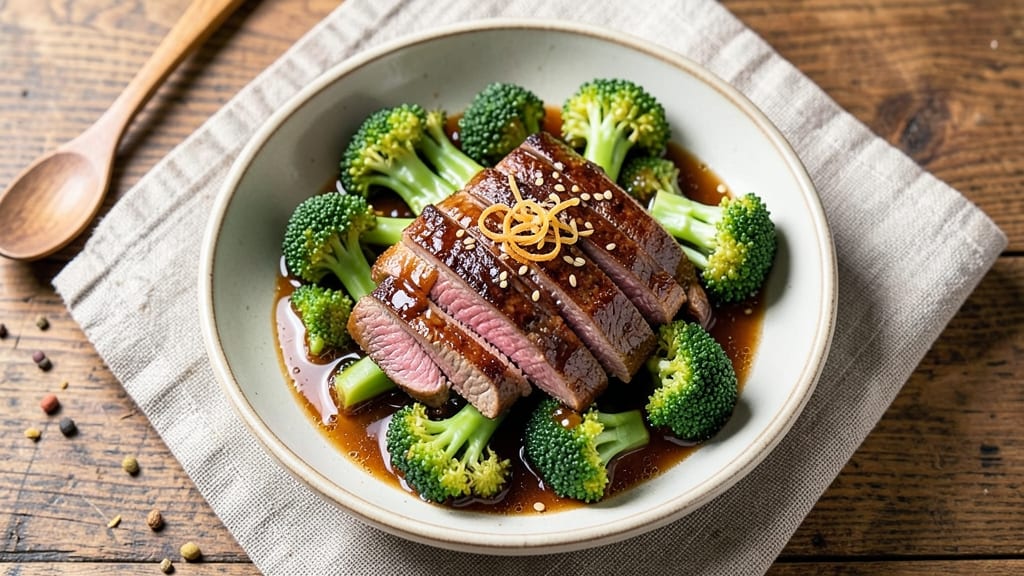
This beef and broccoli army recipe delivers the classic comfort of military mess halls in a single pan, where tender beef and crisp broccoli come together in a rich soy-ginger sauce.
The technique focuses on efficiency—searing beef first to lock in flavor, then simmering everything in one pot for a hands-off approach that works for busy weeknights or meal prep.
What makes this version stand out is the balance of bold flavors without requiring specialty ingredients; just soy sauce, ginger, and a touch of cornstarch for that signature army-style crunch.
The key to authentic results lies in proper beef preparation: thinly sliced stew meat or flank steak develops deep flavor when seared at high heat before simmering. Broccoli stays vibrant and slightly crisp-tender when added later in the cooking process, ensuring each bite delivers both texture and sauce.
The soy-ginger sauce builds complexity through caramelization, with brown sugar adding subtle sweetness that cuts through the saltiness of the soy. This method transforms simple ingredients into a hearty dish that feels both nostalgic and satisfying.
By the time you serve this over steamed rice or noodles, you'll have a restaurant-quality meal that's ready in under 45 minutes. The aroma alone—warm beef, aromatic ginger, and umami-rich sauce—will have everyone at the table asking for seconds.
Garnish with sesame seeds for added texture, and you've got a complete dish that's as budget-friendly as it is flavorful. Perfect for feeding a crowd or meal prepping for the week ahead.
This recipe stays true to its army roots while adapting to home kitchens, using ingredients that are both accessible and long-lasting. The sauce thickens naturally as it simmers, creating that signature army-style consistency without requiring any thickening agents beyond cornstarch.
Whether you're recreating a childhood memory or introducing a new favorite to your family, this one-pan method ensures minimal cleanup and maximum flavor—just like the original.
Ingredients for beef and broccoli army
Thinly sliced beef, vibrant broccoli, and a rich soy-ginger sauce—this army-style stir-fry delivers mess-hall nostalgia in one efficient pan.
| Ingredient | Amount | Notes |
|---|---|---|
| Flank Steak 🥩 | 1 ½ lb | Thinly sliced against grain |
| Fresh Broccoli Crowns 🥦 | 2 lb | Cut into florets, stems peeled |
| Low-Sodium Soy Sauce 🍶 | ½ cup | Kikkoman preferred for balance |
| Fresh Ginger Root 🌿 | 2 tbsp | Finely grated, aromatic |
| Brown Sugar 🍯 | 2 tbsp | Light or dark variety |
| Cornstarch 🌾 | 1 tbsp | For signature army crunch |
| Garlic Cloves 🧄 | 4 cloves | Minced, fresh preferred |
| Sesame Oil 🫒 | 1 tbsp | Toasted, for aroma |
| Vegetable Oil 🫒 | 2 tbsp | High smoke point preferred |
| Toasted Sesame Seeds 🌾 | 1 tbsp | For garnish |
| Green Onions 🧅 | 3 whole | Sliced, for garnish |
| Diamond Crystal Kosher Salt 🧂 | ½ tsp | For seasoning |
| Freshly Ground Black Pepper 🌶️ | ¼ tsp | Freshly cracked |
| White Rice 🍚 | 2 cups | Uncooked, for serving |
The flank steak is non-negotiable for this dish—its lean yet flavorful profile develops deep caramelization when seared properly. Look for USDA Choice or Select at Costco or your local butcher for the best balance of tenderness and price. Slice it thinly against the grain (about 1/8-inch thick) for maximum tenderness. If you can't find flank steak, sirloin or stew meat work as substitutes, though they may require slightly longer cooking. The broccoli should be fresh, with vibrant green florets—avoid pre-cut florets that have lost their crunch. Trader Joe's consistently carries high-quality broccoli crowns that hold up beautifully to stir-frying.
No low-sodium soy sauce? Regular soy sauce plus a pinch of salt works, though you may need to adjust seasoning at the end. Fresh ginger is ideal, but if you're using dried, reduce to one-third the amount—it's far more concentrated. The brown sugar adds essential sweetness that balances the soy's saltiness; don't skip it or the sauce will taste flat. For the cornstarch, Bob's Red Mill is my go-to brand—it dissolves smoothly without clumping. If you're gluten-sensitive, arrowroot powder makes an excellent 1:1 substitute. The garlic should be freshly minced (pre-minced garlic has lost its punch), and the sesame oil adds that signature army-style aroma—use the toasted variety for maximum depth.
This dish reheats beautifully—double the sauce if you're prepping for the week ahead. Store in airtight containers for up to 4 days in the fridge or 3 months frozen. The sauce thickens as it cools, so add a splash of water when reheating if it seems too stiff. For serving, steamed jasmine rice elevates the dish, though any long-grain white rice works. Garnish with toasted sesame seeds and green onions right before serving—this adds freshness and visual appeal. The beef continues to tenderize slightly as it sits, so let it rest 5 minutes before serving for the best texture.
Why You'll Love This Recipe
- One-Pan Magic: I swear by this recipe because it’s the only beef and broccoli I’ll make—just one pan, no fuss. Slice the flank steak thin, toss in the broccoli crowns (stems included, because waste isn’t part of my plan), and let the soy sauce and brown sugar work their sauce magic while you’re doing laundry. Honestly, the only prep is chopping ginger, and even that’s just a quick scrape.
- Umami Bomb: That combo of low-sodium soy sauce and fresh ginger? It’s the secret weapon. The sauce clings to the steak like it’s glued on—salty, sweet, and just a hint of spice from the ginger. And when the broccoli gets that perfect char? Crunchy stems and tender florets? I’ll take it over any takeout menu.
- Lunchbox Hero: Between us, this is my go-to for meal prep. The steak stays tender for days, and the broccoli holds up better than most veggies in the fridge. Pack it in containers for work or toss it into rice bowls—my kids actually eat it (yes, even the broccoli stems). It’s the one dish that makes me look like a cooking hero without trying.
- Budget Win: Flank steak is cheaper than sirloin, and broccoli crowns last longer than pre-cut florets. A little brown sugar balances the soy sauce, so you don’t need fancy sauces or extra ingredients. I’ve fed four people for under $15, and the leftovers? Just as good reheated the next day. Practical, no-nonsense, and still delicious.
Step-by-step instructions for beef and broccoli army recipe
Master this one-pan stir-fry with a signature soy-ginger crunch that delivers restaurant-quality texture in your home kitchen.
Prepare the Flank Steak and Broccoli
Begin by slicing the 1.5 lb flank steak thinly against the grain into ¼-inch strips. This creates tender, bite-sized pieces that cook quickly and evenly. Place the sliced steak in a bowl and set aside.
For the broccoli, cut the 2 lb fresh broccoli crowns into 2-inch florets, peeling the stems if they're fibrous. Trim away any tough ends. Keep the broccoli separate from the steak at this stage—you'll cook them at different times for optimal texture.
Create the Soy-Ginger Sauce
In a small bowl, whisk together the 0.5 cup low-sodium soy sauce, 2 tbsp finely grated fresh ginger root, 2 tbsp brown sugar, and 1 tbsp cornstarch. This sauce is the heart of the dish—it balances sweet, salty, and umami flavors while creating that signature army crunch when thickened.
Set the sauce aside while you prepare the remaining ingredients. The cornstarch will thicken the sauce beautifully, but don't add it to the pan yet—you'll incorporate it at the perfect moment to achieve the right consistency.
Stir-Fry the Steak to Perfect Doneness
Heat a 14-inch cast-iron skillet or wok over high heat until it's smoking hot. Add 2 tbsp vegetable oil and swirl to coat the bottom evenly. Working in batches if needed, add the sliced flank steak and stir-fry for 2-3 minutes until the edges are lightly browned and the steak is 75% cooked but still slightly pink in the center.
Remove the steak from the skillet and set it aside on a plate. The steak will finish cooking in the residual heat when combined with the broccoli later. If your skillet isn't large enough to hold all the steak without crowding, cook it in two batches—this ensures even browning and prevents steaming.
Cook the Broccoli Until Crisp-Tender
In the same skillet, add 1 tbsp vegetable oil and heat over medium-high heat. Add the broccoli florets in a single layer and stir-fry for 4-5 minutes until the edges are bright green and the stems are just tender but still slightly crisp. You want the broccoli to maintain its vibrant color and slight crunch—overcooking will turn it mushy.
Return the steak to the skillet and stir everything together for 1 minute to combine. The residual heat will finish cooking the steak while keeping it tender. Here's the thing—don't overmix or press down on the beef, or it'll turn tough. Just toss gently to distribute the flavors.
Finish with the Sauce and Garnish
Pour the prepared soy-ginger sauce into the skillet and stir vigorously for 1-2 minutes until the sauce thickens and coats the beef and broccoli evenly. The cornstarch will create that signature army crunch, so keep stirring until the sauce reaches a glossy, slightly thickened consistency—it should coat the back of a spoon but still be pourable.
Remove from heat and stir in 1 tbsp toasted sesame oil and 1 tbsp toasted sesame seeds. Garnish with 3 whole green onions, sliced diagonally. Serve immediately over 2 cups cooked white rice, ensuring each bite delivers that perfect balance of tender beef, crisp broccoli, and glossy sauce.
Pro Tips For Making Beef And Broccoli Army
- Slice Thin, Cook Fast: Flank steak is tough when overcooked—cut it against the grain into ¼-inch strips, then sear in a screaming-hot wok or skillet for 30-45 seconds per side. Any longer, and you’ll end up with chewy rubber. High heat’s your friend here.
- Blanch Broccoli First: Toss broccoli crowns in boiling water for 30 seconds before stir-frying—this softens them just enough to absorb the sauce without turning to mush. Drain well, or your pan will steam instead of sear. (Yes, even if you’re impatient like me.)
- Ginger Needs a Pulse: Fresh ginger loses its punch when chopped—zest it with a microplane or pulse it finely in a food processor. Too big? It’ll sit like a rock in your sauce. Too small? You’ll taste it everywhere, which isn’t always a good thing.
- Sauce in Stages: Don’t dump all the soy, sugar, and ginger at once. Start with half the sauce, let it reduce for 30 seconds, then add the beef and broccoli. Finish with the rest—this keeps the dish from turning gloppy. (I learned this the hard way after one soggy batch.)
Regional styles of this recipe
Mess Hall Classics
This recipe draws directly from WWII-era army mess hall traditions, where beef and broccoli became a staple due to their durability and cost-effectiveness. The original version relied on bulk beef stew meat (often pre-cut) and frozen broccoli—both long-lasting ingredients perfect for large-scale feeding.
I've kept the one-pan efficiency central to the dish, just like soldiers would have—minimal cleanup, maximum flavor. The soy-ginger sauce was adapted from Chinese-American influences that permeated military rations during the Pacific campaigns. 🌍
Korean Army Twist
In South Korea, beef and broccoli evolved into bulgogi-style army stews served in military bases. The key difference? A doubled dose of sesame oil (up to 2 tbsp) and the addition of 1 tbsp gochujang for subtle heat.
For this version, I recommend adding 1 tsp gochujang to the sauce if you want that Korean army campfire flavor without overpowering the dish. The broccoli is often blanched first in Korean adaptations to preserve its bright green color during longer simmering times. 🔥
Cold War Soviet Adaptation
The Soviet military had their own version using beef chunks instead of thinly sliced steak, cooked in a heavy cast-iron pot with beet powder for color and tomato paste to stretch the sauce.
For a Cold War-inspired take, add 1 tbsp tomato paste to your sauce and use 1-inch beef cubes instead of sliced flank steak. The result is a heartier, more filling dish that was perfect for Siberian winters—just serve with buckwheat kasha instead of rice. ❄️
Modern Army Base Versions
Today's military bases often use pre-marinated beef and microwave-ready broccoli for convenience. To replicate this, marinate your steak for 30 minutes in 1 tbsp soy sauce + 1 tsp ginger before cooking.
For the ultimate base-camps-style shortcut, use frozen broccoli (no need to peel stems) and instant rice cooked in the same pot as the sauce. The texture won't be identical, but it delivers that familiar army comfort in 15 minutes flat. 💪
Japanese Self-Defense Forces Style
The Japanese military version, known as gyūnasu brokkori, focuses on umami depth with added dashi powder (1 tsp) and mirin (1 tbsp) in the sauce. The beef is often pre-sliced and vacuum-sealed for storage, then quickly stir-fried.
For this adaptation, replace 1 tbsp soy sauce with dashi powder and add 1 tbsp mirin to the sauce. Garnish with shredded nori for that authentic military mess hall touch. 🍜
Budget-Friendly Army Surplus Ingredients
Historically, army recipes relied on surplus ingredients—this version keeps that spirit alive. Use chuck roast instead of flank steak (it's cheaper and more forgiving), and frozen broccoli works perfectly if fresh isn't available.
For extra army nostalgia, add 1 tbsp bouillon powder (like Knorr Beef) to the sauce—it was a common ration enhancer. The result is a dish that tastes homestyle while using ingredients that were originally designed for mass feeding. 💰
Nutrition facts
Frequently asked questions
Can I substitute flank steak with another cut of beef?
Yes! For this army-style recipe, sirloin or stew meat work well, though they may require 1-2 extra minutes of cooking time. Chuck roast is another budget-friendly option—simply cut it into 1-inch cubes and increase cooking time to 5-6 minutes until tender. The key is to slice against the grain for maximum tenderness.
Why does my broccoli turn mushy?
Overcooking is the most common culprit! Broccoli should cook for only 4-5 minutes over medium-high heat—any longer and it loses its crisp-tender texture. Start checking at 3 minutes and remove immediately when bright green. For extra insurance, blanch broccoli in boiling water for 1 minute before stir-frying if you prefer a firmer bite.
How can I make this dish spicier?
Add ½ tsp red pepper flakes or 1 tsp gochujang to the sauce for heat. For a smoky kick, stir in ½ tsp smoked paprika when adding the sauce. If you love bold flavors, try ½ tsp chili crisp at the end—it adds depth without overpowering the soy-ginger balance.
Can I make this recipe in a slow cooker?
Brown the beef first in a skillet, then transfer everything to the slow cooker. Cook on Low for 4-5 hours or High for 2-3 hours. The sauce will thicken naturally—just add 1 extra tbsp cornstarch if it's too thin. For best texture, serve with steamed rice to soak up the extra liquid.
What's the best way to reheat leftovers?
Reheat in a skillet over medium heat with 1 tbsp water or broth to prevent drying. Stir frequently for 3-4 minutes until warmed through. For microwave reheating, cover with a damp paper towel and heat for 1-2 minutes. The sauce may thicken further—thin with a splash of water if needed.