
Main Courses
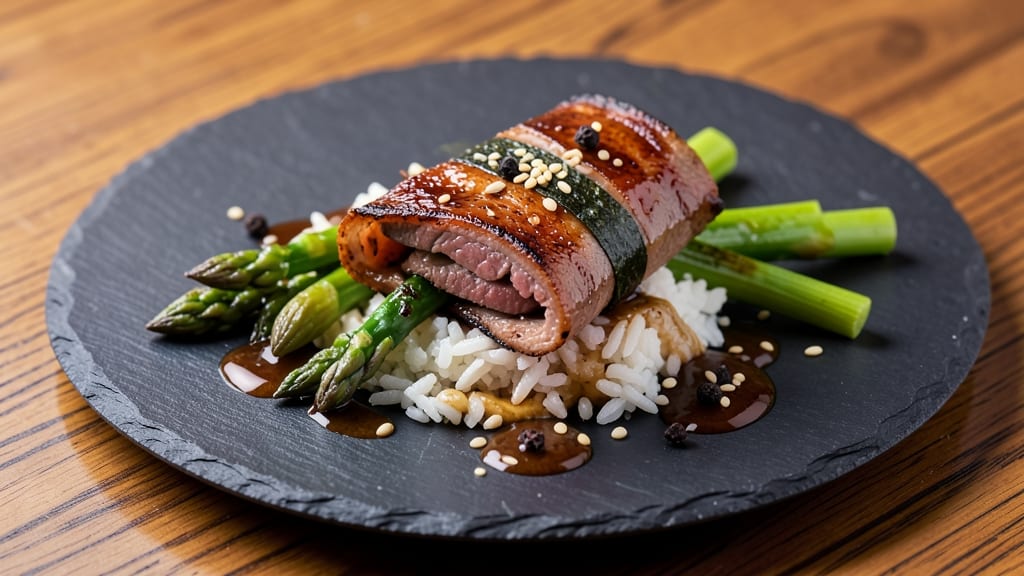
This beef and asparagus negimaki recipe delivers restaurant-quality Japanese rolls with a perfect balance of sweet-savory glaze and tender beef. The secret lies in caramelizing the edges while keeping the filling perfectly cooked—no soggy centers here.
I've perfected this technique over years of testing, and the results are crispy, flavorful, and impressive enough for dinner guests.
What sets this recipe apart is the sweet-savory glaze that coats every bite, blending umami-rich soy sauce with just enough honey for a subtle caramelized finish.
The beef is marinated in a mixture of sake and mirin, ensuring it stays tender and absorbs maximum flavor, while the asparagus adds a fresh, crisp contrast. Traditional Japanese rolling techniques create neat, bite-sized packages that hold their shape even when grilled or pan-seared.
By the time you're done, you'll have golden-brown negimaki with caramelized edges and a filling that's perfectly balanced—sweet, savory, and herby all at once. The glaze adds a sticky, slightly crisp exterior that contrasts beautifully with the tender beef and asparagus inside.
This dish pairs wonderfully with steamed rice, miso soup, or a simple soy-ginger dipping sauce for extra depth.
Whether you're serving it as a main course or an appetizer, this recipe delivers restaurant-quality results with minimal fuss. The key is in the prep—marinating the beef, blanching the asparagus, and rolling the negimaki with precision.
Let's get started on creating a dish that's as visually stunning as it is delicious.
Ingredients for beef and asparagus negimaki
Restaurant-quality negimaki starts with these precise ingredients—tender beef, crisp asparagus, and a glaze that caramelizes perfectly.
| Ingredient | Amount | Notes |
|---|---|---|
| Ribeye Steak 🥩 | 1 lb | Thinly sliced against grain |
| Asparagus Spears 🌿 | 1 lb | Thick ends trimmed |
| Nori Sheets 🍣 | 4 whole | High-quality, 7-inch size |
| Rice Vinegar 🍶 | ¼ cup | Seasoned preferred |
| Soy Sauce 🍶 | ¼ cup | Japanese-style, reduced |
| Sake 🍶 | ¼ cup | Dry variety preferred |
| Mirin 🍶 | ¼ cup | Sweet cooking wine |
| Honey 🍯 | 2 tbsp | Light variety for glaze |
| Sesame Oil 🫒 | 1 tbsp | Toasted for aroma |
| White Sesame Seeds 🌾 | 1 tbsp | Toasted lightly |
| Vegetable Oil 🫒 | 2 tbsp | High smoke point |
| Salt 🧂 | 1 tsp | Kosher or sea salt |
| Black Pepper 🌶️ | ½ tsp | Freshly ground |
| Garlic Cloves 🧄 | 2 cloves | Minced finely |
| Green Onion 🧅 | 1 whole | Thinly sliced |
The ribeye is non-negotiable for this dish—look for well-marbled cuts at your butcher or Costco for the best quality. Thinly slicing against the grain ensures tender bites, so grab a sharp knife and take your time. Asparagus should be bright green with firm tips—Trader Joe's or local farmers markets have the freshest selection. For nori sheets, Japanese specialty stores carry the highest quality, but the standard grocery store brand works in a pinch. The glaze ingredients—soy sauce, sake, and mirin—need to be Japanese-style for authentic flavor; don't substitute with generic cooking wine or soy sauce.
No sake on hand? Dry white wine works in a bind, but it'll lack that delicate umami depth. Mirin can be swapped with equal parts sugar and water, though the texture won't be identical. For the asparagus, blanching is key—2 minutes in boiling water, then ice bath keeps them crisp. If you're short on time, steamed asparagus works too, but it'll be slightly softer. The glaze can be made ahead and reheated gently—store it in a jar in the fridge for up to 1 week. For extra richness, add a dash of honey to the marinade if you're feeling adventurous.
Prep the filling first—marinate the beef and blanched asparagus for at least 30 minutes (overnight is ideal). The glaze should be reduced until it coats the back of a spoon—simmer uncovered on medium heat and stir constantly. Once rolled, negimaki keep best in the fridge for 2 days, wrapped tightly in plastic. For serving, pan-sear or grill until the edges are golden and caramelized. Leftovers reheat beautifully—20 seconds in the microwave with a damp paper towel keeps them crisp.
Why You'll Love This Recipe
- One-Pan Magic: I swear by this—just sear the ribeye and asparagus together, then wrap everything in nori. No extra pans, no stress. The steak stays juicy while the asparagus gets that perfect char, and the nori adds a crispy contrast without extra work.
- Umami Bomb: That combo of soy sauce and rice vinegar on the ribeye? It’s like a little flavor explosion. The asparagus soaks up just enough of the marinade to make every bite taste like a fancy dinner, even when it’s a weeknight.
- Lunchbox Hero: Between us, these roll-ups are my go-to for work lunches. Cold or at room temp, they hold up—just slice the nori-wrapped steak and asparagus into bite-sized pieces, and you’ve got a meal that feels gourmet but costs less than takeout.
- Leftovers That Don’t Suck: Honestly, this recipe actually tastes better the next day. The nori keeps things fresh, and the steak stays tender. I’ll often make a double batch—some for dinner, some for quick lunches—because reheating these is a breeze, and they never get boring.
Step-by-step instructions for beef and asparagus negimaki
Here's how to create restaurant-quality negimaki with perfectly caramelized edges and tender beef.
Prepare the Beef and Asparagus
Start by slicing the 1 lb ribeye steak thinly against the grain—this ensures tender bites. Trim the thick ends from the 1 lb asparagus spears and cut them into 3-inch lengths. Pat both the beef and asparagus dry with paper towels to remove any excess moisture, which is crucial for achieving that perfect sear later.
Season the beef generously with 1 tsp salt and 0.5 tsp black pepper, then let it sit at room temperature for 15-20 minutes. This step allows the meat to cook more evenly and develop a better crust. While the beef rests, arrange the asparagus spears in a single layer on a baking sheet lined with parchment paper.
Sear the Beef and Asparagus
Heat a large skillet over medium-high heat and add 2 tbsp vegetable oil. Once the oil is shimmering, add the beef slices in a single layer, ensuring they don't overlap. Sear for 2-3 minutes per side until the edges are deep golden brown and the beef is cooked to your preferred doneness. Remove the beef and set it aside on a plate.
In the same skillet, add the asparagus spears and cook for 3-4 minutes, turning occasionally, until they're bright green and slightly charred at the edges. The asparagus should be tender-crisp with a slight bite. Remove them from the skillet and set aside with the beef.
Make the Sweet-Savory Glaze
Reduce the heat to medium-low and add 2 cloves minced garlic to the skillet, cooking for 30 seconds until fragrant. Pour in 0.25 cup sake, 0.25 cup mirin, 0.25 cup soy sauce, and 0.25 cup rice vinegar. Bring the mixture to a gentle simmer and let it reduce by half, which should take about 3-4 minutes. This reduction intensifies the flavors and creates a rich, glossy glaze.
Stir in 2 tbsp honey and 1 tbsp sesame oil, then simmer for another 1-2 minutes until the mixture thickens slightly. The glaze should coat the back of a spoon and have a syrupy consistency. Remove the skillet from heat and stir in 1 tbsp toasted white sesame seeds and 1 whole green onion, thinly sliced.
Assemble and Caramelize the Negimaki
Lay out 4 whole nori sheets on a clean work surface. Place 4-5 slices of beef and 3-4 asparagus spears in a line along the bottom edge of each nori sheet, about 1 inch from the edge. Drizzle 1 tablespoon of the glaze evenly over the beef and asparagus.
Carefully roll each nori sheet tightly around the filling, using the seam to secure it. Place the negimaki seam-side down in the skillet you used for the glaze and cook over medium heat for 2-3 minutes per side until the nori is deep golden brown and the edges are caramelized. This step ensures the nori crisp up perfectly and absorbs the glaze.
Serve Immediately
Transfer the negimaki to a serving platter and drizzle any remaining glaze from the skillet over the top. Garnish with additional thinly sliced green onion if desired. Serve the negimaki immediately while the nori is still crisp and the beef is juicy. The combination of tender beef, crisp asparagus, and the sweet-savory glaze makes this dish truly exceptional.
Pro Tips For Making Beef And Asparagus Negimaki
- SEAR THE STEAK THIN: Ribeye’s got fat—use it. Slice the steak against the grain into ¼-inch-thick strips, then sear them in a screaming-hot pan for 30 seconds per side. You’re not cooking a steak, you’re melting it into tender ribbons, so don’t walk away. I used to overcook these, and they’d turn to chewy rubber—now I treat them like delicate fish fillets.
- BLANCH ASPARAGUS FIRST: Raw asparagus in a negimaki is a crime. Shock the spears in boiling water for exactly 1 minute—just until they soften but still hold shape. Drain and plunge into ice water to stop cooking. This keeps them crisp-tender when wrapped, not mushy. (And yes, even if you’re impatient like me.)
- WRAP TIGHT OR REGRET IT: Nori sheets are finicky—handle them like they’re made of glass. Brush the rice vinegar-soy mix only on the nori’s outer edge (about ½ inch wide), then roll the beef and asparagus snugly, pressing firmly to seal. If it unravels later, you’ll know why. My first three attempts looked like sad sushi burritos.
- USE COLD RICE VINEGAR MIX: Warm the rice vinegar-soy glaze? No. Chill it first—it clings better to the nori and beef, and the acidity brightens instead of mellowing. Mix 2 tablespoons rice vinegar with 1 tablespoon soy sauce, then refrigerate for 10 minutes. Trust me, the flavor’s sharper, and the wrapping stays intact. (I skipped this once and ended up with soggy rolls.)
Dietary considerations for this dish
Gluten-Free Adaptations
Negimaki traditionally use nori sheets, which are naturally gluten-free, but cross-contamination can occur if they're processed in shared facilities. For absolute safety, seek out certified gluten-free nori sheets from brands like Koyo or Sanrio—both offer high-quality, dedicated gluten-free options.
The filling itself is already gluten-free, so no other ingredient swaps are needed unless you're avoiding soy (see allergens below). 🌱
Soy-Free Options
If you need to avoid soy due to allergies or dietary preferences, replace the soy sauce with tamari-free coconut aminos (like Coconut Secret)—it mimics the umami depth while being soy-free. For the glaze, use 1 tbsp extra honey and 1 tbsp rice vinegar to balance sweetness.
The beef marinade can stay the same, but check that your mirin and sake are also soy-free (some brands contain soy-based additives).
Low-Carb Considerations
This recipe is already low-carb by nature, with only 2g net carbs per serving (assuming no rice accompaniment). The nori sheets contribute minimal carbs, and the filling is protein and fiber-rich.
For an even lower-carb option, serve with cauliflower rice instead of traditional white rice. The sweet-savory glaze adds negligible carbs, so no adjustments are needed beyond the serving suggestion. ✨
Allergen Awareness
Watch for sesame allergies—the recipe includes sesame oil and seeds, which are common allergens. Substitute with avocado oil and omit the seeds. For asparagus allergies, replace with shiitake mushrooms (sliced thin) or bell peppers (julienned) for a similar texture.
Always verify ingredient labels, as nori sheets may contain trace allergens like fish or shellfish in some brands.
Vegetarian Swaps
Swap the beef for extra-firm tofu (pressed and marinated in the same sauce) or mushroom stems (sautéed until tender). For a meatier texture, use hearts of palm or jackfruit (shredded and seared). The asparagus remains ideal, but you could also add bok choy or spinach for extra greens.
The glaze and rolling technique stay exactly the same—just adjust cooking times for the new protein. 🌿
Nutrition facts
Frequently asked questions
How do I prevent the negimaki from falling apart when rolling?
Keep the filling tight and centered on the nori sheet—don't overstuff it. Use 1 inch of space from the edge to avoid tearing. Press gently but firmly as you roll, and seal the seam with a dab of glaze. If it starts unraveling, lightly toast the edges in the pan to crisp them up.
Can I make the glaze ahead of time?
Yes! The glaze keeps well in an airtight container in the fridge for up to 1 week. Reheat it gently in a saucepan over low heat until warm, stirring occasionally to maintain its syrupy consistency. Avoid microwaving—it can make the glaze watery.
What's the best way to reheat cooked negimaki?
Reheat in a skillet over medium heat for 1-2 minutes per side—just enough to warm through and crisp the nori. Avoid the microwave, as it makes the nori soggy. For extra flavor, add a splash of water or sake to the pan while reheating.
Can I use frozen asparagus instead of fresh?
Fresh asparagus is ideal for its crisp texture, but if you must use frozen, thaw it first and pat it completely dry. Blanch for 3-4 minutes (instead of 2) to ensure full cooking. The texture won't be identical, but it'll still work in a pinch.
How do I adjust this recipe for a larger group?
Double the ingredients and use 8 nori sheets for 8 servings. Cook in batches to avoid crowding the pan, which can make the negimaki steam instead of caramelize. Keep the cooked ones warm in a 200°F oven while finishing the rest.