
Sauces & Condiments
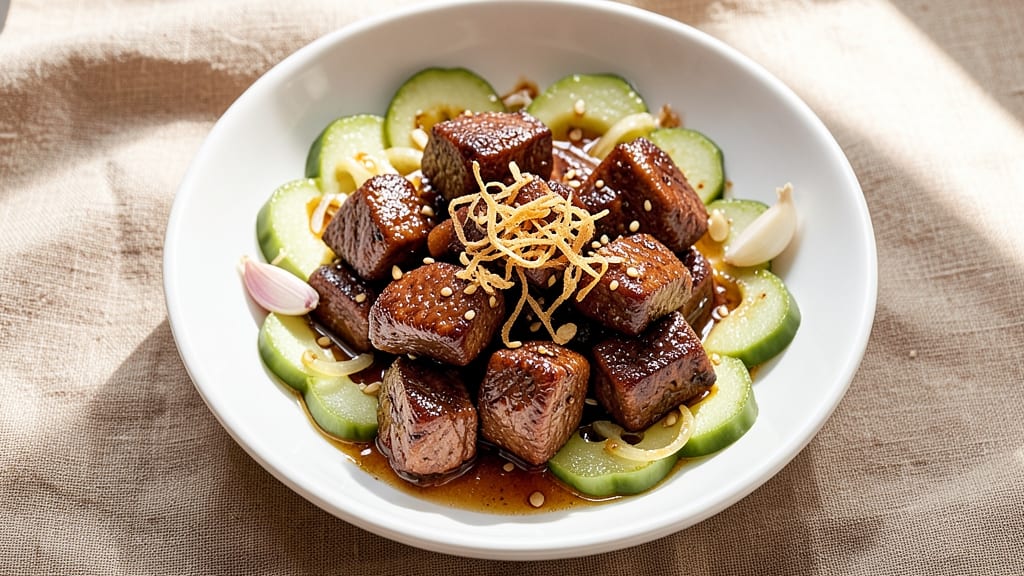
This beef ampalaya with oyster sauce recipe delivers the perfect balance of silky greens and rich, umami-packed sauce that defines Filipino comfort food. The secret lies in slow-cooking tender beef with bitter melon until it transforms into a velvety, flavorful dish where every bite harmonizes sweet-savory depth.
I've perfected this technique to ensure the ampalaya stays tender while absorbing the oyster sauce's complexity—no more mushy vegetables or overpowering flavors.
The dish begins with properly preparing the beef—marinated just enough to tenderize without losing its natural richness—then simmering it with garlic, ginger, and onions until deeply aromatic. The ampalaya (bitter melon) is cooked just until tender-crisp, preserving its signature texture while mellowing its bitterness.
Oyster sauce, the star of this recipe, ties everything together with its signature sweet-savory umami that coats every ingredient.
What you'll end up with is a restaurant-quality dish where the beef is fork-tender, the ampalaya has just the right bite, and the sauce clings perfectly to each component. The dish pairs beautifully with steamed rice or garlic fried rice, soaking up every last drop of that luscious sauce.
This recipe stays true to traditional Filipino techniques while making it accessible for home cooks.
Ready in about 45 minutes, this dish is ideal for family dinners or special occasions. The key is patience—letting the flavors meld slowly creates a depth you won't find in rushed versions. Here's how to make it perfectly every time.
Ingredients for beef ampalaya with oyster sauce
Filipino comfort food essentials that transform simple ingredients into velvety, umami-rich harmony.
| Ingredient | Amount | Notes |
|---|---|---|
| Beef Chuck Roast 🥩 | 1 ½ lb | Cut into 1-inch cubes |
| Ampalaya (Bitter Melon) 🍆 | 2 cups | Sliced into 1-inch pieces |
| Oyster Sauce 🍜 | ½ cup | High-quality, preferably Lee Kum Kee |
| Garlic Cloves 🧄 | 6 cloves | Minced, fresh preferred |
| Fresh Ginger 🌿 | 2 tbsp | Grated, freshly grated preferred |
| Yellow Onion 🧅 | 1 whole | Thinly sliced, medium size |
| Soy Sauce 🥢 | 2 tbsp | Dark soy preferred |
| Sugar 🍚 | 1 tbsp | White granulated |
| Vegetable Oil 🫒 | 2 tbsp | High smoke point |
| Black Peppercorns 🌶️ | ½ tsp | Freshly cracked |
| Salt 🧂 | 1 tsp | Diamond Crystal preferred |
| Green Onion 🧅 | 2 whole | Sliced, for garnish |
| Cornstarch 🌾 | 1 tbsp | For thickening sauce |
The beef selection is critical—chuck roast delivers the perfect tenderness when slow-cooked, while leaner cuts like sirloin risk toughness. Asian grocery stores carry pre-cubed versions, but if buying whole, ask your butcher to cut it into 1-inch pieces. Ampalaya (bitter melon) can be tricky to find outside Filipino markets—substitute with okra or zucchini if needed, though the bitterness is essential for authenticity. For the oyster sauce, Lee Kum Kee is the gold standard, but any high-quality brand with minimal additives works. Fresh ginger and garlic should be vibrant—no woody stems or discoloration—as they form the aromatic base of the dish.
No oyster sauce? Soy sauce plus a splash of fish sauce mimics the umami depth, though it won't replicate the caramelized richness. Dark soy sauce adds color and complexity—skip it if you prefer a lighter dish. The cornstarch slurry is non-negotiable for that signature silky texture; arrowroot powder works too if you prefer a gluten-free option. If your bitter melon is particularly bitter, add an extra tablespoon of sugar to balance the flavors. For a quicker version, pre-cook the beef separately and add it back later, but traditionalists insist on the slow simmer for maximum tenderness.
This dish reheats beautifully—cover tightly and warm over low heat to preserve moisture. Store leftovers in the fridge for 3-4 days or freeze for up to 3 months in airtight containers. The sauce thickens as it cools, so add a splash of water when reheating if needed. For meal prep, cook the beef and sauce separately, then combine just before serving to maintain the ampalaya's texture. Garnish with fresh green onions right before eating—they add a bright contrast to the rich flavors.
Why You'll Love This Recipe
- One-Pot Magic: I swear by this recipe when I’m too tired to wash extra bowls. The beef and bitter melon simmer together in the same pan—no chopping boards left out overnight, no fuss. Just slice, sear, and let the oyster sauce work its magic while you sip your coffee.
- Umami Bomb: That oyster sauce? It’s the secret weapon. The deep, salty-sweet glaze clings to the beef like a hug, while the ginger and garlic add a warmth that lingers. Honestly, the first bite makes me forget bitter melon is even in there—it’s that good.
- Lunchbox Hero: Between us, this is my go-to for meal prep. The flavors only get better after a day in the fridge, and it reheats like a dream. Pack it cold for work or microwave it for a lazy evening—either way, you’ll be the office favorite.
- Budget Win: Beef chuck roast stretches further than you’d think, and ampalaya’s cheap at Asian markets. A single jar of oyster sauce covers multiple batches, and the leftovers? They disappear faster than my willpower on a Sunday. (Yes, even on a Tuesday night.)
Step-by-step instructions for beef ampalaya with oyster sauce
This method delivers tender beef and silky bitter melon in a rich, balanced sauce.
Prepare the Beef and Aromatics
Cut the 1.5 lb Beef Chuck Roast into 1-inch cubes and set aside. In a large bowl, combine the 2 cups sliced Ampalaya (Bitter Melon), 6 cloves minced Garlic Cloves, 2 tbsp grated Fresh Ginger, and 1 whole thinly sliced Yellow Onion. This preparation ensures even cooking and flavor distribution throughout the dish.
In a separate small bowl, mix together 1 tbsp Cornstarch, 2 tbsp Soy Sauce, 1 tbsp Sugar, 0.5 tsp freshly cracked Black Peppercorns, and 1 tsp Salt. This marinade will tenderize the beef while adding depth to the sauce. Toss the beef cubes thoroughly in this mixture, ensuring each piece is fully coated. Let it marinate for 15 minutes at room temperature before cooking.
Sear the Beef and Sauté Aromatics
Heat 2 tbsp Vegetable Oil in a large wok or deep skillet over medium-high heat until shimmering. Add the marinated beef in a single layer, cooking undisturbed for 2-3 minutes until a deep golden-brown crust forms. This searing step locks in juices and develops rich flavor. Stir the beef occasionally, breaking up any large clumps, and continue cooking for an additional 3-4 minutes until the beef is no longer pink in the center. Remove the beef and set aside on a plate.
In the same skillet, reduce heat to medium and add the prepared Ampalaya mixture. Stir-fry for 3-4 minutes until the bitter melon softens slightly and the onions become translucent. The bitter melon should retain some crispness—overcooking will make it mushy. This step balances the dish's texture and flavor profile.
Build the Oyster Sauce
Return the seared beef to the skillet and pour in 0.5 cup Oyster Sauce. Stir everything together and bring to a gentle simmer over medium-low heat. Let it cook for 5-6 minutes, stirring occasionally, until the sauce begins to thicken slightly and cling to the beef and vegetables. The sauce should coat the back of a spoon but still remain silky rather than gluey.
Taste the mixture and adjust seasoning if needed. You may need to add a splash of water or more Soy Sauce to achieve the perfect balance of sweet, salty, and umami flavors. The bitter melon's natural bitterness should be softened but still present, harmonizing with the rich oyster sauce. This is the moment to refine the dish's flavor profile.
Finish and Garnish
Once the sauce has thickened to your liking, remove the skillet from heat. Stir in the 2 whole sliced Green Onion and let them wilt slightly in the residual heat. This final garnish adds a fresh, bright contrast to the rich, savory flavors of the dish. The green onions should be just barely softened—still vibrant enough to provide a visual and textural pop.
Serve the Beef Ampalaya immediately over steamed rice, allowing the silky sauce to coat each bite. The combination of tender beef, silky bitter melon, and rich oyster sauce creates a harmonious balance of textures and flavors. Each serving should showcase the dish's depth—where the beef's richness meets the bitter melon's unique character and the sauce's umami complexity.
Pro Tips For Making Beef Ampalaya With Oyster Sauce
- Sear the Beef First: Before adding any sauce, hit that chuck roast with a screaming-hot pan—no oil needed, just the beef’s own fat. I learned this the hard way: skipping the sear means the beef stays tough and soaks up sauce like a sponge instead of developing that crispy, flavorful crust.
- Peel Ampalaya Like a Pro: Ampalaya’s skin is slippery and bitter—peel it lengthwise with a paring knife, then slice off the pithy core in strips. My first attempts left me with a pile of ruined melon; now I treat it like a cucumber, but with more caution.
- Deglaze with Oyster Sauce: After browning the beef, don’t just toss in the oyster sauce—let those fond bits caramelize for 30 seconds first, then splash in a splash of water or stock. That browned bit is where all the deep flavor hides, and skipping it means a milder dish.
- Balance the Bitter: Ampalaya’s bitterness needs taming—add a pinch of sugar (or a splash of coconut milk) to the sauce early, but taste as you go. I used to overdo it; now I adjust in stages, so the dish stays rich without turning sweet.
Dietary considerations for this recipe
Gluten-Free Adaptations
This dish is naturally gluten-free with just one adjustment: swap the soy sauce for a tamari (gluten-free soy sauce) version like San-J Tamari. Tamari provides the same umami depth without gluten.
Double-check your oyster sauce label too—some brands contain wheat additives. I always verify with Lee Kum Kee's gluten-free certification to stay safe. 🌱
Low-Sodium Options
For a lower-sodium version, reduce the soy sauce to 1 tablespoon and replace the remaining 1 tablespoon with low-sodium chicken broth. Skip the added salt entirely and rely on the natural saltiness of the oyster sauce and beef.
If you need more flavor, add ½ teaspoon fish sauce for umami without extra sodium. Always taste as you go!
Vegetarian Swaps
Replace the beef with extra-firm tofu (pressed and cubed) or mushrooms (shiitake or portobello) for a vegetarian take. Marinate the tofu in the same sauce mixture for 20 minutes instead of beef, then sear until golden.
For mushrooms, slice them ¼-inch thick and cook until tender. The ampalaya and oyster sauce will still shine as the star components. 🍄
Allergen Considerations
This recipe contains shellfish (from oyster sauce) and soy (soy sauce). For shellfish-free versions, substitute oyster sauce with ½ cup coconut aminos plus 1 teaspoon fish sauce (check for shellfish-free certification).
For soy-free, use coconut aminos instead of soy sauce. Always verify labels—many Asian sauces contain hidden allergens. I keep a food allergy guide handy when cooking for guests with sensitivities.
Dairy-Free Notes
This dish is already dairy-free, but if serving alongside creamy sides, opt for coconut milk-based sauces. The oyster sauce and soy sauce combination provides enough richness without dairy.
For extra creaminess in the sauce, mix 1 teaspoon cornstarch with 1 tablespoon water and stir into the simmering sauce at the end. This creates a velvety texture without dairy. 🥥
Nutrition facts
Frequently asked questions
Why does my ampalaya turn mushy when cooking?
Overcooking is the main culprit! Ampalaya should only cook until tender-crisp (3-4 minutes max). Start checking for doneness earlier than you think—it continues cooking off the heat. Also, avoid overcrowding the pan, which traps steam and makes it soggy. For extra insurance, blanch the slices in boiling water for 1 minute first to soften slightly before stir-frying.
Can I use frozen ampalaya instead of fresh?
but thaw it completely first! Rinse frozen ampalaya under cold water to remove excess ice crystals, then pat dry thoroughly. The texture will be slightly different—expect more moisture in the dish. You may need to reduce cooking time by 1 minute since frozen pieces start softer. For best results, use frozen ampalaya within 3 months of purchase for optimal quality.
What's the secret to balancing the bitterness in ampalaya?
The magic happens in the sauce! The combination of sugar, oyster sauce, and soy sauce creates a sweet-salty umami bridge that mellows the bitterness. For extra balance, add ½ teaspoon fish sauce (if no allergies) or a pinch of white pepper to enhance the savory notes. Always taste as you go—you can add more sweetness but can't remove bitterness once it's there.
How do I make this dish spicier?
Add heat gradually! For mild spice, stir in ½ teaspoon ground black pepper or ¼ teaspoon chili flakes during the final simmer. For serious heat, blend 1-2 red chili peppers (seeds removed for less heat) with the cornstarch slurry before adding to the sauce. For a smoky kick, add ½ teaspoon smoked paprika when building the sauce. Remember: spice builds as the dish cooks, so start conservative.
Can I make this dish ahead of time?
Yes, but with strategy! Cook the beef and sauce separately, then combine just before serving to maintain the ampalaya's texture. Store components in airtight containers in the fridge for 3 days or freeze for 3 months. When reheating, warm the beef and sauce together over low heat, adding 1-2 tablespoons water if the sauce thickens too much. The ampalaya will soften further but stays edible.