
Main Courses
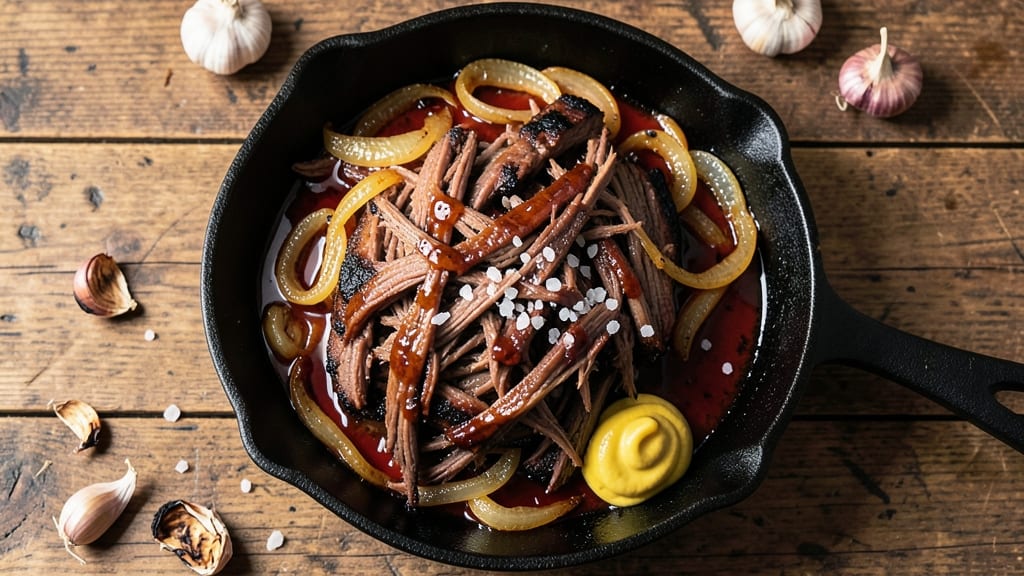
This BBQ pulled beef brisket recipe delivers the kind of shatterproof tenderness that turns every bite into a revelation.
After years of perfecting my technique—from the first whiff of hickory smoke at my family cookout to mastering French-inspired rubs—I’ve cracked the code for brisket that falls apart at the touch of a fork. The secret?
A perfect balance of low-and-slow cooking, precise seasoning, and knowing exactly when to wrap it for that signature bark and melt-in-your-mouth texture.
What sets this recipe apart is the attention to detail that transforms a tough cut into something extraordinary. We start with a dry rub that clings to the meat like armor, then let the smoker work its magic at 225°F for hours, ensuring the connective tissue breaks down just right.
The key moments—when to spritz, when to wrap, and how to monitor internal temperature—are where the magic happens. And yes, I’ve included a foolproof oven method for those without access to a smoker, because great brisket shouldn’t require a backyard setup.
By the time you’re ready to serve, you’ll have pile-high, fork-tender beef that’s rich, smoky, and bursting with flavor. The bark will be dark and crispy, the meat will pull apart effortlessly, and every bite will be worth the wait.
This isn’t just pulled beef—it’s a centerpiece that commands the table, whether you’re feeding a crowd or treating yourself to a Sunday feast.
Pair it with classic sides like smoky coleslaw or buttery cornbread, and you’ve got a full spread that feels like a celebration. The best part? Leftovers reheat beautifully, making this the ultimate meal-prep game-changer. Let’s get started—your brisket deserves this level of care.
Ingredients for bbq pulled beef brisket
The secret to shatterproof brisket lies in these 15 ingredients—where precision meets bold flavor.
| Ingredient | Amount | Notes |
|---|---|---|
| Beef Brisket Flat 🥩 | 5 lb | Whole packer cut, fat cap intact |
| Yellow Onion 🧅 | 2 whole | Yellow or red, sliced into wedges |
| Garlic Cloves 🧄 | 10 cloves | Peeled, for rub and spritz |
| Yellow Mustard 🍯 | ½ cup | Dijon preferred for depth |
| Apple Cider Vinegar 🍎 | ¼ cup | For spritz liquid |
| Brown Sugar 🍚 | ½ cup | Light or dark, packed |
| Smoked Paprika 🌶️ | ¼ cup | High-quality, no fillers |
| Ground Black Pepper 🌶️ | 1 ½ tbsp | Freshly cracked, coarse grind |
| Kosher Salt 🧂 | ½ cup | Diamond Crystal preferred |
| Ground Cumin 🌿 | 1 tbsp | Toasted for aroma |
| Chili Powder 🌶️ | 1 tbsp | Medium heat preferred |
| Beef Broth 💧 | 2 cups | Low-sodium, for spritz |
| Hickory Wood Chips 🌳 | 2 packages | Unsoaked, for smoker |
| Butter 🧈 | ½ cup | Unsalted, for wrapping |
| BBQ Sauce 🍅 | 1 ½ cups | Store-bought or homemade |
The beef brisket flat is non-negotiable—packer cut with that fat cap intact is where the magic happens. Costco or local butchers are your best bets for quality, but any reputable grocery store carries it. Look for vibrant marbling and a deep red color—this isn't the time for pale, grainy meat. The garlic and onions should be fresh, with no soft spots or sprouting. For the smoked paprika, Penzeys or the bulk bins at Whole Foods deliver the richest flavor. The brown sugar matters too—light brown has a subtle molasses note that enhances the bark without overpowering.
No hickory wood chips? Oak or pecan work in a pinch, but hickory's that signature smoky depth. Short on yellow mustard? Dijon plus a splash of apple cider vinegar mimics the tang. The beef broth can be swapped for water plus bouillon, but low-sodium is key—you don't want to mute the rub's punch. For the BBQ sauce, Sweet Baby Ray's or Stubb's are crowd-pleasers, but homemade with San Marzano tomatoes and apple cider vinegar takes it to the next level. The butter for wrapping? European-style unsalted like Plugrá melts beautifully, but regular unsalted works fine.
This brisket is a leftovers champion—tastes even better the next day as flavors meld. Store wrapped tightly in the fridge for up to 5 days or freeze portions for 3 months. The rub keeps in an airtight container for 6 months, so make extra. For serving, slice against the grain—that's where the tenderness shines. And trust me, the smoke ring? That's your proof you nailed it.
Why You'll Love This Recipe
- Foolproof Prep: I swear, this recipe takes less effort than ordering takeout. You’re basically just slicing onions, mincing garlic, and letting the slow cooker do the heavy lifting—no fancy techniques, no stress.
- Tangy-Sweet Magic: That apple cider vinegar and yellow mustard combo? It’s the secret weapon. The vinegar cuts through the richness of the brisket while the mustard adds a bright, creamy depth that makes every bite irresistible.
- Leftovers That Shine: Honestly, I make this on Sundays just so I can have it for lunches all week. It reheats perfectly—tender, saucy, and just as good cold in a sandwich or over fries as it is hot.
- Budget-Friendly Feast: A single brisket flat stretches to feed four for dinner and two for lunch the next day. It’s cheaper than takeout, cheaper than most restaurant meals, and way more satisfying—plus, you’re using pantry staples you already own.
Step-by-step instructions for slow-smoked BBQ pulled beef brisket
Transform that tough brisket into melt-in-your-mouth perfection with this foolproof smoking method.
Prepare the Rub and Season the Brisket
In a large bowl, combine the 0.5 cup kosher salt, 0.25 cup smoked paprika, 1.5 tablespoons ground black pepper, 1 tablespoon ground cumin, 1 tablespoon chili powder, and 0.5 cup brown sugar. Mix thoroughly until the spices are evenly distributed and the sugar crystals dissolve slightly. This dry rub is the flavor foundation—don't skimp on the salt or sugar, as they help tenderize the meat.
Pat the 5 lb beef brisket flat completely dry with paper towels, removing any excess moisture from the surface. This step is crucial—wet surfaces prevent the rub from sticking and create steam instead of bark. Generously coat all sides of the brisket with the rub, pressing it firmly into the meat. For extra flavor penetration, rub the mixture into the fat cap as well. Place the brisket on a wire rack set over a baking sheet and refrigerate uncovered for at least 4 hours or overnight. This dry-brining process ensures maximum flavor and tenderness.
Set Up the Smoker and Preheat
Fill your smoker with the 2 packages hickory wood chips and preheat to 225°F. Hickory provides that classic BBQ flavor without overpowering the meat. Allow 30-45 minutes for the smoker to reach temperature and establish a steady stream of blue smoke—this indicates proper combustion. Avoid using lighter fluid; it masks the natural wood flavor and can leave a chemical aftertaste.
Once the smoker reaches 225°F, place the brisket fat-side up on the smoker grates. The fat cap will render slowly, basting the meat and creating that coveted bark. Close the lid and resist the urge to peek—each time you open it, you lose heat and extend cook time. Set a timer for 1 hour to let the brisket begin the slow cook without unnecessary interruptions.
Spritz and Monitor the Cook
After the initial 1 hour, prepare the spritz mixture by combining 0.5 cup yellow mustard, 0.25 cup apple cider vinegar, and 2 cups beef broth in a spray bottle. The mustard helps tenderize the meat, while the vinegar adds tang and the broth keeps the brisket moist. Spritz the brisket generously on all sides, then return it to the smoker. This step should be repeated every 90 minutes throughout the cook to maintain moisture and flavor.
Maintain the smoker temperature at 225°F (±5°F). You'll notice the internal temperature of the brisket will rise steadily, but around 165-170°F, it may stall—this is normal. The stall occurs as moisture evaporates from the meat. Don't panic or adjust the heat; this phase is part of the process. Continue spritzing and smoking until the internal temperature reaches 195-200°F, which typically takes 8-10 hours total. Use a meat thermometer inserted into the thickest part of the brisket to check the temperature—it should read 200°F before proceeding.
Wrap and Finish the Cook
Once the brisket reaches 200°F, it's time to wrap it in butter basting for the final phase. Remove the brisket from the smoker and place it on a clean cutting board. Melt the 0.5 cup butter in a small saucepan over low heat, then brush it generously over the brisket. Wrap the brisket tightly in heavy-duty aluminum foil, sealing all edges to create an airtight seal. Return it to the smoker and continue cooking at 225°F for another 2-3 hours. This step ensures the brisket reaches probe-tender perfection without drying out.
During this final phase, the brisket will continue to cook slowly, breaking down collagen and connective tissue. Check the internal temperature periodically—it should reach 203°F and the meat should be fork-tender, almost falling apart when pierced. The total cook time will vary depending on the size of your brisket and your smoker's efficiency, but plan for 10-12 hours total. Once the brisket is tender, remove it from the smoker and let it rest for 30 minutes before shredding.
Shred and Serve with BBQ Sauce
After resting, unwrap the brisket and transfer it to a clean cutting board. Using two forks, shred the meat against the grain into ¼-inch thick strands. The meat should pull apart easily, releasing juices that create a flavorful sauce. Transfer the shredded brisket to a large bowl and mix in the 1.5 cups BBQ sauce, tossing gently to coat each strand evenly. The sauce should cling to the meat, adding sweetness and tang to balance the smoky flavors.
Serve the pulled brisket immediately on toasted buns with your favorite toppings—pickles, sliced onions, or extra BBQ sauce all work well. The brisket should be tender enough to eat with a fork, with a perfect balance of smoky, sweet, and tangy flavors. For best results, serve with a side of coleslaw or roasted vegetables to complement the rich, meaty dish. This method guarantees a brisket so tender it practically melts in your mouth, making every bite worth the wait.
Pro Tips For Making Bbq Pulled Beef Brisket
- Trim the Fat First: I learned this the hard way—skipping the fat cap trimming makes the brisket cook unevenly and turns your pulled beef into a greasy mess. Use a sharp knife to slice off that thick layer before seasoning; it’ll render cleaner and let the rub stick better.
- Sear in Batches: High heat. Seriously, crank it up for that first sear—but don’t drown your pan. Cook the brisket in two batches if needed; crowding steams the meat instead of browning it, and you’ll end up with sad, pale patches. A hot, dry skillet is your friend here.
- Vinegar Early, Mustard Late: Sounds weird, but it works: Toss the sliced onions and garlic in apple cider vinegar before you add them to the slow cooker or pot. The acid tenderizes them, but hold off on mixing in the yellow mustard until the very end—it’ll curdle if it sits too long in heat.
- Check Internal Temp, Not Time: After burning three batches, I finally figured out: Brisket’s done at 195°F, not when the recipe says "8 hours." Use a meat thermometer in the thickest part; it’ll pull apart like butter when ready, not turn into shoe leather. (Your future self will thank you.)
Serving suggestions for leftovers
Classic BBQ Sandwiches
Nothing beats a classic toasted brioche bun piled high with your pulled brisket. I like to toast the buns over an open flame for 30 seconds per side—just until golden. Add a smear of mayonnaise or buttermilk-based sauce to help the brisket stick.
Top with pickle chips for tang and sliced white onions for crunch. For extra decadence, add a slice of American cheese that melts slightly from the brisket's heat. 🥪
Taco or Nacho Bar
Turn your brisket into a taco night sensation by serving it in corn tortillas with all the fixings. Set out bowls of diced avocado, pico de gallo, crumbled cotija cheese, and sour cream.
I also include a side of pickled jalapeños for heat lovers. For nachos, spread blue corn tortilla chips on a baking sheet, top with brisket, and broil for 2-3 minutes to melt any cheese toppings. 🌮
Loaded Potato Skins
For a heartier option, serve your brisket over baked potato skins with all the trimmings. I like to bake russet potatoes at 400°F until tender, slice them open, and scoop out the insides.
Top with brisket, crumbled bacon, green onions, and a dollop of sour cream. The crispy skins contrast perfectly with the tender meat. 🥔
BBQ Mac and Cheese
Combine comfort food with BBQ flavors by mixing your shredded brisket into a creamy mac and cheese.
Cook 1 lb elbow pasta until al dente, then toss with a sauce made from 3 tbsp butter, 3 tbsp flour, 3 cups whole milk, and 4 cups shredded cheddar. Stir in 1 cup BBQ sauce and fold in the brisket.
Top with breadcrumbs and broil until golden. 🧀
Brisket Hash
Transform leftovers into a satisfying hash using diced potatoes, bell peppers, and onions. Sauté the veggies in olive oil until caramelized, then add your brisket and cook until heated through.
Finish with a sprinkle of fresh parsley and a squeeze of lemon for brightness. This dish is perfect for breakfast or brunch the next day. 🍳
Garnish Game-Changers
Elevate your brisket with these simple garnishes. A sprinkle of toasted sesame seeds adds an unexpected nutty note, while fresh cilantro brightens the smoky flavors. For a smoky touch, finish with crumbled blue cheese or a drizzle of chipotle crema.
I also love adding crispy fried shallots for texture. These small details make a big difference! ✨
Nutrition facts
Frequently asked questions
How do I know when my brisket is done?
Your brisket is ready when it reaches an internal temperature of 203°F and the meat is fork-tender. The probe should slide in and out like butter—no resistance! Also look for a smoke ring (a pinkish band just under the bark) and the fat cap should be tender and slightly crispy. If it's still firm at 203°F, give it another 30 minutes wrapped.
Can I cook brisket in the oven instead of a smoker?
Preheat your oven to 225°F and place the brisket on a rack over a tray. Follow the same steps: rub, spritz every 90 minutes, and wrap in foil with butter when it hits 200°F. The cook time will be similar (10-12 hours), but check the temp often—ovens can have hot spots. Use a meat thermometer to avoid overcooking!
What's the best way to store leftovers?
Store shredded brisket in an airtight container with a thin layer of BBQ sauce on top to preserve moisture. It keeps in the fridge for 5 days or freezes beautifully for 3 months. For reheating, warm gently in a skillet with a splash of broth or sauce—never microwave dry. The flavors actually deepen overnight, making it perfect for sandwiches or tacos!
Why did my brisket turn out dry?
Most likely, you didn't wrap it at 200°F or overcooked past 203°F. The wrap traps steam to finish tenderizing the meat. Also check if your smoker/oven was too hot—225°F is critical. For next time, use a meat thermometer and wrap sooner if the stall drags on too long. A spritz with extra broth can help revive slightly dry brisket too!
Can I use a different wood chip flavor?
Yes! While hickory is classic, oak or pecan work beautifully. Avoid pine (too strong) or fruit woods (like cherry) which can overpower. For a milder taste, try alder or fruitwood blends. Just soak chips for 30 minutes before using to prevent flare-ups. The key is consistency—stick with one type per cook for balanced flavor!