
Main Courses
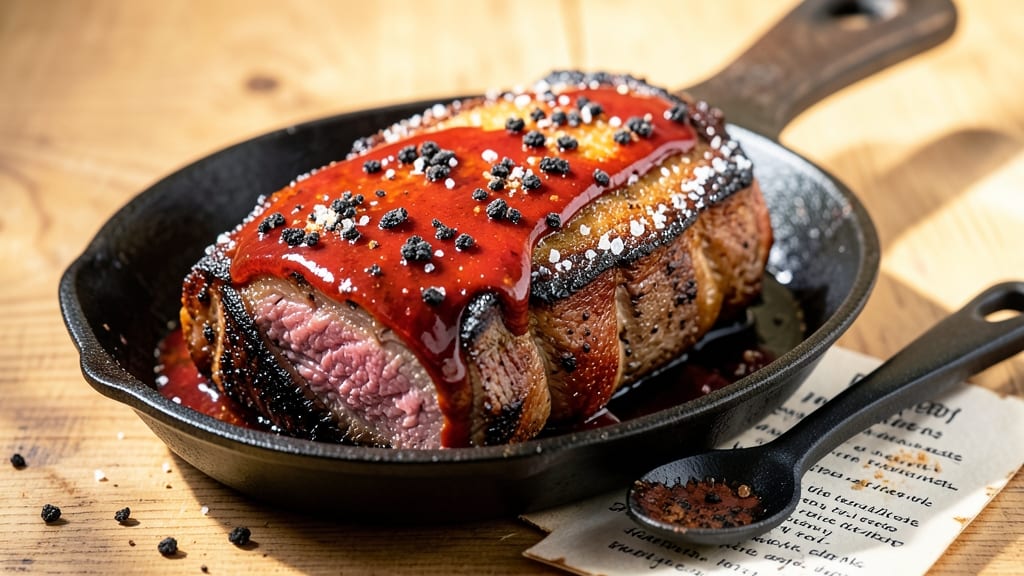
This BBQ pitmasters' beef brisket recipe delivers the kind of tender, smoky perfection that turns every cookout into a legendary event. After years of perfecting my technique—from Texas-style wood smoke to Kansas City's sweet-spicy touch—I've cracked the code for that ideal balance of crispy bark and melt-in-your-mouth tenderness. The secret lies in patience: letting the brisket rest at 195–203°F for hours until it practically falls apart, then slicing against the grain for maximum flavor impact.
What sets this recipe apart is the attention to detail that separates backyard cooks from true pitmasters. We're talking about the science of bark formation—how a dry rub of coffee, brown sugar, and smoked paprika creates that irresistible crust while keeping the meat juicy inside.
And let's not forget the probe test: the moment that fat becomes translucent and the meat pulls away cleanly, you know you've hit golden perfection.
By the time you serve this brisket—sliced thick, piled high on buttery white bread with tangy pickles and smoky baked beans—you'll understand why this is the centerpiece of any BBQ spread.
The aroma alone will have guests gathering before the first slice is even served. This isn't just dinner; it's an experience that transforms ordinary gatherings into unforgettable feasts.
Whether you're cooking for a crowd or treating yourself to a solo victory lap, this method delivers restaurant-quality results with a fraction of the fuss. Let's get smoking—your taste buds (and your guests) will thank you.
Ingredients for bbq pitmasters beef brisket
The secret to legendary brisket lies in these 13 ingredients—where science meets smoky magic.
| Ingredient | Amount | Notes |
|---|---|---|
| Beef Brisket 🥩 | 8 lb | Packer cut, good fat cap |
| Yellow Mustard 🍯 | ½ cup | For initial coating |
| Coarse Kosher Salt 🧂 | ½ cup | Diamond Crystal preferred |
| Ground Black Pepper 🌶️ | 2 tbsp | Freshly cracked |
| Finely Ground Coffee ☕ | ¼ cup | Freshly ground dark roast |
| Light Brown Sugar 🍚 | ¼ cup | Packed firmly |
| Smoked Paprika 🌶️ | 2 tbsp | High-quality, not sweet |
| Garlic Powder 🧄 | 1 tbsp | Freshly toasted preferred |
| Onion Powder 🧅 | 1 tbsp | Freshly ground |
| Chopped Fresh Parsley 🌿 | ¼ cup | For finishing garnish |
| Apple Cider Vinegar 🍎 | ¼ cup | For spritzing during cook |
| Hickory Wood Chips 🌳 | 2 lb | Unsoaked, for smoker |
| Beef Broth 🥫 | 1 cup | For spritzing, low-sodium |
The brisket is non-negotiable—packer cut with thick fat cap is your golden ticket. Costco or local butcher shops are your best bets for quality. Look for vibrant red color and good marbling—this isn't the time for lean cuts. I've found the best results with 8-pound briskets, but adjust your cook time if you go smaller. For the coffee, Starbucks dark roast works in a pinch, but freshly ground from a local roaster gives that authentic depth. The brown sugar should be packed firmly—don't scoop it loosely. And that smoked paprika? Penzeys or Gourmet Madness brands deliver the real deal.
No hickory chips? Pecan or cherry wood works beautifully—just soak them first. Running low on beef broth? Water plus 1 tbsp soy sauce mimics the umami punch. The mustard is crucial—it helps the rub stick and adds that subtle tang. If you're in a bind, Dijon mustard at half the amount gets you close. Fresh parsley is ideal, but dried parsley at one-third the quantity won't ruin the dish. Pro tip: Toast your spices—garlic powder and onion powder both benefit from a quick dry toast in a skillet before mixing. And that vinegar spritz? Apple cider vinegar is best, but white vinegar in a pinch works fine.
Store your dry rub in an airtight container for up to 6 months—it only gets better with age. The brisket itself? Use within 5 days of purchase for peak tenderness. After cooking, let it rest for at least 1 hour before slicing—this is where the magic happens. I like to portion leftovers into vacuum-sealed bags for 3 months in the freezer. The bark? It reheats beautifully—just cover with foil and warm at 300°F for 20 minutes. And save those fat trimmings—they're perfect for making jus or crispy fried onions.
Why You'll Love This Recipe
- Four-Hour Magic: I swear, this brisket falls apart with just four hours in the oven—no smoker, no fuss. Sprinkle that coffee ground rub (yes, really) and let it work its deep, smoky charm while you handle the rest of dinner.
- Mustard-Secret Umami: That yellow mustard isn’t just for dipping—it’s the glue binding the salt, pepper, and coffee into a crust so addictive, I’ve caught myself sneaking bites straight from the pan. (Don’t judge me.)
- Leftover Luxury: The first time I made this, I had three days of sandwiches—no sad, dry slices here. The meat stays juicy, and the coffee rub keeps it tasting fresh even reheated. (My lunchbox hero.)
- Budget Beef Boost: A whole packer for under $10? This brisket stretches across meals, parties, or just lazy Sundays without breaking the bank. Honestly, it’s the kind of deal that makes me question why I ever bought expensive cuts.
Step-by-step instructions for smoky brisket perfection
Mastering brisket means balancing smoke, time, and technique—here's how to nail every detail.
Prepare and Season the Brisket for Maximum Flavor
Start by trimming the fat cap of the 8 lb beef brisket down to about ¼ inch thickness using a sharp boning knife. Leave the fat on the sides intact—this protects the meat during the long cook. Pat the entire surface completely dry with paper towels, including the cavity, to ensure an even crust.
In a small bowl, combine the 0.5 cup yellow mustard, 0.5 cup coarse kosher salt, 2 tbsp ground black pepper, 0.25 cup finely ground coffee, 0.25 cup light brown sugar, 2 tbsp smoked paprika, 1 tbsp garlic powder, and 1 tbsp onion powder. Mix thoroughly until the spices are evenly distributed. Using your hands, generously coat the brisket with this rub mixture, pressing it firmly into the meat so it adheres well. This seasoning blend creates a perfect balance of sweet, smoky, and savory flavors that penetrate deeply during the cook.
Set Up the Smoker and Begin the Low-and-Slow Cook
Soak the 2 lb hickory wood chips in water for 30 minutes, then drain. Set up your smoker to maintain a temperature of 225°F. Add the soaked wood chips and allow the smoker to come up to temperature, producing clean, blue smoke (not thick white steam). Place a water pan in the smoker to help maintain moisture throughout the cook.
Once the smoker reaches 225°F, place the seasoned brisket fat-side up on the smoker grate. Close the lid and resist the urge to open it frequently—every time you peek, you lose heat and moisture. Let the brisket smoke undisturbed for 6 hours, or until the internal temperature reaches 165°F. During this time, the rub will form a dark, flavorful bark while the meat slowly transforms into tender perfection.
Wrap and Finish for Buttery Tenderness
When the internal temperature hits 165°F, you'll notice the temperature stall—a point where the meat stops rising despite continued cooking. This is normal and expected. At this stage, wrap the brisket tightly in pink butcher paper (not aluminum foil), leaving room for expansion. This "Texas crutch" technique helps the brisket overcome the stall while preserving that beautiful bark.
Return the wrapped brisket to the smoker and continue cooking until the internal temperature reaches 203°F, which should take an additional 4-6 hours. The meat should now be fork-tender, with a probe sliding in like butter. Spritz the brisket with a mixture of 1 cup beef broth and 0.25 cup apple cider vinegar every 2 hours during this final stage to keep the meat moist and enhance flavor penetration.
Rest and Slice for Juicy, Flavorful Results
Once the brisket reaches 203°F, remove it from the smoker and place it on a cutting board. Tent loosely with aluminum foil and let it rest for at least 1 hour (2 hours is ideal) before slicing. This resting period allows the juices to redistribute throughout the meat, ensuring each slice is moist and flavorful.
After resting, locate the grain direction by looking for the natural lines in the meat. Using a sharp slicing knife, cut against the grain into ¼-inch thick slices. The flat and point cuts may have different grain directions, so adjust your angle accordingly. Garnish each serving with the 0.25 cup chopped fresh parsley just before serving to add a fresh, bright contrast to the rich, smoky flavors.
Pro Tips For Making Bbq Pitmasters Beef Brisket
- CRANK THE HEAT FIRST: The first 30 minutes on high heat—450°F or hotter—gets that mustard crust locked in fast. I used to play it safe with medium heat, and the bark never formed right. Trust me, the sear is worth the wait.
- SALT THE BRISKET 24 HOURS EARLY: Coarse kosher salt needs time to work its magic. Skip the rush and salt the brisket a day ahead—it keeps the surface dry and helps the mustard stick better during cooking. (Yes, even if you’re impatient like me.)
- DON’T SKIP THE COFFEE GRIND: That finely ground coffee isn’t just for flavor—it’s a moisture barrier. Sprinkle it after the mustard rub, and it’ll prevent the brisket from steaming under foil. I learned this the hard way when my first batch turned out soggy.
- WRAP IT AT 165°F: The pitmasters’ rule is simple: foil wrap when the internal temp hits 165°F. Any earlier, and you’re just steaming; any later, and you’re fighting dryness. Use a meat thermometer—no guessing.
Flavor customization for this dish
Sweet Heat Balance
For a tangy-sweet profile, boost the brown sugar to ½ cup and add 1 tbsp chili powder to the rub. I like to finish with a spritz of ½ cup apple juice mixed with 1 tbsp hot sauce during the last hour.
The caramelized bark becomes irresistible with this sweet-spicy contrast—just like Kansas City style. 🌶️
Spicy Carolina Crunch
Transform your brisket into a Carolina-style masterpiece by adding 1 tbsp cayenne pepper and 1 tbsp mustard powder to the dry rub. For extra heat, sprinkle 1 tsp crushed red pepper flakes on the bark during the final 30 minutes of cooking.
Serve with coleslaw and white bread for that true Eastern NC experience.
Herb-Infused Mediterranean Twist
Swap out half the smoked paprika for 1 tbsp dried oregano and 1 tbsp dried thyme, then add 1 tbsp lemon zest to the rub. During the last 2 hours, spritz with ½ cup olive oil mixed with 1 tbsp lemon juice.
This creates a bright, herbaceous bark perfect for Mediterranean-inspired BBQs.
Smoky Coffee-Forward Profile
Double the coffee to ½ cup and add 1 tbsp cinnamon for a deep, almost dessert-like bark. I like to finish with a sprinkle of coarse sea salt and serve with dark chocolate-dipped strawberries for a unique sweet-savory pairing. This works surprisingly well for holiday gatherings!
Classic Texas-Style Adjustments
Keep the original rub but add 1 tbsp onion powder and 1 tbsp garlic powder for extra depth. During the cook, spritz with ½ cup beef broth mixed with 1 tbsp apple cider vinegar every 2 hours after wrapping.
The result is a perfectly balanced bark with that iconic Texas BBQ flavor.
Bold Cajun Kick
For a Louisiana-inspired version, add 1 tbsp cayenne pepper, 1 tbsp paprika, and 1 tsp dried thyme to the rub. During the final 30 minutes, sprinkle 1 tbsp filé powder (ground sassafras) over the bark for that signature Cajun crunch.
Serve with dirty rice and cornbread for a full Southern experience. 🔥
Nutrition facts
Frequently asked questions about BBQ brisket mastery
What's the best wood for smoking brisket?
Hickory is the classic choice for its strong, bold smoke flavor that pairs perfectly with beef. For a milder option, try pecan or cherry wood—both add sweetness without overpowering. Just remember: never use fruit woods like apple or cherry for long cooks, as they can impart a bitter taste over time.
Why does my brisket turn out tough?
Most common mistakes are cooking too fast or not reaching the proper internal temperature. The key is patience—brisket needs to cook low and slow to 203°F for that melt-in-your-mouth texture. Another culprit is slicing with the grain—always cut against it! And never skip the rest—at least 1 hour lets those juices redistribute.
Can I cook brisket in an oven instead of a smoker?
For oven cooking, use a meat thermometer and maintain 225°F with a water pan on the bottom rack. Place a drip pan under the brisket to catch juices. The wrap-and-rest technique works the same way—just wrap in butcher paper when it hits 165°F and continue cooking until 203°F. For smoke flavor, add wood chips to your oven's smoker box or use a stovetop smoker.
How do I know when brisket is done?
Use the probe test—insert a meat thermometer into the thickest part of the flat. When it reads 203°F and the probe slides in like butter with no resistance, it's perfect. The bark should be dark and crispy, and the fat should look translucent. If you're unsure, cut a small test piece—it should shred easily with a fork.
What's the best way to reheat leftover brisket?
Slice the brisket and reheat in a skillet over medium-low heat with a splash of beef broth until warmed through (5-7 minutes). For larger pieces, wrap in foil and bake at 300°F for 20 minutes. Never microwave—it turns the meat rubbery. The bark reheats beautifully, but add a little water to the pan to keep it crispy.