
Main Courses
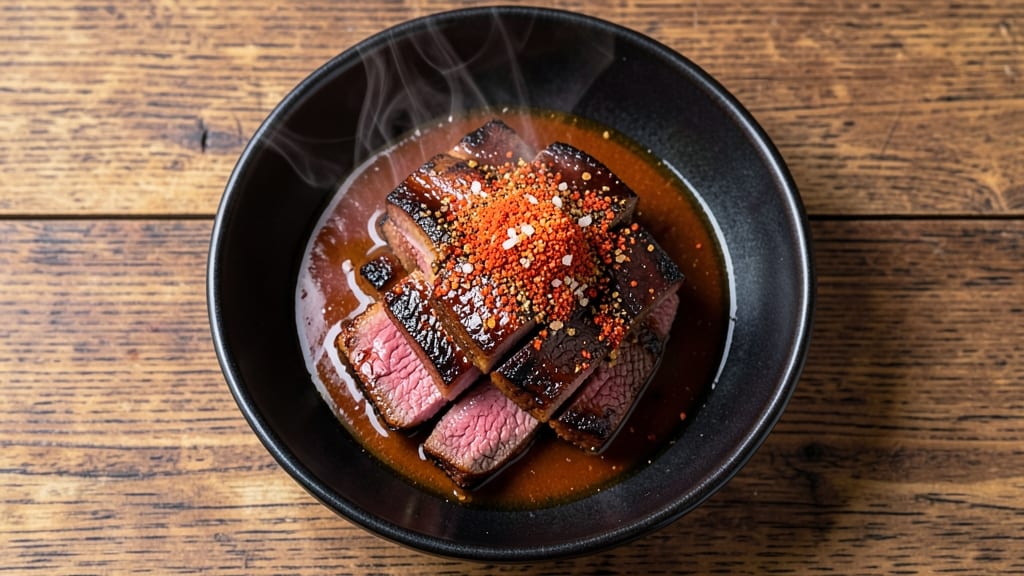
This BBQ beef fillet recipe delivers the perfect marriage of smoky char and melt-in-your-mouth tenderness—exactly what I've been perfecting over years of pitmaster training. The secret lies in balancing high-heat searing with careful internal temperature control, ensuring every bite has that signature juicy center and caramelized crust. I developed this method after realizing French technique could elevate my traditional BBQ approach, creating something that honors both traditions.
What sets this recipe apart is the two-stage cooking process: starting with a dry rub that builds deep flavor, then finishing on the grill or in a cast-iron skillet to lock in those smoky aromas.
The rub—simple yet powerful—includes brown sugar for caramelization, smoked paprika for depth, and a touch of cayenne for heat. This isn't just another steak recipe; it's a restaurant-quality dish achievable at home with the right technique.
The result is a fillet with a crispy, charred exterior that gives way to perfectly pink centers, all infused with that unmistakable BBQ flavor. The key is patience—letting the meat rest after cooking ensures those juices redistribute, guaranteeing every slice is tender and flavorful.
This is the kind of dish that makes weeknight dinners feel like a special occasion, without requiring hours in the kitchen.
Pair it with grilled vegetables or a fresh salad to complete the meal, or serve it alongside crusty bread for soaking up those delicious juices. The method works equally well on the grill, in a cast-iron skillet, or even with a quick sear after sous-vide cooking.
Let's get started on creating your perfect BBQ beef fillet.
Ingredients for bbq beef fillet
Restaurant-quality BBQ beef fillet starts with these carefully selected ingredients for perfect smoky char and juicy centers.
| Ingredient | Amount | Notes |
|---|---|---|
| Beef Fillet (Tenderloin) 🥩 | 2 lb | Center-cut, 1.5-inch thick |
| Brown Sugar 🍚 | ¼ cup | Packed, for dry rub |
| Smoked Paprika 🌶️ | 2 tbsp | High-quality, for depth |
| Ground Black Pepper 🌶️ | 1 ½ tsp | Freshly cracked, coarse grind |
| Cayenne Pepper 🔥 | ½ tsp | Adjust for heat preference |
| Kosher Salt 🧂 | 1 ½ tsp | Diamond Crystal preferred |
| Garlic Powder 🧄 | 1 tsp | Freshly ground preferred |
| Olive Oil 🫒 | 2 tbsp | High smoke point, for searing |
| Fresh Rosemary 🌿 | ¼ cup | Chopped, for finishing |
| Fresh Thyme 🌿 | ¼ cup | Chopped, for finishing |
| Apple Cider Vinegar 🍎 | 1 tbsp | For marinade balance |
| Honey 🍯 | 1 tbsp | Wildflower preferred |
| Yellow Mustard 🍯 | 1 tbsp | For marinade adhesion |
The beef fillet is non-negotiable—center-cut, 1.5-inch thick pieces ensure even cooking. Most butchers will trim it for you, but if you're buying whole, look for uniform thickness and minimal marbling. Costco and high-end grocery stores like Whole Foods carry premium cuts, but even standard grocery stores often have quality fillets labeled as 'tenderloin.' For the dry rub, Penzeys or bulk bins at natural markets offer superior smoked paprika—avoid the generic grocery store brands, which often taste flat. The brown sugar should be packed for accurate measurement, and Diamond Crystal kosher salt dissolves better than table salt, enhancing flavor penetration.
No smoked paprika? Regular paprika plus a pinch of liquid smoke works in a pinch, though the flavor won't be identical. Substituting honey with maple syrup maintains sweetness but lacks the floral notes. For the marinade, apple cider vinegar can be swapped with balsamic vinegar, though the flavor profile shifts slightly. Fresh herbs are ideal, but dried rosemary and thyme at one-third the amount suffice if fresh isn't available. The olive oil must have a high smoke point—avoid extra-virgin if searing at high heat, as it can burn. Prefer avocado oil for maximum heat resistance.
Store the dry rub in an airtight container for up to 3 months—it keeps indefinitely if refrigerated. The fillet should rest at room temperature for 30-45 minutes before cooking to ensure even searing. Leftover cooked fillet reheats best in a cast-iron skillet over medium heat, covered, for 2-3 minutes per side. For meal prep, portion into vacuum-sealed bags and freeze for up to 3 months, thawing overnight in the fridge before reheating.
Why You'll Love This Recipe
- No-Fuss Prep: I swear by this recipe when I’m too tired to fuss. Just sear the fillet, toss it in a mix of brown sugar, smoked paprika, and cayenne—no marinating, no basting, no stress. The tenderloin practically melts in its own juices, and the spices stick effortlessly.
- Sweet-Smoky Magic: That caramelized brown sugar crust? It’s where the real magic happens. The smoked paprika gives it a deep, campfire warmth while the cayenne adds just enough kick to make every bite feel like a little reward. The beef fillet stays tender but gets this irresistible char—like a cross between a steakhouse cut and a backyard BBQ.
- Weeknight or Weekend Star: Honestly, this is my go-to for everything from lazy Tuesdays to hosting friends. Slice it thin for tacos, serve it whole for a fancy dinner, or even toss it in salads the next day. The leftovers? Still delicious, still impressive, and way easier than cooking from scratch again.
- Budget-Friendly Luxury: Beef fillet can feel indulgent, but this recipe stretches it like a champ. A single cut feeds four, and the spices cost pennies. I’ll be real—it’s not the cheapest protein, but it makes the fillet feel like a splurge without the waste. Plus, the smoky-sweet glaze turns even a modest portion into something that tastes like a celebration.
Step-by-step instructions for smoky charred beef fillet
Master this technique for a perfect balance of smoky crust and tender interior every time.
Prepare the Dry Rub and Marinate the Beef
In a medium bowl, combine the 0.25 cup packed brown sugar, 2 tbsp smoked paprika, 1.5 tsp ground black pepper, 0.5 tsp cayenne pepper, 1.5 tsp kosher salt, and 1 tsp garlic powder. Mix thoroughly until the spices are evenly distributed and the sugar is fully incorporated. This dry rub creates the perfect balance of sweetness, heat, and depth.
Pat the 2 lb beef fillet (tenderloin) completely dry with paper towels—this step is crucial for developing that coveted charred crust. Spread the dry rub evenly over all surfaces, pressing firmly so it adheres well. In a separate small bowl, whisk together the 1 tbsp apple cider vinegar, 1 tbsp honey, and 1 tbsp yellow mustard. Brush this mixture generously over the rubbed beef, ensuring complete coverage. Let the fillet sit at room temperature for 30 minutes while you prepare your cooking surface.
Sear the Fillet for Maximum Flavor
Heat a heavy skillet or cast-iron pan over medium-high heat until it's very hot—you should see a shimmer of heat when you hold your hand a few inches above it. Add the 2 tbsp olive oil and swirl to coat the pan evenly. Place the fillet in the pan, laying it flat and pressing down gently with a spatula during the first minute. This prevents curling and ensures even contact with the hot surface.
Sear the fillet for 4-5 minutes per side, until it develops a deep, dark brown crust and releases easily from the pan. You'll know it's ready when the edges begin to crisp and the internal temperature reaches 125°F on an instant-read thermometer. Avoid moving the fillet during searing—patience here ensures a perfect crust. If the pan starts to smoke excessively, reduce heat slightly to maintain control.
Build the Smoky Charred Crust
Transfer the seared fillet to a wire rack set over a baking sheet. This allows air to circulate underneath, preventing sogginess. Preheat your oven to 400°F while you prepare the finishing elements. In a small bowl, combine the 0.25 cup chopped fresh rosemary and 0.25 cup chopped fresh thyme, then sprinkle this herb mixture evenly over the top of the fillet.
Place the fillet on the middle rack of your oven and roast for 10-12 minutes, until the internal temperature reaches 130-135°F for medium-rare. The herbs will infuse the fillet with aromatic notes as it finishes cooking. For the ultimate presentation, baste the fillet with its own juices every 3-4 minutes during the roasting process. When the fillet is done, remove it from the oven and let it rest for 10-15 minutes before slicing—this resting period is essential for redistributing juices.
Slice and Serve with Confidence
Using a sharp carving knife, slice the fillet against the grain into ½-inch thick pieces. The resting period ensures each slice will be perfectly juicy with a smoky charred crust. Arrange the slices on a warm platter and garnish with any remaining herb mixture from the baking sheet. The contrast between the crispy exterior and tender interior should be evident in every bite.
Serve immediately with your choice of complementary sides, such as roasted vegetables or a fresh herb salad. The combination of sweet, smoky, and herbal flavors creates a well-rounded dish that highlights the natural tenderness of the beef fillet. For optimal results, always use a meat thermometer to monitor internal temperatures and adjust cooking times as needed based on your preferred doneness.
Pro Tips For Making Bbq Beef Fillet
- SEAR FIRST, SMOKE LATER: The beef fillet’s crust isn’t just for looks—it’s where the flavor lives. Hit the pan with high heat until you get deep golden-brown patches (about 2-3 minutes per side), then move it to the smoker or oven. I used to rush this step and wondered why my meat tasted bland.
- DRY THE MEAT: Pat that fillet thoroughly—no wet spots. The sugar in your rub needs something to cling to, not steam away. Toss it on paper towels for 5 minutes before seasoning, or your crust will turn sticky instead of crisp.
- DON’T OVERMIX THE RUB: Brown sugar and smoked paprika are sticky little devils. Mix just enough to coat the meat evenly—no need to grind it into the fillet like you’re making a marinade. I learned this the hard way when my first batch turned into a gloppy mess.
- USE A THERMOMETER: Medium-rare is your goal (130-135°F internal temp), but guesswork leads to dry meat. The fillet’s small size means it cooks fast—pull it before it hits 140°F, or you’ll regret it. (Yes, even if you’re impatient like me.)
Perfect pairings for this recipe
Smoky Charred Sides
Grilled asparagus with a sprinkle of flaky sea salt and a drizzle of lemon zest complements the beef fillet beautifully. Toss 1 bunch asparagus with 2 tbsp olive oil, ½ tsp smoked paprika, and ¼ tsp black pepper, then grill for 8-10 minutes until tender-crisp.
The smoky, charred notes mirror the fillet’s crust while adding freshness. 🌿
Herb-Infused Potatoes
Crispy rosemary and garlic roasted potatoes elevate the meal with their caramelized edges. Toss 2 lbs baby potatoes with 3 tbsp olive oil, 2 tbsp chopped rosemary, 2 minced garlic cloves, 1 tsp kosher salt, and ½ tsp black pepper.
Roast at 425°F for 35-40 minutes until golden. The earthy herbs tie into the fillet’s seasoning while adding hearty texture.
Creamy Garlic Mashed Potatoes
For a richer contrast, try garlic-herb mashed potatoes with a touch of sour cream.
Boil 2 lbs Yukon Gold potatoes until tender, then mash with ½ cup butter, ½ cup warm milk, 3 minced garlic cloves, 2 tbsp chopped chives, 1 tsp kosher salt, and ¼ cup sour cream. The cool creaminess balances the smoky fillet’s intensity. 🥔
Grilled Vegetable Medley
A vibrant mix of zucchini, bell peppers, and red onions grilled with balsamic glaze adds color and acidity. Toss 1 medium zucchini, 1 red bell pepper, and 1 red onion (sliced) with 2 tbsp olive oil, 1 tsp smoked paprika, and ½ tsp black pepper.
Grill for 10-12 minutes, then drizzle with 1 tbsp balsamic glaze before serving. The sweetness cuts through the fillet’s richness.
Crusty Bread with Herb Butter
No BBQ meal is complete without warm crusty bread slathered with herb butter. Mix ½ cup softened butter with 1 tbsp chopped fresh thyme, 1 tbsp chopped parsley, 1 minced garlic clove, and ½ tsp kosher salt.
Spread on freshly baked baguette slices or ciabatta to soak up the fillet’s juices. The buttery, herby contrast is pure comfort. 🍞
Light Wine Pairings
A crisp Chardonnay with hints of vanilla and citrus pairs perfectly, while a Syrah with smoky notes enhances the fillet’s char. For beer lovers, a Belgian witbier like Hoegaarden adds effervescence and floral notes. Avoid heavy reds—they’ll overpower the dish’s delicate balance. 🍷
Nutrition facts
Frequently asked questions
What's the best cut of beef for this BBQ fillet recipe?
Use a center-cut beef tenderloin that's 1.5-inch thick for perfect results. This cut stays tender and cooks evenly, giving you that juicy center with a smoky crust. Avoid overly fatty cuts—they can make the crust uneven. Look for "tenderloin" or "filet mignon" at your butcher, and ask for the center-cut portion for best results.
Can I make this recipe without a grill?
While grilling gives the best char, you can achieve great results with a cast-iron skillet or oven-broiling method. For skillet: Sear at medium-high heat for 4-5 minutes per side, then finish in a 400°F oven for 10-12 minutes. For broiling: Place the fillet on a rack over a baking sheet and broil for 8-10 minutes, watching closely to avoid overcooking. The key is maintaining that high-heat sear first.
How do I know when the fillet is perfectly cooked?
Use a meat thermometer for precision—130-135°F gives you medium-rare with perfect juiciness. For medium, aim for 140-145°F. The crust should be deep brown with visible char marks, and the edges should pull away slightly from the pan. Never rely on time alone—thickness and heat vary! The resting period (10-15 minutes) is crucial for redistributing juices.
Can I make this recipe ahead of time?
Yes, but with some adjustments. Marinate the fillet up to 24 hours ahead and store it uncovered in the fridge. For leftovers, slice and refrigerate for up to 3 days. To reheat, warm in a cast-iron skillet over medium heat for 2-3 minutes per side until steaming. For freezing, portion into vacuum-sealed bags and freeze for up to 3 months. Thaw overnight in the fridge before reheating. The texture stays best when reheated quickly.
What if my fillet turns out dry?
Dryness usually means overcooking or skipping the rest. First, check your internal temp—135°F max for medium-rare. If you overcook, try this fix: Slice thinly against the grain and quickly sear in butter with fresh herbs. For future attempts, use a meat thermometer, avoid moving the fillet during searing, and always rest for 10-15 minutes before slicing. The resting time is non-negotiable for juicy results!