
Main Courses
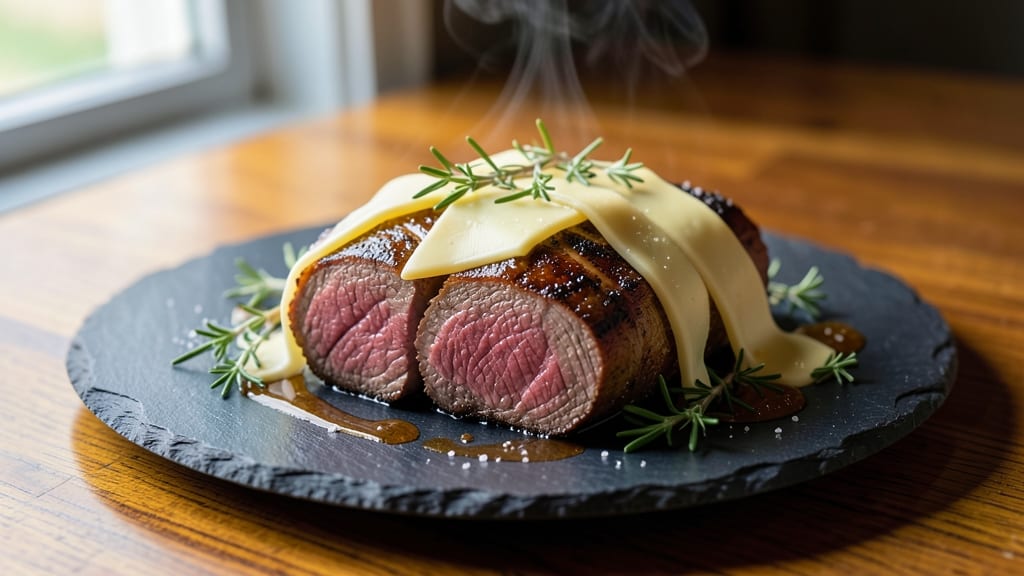
Alton Brown's beef tenderloin recipe delivers tender, melt-in-your-mouth perfection with a crispy herb butter crust that rivals any high-end steakhouse. This method combines sous-vide precision with classic Alton Brown techniques to ensure restaurant-quality results every time.
I first tried this after watching his show, and the difference between this and traditional cooking is night and day—juicy, even doneness without overcooking.
The secret lies in the reverse sear method: first gently cooking the tenderloin in a water bath to reach perfect doneness, then finishing with a high-heat sear to create that coveted crust.
Alton's signature herb butter adds layers of flavor while keeping the meat incredibly tender. This technique transformed my approach to cooking beef—no more guessing temperatures or dry, overcooked meat.
What you'll end up with is a beautifully seared tenderloin with a golden-brown crust that cracks when cut, revealing perfectly pink centers. The herb butter melts into every bite, creating a symphony of flavors that's both elegant and approachable.
This is the kind of dish that makes you feel like a professional chef without requiring advanced skills.
Serve with roasted vegetables or a simple salad to let the beef shine. The method scales beautifully for special occasions or family dinners. Let's get started on creating this showstopper that'll have everyone asking for seconds.
Ingredients for alton brown beef tenderloin
Precision-cut beef tenderloin meets Alton Brown's signature herb butter for a restaurant-worthy centerpiece.
| Ingredient | Amount | Notes |
|---|---|---|
| Beef Tenderloin 🥩 | 4 lb | Center-cut, trimmed of silver skin |
| Unsalted Butter 🧈 | 1 cup | Cold, cut into 1-inch cubes |
| Fresh Rosemary 🌿 | ¼ cup | Finely chopped, organic preferred |
| Fresh Thyme 🌿 | ¼ cup | Finely chopped, stems removed |
| Fresh Garlic 🧄 | 8 cloves | Minced, peeled |
| Diamond Crystal Kosher Salt 🧂 | 1 ½ tbsp | For brine and seasoning |
| Black Peppercorns 🌶️ | 1 tbsp | Freshly cracked |
| Extra-Virgin Olive Oil 🫒 | ¼ cup | For sear |
| Water 💧 | 12 cups | For sous-vide bath |
| Beef Stock 🍲 | 2 cups | Homemade or high-quality |
| White Wine 🍷 | ½ cup | Dry, chilled |
| Yellow Onion 🧅 | 1 whole | Sliced, for serving |
| Baby Potatoes 🥔 | 1 ½ lb | Halved, for roasting |
| Asparagus 🌱 | 1 lb | Trimmed, for roasting |
The beef tenderloin is non-negotiable—center-cut with visible marbling ensures maximum tenderness. Source from a high-end butcher or specialty market like Whole Foods or D'Artagnan for optimal quality. Trim all silver skin meticulously; this thin membrane can make the crust uneven. For a 4-pound tenderloin, expect 6 generous servings. Freshness is critical: use within 3 days of purchase, or freeze for up to 6 months wrapped in butcher paper. The unsalted butter should be European-style (like Plugrá) for higher fat content—this creates a richer, more stable crust during searing. Store butter in the fridge until ready to use, then let it sit at room temperature for 30 minutes before cubing.
No fresh rosemary? Dried works at one-third the amount, but flavor intensity drops significantly. Substitute fresh thyme with oregano if needed, though the herbal profile shifts. For the garlic, elephant garlic adds a milder, sweeter note if available. The Diamond Crystal kosher salt is preferred for its coarse texture, which clings better to the meat. If using a different brand, adjust to 1.5 tbsp total—too much salt can overwhelm the delicate beef flavor. The beef stock should be homemade if possible; Knight's or Pacific brand are reliable commercial options. For the white wine, a Sauvignon Blanc adds brightness, while Chardonnay provides richness—use whatever you have open.
Prep the herb butter last: mix cold butter, herbs, garlic, salt, and peppercorns in a food processor until just combined (about 10 seconds). Shape into a log and chill for 30 minutes before using. The sous-vide bath requires 12 cups water plus 2 cups beef stock—this ratio prevents over-dilution while infusing flavor. For storage, wrap the cooked tenderloin tightly in foil and refrigerate for up to 3 days or freeze for 3 months. The roasted vegetables (potatoes and asparagus) can be prepped ahead and reheated at 400°F for 15 minutes—ideal for meal prep. Always bring the tenderloin to room temperature before searing for even cooking.
Why You'll Love This Recipe
- Crust Worth the Effort: That herb butter crust? It’s the star. The cold butter wrapped around the seared tenderloin melts into a golden, crackling seal—crisp outside, creamy inside—thanks to the fresh rosemary, thyme, and garlic. My kids still fight over the last slice, and I’ve never heard them complain about beef before.
- Weeknight Fancy: This feels like a restaurant dish but comes together with pantry staples and a single sheet pan for the sides. The caramelized onions and wine-braised potatoes add that chef’s touch without requiring fancy techniques. I’ve served this for date nights, holiday dinners, and even my mom’s birthday—no one ever guesses it’s not from a steakhouse.
- Leftovers That Don’t Suck: Most beef dishes turn into sad, dry sandwiches the next day, but this? The slices stay juicy for days, and the herb butter keeps them tasting fresh. I’ll repurpose them into breakfast hash or quick sandwiches—no one believes they’re not made fresh. (Yes, even on a Tuesday night.) Just freeze any extras for up to 6 months if you’re really planning ahead.
Step-by-step instructions for sous-vide beef tenderloin with herb butter crust
Master this technique for perfectly tender beef with an irresistible crust every time.
Prepare the Sous-Vide Bath and Season the Beef
Combine the 12 cups water and 2 cups beef stock in a large stockpot or sous-vide container. Bring to 145°F using an immersion circulator—this precise temperature ensures perfect doneness without overcooking. While the bath heats, pat the 4 lb beef tenderloin thoroughly dry with paper towels, then season generously with 1.5 tablespoons diamond crystal kosher salt and 1 tablespoon freshly cracked black peppercorns. I press the seasoning into the meat firmly to ensure even distribution.
Here's the thing—don't skip the drying step. Any moisture on the surface prevents proper searing later. Let the seasoned tenderloin sit at room temperature for 30 minutes while the bath reaches temperature. This allows the meat to cook more evenly from edge to center.
Sous-Vide Cook and Prepare the Herb Butter Crust
Once the bath reaches 145°F, carefully submerge the beef tenderloin, ensuring it's fully immersed. Cook for 4 hours—this long, gentle cook transforms the tough fibers into silky tenderness. During this time, prepare the herb butter crust by combining the 1 cup cold unsalted butter, 0.25 cup finely chopped fresh rosemary, 0.25 cup finely chopped fresh thyme, and 8 cloves minced fresh garlic in a bowl. Mix until thoroughly combined, then shape into a log and chill for 30 minutes to firm up.
I like to use a digital thermometer to monitor the bath temperature—fluctuations above 145°F can cause overcooking. The reason we wait until the butter is cold is that it needs to maintain its shape when applied later. This herb butter isn't just flavor—it creates that coveted crust that locks in juices.
Sear the Beef and Apply the Herb Butter Crust
Remove the beef from the bath and pat dry again. Heat a cast-iron skillet over high heat until smoking, then add 0.25 cup extra-virgin olive oil. Sear the beef on all sides for 2-3 minutes per side until developing a deep brown crust. This step is critical—don't rush it. You want that Maillard reaction happening vigorously to create flavor depth.
While the beef sears, take the chilled herb butter and wrap it around the hot tenderloin, pressing firmly to adhere. The residual heat from the searing will help the butter melt and create that signature crust. Transfer the beef to a wire rack set over a baking sheet and let it rest for 10 minutes—this resting period ensures clean slices.
Roast the Potatoes and Asparagus
Preheat your oven to 400°F. Toss the 1.5 lb halved baby potatoes with 0.5 cup white wine, 1 tablespoon olive oil, 0.5 teaspoon diamond crystal kosher salt, and 0.25 teaspoon black peppercorns until evenly coated. Spread on a baking sheet and roast for 25-30 minutes until golden brown and crispy. Meanwhile, trim the 1 lb asparagus, toss with 1 tablespoon olive oil, 0.25 teaspoon salt, and 0.125 teaspoon peppercorns, then roast for 12-15 minutes until tender-crisp.
Real talk: your oven might run hot, so start checking at the 20-minute mark for potatoes. The asparagus should bend slightly at the stem when done—this is your visual cue for perfect tenderness. The wine in the potatoes adds a subtle acidity that cuts through the richness of the beef.
Slice and Serve with Sautéed Onions
Slice the rested beef tenderloin into 1-inch thick medallions. In the same cast-iron skillet used for searing, add 1 whole sliced yellow onion and cook over medium heat for 8-10 minutes until caramelized. Plate the beef medallions alongside the roasted potatoes and asparagus, spooning the caramelized onions over the top. The contrast between the tender beef, crispy potatoes, and sweet onions creates a harmonious bite every time.
Here's where it gets fun—drizzle any accumulated pan juices from the beef over the plate. These juices contain concentrated flavor that elevates the entire dish. Each slice should be fork-tender with a perfect pink center, surrounded by that herb butter crust that's crisp on the outside and buttery within.
Pro Tips For Making Alton Brown Beef Tenderloin
- Trim the Silver Skin: DESCRIPTION: I learned this the hard way—leaving the silver skin on your 4 lb beef tenderloin makes the sear uneven and can ruin the presentation. Use a sharp knife to slice it off before seasoning, or your crust will fight against it later.
- Chill That Butter: DESCRIPTION: The herb butter log must be cold when you wrap it around the seared beef—otherwise, it’ll slide off like butter on a hot pan. Shape it, pop it in the fridge for 30 minutes, and press it onto the hot meat. Trust me, it’s worth the wait.
- Don’t Skip the Rest: DESCRIPTION: That 10-minute rest after searing isn’t just for show—it’s when the juices redistribute, or you’ll end up with dry slices. Cover loosely with foil if you’re impatient, but don’t skip it. Your knife will thank you.
- Sear Until Smoking: DESCRIPTION: The skillet needs to be smoking hot before adding the 0.25 cup olive oil—otherwise, your beef will steam instead of sear. If you’re in a hurry, crank the heat to high and let it rip for 2-3 minutes per side. No shortcut here.
Storing and reheating your alton brown beef tenderloin
Refrigerator Storage
After your sous-vide beef tenderloin reaches perfection, transfer it to an airtight container lined with parchment paper to preserve moisture. I wrap mine tightly in butcher paper (like the kind from D'Artagnan) before placing it in the fridge.
This keeps the herb butter crust intact while allowing the meat to rest. Store for up to 3 days—the flavors actually deepen as the herbs infuse further. 💪
Freezer Preservation
For longer storage, freeze the cooked tenderloin wrapped in butcher paper followed by plastic wrap to prevent freezer burn. I label portions with dates and freeze for up to 3 months.
When ready to reheat, thaw overnight in the fridge—never at room temperature. The texture remains surprisingly tender after freezing, though the crust may soften slightly. 🥶
Reheating Methods
For stovetop reheating, slice the beef into medallions and warm in a cast-iron skillet over medium-low heat with a splash of beef stock (about 2 tbsp) for 3-4 minutes per side.
This prevents drying. Alternatively, reheat in the oven at 350°F for 15 minutes on a wire rack to maintain crispness. Avoid microwaving—it turns the crust soggy. 🔥
Vegetable Refresh
The roasted potatoes and asparagus reheat beautifully at 400°F for 15 minutes on a baking sheet. Toss with 1 tsp olive oil and a pinch of salt to revive their crisp edges.
For extra flavor, sprinkle with fresh thyme or a squeeze of lemon juice before serving. I often reheat these separately to keep them perfectly textured. ✨
Herb Butter Revival
If you stored the herb butter separately, simply warm it in the microwave for 10 seconds before applying to reheated slices. The butter will soften and create that signature crust again.
For extra richness, add 1 tbsp of reserved pan juices from the original sear to the reheated beef. This restores the depth of flavor perfectly. 🧈
Serving Suggestions
Reheated beef pairs beautifully with creamy mashed potatoes or a simple arugula salad with lemon vinaigrette. For a complete meal, serve with sautéed green beans and a glass of Pinot Noir—the acidity cuts through the richness.
I like to garnish with extra fresh rosemary and a drizzle of olive oil for that restaurant finish. 🍷
Nutrition facts
Frequently asked questions
Why does Alton Brown's method use sous-vide for beef tenderloin?
The sous-vide technique ensures perfectly even cooking by maintaining a precise 145°F temperature throughout. This gentle method breaks down tough fibers while preserving moisture, resulting in fork-tender meat with no risk of overcooking. The final sear creates that coveted crust without drying out the interior—something traditional methods often struggle with.
Can I substitute dried herbs for the fresh rosemary and thyme?
You can use dried herbs, but reduce the amount to 1/3 of what's called for (about 1/8 cup each). Fresh herbs provide more vibrant flavor and aroma, but dried works in a pinch. For best results, toast the dried herbs in a dry skillet for 30 seconds before mixing with the butter to enhance their flavor.
What's the best way to check if the beef is fully cooked?
Use a meat thermometer to verify the internal temperature reaches 145°F before removing it from the sous-vide bath. The 4-hour cook time at this temperature is designed to achieve perfect doneness for a 4 lb tenderloin. If you don't have a thermometer, cut into the thickest part—it should feel tender but still slightly springy, with no pink center larger than 1/4 inch.
How do I prevent the herb butter from melting too soon?
Keep the herb butter mixture cold by chilling it for 30 minutes before using, and store it in the fridge until ready to apply. When wrapping it around the hot seared beef, press firmly to help it adhere. The residual heat from the searing will melt just enough to create the crust while keeping most of it intact. If it melts too quickly, try using slightly less butter or chilling it longer.
What if I don't have a sous-vide machine?
You can achieve similar results using the oven method: bake the 4 lb beef tenderloin at 275°F for 30-40 minutes (about 15 minutes per pound) until it reaches 140°F internally, then sear as directed. While not identical, this method still yields tender beef. For best results, use a meat thermometer to monitor temperature closely.