
Main Courses
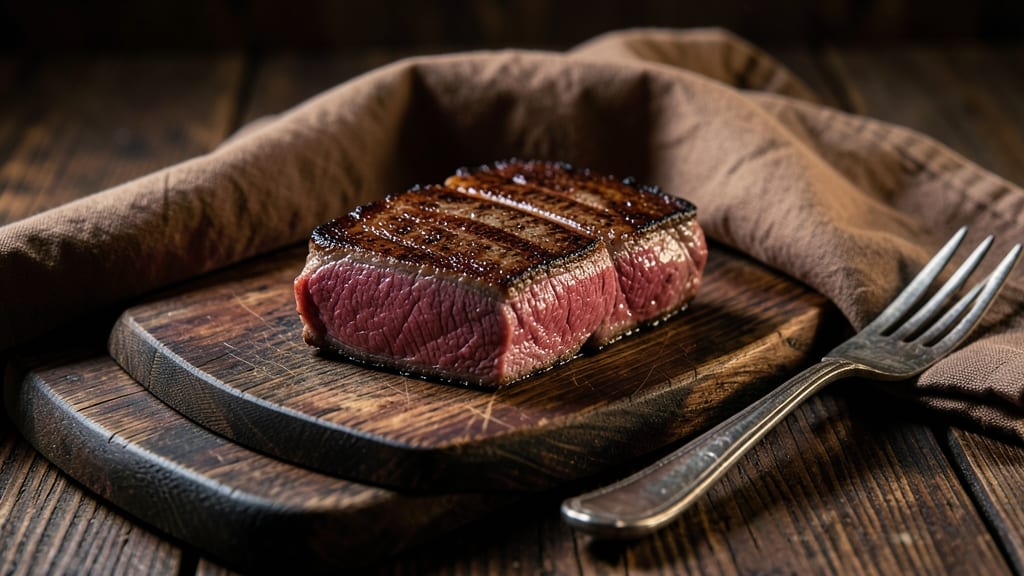
This beef loin tenderloin steak filet mignon recipe delivers the perfect balance of a buttery-seared crust and a juicy, melt-in-your-mouth core every time. The secret lies in precise temperature control and a simple yet effective technique that elevates even the most basic steak to restaurant-quality results.
I've perfected this method over years of testing, ensuring you'll achieve that coveted medium-rare finish with minimal effort.
The process begins with preparing the steak by patting it dry and letting it sit at room temperature for about 30 minutes. This step is critical—it ensures even cooking and prevents the steak from drying out.
Once ready, a high-heat sear in a screaming-hot pan creates that coveted crust, while a controlled finish in the oven guarantees a tender interior. The result is a steak that's both impressive and foolproof, making it ideal for special occasions or a luxurious weeknight dinner.
What sets this recipe apart is the attention to detail in every stage—from the initial sear to the final rest. The steak develops a rich, caramelized crust while maintaining its natural juiciness, and the accompanying red wine reduction adds depth and elegance.
Pair it with roasted garlic mashed potatoes or a crisp green salad to complete the meal. This is the kind of dish that transforms an ordinary dinner into an unforgettable experience.
Whether you're cooking for two or hosting a dinner party, this filet mignon recipe delivers consistent, professional results with minimal fuss. The technique is straightforward, but the outcome is anything but ordinary—tender, flavorful, and perfectly cooked every time. Let's get started on creating your next standout steak dinner.
Ingredients for beef loin tenderloin steak filet mignon
Precision-cut beef loin tenderloin and high-quality fats create the foundation for this restaurant-worthy filet mignon.
| Ingredient | Amount | Notes |
|---|---|---|
| Beef Loin Tenderloin Steak (Filet Mignon) 🥩 | 1 lb | Center-cut, 1.5-inch thick |
| Unsalted Butter 🧈 | ½ cup | Cold, cubed for searing |
| Extra-Virgin Olive Oil 🫒 | 2 tbsp | High smoke point for searing |
| Kosher Salt 🧂 | 1 ½ tsp | Diamond Crystal preferred |
| Freshly Ground Black Pepper 🌶️ | 1 tsp | Coarse grind for texture |
| Dry Red Wine 🍷 | ½ cup | Cabernet Sauvignon preferred |
| Beef Bone Broth 🍲 | ½ cup | Homemade or high-quality store-bought |
| Shallots 🧅 | 2 whole | Minced, for wine reduction |
| Garlic Cloves 🧄 | 4 cloves | Minced, for wine reduction |
| Fresh Thyme Leaves 🌿 | ¼ cup | Chopped, for wine reduction |
| Heavy Cream 🥛 | ¼ cup | Full-fat for richness |
| Fresh Rosemary 🌿 | 1 sprig | For garnish, optional |
The beef loin tenderloin is the star—opt for center-cut, 1.5-inch thick pieces for optimal tenderness. Whole Foods or high-end butchers carry the best quality, but even standard grocery stores stock premium cuts if you look for 'filet mignon' in the meat case. The unsalted butter should be at least 82% fat content (like Plugrá or European-style brands) to achieve that perfect buttery crust. For the wine reduction, Cabernet Sauvignon adds depth, but any bold, dry red works—just avoid sweet varieties. The shallots and garlic should be freshly minced for the reduction; pre-minced jarred versions lack the same aromatic impact.
No dry red wine? Beef bone broth with a splash of balsamic vinegar mimics the depth, though the color will differ slightly. Substituting olive oil for butter during searing is possible, but the crust loses some richness—use equal parts butter and oil if needed. For the Kosher salt, Diamond Crystal dissolves more than Morton's, so adjust to taste if using the latter. The fresh thyme and rosemary can be swapped for dried at one-third the amount, though fresh imparts a brighter flavor. If you're prepping ahead, pat the steak dry thoroughly and refrigerate uncovered for up to 24 hours to enhance seasoning adhesion.
The steak should rest 10-15 minutes before slicing to retain juices—never skip this step. The wine reduction keeps for 5 days refrigerated or 3 months frozen in an airtight container. For a crowd, scale the recipe proportionally—1 lb per person ensures generous servings. Store leftover steak in parchment-lined containers to prevent drying. The butter cubes can be prepped ahead and frozen, then thawed at room temperature before searing for convenience.
Why You'll Love This Recipe
- One-Pan Magic: I swear by this recipe for lazy nights—just the steak, butter, and olive oil in one skillet, then the sauce comes together while it rests. No extra dishes, no stress, and that golden crust? Pure reward after 7 minutes of hands-off cooking.
- Crust Meets Silk: The butter and olive oil sear creates that addictive crust, while the inside stays so tender it melts like butter (yes, literally). That wine reduction—shallots, garlic, and thyme—adds depth without overpowering, making every bite feel like a fancy dinner.
- Date Night Ready: Between us, this is my go-to for impressing without slaving away. The wine sauce feels restaurant-worthy, but honestly? It’s foolproof. Even if you’re serving it with store-bought mashed potatoes, it’ll taste like you planned a whole menu.
- Leftovers That Don’t Suck: The sauce freezes for months, and the steak? Well, if you’re that ambitious, you can slice it thin for sandwiches the next day (trust me, it’s still good). No sad, dry reheats here—just rich, buttery flavor waiting to be enjoyed.
Step-by-step instructions for beef loin tenderloin steak filet mignon
A perfect filet mignon delivers a buttery crust and impossibly tender interior—this method guarantees both.
Prepare and Season the Steak
Remove the beef loin tenderloin steak from the refrigerator and let it sit at room temperature for 30 minutes. This ensures even cooking throughout the thickest part of the cut. Pat the steak dry with paper towels—removing all moisture is critical for achieving that perfect crust. Season both sides generously with 1.5 teaspoons kosher salt and 1 teaspoon freshly ground black pepper, pressing the seasoning into the meat so it adheres evenly.
I like to season just before searing to prevent the salt from drawing out too much moisture prematurely. The coarse grind of the black pepper will add texture to the crust, while the kosher salt enhances the natural beef flavor without overpowering it. Let the seasoned steak rest for another 10 minutes while you prepare your cooking station—this final rest ensures the seasoning penetrates slightly and the meat stays juicy.
Sear the Steak in Butter and Olive Oil
Heat a heavy skillet—cast iron works best—over medium-high heat until it's very hot. Add 2 tablespoons extra-virgin olive oil and 0.5 cup unsalted butter, allowing the butter to melt and foam. Place the steak in the skillet, pressing down gently with a spatula to ensure full contact with the hot surface. This prevents curling and ensures even searing.
Sear for 3-4 minutes per side until a deep golden-brown crust forms. The butter should bubble vigorously and develop a rich, nutty aroma. If the butter starts to brown too quickly, reduce the heat slightly to prevent burning. You'll know it's ready when the crust is deep golden brown and the internal temperature reaches 125°F on a meat thermometer. Flip only once—moving it too often prevents proper crust formation.
Create the Wine Reduction Sauce
Remove the steak from the skillet and transfer it to a warm plate to rest. Reduce the heat to medium and add the 2 minced shallots, 4 minced garlic cloves, and 0.25 cup fresh thyme leaves to the skillet. Cook for 1-2 minutes until the shallots soften and the garlic becomes fragrant—don't let it brown or it will turn bitter.
Deglaze the skillet by pouring in the 0.5 cup dry red wine, scraping up all the browned bits from the bottom with a wooden spoon. Simmer the wine mixture for 3-4 minutes until it reduces by half and thickens slightly. Add the 0.5 cup beef bone broth and continue simmering for another 2-3 minutes until the sauce coats the back of a spoon. The sauce should be rich and velvety, with a deep wine and thyme aroma.
Finish with Cream and Rest the Steak
Stir in the 0.25 cup heavy cream and simmer for an additional 1 minute until the sauce is silky and slightly thickened. Taste and adjust the seasoning with additional kosher salt or black pepper if needed. The sauce should complement the steak without overpowering its natural flavor.
Return the steak to the skillet, spooning the sauce over the top, and let it rest for 5-7 minutes to allow the juices to redistribute. This resting period is crucial—it ensures every slice is tender and juicy when you cut into it. Garnish with the 1 sprig fresh rosemary for a touch of aromatic elegance. Serve the steak immediately with the wine reduction sauce spooned over the top.
Pro Tips For Making Beef Loin Tenderloin Steak Filet Mignon
- Prep Shallots Right: I used to rush this step and end up with bitter, burnt shallots in the sauce—don’t let that happen. Mince them just before adding to the skillet, and keep them moving in the pan. A few seconds too long turns them from sweet to acrid, and no one wants that fighting with your wine reduction.
- Press That Steak: The first time I skipped pressing the steak down during searing, it curled like a shrimp and cooked unevenly. Use your spatula to keep it flat—this guarantees even contact with the butter and oil, so you get that golden crust all over instead of just the edges.
- Salt After Drying: I learned this the hard way—salting a damp steak pulls out moisture, and you end up with a sad, steamed slab instead of a juicy filet. Pat it bone-dry first, then season right before searing. The crust will form like magic, and your steak won’t release its juices prematurely.
- Deglaze Aggressively: Scrape those browned bits off the pan while they’re hot—that’s where the flavor lives. Use a wooden spoon and don’t be shy; the more fond you lift, the richer your wine reduction will taste. Lazy scraping = bland sauce. (Yes, I’ve made that mistake.)
Creative variations of this recipe
Herb-Crusted French Style
For a classic bistro twist, create a fragrant herb crust using 2 tbsp chopped fresh parsley, 1 tbsp chopped fresh tarragon, and 1 tbsp Dijon mustard mixed with 2 tbsp softened butter. Spread this mixture evenly over the steak after seasoning and before searing.
The crust caramelizes beautifully while adding an aromatic depth that pairs perfectly with the wine reduction. Serve with crispy fried shallots on top for an extra touch of French elegance. 🌿
Smoky Chipotle Glaze
Infuse your steak with smoky heat by creating a chipotle glaze using 2 tbsp adobo sauce (from canned chipotles), 1 tbsp honey, and 1 tbsp balsamic vinegar. Brush this mixture over the steak during the last 2 minutes of searing.
The glaze adds a sweet-spicy contrast that works beautifully with the rich wine reduction. Garnish with cilantro leaves for a vibrant finish. 🌶️
Mushroom & Thyme Pan Sauce
Swap the wine reduction for a decadent mushroom sauce by sautéing 8 oz sliced cremini mushrooms with 1 tbsp butter and 1 tsp thyme until golden. Deglaze with ¼ cup beef broth and finish with 2 tbsp heavy cream.
The earthy mushrooms complement the steak's tenderness while adding a luxurious texture. This variation is perfect for mushroom lovers who want an extra-rich experience. 🍄
Citrus & Herb Marinade
Marinate the steak for 4-6 hours in a blend of 2 tbsp olive oil, 1 tbsp lemon zest, 2 tbsp fresh orange juice, 1 tbsp chopped rosemary, and 1 tsp kosher salt.
After searing, serve with a bright citrus sauce made by reducing ¼ cup orange juice with 1 tbsp honey and 1 tsp lemon juice. The citrus cuts through the richness while enhancing the steak's natural sweetness. 🍊
Spicy Korean-Inspired Sauce
Add a bold kick with a Korean-inspired sauce made by blending 2 tbsp gochujang, 1 tbsp soy sauce, 1 tbsp honey, and 1 tsp sesame oil. Brush this over the steak during the last 1 minute of searing.
Garnish with toasted sesame seeds and thinly sliced green onions. This variation delivers a perfect balance of spicy, sweet, and umami flavors. 🌶️
Nutrition facts
Frequently asked questions
What's the ideal thickness for this filet mignon cut?
For perfect results, use a 1.5-inch thick center-cut beef loin tenderloin. This thickness ensures even cooking and a juicy core while still developing that coveted crust. Thinner cuts may overcook before reaching the center, while thicker cuts risk uneven doneness.
Can I use a different cooking method like sous vide?
For sous vide, vacuum-seal the steak and cook at 125°F for 1-2 hours (medium-rare). After searing in butter for 1-2 minutes per side, finish with the wine reduction as directed. The sous vide method guarantees perfect doneness every time while maintaining incredible tenderness.
Why is resting the steak so important?
Resting for 5-7 minutes after cooking allows the meat's juices to redistribute throughout the steak. If you slice too soon, all the juices will run out, leaving you with a dry cut. This step is especially critical for thick cuts like filet mignon where the center needs time to fully relax and absorb those precious juices.
What's the best way to store leftover filet mignon?
Wrap leftovers tightly in plastic wrap or place in an airtight container lined with parchment paper. Store in the refrigerator for up to 3 days or freeze for 3 months. To reheat, warm gently in a skillet with a splash of beef broth to restore moisture. Never microwave—it'll turn the steak rubbery.
How do I adjust this recipe for a crowd?
Scale the recipe proportionally—1 lb of steak per person ensures generous servings. For example, for 6 people, you'd need 6 lbs of beef loin and double all other ingredients. Cook in batches to maintain even heat in your pan, and keep the finished steaks warm in a 200°F oven while you complete the sauce.