
Main Courses
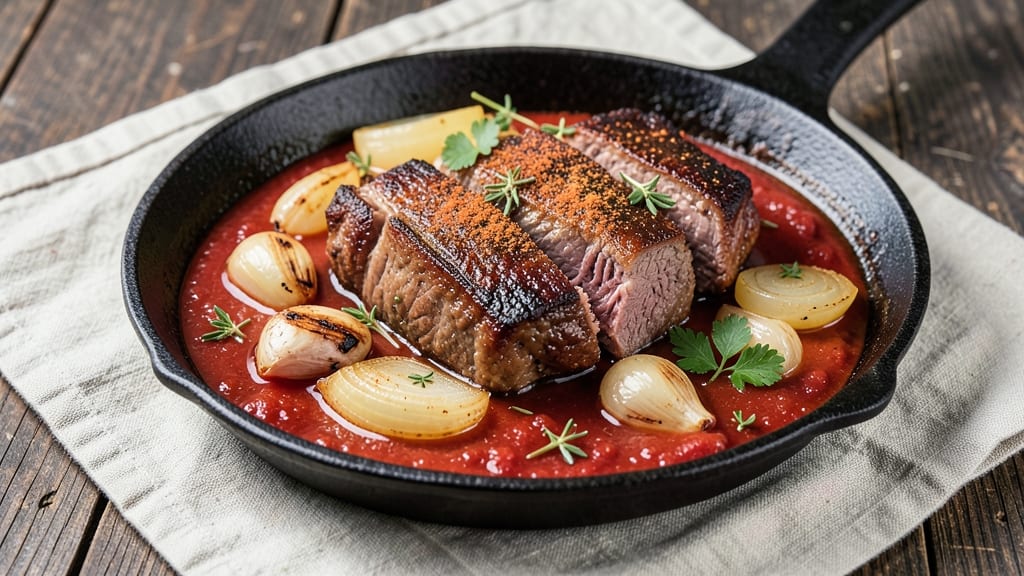
This Bavarian beef goulash recipe delivers the hearty, paprika-rich comfort of German tradition with every tender bite. The secret lies in slow-braising beef with onions, paprika, and tomatoes until the meat falls apart—creating a deeply flavorful stew that tastes like home.
I’ve perfected this method over years, balancing smoky spices with just enough sweetness to make it irresistible.
The beauty of this dish is its simplicity: one pot, minimal prep, and 3+ hours of hands-off simmering transform tough cuts into melt-in-your-mouth perfection. The paprika develops a rich, earthy depth, while the onions caramelize for natural sweetness.
This isn’t just a stew—it’s a restaurant-quality meal that pairs beautifully with dumplings or crusty bread.
What makes this goulash special is the layered flavor—smoky, slightly sweet, and deeply savory—all while keeping the technique approachable. No fancy ingredients, just authentic Bavarian technique that delivers restaurant-worthy results at home. The aroma alone will have everyone gathering around the table.
Perfect for cold evenings or family dinners, this goulash reheats beautifully and tastes even better the next day. Let’s get cooking—your taste buds (and leftovers) will thank you.
Ingredients for bavarian beef goulash
Fifteen ingredients, one pot, restaurant-quality Bavarian beef goulash that simmers into tender perfection.
| Ingredient | Amount | Notes |
|---|---|---|
| Chuck Roast Beef 🥩 | 2 lb | With visible fat marbling preferred |
| Yellow Onions 🧅 | 3 whole | Medium-sized, thinly sliced |
| Garlic Cloves 🧄 | 4 cloves | Peeled and smashed |
| Sweet Paprika 🌶️ | 2 tbsp | Hungarian variety preferred |
| Smoked Paprika 🌶️ | 1 tbsp | For depth of flavor |
| Tomato Paste 🍅 | ½ cup | High-quality, no sugar added |
| Beef Broth 💧 | 4 cups | Homemade or quality store-bought |
| Red Wine 🍷 | 1 cup | Dry, bold variety like Cabernet |
| Carrots 🥕 | 3 whole | Medium-sized, peeled and sliced |
| Bay Leaves 🌿 | 2 whole | Dried, standard size |
| Thyme Sprigs 🌿 | 2 whole | Fresh or dried, stems removed |
| Black Peppercorns 🌶️ | 1 tsp | Freshly cracked |
| Salt 🧂 | 1 ½ tsp | Diamond Crystal kosher salt |
| All-Purpose Flour 🌾 | 2 tbsp | For thickening if needed |
| Extra-Virgin Olive Oil 🫒 | 2 tbsp | For initial searing |
The beef is non-negotiable—chuck roast with good marbling delivers that melt-in-your-mouth texture. Costco or local butchers often carry it pre-cut, saving you time. Look for pieces with visible fat; it renders beautifully during the long simmer. Onions and carrots should be fresh and firm, with no soft spots. For paprika, Hungarian sweet and smoked varieties from Penzeys or bulk bins elevate the dish significantly. The tomato paste? San Marzano is ideal if you want to splurge—its sweetness balances the smokiness perfectly.
No red wine? Dry white wine or extra beef broth works in a pinch, though the depth of flavor suffers slightly. Fresh thyme is ideal, but dried at one-third the amount gets you close. For the tomato paste, those Trader Joe's squeeze tubes are perfect—they're concentrated and last months in your pantry. If you're using dried thyme, crush the sprigs slightly to release their oils. The beef broth should be low-sodium—you'll be adding plenty of salt later. And if you're short on carrots, substitute with parsnips for a slightly sweeter twist.
This goulash tastes even better the next day as flavors meld. Store in an airtight container in the fridge for up to 5 days, or freeze portions for 3 months. For serving, I like to reheat gently on the stove, adding a splash of broth to loosen the stew. The paprika and spices keep well in their original packaging for 6-12 months in a cool, dark place. The beef can be prepped ahead—sear it and refrigerate overnight for even more tender results.
Why You'll Love This Recipe
- One-Pot Magic: I swear by this recipe because it’s literally one pot—chuck roast, onions, and garlic all simmer together until the beef falls apart. No chopping mountains of veggies or juggling pans; just dump, stir, and let it work.
- Smoky Depth Bomb: That combo of sweet and smoked paprika? It’s the secret weapon—warm, earthy, and just a little smoky without tasting like a campfire. The chuck roast soaks it all up, giving every bite that rich, slow-cooked satisfaction.
- Leftovers That Shine: Between us, this goulash tastes better the next day. I make a double batch on Sundays, freeze half, and pull it out for lazy nights or when company drops by. Just reheat, and it’s like a hug in a bowl.
- Budget-Friendly Powerhouse: Chuck roast is cheap, onions and garlic are pantry staples, and a spoonful of paprika stretches flavor miles. It feeds four for under $15, and honestly? That’s a steal for something this hearty and delicious.
Step-by-step instructions for Bavarian beef goulash
A rich, paprika-infused simmer yields tender beef and aromatic vegetables. Precision timing and layering flavors create restaurant-quality depth.
Sear the Chuck Roast for Maximum Flavor
Heat the 2 tablespoons extra-virgin olive oil in a heavy Dutch oven over medium-high heat until shimmering. Pat the 2 lb chuck roast beef dry with paper towels—this ensures a proper sear. Working in batches if needed, brown the meat on all sides, pressing gently with a spatula for 2-3 minutes per side until deeply caramelized. The goal is a dark golden crust that locks in juices during the long simmer ahead.
Remove the beef and set it aside. If the oil isn't dark enough, add another 1 tablespoon olive oil and repeat the process. This step builds the flavor foundation—don't skip it. The rendered fat in the pot will later form the sauce base, so resist the urge to wipe it clean.
Develop the Paprika Base with Aromatics
Reduce heat to medium and add the 3 whole yellow onions and 3 whole carrots, sliced into even rounds. Cook for 6-8 minutes until softened and beginning to caramelize. Add the 4 cloves garlic cloves (smashed) and cook for 30 seconds until fragrant—this prevents burning while releasing their sweetness.
Stir in the 2 tablespoons sweet paprika and 1 tablespoon smoked paprika, whisking constantly for 1 minute to toast the spices. This step deepens their flavor profile through gentle heat exposure. Immediately add the 0.5 cup tomato paste and cook for 2 minutes, stirring frequently, until it darkens slightly. The paste will thicken the sauce and balance the paprika's heat.
Deglaze and Build the Sauce Foundation
Pour in the 1 cup red wine and scrape up all the browned bits from the bottom of the pot—this technique, called deglazing, captures all the caramelized flavor. Simmer for 3-4 minutes until the wine reduces by half. Add the 4 cups beef broth, 2 whole bay leaves, 2 whole thyme sprigs, and 1 teaspoon freshly cracked black peppercorns. Bring to a gentle boil.
Return the browned beef to the pot, along with any accumulated juices. The liquid should come up about ¾ of the way to covering the meat. If it's too shallow, add ½ cup water to maintain moisture during simmering. This ratio ensures tender beef without stew-like dilution.
Simmer Until Fork-Tender
Cover the pot and reduce heat to low, maintaining a gentle simmer (small bubbles at the edges). Cook for 2.5-3 hours, turning the beef occasionally, until it's fork-tender. The internal temperature should reach 195-205°F—this is when connective tissues break down into gelatin, creating that signature Bavarian melt-in-your-mouth texture.
Check the sauce consistency after 2 hours. If it's too thin, sprinkle in the 2 tablespoons all-purpose flour and stir gently to combine. Simmer for another 15-20 minutes to thicken naturally. The sauce should coat the back of a spoon but remain velvety, not gluey. Season with 1.5 teaspoons salt, adjusting to taste.
Rest and Serve for Optimal Texture
Remove the beef and vegetables to a serving platter. Skim off any excess fat from the sauce if desired, then strain the broth through a fine-mesh sieve to remove herb stems. Return the strained sauce to the pot and simmer for 5 minutes to reduce slightly. This final step intensifies the flavors.
Slice the beef against the grain into ½-inch thick pieces. Serve immediately with the strained sauce ladled over the top, accompanied by crusty bread or buttered egg noodles. The dish improves with resting for 10-15 minutes—this allows the juices to redistribute, ensuring each bite delivers maximum tenderness.
Pro Tips For Making Bavarian Beef Goulash
- SEAR THE CHUCK ROAST: Get that beef screaming hot in a dry pan first—no oil needed, just the fat rendering out. I used to skip this, and the goulash tasted bland no matter how much paprika I added. A deep, dark crust locks in flavor and keeps the meat tender.
- CHOP ONIONS SMALLER THAN YOU THINK: Tiny dice, not slices—you want them to vanish into the sauce by the end. I learned this the hard way when my goulash still had visible onion chunks after hours of simmering. The goal is a silky, uniform texture, not a stew with surprises.
- DON’T RUSH THE SMOKED PAPRIKA: Bloom it in the fat with the sweet paprika—stir for 30 seconds until the aroma hits you like a wall. I was skeptical until I tried it; now I add a splash of water to deglaze right after, so no flavor gets left behind.
- LOW AND SLOW WINS: After browning, drop the heat to a simmer and cover the pot—even if it looks dry. I used to crank the heat to speed things up, and the beef turned out tough. Let it cook for 3 hours minimum; patience here makes the difference between fork-tender and chewy.
Regional styles of these flavors
Traditional Bavarian Approach
In Bavaria, this dish is traditionally made with chuck roast rather than the leaner cuts often used in Hungarian goulash. The Germans favor a longer, slower cook—often 3-4 hours—to achieve that signature fork-tender texture.
I’ve found that using smoked paprika alongside sweet paprika adds that authentic depth Bavarian cooks swear by. The dish is typically served with semmelknödel (bread dumplings) or spätzle rather than the Hungarian potato dumplings. 🌟
Hungarian Influence
While Bavarian goulash leans into beef broth and wine, Hungarian versions often incorporate sour cream or paprika cream at the end. The Bavarian take skips this step, focusing instead on the rich, meaty sauce.
However, you can add a dollop of sour cream at the table if you prefer a tangy contrast. The key difference? Bavarian goulash is all about simplicity and depth, not creamy finishes.
Austrian Twist
Austrian households often prepare their goulash with beef marrow bones instead of just roast beef, adding a luxurious richness to the sauce. If you want to elevate this recipe, toss in 2 marrow bones during the simmer.
They’ll infuse the broth with gelatinous depth, making the sauce even more velvety. The Austrians also tend to use more red wine—up to 1.5 cups—for a bolder flavor profile.
Modern German Adaptations
Today’s German cooks often deglaze with beer instead of wine, especially in southern Bavaria. A dark lager like Weihenstephaner adds a malty sweetness that pairs beautifully with the paprika. For a lighter touch, some chefs finish the dish with a splash of apple cider to brighten the richness.
The modern approach also includes adding mushrooms (like cremini or wild varieties) for an earthy note—just sauté them with the onions in Step 2.
Regional Vegetable Variations
In rural Bavarian villages, parsnips replace carrots for a sweeter, nuttier flavor. If you’re feeling adventurous, swap in 1 lb parsnips (peeled and sliced) with the carrots.
Another regional favorite? Adding a handful of sauerkraut during the final 15 minutes of simmering—it adds a tangy crunch that cuts through the richness. For a heartier dish, some cooks toss in kale or cabbage at the end for texture. 🥬
Serving Traditions
Bavarians serve goulash with handmade egg noodles or dark rye bread to soak up every last bit of sauce. For a true regional touch, try serving it in a preheated ceramic bowl—the heat keeps the dish warm and the ceramic enhances the aroma.
In some Alpine regions, they even serve it with a side of pickled mustard seeds for a spicy kick. The key is to let the goulash rest for 10 minutes before serving—this ensures the juices stay in the meat, not on your plate.
Nutrition facts
Frequently asked questions
Why does this recipe use both sweet and smoked paprika?
The combination creates that signature Bavarian depth—sweet paprika adds warmth while smoked paprika contributes a subtle earthy richness. The smoked variety develops a complex flavor during the long simmer, making it essential for authentic taste. Toasting them together in Step 2 intensifies their aroma even more.
Can I substitute red wine with something else?
Yes! Use 1 cup beef broth or dry white wine if you prefer, though the flavor will be slightly less complex. For a non-alcoholic version, try grape juice or apple cider vinegar (reduce by half first). The wine's acidity helps tenderize the meat and balance the paprika's richness.
How do I know when the beef is tender enough?
Use a fork to pierce the thickest part of the beef—it should feel fork-tender (almost falling apart) with an internal temperature of 195-205°F. If it's still slightly firm after 3 hours, add ½ cup water and cook another 30 minutes. The long simmer breaks down collagen for that melt-in-your-mouth texture.
What's the best way to reheat leftovers?
Gently reheat on the stove over low heat with a splash of beef broth to prevent drying. Never microwave—it makes the sauce watery. For extra richness, add a pat of butter or a dollop of sour cream at the end. Leftovers actually improve as flavors meld further over 2-3 days.
Can I make this in a slow cooker?
Brown the beef first, then transfer everything to your slow cooker and cook on low for 7-8 hours or high for 4-5 hours. The slow cooker's gentle heat achieves the same tender results. For best texture, shred the beef slightly before serving to mimic the fork-tender quality.