
Sauces & Condiments
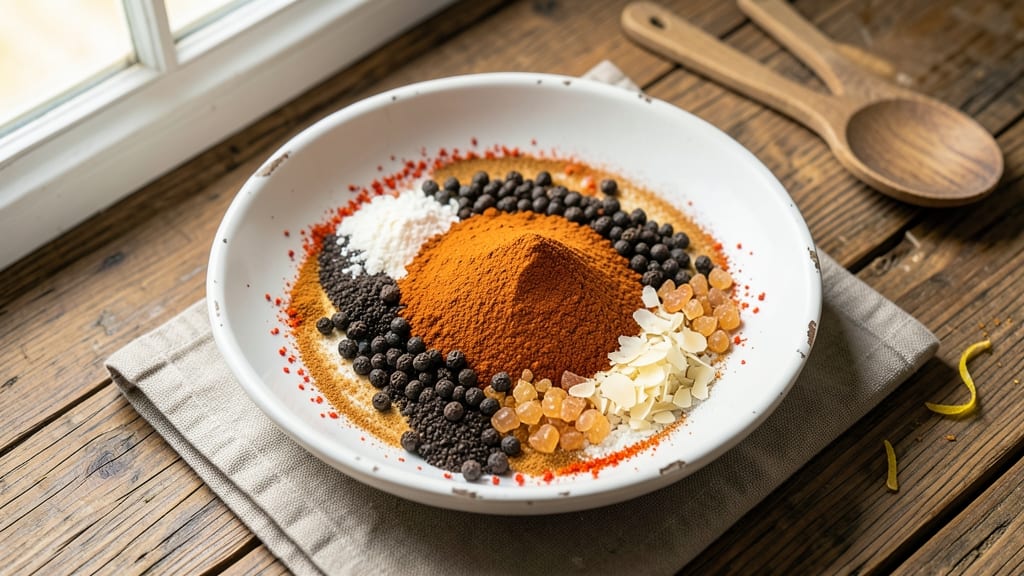
The Baltimore pit beef rub recipe transforms tough cuts into tender, smoky masterpieces with just a sprinkle. This dry spice blend captures the essence of Maryland's legendary pit beef—where sweet brown sugar meets smoky paprika for that signature crust.
The secret lies in balancing heat, sweetness, and depth, creating a bark that's impossible to resist.
This professional-grade rub requires only six simple ingredients measured in precise tablespoons and teaspoons, making it perfect for home cooks and pitmasters alike. The blend works equally well on brisket, pork shoulder, or even chicken thighs, delivering that iconic Baltimore flavor profile every time.
Just store it in an airtight container for up to three months.
What makes this rub special is how it develops during the slow cook: the brown sugar caramelizes into a sticky crust, while the paprika adds that signature smoky aroma. The garlic powder and onion powder ensure layers of savory depth, while black pepper and cayenne provide just the right kick.
This is the rub that puts Baltimore on your table.
Use it generously on meat before slow-roasting for maximum flavor penetration, or save some for finishing after cooking. The possibilities are endless—whether you're hosting a backyard BBQ or perfecting your own pit beef technique. Let's get started with the ingredients you'll need.
Ingredients for baltimore pit beef rub
Six ingredients, one legendary Baltimore flavor profile—this dry rub transforms any slow-roasted meat.
| Ingredient | Amount | Notes |
|---|---|---|
| Smoked Paprika 🌶️ | 3 tbsp | High-quality smoked for authentic aroma |
| Light Brown Sugar 🍚 | 2 tbsp | Packed firmly for accurate measurement |
| Garlic Powder 🧄 | 1 tbsp | Freshly ground preferred for depth |
| Onion Powder 🧅 | 1 tbsp | Diamond Crystal preferred for consistency |
| Coarse Black Pepper 🌶️ | 1 tbsp | Freshly cracked for maximum heat |
| Cayenne Pepper 🔥 | ½ tbsp | Adjust for desired heat level |
| Kosher Salt 🧂 | 1 tbsp | Diamond Crystal preferred for balance |
The smoked paprika is non-negotiable—Penzeys or McCormick brands deliver that signature smoky aroma. Light brown sugar caramelizes beautifully during cooking, creating the iconic crust. For garlic and onion powders, Diamond Crystal is the gold standard in professional kitchens, offering consistent flavor without bitterness. The black pepper should be coarse, not powdered—Tellicherry peppercorns toasted and ground give the best results. Cayenne adds heat without overpowering, but adjust to your preference.
No smoked paprika? Substitute with 1 tbsp regular paprika plus 1 tsp liquid smoke, though the flavor won't be identical. Light brown sugar unavailable? White sugar works in a pinch, but the caramelization will be less rich. If you're missing onion powder, 2 tsp granulated onion powder can substitute, though texture may differ. For heat, red pepper flakes at half the amount provide a similar kick. Always measure spices by volume, not weight—spoon them into a measuring spoon and level off for accuracy.
Store this rub in an airtight container away from light and moisture for up to 6 months. The spices will retain their potency longer when kept cool and dry. For best results, portion into small containers—1 tbsp servings work perfectly for individual rub applications. Freeze extras for up to 12 months if you're not using them frequently. The brown sugar may crystallize over time, but simply pulse it in a food processor to restore its texture.
Why You'll Love This Recipe
- Here’s what sold me: the caramelized crust from the brown sugar meets the smoky depth of paprika. It’s not just flavor—it’s texture, that crispy edge with the tender beef underneath. My kids fight over the last bite (yes, even on a Tuesday night).
- Pantry Magic: I swear, this rub lives in my spice rack year-round. Just mix the smoked paprika, brown sugar, and garlic powder—no fancy tools, no measuring cups—until it’s sticky and aromatic. That’s it. The onion powder and black pepper tie it all together while I’m still scraping the bowl.
- Sweet-Savory Crust: Here’s what sold me: the caramelized crust from the brown sugar meets the smoky depth of paprika. It’s not just flavor—it’s texture, that crispy edge with the tender beef underneath. My kids fight over the last bite (yes, even on a Tuesday night).
- Game for Any Meal: This rub works on sandwiches, roasted beef, or even a quick stir-fry. I’ve used it for tailgates, lazy Sundays, and when my husband’s late from work. Honestly, the versatility keeps me from getting bored—same rub, endless possibilities.
Step-by-step instructions for Baltimore pit beef rub
This classic rub delivers the signature Baltimore flavor profile that transforms tough cuts into tender, bark-covered masterpieces.
Combine Dry Ingredients in a Mixing Bowl
In a medium mixing bowl, measure out all the dry ingredients using the exact quantities specified: the 3 tablespoons of smoked paprika, 2 tablespoons of light brown sugar, 1 tablespoon each of garlic powder and onion powder, 1 tablespoon of coarse black pepper, 0.5 tablespoon of cayenne pepper, and 1 tablespoon of kosher salt. The smoked paprika should be high-quality for that authentic, slightly smoky aroma that defines Baltimore pit beef.
Use a whisk to break up any clumps in the brown sugar and paprika, ensuring all the spices are evenly distributed. This step is crucial—uneven mixing can lead to pockets of undiluted cayenne or salt in your final rub. I like to press the spices through a fine-mesh sieve first to eliminate any lumps before combining them, particularly with the brown sugar which tends to pack tightly.
Mix Thoroughly for Uniform Distribution
Transfer the combined dry ingredients to a food processor or high-speed blender for 30-45 seconds until the mixture becomes fine and homogeneous. This step ensures the cayenne pepper and coarse black pepper are evenly distributed throughout the rub, preventing any unexpected heat spikes when you apply it to the meat. If you don't have a food processor, a whisk in a bowl will work, but you'll need to be more vigilant about breaking up any clumps.
After blending, taste the mixture—it should have a balanced combination of smokiness, sweetness, and heat. The brown sugar adds just enough caramelization to create that signature crust, while the smoked paprika provides depth. If you find the heat level too intense, you can reduce the cayenne slightly in future batches, but start with the full 0.5 tablespoon for authentic Baltimore flavor.
Store Properly for Maximum Freshness
Transfer the finished rub to an airtight container, such as a glass jar or resealable plastic bag. Press the rub down firmly to remove any air pockets, which can cause the spices to degrade faster. Store in a cool, dark place like a pantry for up to 3 months, or freeze for up to 6 months to preserve maximum flavor. The spices in this rub are delicate—exposure to light and heat will accelerate their loss of potency, so keep it sealed tightly.
When you're ready to use the rub, shake the container vigorously before measuring to ensure an even distribution of all the spices. The texture should be fine and free-flowing, with no visible clumps of brown sugar or undissolved cayenne. If you notice any clumping after storage, simply whisk or pulse it briefly in a food processor to restore its consistency.
Apply Generously to Meat Before Cooking
Pat the meat—whether it's brisket, pork shoulder, or chicken—completely dry with paper towels before applying the rub. Moisture on the surface prevents the rub from adhering properly and can dilute its flavor. Use about 1 tablespoon of rub per pound of meat, pressing it firmly into every crevice, including the cavity if applicable. The brown sugar in the rub will caramelize during cooking, creating that signature dark, crusty bark that Baltimore pit beef is famous for.
For best results, apply the rub at least 4 hours before cooking to allow it to penetrate the meat and develop flavor. If you're short on time, a minimum of 30 minutes will still yield good results, though the bark won't be as pronounced. The combination of smoked paprika and brown sugar works its magic during the slow cook, transforming tough cuts into melt-in-your-mouth perfection.
Pro Tips For Making Baltimore Pit Beef Rub
- Toast the Spices First: Heat your smoked paprika and black pepper in a dry skillet for 30 seconds—just until fragrant. This wakes up their flavors and cuts through the sweetness of the brown sugar, so your rub doesn’t taste like a dessert. (Yes, even if you’re impatient like me.)
- Sift the Brown Sugar: Light brown sugar clumps like a stubborn teenager. Sift it through a fine-mesh strainer before mixing to avoid uneven coating on the meat. I learned this the hard way when my first batch had sugar glommed in chunks—looked like I’d rolled it in candy.
- Pat Meat Bone-Dry: Use paper towels to dry the beef thoroughly—no wet spots. Moisture dilutes the rub and steams the meat instead of searing it. I skip this sometimes, and the crust never forms right. (Your future self will notice.)
- Layer Rub in Two Stages: Apply half the rub first, let it sit for 10 minutes, then add the rest. This lets the garlic and onion powders penetrate deeper while the sugar caramelizes gradually. Sounds weird, but it works—your meat stays juicy with a deeper flavor punch.
Make-ahead tips for baltimore pit beef rub
Prep Ahead for Perfect Bark
Mix your rub up to 3 days in advance and store it in an airtight container. This gives the spices time to meld together, intensifying the smoky-sweet flavor profile.
I like to portion it into small jars (about 1 tbsp each) so I can grab exactly what I need without opening the whole container. The spices will stay fresh longer when protected from air and light. 🌶️
Meat Prep Timeline
Apply the rub to your meat at least 4 hours before cooking—overnight is even better. This allows the spices to penetrate deeply and develop that signature Baltimore crust. For tough cuts like brisket, I recommend applying the rub 12-24 hours ahead and storing the meat uncovered in the fridge.
The surface will dry out slightly, helping the rub stick better during cooking.
Slow Cooker Shortcuts
If you're using a slow cooker, apply the rub 2 hours before the start of cooking time. The longer cook time gives the brown sugar enough time to caramelize into that perfect bark. For a 6-8 hour cook, this works beautifully—just
Freezer-Friendly Rubbed Meat
Rub your meat and freeze it raw in a vacuum-sealed bag or airtight container. This is a game-changer for busy weeks! When ready to cook, thaw overnight in the fridge, then proceed with your usual cooking method. The rub will stay potent even after freezing, and the meat retains its moisture better than if you applied the rub after thawing. Just add 15-30 minutes to your cook time to account for the cold start. ❄️
Reheating Leftovers
Store cooked, rubbed meat in the fridge for up to 4 days or freeze for 3 months. To reheat, warm in a 350°F oven for 15-20 minutes with a splash of apple cider vinegar or beef broth to keep it moist.
For quick meals, use the microwave on 50% power for 1-2 minutes, then let it rest for 5 minutes before serving. The bark will stay crispy if reheated gently.
Rub Storage Hacks
Divide your rub into small containers (like 1-ounce spice jars) to keep it fresh longer. Store one in your pantry for quick access and freeze the rest. The brown sugar may crystallize over time, but a quick pulse in a food processor restores its texture.
I also keep a small portion in the fridge for immediate use—it stays fresher longer this way. 💡
Nutrition facts
Frequently asked questions
Can I use this rub on chicken instead of beef?
This Baltimore pit rub works beautifully on chicken thighs or drumsticks. The smoky-sweet profile complements poultry perfectly, though you may want to reduce the cayenne to 0.25 tbsp for milder heat. Apply the rub 1-2 hours before cooking to avoid overpowering the delicate flavor. For best results, use it on bone-in pieces where the rub can cling to the meat.
How do I adjust the heat level?
The recipe includes 0.5 tbsp cayenne for authentic heat, but you can easily reduce it to 0.25 tbsp for mild or 0.75 tbsp for extra spice. For a smokier flavor without heat, replace cayenne with an additional 0.25 tbsp smoked paprika. Always taste the rub before applying to adjust to your preference.
Why does my rub look clumpy after storage?
Brown sugar and spices naturally clump over time due to moisture absorption. Simply pulse the rub in a food processor for 10-15 seconds or whisk vigorously to restore its texture. Store it in an airtight container with a small packet of silica gel to prevent future clumping. For extra freshness, portion into small jars and freeze.
What's the best meat for Baltimore pit beef?
Traditional Baltimore pit beef uses beef brisket or pork shoulder, but this rub works on many cuts. For tender results, try it on ribeye steaks, pork chops, or even lamb chops. The key is to use a fatty cut—fat helps create that signature crusty bark during slow cooking.
Can I make this rub without smoked paprika?
Yes, but the flavor won't be identical. Substitute with 1 tbsp regular paprika + 1 tsp liquid smoke for depth. For a smokier alternative, try 1 tbsp chipotle powder** (adjust cayenne to 0.25 tbsp to balance heat). The brown sugar will still caramelize, but the smoky aroma will be less pronounced.