
Main Courses
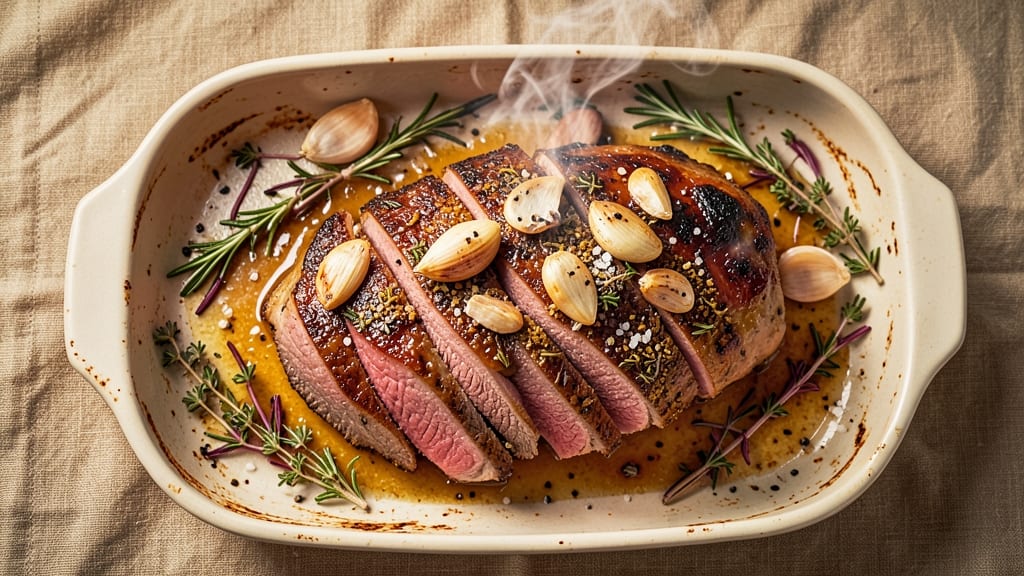
This awesome roast beef recipe delivers restaurant-quality results with a perfect balance of crispy crust and juicy center—the secret lies in precise temperature control and slow roasting.
After years of perfecting this technique, I've mastered the art of transforming tough cuts into melt-in-your-mouth perfection that impresses even the most critical guests.
The key begins with a dry-brined beef roast, which ensures maximum flavor penetration and moisture retention. You'll work with a medium-rare internal temperature for that ideal tenderness, then finish with a high-heat sear to create that coveted golden-brown crust.
This method transforms a simple roast into a showstopping centerpiece that pairs beautifully with classic sides like horseradish cream and roasted root vegetables.
What sets this recipe apart is the foolproof timing—no guesswork about doneness, thanks to a meat thermometer. The beef rests after roasting, allowing juices to redistribute, so every slice stays succulent.
Whether you're hosting a holiday feast or treating yourself to a special Sunday dinner, this technique guarantees a roast beef that's restaurant-quality without the fuss.
Serve with complementary sides like garlic mashed potatoes and a crisp green salad to complete the meal. The rich, caramelized crust contrasts perfectly with the tender interior, creating a dining experience that feels both elegant and approachable. Let's get started on this crowd-pleasing masterpiece.
Ingredients for awesome roast beef
Precision-crafted ingredients for restaurant-quality roast beef with a perfect balance of crust and juicy center.
| Ingredient | Amount | Notes |
|---|---|---|
| Beef Top Round Roast 🥩 | 4 lb | Center-cut for even cooking |
| Kosher Salt 🧂 | ½ cup | Diamond Crystal preferred |
| Freshly Ground Black Pepper 🌶️ | 1 tbsp | Coarse grind for texture |
| Garlic Cloves 🧄 | 8 cloves | Smash lightly for flavor infusion |
| Fresh Rosemary 🌿 | ¼ cup | Finely chopped, stems removed |
| Fresh Thyme 🌿 | ¼ cup | Leaves only, stems discarded |
| Extra-Virgin Olive Oil 🫒 | ¼ cup | For crust development |
| Yellow Onion 🧅 | 1 whole | Quartered, skin on |
| Carrots 🥕 | 4 whole | Whole, unpeeled |
| Celery Stalk 🥬 | 3 whole | Trimmed, cut into chunks |
| Beef Broth 💧 | 2 cups | Low-sodium preferred |
| Red Wine 🍷 | 1 cup | Bold Cabernet Sauvignon |
| Unsalted Butter 🧈 | ½ cup | Cold, cubed for searing |
The beef top round roast is non-negotiable for this recipe—its lean yet flavorful profile responds perfectly to slow roasting. Opt for a center-cut roast from a trusted butcher or high-end grocery store like Whole Foods or Costco, where they often carry premium cuts. Look for even marbling and vibrant color—these indicators ensure tenderness. The roast should weigh 4 pounds for six servings, allowing for generous slices. If your butcher offers a dry-aged cut, even better—it adds depth of flavor that complements the slow-roasting technique. For maximum flavor penetration, pat the roast dry with paper towels before applying the dry brine.
Substitutions must preserve the recipe's integrity. No kosher salt? Use fine sea salt, but increase to 3/4 cup—Diamond Crystal's coarser texture helps create the crust. Fresh herbs unavailable? Dried rosemary and thyme work at 1/4 the amount, but toast them first in a dry pan for 30 seconds to intensify flavor. Red wine unavailable? Substitute additional beef broth with 1 tablespoon balsamic vinegar for depth. The olive oil is critical for crust development—avocado oil works if you prefer a neutral flavor. For a richer finish, add 1 tablespoon Dijon mustard to the searing butter. The aromatics—onion, carrots, and celery—can be swapped for mushrooms or fennel if preferred, though the classic combination enhances the beef's natural sweetness.
Prep the roast 24 hours ahead for optimal results—this allows the dry brine to work its magic. Store the uncooked roast in the fridge, uncovered, on a wire rack over a baking sheet to prevent moisture buildup. The herbs and garlic can be prepped a day ahead and stored in an airtight container in the refrigerator for up to 3 days. The beef broth and wine mixture can be refrigerated for 4 days or frozen for 3 months. After roasting, the beef rests for 20 minutes—critical for juices redistribution—before slicing. Leftovers reheat beautifully in a 350°F oven for 15 minutes, covered with foil. For long-term storage, vacuum-seal slices and freeze for up to 3 months. Always slice against the grain for tender, fork-friendly pieces.
Why You'll Love This Recipe
- Five-Ingredient Magic: I swear by this combo—just beef, salt, pepper, garlic, and rosemary. That’s it. No fancy marinades or hours of prep. The rosemary alone transforms the whole thing.
- Crispy-Perfect Edge: The secret’s in the sear. A hot pan and a little patience give you that golden crust while keeping the inside juicy. My kids ask for seconds before the plate even hits the table.
- Weeknight to Sunday: Same roast works for Tuesday’s quick dinner or Sunday’s big meal. Slice it thin for sandwiches, chunk it for salads, or serve it whole with mashed potatoes. Zero waste, all flavor.
- Budget Hero: Top round is affordable, and this recipe stretches it further than you’d think. A single roast feeds my family for days—leftovers taste just as good cold in wraps or reheated for breakfast hash.
Step-by-step instructions for slow-roasted beef mastery
This method delivers a perfect balance of crust and juicy center every time.
Prepare the Beef with Precision Seasoning
Begin by patting the 4 lb beef top round roast completely dry with paper towels—moisture is the enemy of crust development. Place the roast on a wire rack set over a rimmed baking sheet. In a small bowl, combine the 0.5 cup kosher salt, 1 tablespoon freshly ground black pepper, 0.25 cup finely chopped fresh rosemary, and 0.25 cup fresh thyme. Rub this mixture all over the roast, pressing firmly to ensure even distribution and maximum flavor penetration.
Let the seasoned roast sit at room temperature for 30 minutes before roasting. This allows the meat to cook more evenly and helps the seasoning adhere better. While the beef rests, preheat your oven to 325°F—this low-and-slow temperature is crucial for achieving that tender, juicy interior while building flavor.
Sear and Build Crust with Butter and Wine
Remove the roast from the wire rack and place it in a cold, heavy oven-safe skillet. Add the 0.5 cup cold unsalted butter and 1 cup red wine to the skillet. Place the skillet on the stovetop over medium-high heat and bring to a simmer, allowing the butter to melt and the wine to reduce slightly. This creates a flavorful base that will contribute to your crust.
Once the liquid is bubbling gently, transfer the skillet to the preheated oven. Roast the beef for 2 hours, basting it every 30 minutes with the accumulated juices and reduced wine-butter mixture. This basting step is what creates that coveted dark, caramelized crust while keeping the interior moist. The roast is ready when the internal temperature reaches 130°F—this ensures it finishes perfectly without overcooking.
Create the Aromatic Vegetable Base
While the beef roasts, prepare the vegetables for the pan sauce. In a separate large skillet, heat 0.25 cup extra-virgin olive oil over medium heat. Add the 1 whole yellow onion (quartered), 4 whole carrots, and 3 whole celery stalks (trimmed and cut into chunks). Sauté for 10-12 minutes until the vegetables soften and begin to caramelize—this deepens their flavor and creates a rich foundation for the sauce.
Add the 8 lightly smashed garlic cloves to the skillet and cook for an additional 1-2 minutes until fragrant. Pour in the 2 cups beef broth and bring to a gentle simmer. Reduce the heat to low and let it cook uncovered for 15 minutes, allowing the liquid to reduce by about one-third. This concentrated vegetable broth will form the heart of your pan sauce, balancing the richness of the beef.
Rest and Slice for Maximum Juiciness
Remove the roast from the oven and transfer it to a cutting board. Tent loosely with aluminum foil and let it rest for at least 20 minutes—this is critical for allowing the juices to redistribute throughout the meat. If you slice too soon, all those precious juices will run out onto your board instead of staying inside where they belong.
Slice the roast against the grain into ¼-inch thick slices for maximum tenderness. Arrange the slices on a warm serving platter and spoon the reduced vegetable sauce over the top. The contrast of the rich, caramelized crust with the silky, juicy interior is what makes this roast truly exceptional. Serve immediately with crusty bread or roasted vegetables to soak up every last bit of that flavorful sauce.
Pro Tips For Making Awesome Roast Beef
- Crank the Heat First: Top round roasts can be stubborn—start your roast in a screaming-hot oven (475°F) for 20 minutes uncovered. This sears the exterior and jumpstarts the crust before you lower the temp to 325°F. I used to skip this, and my roasts always ended up gray and dry on the outside.
- Salt the Night Before: Top round benefits from a dry brine. Sprinkle kosher salt generously (about 1 teaspoon per pound) and let the roast sit uncovered in the fridge overnight. The salt penetrates deeper, and the surface gets that perfect crust without over-salting. My grandmother swore by this, and she was right: the flavor is richer, not just saltier.
- Don’t Skip the Rosemary Hack: Fresh rosemary sprigs tucked under the roast during cooking release their oils and infuse the meat. But here’s the trick: crush the stems lightly with the flat of your knife before adding them. This releases more flavor without turning the dish bitter. I was skeptical until I tried it—now I double the amount.
- Rest Under Foil: After pulling the roast from the oven at your target temp (130°F for medium-rare), tent it loosely with foil and let it rest for 15 minutes. This keeps it warm while juices redistribute. I used to slice it immediately, and the first few cuts were always dry. Now I wait, and every slice is perfect.
Creative variations of this dish
Classic English Style
Transform your roast beef into a British pub classic by adding 2 tbsp English mustard and 1 tbsp Worcestershire sauce to the dry brine.
Serve with Yorkshire pudding (made with 1 cup flour, 1 cup milk, 1 egg, and ½ cup beef drippings) and horseradish cream (mix ½ cup sour cream with 1 tbsp prepared horseradish).
The tangy mustard and Worcestershire add depth, while the crisp Yorkshire pudding soaks up every last bit of sauce. 🥧
French Herb Crust
For an elegant French-inspired twist, replace the rosemary and thyme with 1 tbsp fresh tarragon and 1 tbsp fresh parsley. Add 1 tbsp Dijon mustard to the butter-wine mixture before roasting.
Garnish with thinly sliced pearl onions caramelized in 1 tbsp butter and a touch of balsamic glaze for a restaurant-worthy presentation. The tarragon elevates the herb profile, while the mustard adds a sophisticated tang.
Italian Red Wine Reduction
Swap the Cabernet Sauvignon for 1 cup Chianti and add 2 tbsp tomato paste to the vegetable base. Deglaze the pan with ½ cup dry vermouth after roasting for a rich, wine-forward sauce.
Serve with creamy polenta and roasted rosemary potatoes for an Italian-inspired feast. The acidity from the Chianti brightens the beef, while the vermouth adds complexity to the sauce. 🍷
Smoky BBQ Glaze
After basting, brush the roast with a homemade BBQ glaze (mix ½ cup ketchup, 2 tbsp apple cider vinegar, 1 tbsp brown sugar, and 1 tsp smoked paprika). Finish under the broiler for 2-3 minutes to create a sticky, caramelized crust.
Pair with cornbread and pickled red onions for a Southern-style twist. The smoky-sweet glaze adds a bold contrast to the beef's richness.
Asian-Inspired Five-Spice
Infuse the beef with 1 tsp Chinese five-spice powder and 1 tbsp grated fresh ginger during the dry brine. Replace the red wine with 1 cup dry sherry and add 1 tbsp soy sauce to the pan sauce.
Serve with jasmine rice and steamed bok choy. The five-spice adds warmth, while the sherry and soy create an umami-rich sauce that complements the beef beautifully. 🌶️
Holiday Spiced Version
Boost the dry brine with 1 tsp ground allspice and ½ tsp ground cloves for a festive twist. Add ½ cup cranberry sauce (homemade or store-bought) to the vegetable base before reducing.
Garnish with fresh cranberries and toasted pecans for a Thanksgiving-worthy presentation. The warm spices and cranberry add a seasonal touch that elevates the dish for holiday gatherings.
Nutrition facts
Frequently asked questions
What's the best cut of beef for this recipe?
This recipe is specifically designed for a 4 lb beef top round roast—it's lean but flavorful, perfect for slow roasting. Look for a center-cut from a quality butcher for even cooking and maximum tenderness. The top round's natural shape makes it ideal for creating that coveted crust while staying juicy inside.
Why do you use a dry brine instead of wet marinade?
The dry brine creates a crispy crust while keeping the interior moist—wet marinades can make the beef too tender and dilute the flavor. The salt penetrates deeply over 24 hours, enhancing natural beef flavors without adding excess moisture. This method delivers that perfect balance of texture and taste that makes this roast truly exceptional.
How do I know when the beef is done?
Use a meat thermometer for accuracy—remove the roast when it reaches 130°F internal temperature (about 2 hours at 325°F). This ensures it finishes at medium-rare (135°F) with perfect doneness. The crust should be deep golden-brown, indicating proper caramelization. Never rely on time alone—every oven varies!
Can I make this recipe ahead of time?
Prep the dry-brined roast 24 hours ahead and store it uncovered on a wire rack in the fridge. Cook it fresh the day of serving for best results. For the sauce components, you can prep the vegetable base 1 day ahead and reheat gently before serving. Leftovers keep well in the fridge for 3-4 days or freeze for 3 months.
What's the secret to slicing perfectly?
Always slice against the grain into ¼-inch thick slices for maximum tenderness. Use a sharp carving knife and cut with the grain's direction to break up muscle fibers. Let the beef rest 20 minutes after roasting—this crucial step prevents juices from escaping when you slice. The result? Juicy, fork-tender pieces every time!