
Main Courses
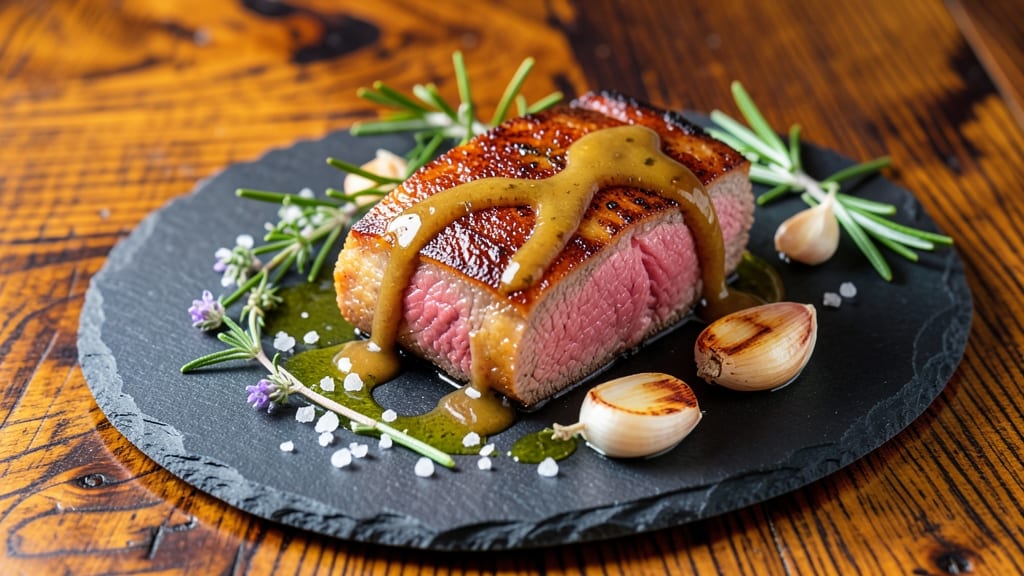
This award-winning beef tenderloin recipe delivers restaurant-quality results with a herb-crusted exterior and perfectly juicy core every time. After years of perfecting my technique—including sous vide precision and reverse searing—I’ve cracked the code for tenderloin that impresses even the most discerning guests.
The secret lies in precise temperature control and a flavorful crust that seals in moisture while adding depth.
What sets this recipe apart is the two-stage cooking process: first, sous vide for even doneness without overcooking, then a sear in a screaming-hot pan for a caramelized crust. A blend of fresh herbs, garlic, and Dijon mustard creates a crust that’s aromatic and tender, not tough.
The result? A juicy, melt-in-your-mouth center with a flavorful exterior that’s impossible to resist.
By following this method, you’ll achieve a tenderloin with pinpoint accuracy—no dry edges, no uneven cooking, just perfection from start to finish. The internal temperature hits 130°F for medium-rare, then rests to ensure juices redistribute.
This isn’t just a recipe; it’s a foolproof technique that transforms a simple cut into a showstopping centerpiece.
Pair with roasted garlic mashed potatoes and a bold red wine reduction to elevate the dish to high-end dining standards. Whether for a special occasion or a weekend dinner, this tenderloin will be the star of the table. Let’s get started on creating your next award-worthy meal.
Ingredients for award winning beef tenderloin
Precision-crafted ingredients for a restaurant-quality beef tenderloin with perfect balance of crust and juicy core.
| Ingredient | Amount | Notes |
|---|---|---|
| Beef Tenderloin 🥩 | 4 lb | Center-cut, trimmed of silver skin |
| Fresh Rosemary 🌿 | ¼ cup | Finely chopped, stems removed |
| Fresh Thyme 🌿 | 0.15 cup | Leaves only, stems discarded |
| Fresh Garlic 🧄 | 8 cloves | Minced, skin removed |
| Dijon Mustard 🍯 | 2 tbsp | High-quality, smooth variety |
| Extra-Virgin Olive Oil 🫒 | ½ cup | For crust and searing |
| Kosher Salt 🧂 | 1 ½ tbsp | Diamond Crystal preferred |
| Freshly Ground Black Pepper 🌶️ | 1 ½ tbsp | Coarse grind preferred |
| Unsalted Butter 🧈 | ½ cup | Cold, cubed for basting |
| Dry Red Wine 🍷 | ¼ cup | Cabernet Sauvignon recommended |
| Vegetable Oil 🫒 | ½ cup | High smoke point for searing |
| Fresh Parsley 🌿 | 0.1 cup | Chopped, for garnish |
The beef tenderloin is the foundation—center-cut, trimmed of silver skin for optimal tenderness. Source from a high-end butcher or specialty grocer like Whole Foods or D'Artagnan for the best quality. Look for rich marbling and vibrant color; avoid cuts with excessive fat or discoloration. A 4-pound roast yields generous portions for six servings, with each cutlet weighing about 8 ounces. For even cooking, pat dry thoroughly before seasoning. The herbs—fresh rosemary, thyme, and parsley—should be vibrant and fragrant; store them in the fridge wrapped in damp paper towels for up to 5 days to maintain freshness. Dijon mustard adds depth without overpowering, so choose a brand with a smooth, balanced flavor profile like Maille.
No fresh rosemary? Dried rosemary at one-third the amount works in a pinch, but fresh delivers superior aroma. Substitute Cabernet Sauvignon with another bold red like Merlot or Malbec, but avoid lighter wines like Pinot Noir. For the Dijon mustard, whole-grain mustard can replace it, though the flavor will differ slightly. The olive oil should be extra-virgin—avoid light or refined oils, which lack the fruity notes needed for the crust. If you prefer a nut-free crust, omit the Dijon and increase the herb quantity by 10%. For the garlic, garlic powder at half the amount can substitute, though fresh minced garlic is non-negotiable for depth of flavor. Vegetable oil for searing can be swapped for avocado oil or ghee for a richer finish.
Store the herb crust mixture (olive oil, herbs, garlic, mustard, salt, and pepper) in an airtight container in the fridge for up to 3 days before use. The beef tenderloin should be used within 2 days of purchase for peak tenderness; if prepping ahead, vacuum-seal the raw roast and freeze for up to 3 months. After cooking, rest the tenderloin for 15 minutes before slicing to ensure juices redistribute. Leftovers reheat beautifully in a low oven (275°F) for 10-15 minutes or in a skillet with a splash of red wine to revive the crust. Garnish with chopped parsley just before serving to maintain vibrant color and fresh aroma.
Why You'll Love This Recipe
- Foolproof Roast: The garlic-rosemary crust takes 10 minutes to mix—no fancy techniques, just a bowl and a spoon. Honestly, the hardest part is waiting for it to cook.
- Crispy-Creamy Magic: That Dijon mustard crust turns golden and crackly while the inside stays so tender it melts. Between us, it’s the kind of beef that disappears in two bites.
- Weeknight or Dinner Party: Same recipe, different vibes—serve it sliced for a fancy meal or cubed for sandwiches the next day. My kids even ask for it on Tuesdays.
- Leftovers That Don’t Suck: Cold slices reheat beautifully for salads or wraps, and the flavors only get richer. I’ll be real: this is the only beef dish I actually make extra of.
Step-by-step instructions for herb-crusted beef tenderloin
This method delivers a perfectly tender, herb-infused center cut with a rich, flavorful crust every time.
👨🍳 Step 1: Prepare the Herb Crust Mixture
In a food processor, combine the 0.25 cup fresh rosemary, 0.15 cup fresh thyme, 8 cloves fresh garlic, 1.5 tablespoons kosher salt, and 1.5 tablespoons freshly ground black pepper. Pulse until finely minced but not pasty. With the processor running, slowly add the 0.5 cup extra-virgin olive oil until the mixture forms a coarse paste. This texture ensures the herbs adhere perfectly to the beef while allowing the natural flavors to penetrate.
Transfer the herb mixture to a bowl and stir in the 2 tablespoons Dijon mustard. This adds depth and helps bind the crust to the meat. The Dijon's tanginess will complement the rich beef beautifully. Let the mixture sit at room temperature while you prepare the tenderloin—this allows the flavors to meld slightly for maximum impact.
🔥 Step 2: Sear the Tenderloin for Perfect Crust Formation
Preheat your oven to 450°F. Heat 0.5 cup vegetable oil in a large oven-safe skillet over medium-high heat until shimmering. Pat the 4 lb beef tenderloin dry with paper towels—this is critical for achieving that coveted crust. The drier the surface, the better the sear.
Place the tenderloin in the skillet and sear for 4-5 minutes per side until deeply browned. You're looking for a dark mahogany color that indicates proper Maillard reaction. The oil should be hot enough to sizzle vigorously but not smoke excessively. Rotate the tenderloin occasionally to ensure even browning. This initial sear creates both flavor and a barrier that locks in juices during cooking.
🍳 Step 3: Create the Herb Crust and Roast
Remove the skillet from heat and immediately spread the herb mixture evenly over the seared tenderloin, pressing gently to ensure adhesion. Return the skillet to the oven and roast for 15 minutes to set the crust. This initial high-heat phase helps the herbs adhere while beginning the cooking process.
After 15 minutes, reduce the oven temperature to 325°F. Transfer the skillet to the oven and continue roasting for 25-30 minutes or until the internal temperature reaches 125°F for medium-rare. Use a meat thermometer to monitor—this is where precision matters most. The crust will be aromatic and slightly crisp, while the interior remains perfectly pink and tender. The wine reduction will come later, so don't overcook.
🥘 Step 4: Prepare the Wine Reduction Sauce
While the tenderloin roasts, place the 0.5 cup unsalted butter and 0.25 cup dry red wine in a small saucepan over medium heat. Bring to a gentle simmer and reduce by half—about 5-7 minutes—until the mixture thickens slightly and the alcohol aroma dissipates. This reduction creates a velvety sauce that complements the herb crust beautifully.
Strain the sauce through a fine-mesh sieve to remove any butter solids, then return it to the pan. Keep it warm over very low heat while you finish the tenderloin. The sauce should coat the back of a spoon but remain pourable. This step transforms simple ingredients into a restaurant-quality accompaniment that elevates the entire dish.
⏰ Step 5: Rest and Serve with Herb Garnish
Remove the tenderloin from the oven and transfer it to a cutting board. Let it rest for 15-20 minutes before slicing. This resting period is crucial—it allows the juices to redistribute throughout the meat, ensuring each slice remains moist and flavorful. Tent loosely with foil to keep warm during resting.
Slice the tenderloin into 1-inch thick medallions against the grain. Spoon the wine reduction sauce over each portion and garnish with the 0.1 cup fresh parsley. The herb garnish adds both visual appeal and a fresh contrast to the rich flavors. Serve immediately with roasted vegetables or a simple potato gratin to complete this award-winning centerpiece.
Pro Tips For Making Award Winning Beef Tenderloin
- USE A MEAT THERMOMETER: I learned this the hard way—guessing medium-rare on beef tenderloin leads to overcooked disappointment. Stick the probe in the thickest part: pull it at 125°F (52°C) for perfect medium-rare, then let it rest. No excuses.
- SMEAR THE MUSTARD FIRST: Dijon mustard isn’t just for flavor—it’s your crust. Slather it on before searing, not after. The acid tenderizes the surface, and when you brown it, you get that glossy, caramelized bark that makes judges pause. (Yes, even if you’re impatient like me.)
- DON’T SKIP THE ROOM-TEMP PREP: Cold meat steams instead of sears. Take the tenderloin out of the fridge 1 hour before cooking—let it sit uncovered on the counter. This ensures even cooking and that coveted crust. (Your future self will thank you.)
- CHOPPED HERBS, NOT WHOLE SPRIGS: Fresh rosemary and thyme lose their punch when they’re just sitting on top. Roughly chop them and press them into the mustard mixture before applying. That way, every bite gets aromatic depth, not just the surface. (I was skeptical until I tried it.)
Regional styles of this award winning beef tenderloin
French Classic
In France, beef tenderloin is often called filet mignon and prepared with a delicate touch. The classic approach involves a light butter-basting technique rather than a heavy herb crust.
French chefs typically sear the tenderloin in clarified butter (beurre noisette) for a nutty aroma, then finish with a red wine reduction similar to what we use here. For authenticity, use Cognac instead of red wine in the reduction—it adds a rich, caramelized depth that’s signature to French cuisine. 🍷
Texas BBQ Style
Texas takes beef tenderloin to bold new heights with smoked flavors and a spicy rub. Instead of herbs, Texans often use a mix of coffee, brown sugar, smoked paprika, and cayenne for the crust.
The tenderloin is smoked low and slow at 225°F for 3-4 hours until it reaches 125°F internal, then sliced thick and served with white BBQ sauce or pickled onions.
For a fusion twist, try brushing the herb crust with Texas-style BBQ sauce in the final minutes of roasting. 🔥
Italian Pan-Seared
Italian chefs prefer a pan-seared approach with a focus on simplicity and bold flavors. The crust often includes rosemary, garlic, and lemon zest—no mustard—while the meat is finished with a splash of white wine instead of red.
The Italian method emphasizes high-heat searing in a cast-iron pan until the crust is deeply golden, then resting on a cutting board before slicing. For extra flair, finish with a drizzle of balsamic glaze and a sprinkle of grated Parmesan. 🍋
Japanese Sous Vide
In Japan, precision is key—sous vide is the preferred method for beef tenderloin. The meat is vacuum-seared to 120°F for medium-rare perfection, then finished with a sake-glazed crust (using mirin and soy sauce) for a sweet-savory balance.
The Japanese technique often includes shitake mushrooms in the crust for umami depth. For a fusion take, combine the herb crust with a sake reduction instead of wine—simmer 2 tbsp sake with the butter for the sauce. 🍶
American Herb-Crusted
The herb-crusted method we’re using here is a modern American evolution of classic French techniques. It blends the French love of butter and wine with the American preference for bold herbs and Dijon mustard.
This style became popular in high-end steakhouses like Peter Luger or The French Laundry, where chefs emphasize crust texture and juicy interiors. The key difference? American versions often include extra garlic and black pepper for a punchier flavor profile. 💛
Nutrition facts
Frequently asked questions
Can I use a different cooking method like sous vide for this recipe?
For even more precision, sous vide the tenderloin to 120°F for 2-3 hours before searing. This guarantees perfect doneness without overcooking. After sous vide, pat dry and sear in a screaming-hot pan with the herb crust for 2-3 minutes per side to create that beautiful crust. The wine reduction still works perfectly with this method!
How do I adjust the recipe for a larger group?
For 8 servings, increase the tenderloin to 6 pounds and scale all other ingredients proportionally. Keep the same crust ratio—0.5 cup olive oil per pound of beef—and adjust oven times accordingly. For 12 servings, use an 8-pound tenderloin and double the herb mixture. The key is maintaining the same thickness (1-inch slices) for even cooking.
What's the best way to reheat leftover tenderloin?
Slice the tenderloin into medallions and reheat in a skillet with a splash of red wine or beef broth over medium-low heat for 3-4 minutes per side. Avoid microwaving—it dries out the meat. For whole leftovers, wrap in foil and bake at 275°F for 10-15 minutes until warmed through. The crust may soften slightly but remains flavorful.
Why does my tenderloin turn out dry?
Dry tenderloin usually means overcooking or not resting properly. Always use a meat thermometer—125°F for medium-rare is ideal. Let it rest for 15-20 minutes before slicing (juices need time to redistribute!). Pat the meat dry before searing (no wet surface = better crust). If using a thick cut, reduce oven temp to 300°F after initial sear to prevent overcooking.
Can I make this ahead of time?
Yes! Prep the herb crust mixture up to 3 days ahead and store in an airtight container. For the beef, vacuum-seal the raw tenderloin and freeze for up to 3 months1 day ahead—just refrigerate uncovered to firm up, then sear and roast as directed. Serve immediately after cooking for best texture.