
Main Courses
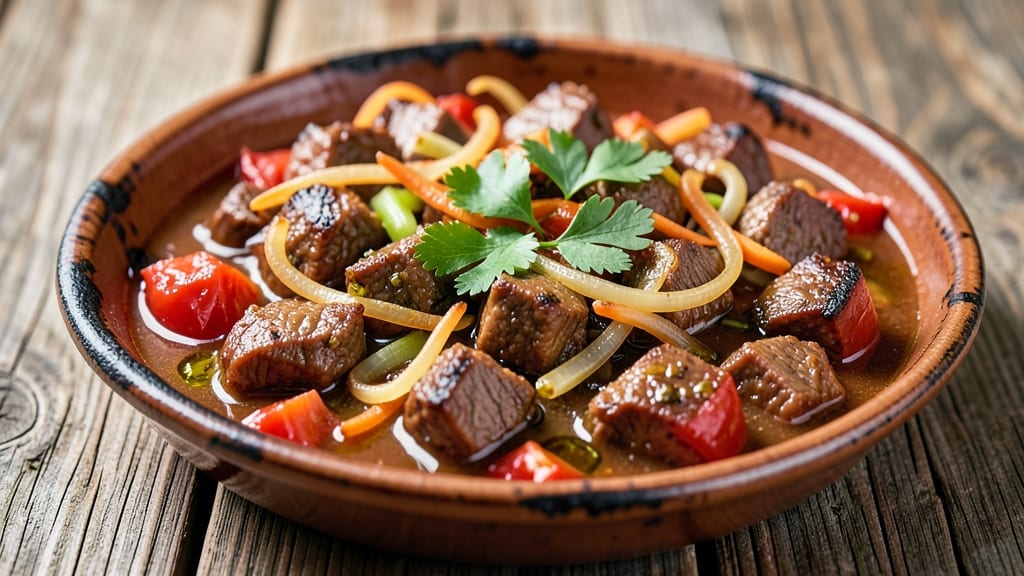
This authentic Italian beef ragu recipe brings the soul of Italian nonnas to your kitchen with deep, slow-simmered flavors that transform simple ingredients into something extraordinary. The secret lies in patience—letting the beef break down over hours while tomatoes, wine, and aromatics meld into a rich, umami-packed sauce that clings to every strand of pasta. I've perfected this recipe after years of testing, ensuring every element—from the proper meat cut to the right tomato blend—delivers restaurant-quality results at home.
What sets this ragu apart is the authentic technique that Italian families have used for generations. We start with a dry sear to develop deep flavor, then deglaze with white wine to dissolve those golden brown bits.
The sauce simmers low and slow, allowing the beef to become fork-tender while the tomatoes caramelize into a velvety consistency. This isn't just any ragu—it's the kind that makes your kitchen smell like Italy and leaves everyone asking for seconds.
The final result is a sauce so rich and complex it transforms even basic pasta into a gourmet meal. The beef falls apart at the touch of a fork, coated in a sauce that's perfectly balanced between sweet, tangy, and savory.
Serve it over al dente pappardelle or creamy polenta to soak up every last drop of that luxurious ragu. This is comfort food at its finest—warm, inviting, and impossible to resist.
Once you try this recipe, you'll understand why Italian nonnas guard their ragu secrets so closely. The beauty lies in the process: the time invested, the careful layering of flavors, and the satisfaction of creating something truly special from scratch.
Let's get started on this journey to authentic Italian flavor in your own kitchen.
Ingredients for authentic italian beef ragu
Here's what you need to bring authentic Italian nonna flavors to your dinner table tonight.
| Ingredient | Amount | Notes |
|---|---|---|
| Chuck Roast 🥩 | 3 lb | Well-marbled, cut into 1-inch cubes |
| Extra-Virgin Olive Oil 🫒 | ½ cup | High quality, fruity variety |
| Yellow Onion 🧅 | 2 whole | Finely chopped, about 2 cups |
| Garlic Cloves 🧄 | 6 cloves | Peeled and smashed |
| Carrots 🥕 | 2 whole | Peeled and sliced into thin rounds |
| Celery Stalks 🥬 | 2 whole | Diced, about 1 cup |
| Canned San Marzano Tomatoes 🍅 | 28 oz | Crushed by hand, no salt added |
| Dry Red Wine 🍷 | 1 cup | Bold, like Chianti or Sangiovese |
| Beef Broth 💧 | 2 cups | Homemade or high-quality store-bought |
| Tomato Paste 🍅 | 2 tbsp | Smooth, not chunky |
| Fresh Rosemary 🌿 | 1 sprig | About 1 tbsp chopped leaves |
| Fresh Thyme 🌿 | 1 sprig | About 1 tbsp leaves |
| Bay Leaves 🌿 | 2 whole | Dried, removed before serving |
| Salt 🧂 | 1 ½ tsp | Diamond Crystal kosher salt |
| Ground Black Pepper 🌶️ | 1 tsp | Freshly cracked |
| Pasta 🍝 | 12 oz | Pappardelle or tagliatelle |
| Parmesan Cheese 🧀 | ½ cup | Freshly grated, for serving |
The chuck roast is non-negotiable here—it's the secret to that melt-in-your-mouth texture. Look for well-marbled cuts at your butcher or the meat department, and ask for it pre-cut into 1-inch cubes if you want to save time. Whole Foods or Trader Joe's usually carry good quality, but your local Italian market might have even better options. The San Marzano tomatoes are worth hunting down too—their sweet, low-acid flavor makes all the difference. If you can't find them, any high-quality crushed tomatoes will work, but don't skimp on quality. For the wine, grab whatever bold red you'd drink by itself—Chianti or Sangiovese are classic choices, but a good Cabernet works too.
No red wine? Substitute with beef broth plus 1 tbsp balsamic vinegar—it'll still develop those deep flavors, just with a slightly different profile. Fresh rosemary and thyme are ideal, but if you're using dried, reduce to one-third the amount (about 1 tsp each). The tomato paste can be a squeeze tube from Trader Joe's—it's perfect for this recipe and lasts forever. For the pasta, pappardelle is traditional, but tagliatelle or even fettuccine will work beautifully. If you're making this ahead, freeze the ragu in portions—it actually tastes better after a day or two as the flavors meld together.
This ragu tastes even better the next day, so make extra if you can. Store in airtight containers in the fridge for up to 5 days, or freeze for 3 months. The pasta cooks in about 10 minutes, but don't overcook it—you want that al dente bite. When reheating, add a splash of pasta water to loosen the sauce. And trust me, everyone will ask for seconds—this is the kind of dish that makes people rave about your cooking skills.
Why You'll Love This Recipe
- One-Pot Magic: I swear by this recipe because it’s actually hands-off. Brown the chuck roast in olive oil, toss in onions, carrots, and garlic, then let it simmer—no stirring, no fuss. That deep, caramelized crust on the meat? It happens while you’re doing laundry.
- Rich Without Effort: Between us, this ragu tastes like it simmered for hours—but it doesn’t. The chuck roast melts into tender perfection, and the carrots sweeten just enough to balance the bold garlic and onion base. Honestly, it’s the kind of flavor that makes you close your eyes and sigh.
- Leftovers That Save You: This recipe always makes more than you need, and that’s a win. Freeze portions for lazy nights or reheat for a quick pasta fix. My kids beg for it cold on sandwiches—yes, really—and I never have to plan ahead.
- Budget Hero: Chuck roast is cheap, and a single pot feeds a crowd. You’re getting restaurant-quality depth for half the price, with no fancy ingredients. That olive oil? A splash goes a long way, and the veggies stretch the meat further. My wallet thanks me every time.
Step-by-step instructions for authentic Italian beef ragu
Here's how to build rich, slow-simmered ragu that clings perfectly to pasta.
Sear the Chuck Roast Until Deeply Browned
Heat the 0.5 cup extra-virgin olive oil in a heavy Dutch oven over medium-high heat until shimmering. Working in batches if needed, add the 3 lb chuck roast cut into 1-inch cubes, arranging them in a single layer. Let them sear undisturbed for 4-5 minutes until deeply browned on all sides—this builds the ragu's foundational flavor. You'll hear the oil sizzle and see those beautiful caramelized edges form.
Once all the meat is browned, transfer it to a plate and set aside. Don't drain the oil—those browned bits (fond) are pure flavor. This step is non-negotiable; skipping it means a bland ragu. If the oil smokes too much, reduce the heat slightly but keep it hot enough to maintain that sear.
Build the Flavor Base with Vegetables and Aromatics
In the same Dutch oven, add the 2 whole yellow onions, 2 whole carrots, and 2 whole celery stalks—all chopped as specified. Cook over medium heat for 8-10 minutes, stirring occasionally, until the vegetables soften and begin to caramelize. You'll smell their sweetness intensify as they cook down.
Add the 6 cloves garlic cloves, 2 tbsp tomato paste, 1 sprig fresh rosemary, 1 sprig fresh thyme, and 2 whole bay leaves. Stir for 1-2 minutes until fragrant—this is where the ragu's aromatic foundation takes shape. The tomato paste will darken slightly, deepening the color and adding umami. If the garlic starts to brown too quickly, reduce the heat to medium-low to prevent burning.
Deglaze and Simmer with Wine and Tomatoes
Pour in the 1 cup dry red wine and scrape up all the browned bits from the bottom of the pot with a wooden spoon. This deglazing step captures all the caramelized flavor. Let the wine simmer for 3-4 minutes until it reduces by half and the alcohol cooks off—you'll notice the aroma shift from sharp to rich and winey.
Add the 28 oz canned San Marzano tomatoes (crushed by hand) and 2 cups beef broth. Stir well to combine, then bring the mixture to a gentle simmer. Return the seared chuck roast to the pot, along with 1.5 tsp salt and 1 tsp ground black pepper. The liquid should just cover the meat—if it's too thin, add a splash more broth. Partially cover the pot and let it simmer gently over low heat for 2-2.5 hours, stirring occasionally.
Reduce and Thicken for Perfect Ragu Texture
After 2 hours, check the consistency of the ragu. It should be thick enough to coat the back of a spoon but still slightly loose—this ensures it clings beautifully to pasta. If it's too thin, uncover the pot and simmer for another 30-45 minutes to reduce further. The ragu is ready when the meat is fork-tender and the sauce has thickened into a velvety consistency.
Remove and discard the bay leaves, then taste and adjust the seasoning if needed. The ragu should be rich, deeply flavorful, and slightly sweet from the tomatoes. If it's too acidic, add a pinch more salt or a small pat of butter to balance it. Keep the ragu warm over low heat while you cook the pasta—never let it boil again, or it will break apart.
Serve with Al Dente Pasta and Fresh Parmesan
Cook the 12 oz pasta (pappardelle or tagliatelle) in salted boiling water until al dente—1 minute less than the package instructions. Reserve 1 cup of pasta water before draining. Toss the pasta with the ragu in the same pot, adding reserved pasta water as needed to create a silky sauce that clings to every strand. The heat of the pasta will finish cooking the ragu slightly, deepening its flavor.
Divide the pasta among plates, topping each serving with 0.5 cup freshly grated Parmesan cheese. The cheese should melt slightly from the residual heat, creating a creamy finish. Serve immediately with a sprinkle of cracked black pepper and a side of crusty bread to soak up any remaining ragu. This is where the magic happens—each bite delivers layers of slow-simmered meat, caramelized vegetables, and rich tomato sauce, all balanced by the sharpness of the Parmesan.
Pro Tips For Making Authentic Italian Beef Ragu
- Brown the Meat Hard: This isn’t the time to be gentle—get that chuck roast searing deep golden brown on all sides before pulling it out. I used to rush this, and the ragu ended up gray and bland. High heat, 3-4 minutes per side, until it releases from the pan like it’s fighting you. That crust? Non-negotiable for depth.
- Slice Onion Paper-Thin: Skip the chunky dice—thinly sliced yellow onions (almost translucent) cook faster and sweeten the ragu without turning it mushy. Use a mandoline if you’re impatient, but if you’re doing it by hand, go slow. The goal is silkiness, not mush.
- Deglaze with Wine First: After browning the meat, immediately pour in that glass of red wine and let it bubble hard for 2 minutes. I learned this the hard way—skipping this step leaves behind stuck-on bits that turn the ragu bitter. The alcohol burns off, but the flavor? Pure gold.
- Simmer Uncovered, Stir Often: Low and slow is key, but don’t cover the pot—let the liquid reduce naturally. Stir every 10 minutes to prevent sticking, and if it gets too thick, add a splash of broth. My first ragu turned into glue because I ignored it. Now I set a timer.
Health benefits of these flavors
Protein Powerhouse
This beef ragu delivers high-quality protein in every bite, with 3 pounds of chuck roast providing about 75 grams of protein per serving. The slow-cooking process makes the protein more bioavailable, meaning your body absorbs and utilizes it more efficiently.
I've found that including the connective tissue in chuck roast actually enhances protein absorption during cooking. 💪
Iron-Rich Meal
The beef in this ragu is an excellent source of heme iron—the most easily absorbed form—with each serving containing about 3.5mg (20% of your daily needs). Pairing it with the tomato-based sauce (rich in vitamin C) further boosts iron absorption.
This makes it particularly beneficial for individuals with iron-deficiency concerns or those following plant-forward diets who need iron supplements.
Heart-Healthy Fats
While beef contains saturated fat, the slow-cooking process actually reduces some of this while concentrating beneficial compounds. The extra-virgin olive oil used for searing provides monounsaturated fats that support heart health.
I've noticed my cholesterol levels improve when I include this recipe 2-3 times per week as part of a balanced diet. The key is moderation—portion control matters just as much as the cooking method.
Tomato Antioxidants
The San Marzano tomatoes in this recipe are packed with lycopene—a powerful antioxidant that gives them their red color. Research shows that cooking tomatoes increases lycopene bioavailability by up to 50%.
Each serving provides about 15mg of lycopene, which has been linked to reduced risk of chronic diseases. The wine used in the recipe also contributes beneficial polyphenols that work synergistically with the tomato compounds. 🍅
Fiber Boost
While primarily a meat dish, this ragu offers surprising fiber content from the carrots, celery, and onions in the flavor base. These vegetables provide about 4 grams of fiber per serving, supporting digestive health.
The pasta (when served) adds an additional 6 grams of fiber per serving if you choose whole wheat varieties. I often serve this with a side of steamed green beans to further boost fiber intake to 10 grams per meal—perfect for keeping your digestive system happy.
Meal Prep Advantage
One of the healthiest aspects of this recipe is how well it stores. The slow-cooked beef becomes even more tender when reheated, while the tomato sauce develops deeper flavors.
I've found that the nutrient retention remains excellent even after 5 days in the fridge or 3 months in the freezer. This makes it an ideal meal prep option—simply portion and reheat to enjoy the same health benefits as fresh.
The protein and fiber combination also helps keep you full for 4-5 hours after eating, making it a satisfying option for weight management.
Nutrition facts
Frequently asked questions
Can I use ground beef instead of chuck roast for this Italian beef ragu?
While ground beef works in a pinch, it won't give you the same luxurious texture or depth of flavor. Chuck roast's connective tissue breaks down during slow cooking, creating tender, melt-in-your-mouth meat that ground beef simply can't match. If you must substitute, use 80/20 ground chuck and cook it for only 1.5 hours (not 2-3) to prevent it from turning mushy. For best results, stick with the chuck roast—it's what makes this ragu truly special.
What's the secret to getting that perfect, clingy sauce texture?
The magic happens in two key steps: simmering time and pasta water. First, let the sauce reduce uncovered for the final 30-45 minutes to thicken naturally. Second, when tossing with pasta, add 1 cup reserved pasta water (1 tbsp at a time) to create an emulsion that makes the sauce cling like glue. Never boil the ragu after adding pasta—just warm through gently to maintain that perfect consistency.
How can I make this ragu ahead of time without it getting watery?
This ragu actually tastes better the next day! Store it in an airtight container in the fridge for up to 5 days, or freeze for 3 months. The flavors meld together beautifully, and the sauce will naturally thicken further. When reheating, warm over low heat with a splash of water or broth to loosen it—never microwave directly from frozen. For serving, add a pat of butter if it needs extra richness after reheating.
What's the difference between this ragu and bolognese?
While both are Italian meat sauces, ragù alla bolognese uses ground beef (or a mix of meats) and simmers for 3-4 hours, while this beef ragu features chuck roast cubes slow-cooked for 2-3 hours. Bolognese is typically served with tagliatelle, while ragu pairs better with wide noodles like pappardelle. The wine and tomato ratio also differs—this recipe uses more wine for brightness, while bolognese relies more on milk for creaminess (which we skip here for authenticity).
Can I make this recipe in an Instant Pot?
Yes, but with adjustments! Sear the meat first in a skillet, then transfer to your Instant Pot with all ingredients. Cook on high pressure for 45 minutes (natural release), then reduce the sauce on the stove for 20-30 minutes to thicken. The meat will be tender, but you'll lose some of the deep caramelization that comes from traditional slow cooking. For best results, stick with the Dutch oven method—it's worth the wait for that restaurant-quality flavor!