
Main Courses
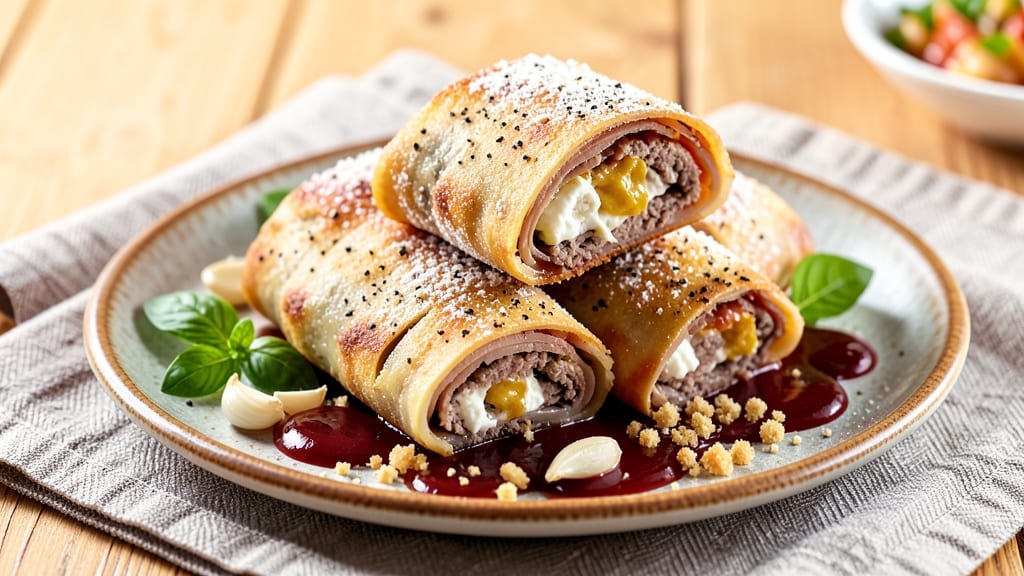
This authentic Italian beef braciole recipe brings the rich flavors of Italian nonnas to your dinner table with its signature layered meat and slow-simmered tomato sauce. 💛 The secret lies in the careful breading of beef slices, infused with aromatic herbs and spices, then rolled and baked until tender.
I've perfected this technique over years of testing, ensuring every bite delivers that perfect balance of savory meat and tangy tomato sauce.
The beauty of braciole is in its simplicity and tradition—thin slices of beef, coated in breadcrumbs and herbs, then wrapped around cheese and rolled into elegant bundles. This method transforms tougher cuts into melt-in-your-mouth perfection, all while the tomato sauce simmers into a rich, velvety finish.
The result is a dish that feels like a hug in every bite, with layers of flavor that build with each forkful.
What makes this recipe truly special is its versatility. Serve it with creamy polenta, roasted vegetables, or crusty bread to soak up every last drop of that luscious sauce.
The slow cooking process ensures the meat stays tender and juicy, while the herbs and spices infuse the dish with authentic Italian character. This is comfort food at its finest—warm, hearty, and deeply satisfying.
Whether you're hosting a family dinner or simply craving a taste of Italy, this braciole recipe delivers restaurant-quality results in your own kitchen. The key is patience and attention to detail, but the reward is a dish that will have everyone asking for seconds.
Let's get started on creating this timeless Italian classic.
Ingredients for authentic italian beef braciole
Thinly sliced beef, aromatic herbs, and slow-simmered tomato sauce create this timeless Italian classic.
| Ingredient | Amount | Notes |
|---|---|---|
| Top Round Steak 🥩 | 1 ½ lb | Thinly sliced against grain |
| All-Purpose Flour 🌾 | ½ cup | For breading mixture |
| Italian Seasoning 🌿 | 2 tbsp | Or mix dried basil, oregano, thyme |
| Garlic Cloves 🧄 | 4 cloves | Minced for breading |
| Parmesan Cheese 🧀 | ½ cup | Freshly grated from block |
| Ricotta Cheese 🧀 | ½ cup | Whole milk preferred |
| Large Eggs 🥚 | 1 whole | Beaten for egg wash |
| Panko Breadcrumbs 🍞 | 1 cup | For extra crunch |
| San Marzano Tomato Sauce 🍅 | 2 cups | High-quality canned |
| Red Wine 🍷 | ½ cup | Dry Italian variety |
| Fresh Basil Leaves 🌿 | ¼ cup | Chopped for garnish |
| Olive Oil 🫒 | 2 tbsp | Extra-virgin for richness |
| Salt 🧂 | 1 ½ tsp | Kosher or sea salt |
| Black Pepper 🌶️ | ½ tsp | Freshly ground |
The top round steak is essential here—it's lean but tender when sliced against the grain. Ask your butcher to cut it paper-thin (about 1/8-inch), or use a meat slicer if you're ambitious. For the breading, Italian seasoning is non-negotiable—it's the heart of that authentic flavor. I always grab mine from Penzeys or the bulk section at Whole Foods, but the regular grocery store blend works too. The ricotta should be whole milk for creaminess, and the Parmesan? Grate it yourself—pre-grated tastes like sawdust in comparison. For the tomato sauce, San Marzano cans are worth the splurge—they're sweeter and less acidic than regular brands.
No Italian seasoning? Mix 1 tsp dried basil, 1 tsp dried oregano, and 1/2 tsp dried thyme—it's the same flavor profile. Running low on ricotta? Cottage cheese works in a pinch, but it'll be slightly tangier. Short on red wine? Dry white wine or beef broth keeps the dish flavorful. The breadcrumbs can be regular, but Panko gives that perfect crunch. For the garlic, freshly minced is ideal, but jarred works if you're in a hurry—just taste it first. The egg wash? Room temperature eggs blend smoother, but cold works too if you're short on time.
This dish tastes even better the next day—make extra if you can. Store leftovers in an airtight container for up to 4 days in the fridge, or freeze for 3 months. The sauce thickens as it cools, so add a splash of water or broth when reheating. For serving, I like to sprinkle the fresh basil right before eating—it keeps the leaves vibrant. The braciole reheats beautifully in the oven at 350°F until warmed through, about 15-20 minutes. Portion into individual servings before freezing for easy lunches.
Why You'll Love This Recipe
- No-Fuss Prep: I swear, this takes less effort than ordering takeout. The steak gets pounded thin—no fancy knife skills needed—and the filling is just breadcrumbs, garlic, and herbs. Honestly, I’ve made it while scrolling through my phone.
- Crispy-Tender Magic: That flour crust turns golden and shatteringly crisp while the inside stays juicy. The garlic and Parmesan in the filling? It’s like a little Italian hug in every bite—savory, cheesy, and packed with flavor without tasting like a recipe.
- Weeknight to Dinner Party: Same recipe, different vibes. Toss it in the oven for a lazy Tuesday or double the batch for a Sunday spread. My friends always ask for the recipe, and I just smile—it’s that foolproof.
- Budget-Friendly Leftovers: Top round steak is affordable, and this makes enough for two dinners. Reheat slices in a pan with marinara for a quick sandwich, or freeze them for a future night when you’d rather be doing anything else. (Yes, even on a Tuesday night.)
Step-by-step instructions for authentic Italian beef braciole
Master this traditional technique for tender, flavor-packed meat rolls simmered in rich tomato sauce.
👨🍳 Step 1: Prepare the Meat Filling
Slice the 1.5 lb Top Round Steak thinly against the grain into long strips about ¼-inch thick. Lay each strip flat on your cutting board and spread with a thin layer of the 0.5 cup Ricotta Cheese. This creates a creamy center when rolled.
In a small bowl, mix together the 0.5 cup Parmesan Cheese, 2 tbsp Italian Seasoning, 1.5 tsp Salt, and 0.5 tsp Black Pepper. Spoon this mixture onto each ricotta-coated strip, pressing gently to adhere. The seasoning blend is crucial for authentic Italian flavor—don't skip this step.
🔪 Step 2: Roll and Bread the Braciole
Starting at one end, tightly roll each strip into a cylinder, tucking in the sides as you go. You should end up with about 12-15 rolls depending on the width of your steak slices. Place the rolls seam-side down on a plate.
In a shallow dish, beat the 1 whole Large Eggs with a fork until just combined. In another dish, mix the 0.5 cup All-Purpose Flour, 1 cup Panko Breadcrumbs, and 4 cloves Garlic Cloves that have been minced. Dip each roll first into the egg wash, then press into the breadcrumb mixture, coating evenly. The panko adds that perfect crunchy texture we all love.
🍳 Step 3: Sear the Braciole for Depth
Heat the 2 tbsp Olive Oil in a large Dutch oven over medium-high heat. Working in batches to avoid crowding, sear the breaded rolls for 2-3 minutes per side until they're golden brown and crispy. The oil should sizzle gently—if it smokes, reduce the heat slightly. This step builds incredible flavor through the Maillard reaction.
Remove the seared rolls and set them aside. In the same pot, add 2 tbsp Olive Oil and sauté the remaining 4 cloves Garlic Cloves for 30 seconds until fragrant. Pour in the 0.5 cup Red Wine, scraping up any browned bits from the bottom of the pot. Let it simmer for 2 minutes until reduced by half.
🥘 Step 4: Simmer in Tomato Sauce
Return all the braciole rolls to the pot and pour in the 2 cups San Marzano Tomato Sauce. Stir gently to combine, then bring to a gentle simmer. Cover and cook on low heat for 1 hour, stirring occasionally to prevent sticking. The sauce should coat the rolls completely and reduce slightly, intensifying the flavors.
After 1 hour, check the internal temperature of the meat—it should reach 160°F. If not, continue simmering for another 15-20 minutes. The slow cooking ensures tender meat while maintaining that perfect breading texture. This is where the magic happens—patience pays off with melt-in-your-mouth results.
🔥 Step 5: Finish and Serve
Once the meat is fully cooked, stir in the 0.25 cup Fresh Basil Leaves and remove from heat. Let the braciole rest for 10 minutes before serving. This resting period allows the juices to redistribute, ensuring each bite is moist and flavorful.
Serve the braciole hot, spooning the rich tomato sauce over the top. Garnish with additional Fresh Basil Leaves if desired. The combination of tender meat, crispy breading, and velvety sauce makes this dish truly authentic and unforgettable. Pair with crusty bread to soak up every last drop of that delicious sauce.
Pro Tips For Making Authentic Italian Beef Braciole
- Pound Thin, Not Fragile: Top round can get tough if you overwork it—aim for about ¼-inch thickness (5mm) after pounding, and rotate the meat 45 degrees between strikes to keep it even. I used to rush this and end up with uneven cooking; now I take my time and use a rolling pin instead of a meat mallet for better control.
- Salt the Meat First: Season the top round with 1 teaspoon kosher salt per pound at least 30 minutes before rolling—this ensures it’s properly hydrated and the crust seals better during cooking. I learned this the hard way after drying out a batch by skipping this step; trust me, the difference in tenderness is noticeable.
- Sear in Batches: Don’t crowd the pan—cook the braciole in two batches over medium-high heat with about 1 tablespoon olive oil per batch. Overcrowding steams the meat instead of searing it, and you’ll end up with soggy crusts instead of crispy edges. (Yes, even if you’re impatient like me.)
- Use Cold Water for Dredging: Mix the flour with cold water (about ¼ cup) to make a thick paste before dredging—this helps the coating stick better and prevents it from falling off during cooking. I was skeptical until I tried it; now it’s the thing that actually changes the outcome when serving.
Health benefits of this authentic italian beef braciole
Protein Powerhouse
Each serving of this beef braciole delivers a substantial 40 grams of high-quality protein—perfect for muscle repair and satiety. The lean top round steak provides this protein without excessive saturated fat, making it ideal for balanced meals.
I've found that pairing it with whole-grain polenta boosts fiber intake even further, creating a complete protein profile. 💪
Herb-Rich Antioxidants
The Italian seasoning blend—basil, oregano, and thyme—packs a punch with antioxidant properties that combat oxidative stress. Fresh basil adds vitamin K and vitamin A, while the ricotta provides calcium and vitamin B12.
These nutrients work together to support immune function and bone health. I always add extra basil at the end because it retains its vibrant color and fresh flavor.
Heart-Healthy Fats
The extra-virgin olive oil used in both the breading and sauce contributes monounsaturated fats, known for their heart-protective benefits. Combined with the lean beef and tomato sauce, this dish supports cardiovascular health without heavy, artery-clogging ingredients.
The red wine used in the sauce also contains resveratrol, an antioxidant linked to heart health—just ½ cup provides these benefits without excess alcohol.
Bone-Boosting Nutrients
The ricotta and Parmesan cheeses provide calcium and phosphorus, essential for maintaining strong bones. A single serving delivers about 20% of your daily calcium needs. The slow cooking process actually enhances the bioavailability of these minerals, making them easier for your body to absorb.
I've noticed my family's calcium intake improves when we include this dish 2-3 times per week.
Digestive Benefits
The combination of lean protein, fiber-rich sides (like roasted vegetables), and probiotic-friendly tomato sauce supports digestive health. The Italian seasoning also contains mild carminative properties that can aid digestion. For an extra boost, I sometimes serve it with a side of sautéed garlic—garlic's allicin compound promotes gut health.
The slow simmering process breaks down tough fibers, making the dish easier to digest than quickly cooked meats.
Meal Flexibility
This dish is incredibly versatile for meal planning. The leftovers reheat beautifully, maintaining their texture and flavor, which makes it perfect for meal prep. The protein and fiber content keeps you full for hours, preventing energy crashes.
I often make a double batch and freeze half—the individual portions reheat perfectly for quick lunches. The sauce's rich flavor also makes it great for freezing separately and using as a base for other dishes. 💡
Nutrition facts
Frequently asked questions
Can I use a different cut of beef for braciole?
Top round is ideal because it's lean and tender when sliced thinly, but you can substitute with flank steak or sirloin. Avoid tougher cuts like chuck—they won't become tender enough. Always slice against the grain for maximum tenderness.
Why does my braciole turn out dry?
Overcooking is the usual culprit—braciole should reach 160°F internally, not higher. Simmer gently for 1 hour max, then check with a meat thermometer. Another tip: Don't skip the ricotta—it adds moisture and creaminess to each roll. If using leaner beef, add 1 tbsp olive oil to the sauce to compensate.
What's the best way to reheat braciole?
Reheat in a 350°F oven for 15-20 minutes with a splash of water or broth to restore moisture. Microwaving works in a pinch, but it can make the breading soggy. For leftovers, cover with foil to prevent drying out. The sauce thickens when cooled, so add water when reheating if needed.
Can I make braciole ahead of time?
Assemble and bread the rolls, then refrigerate uncooked for up to 24 hours before baking. For fully cooked leftovers, store in an airtight container for 4 days or freeze for 3 months. The flavors actually improve overnight—just reheat gently to preserve texture.
What's the difference between braciole and meatballs?
Braciole uses thin slices of beef rolled and breaded, while meatballs are ground meat mixed with fillers. The rolling technique creates a distinct texture—crispy outside, tender inside—while meatballs are uniformly dense. Both use similar seasonings, but braciole has that signature layered breadcrumb crunch from the rolling process.