
Side Dishes
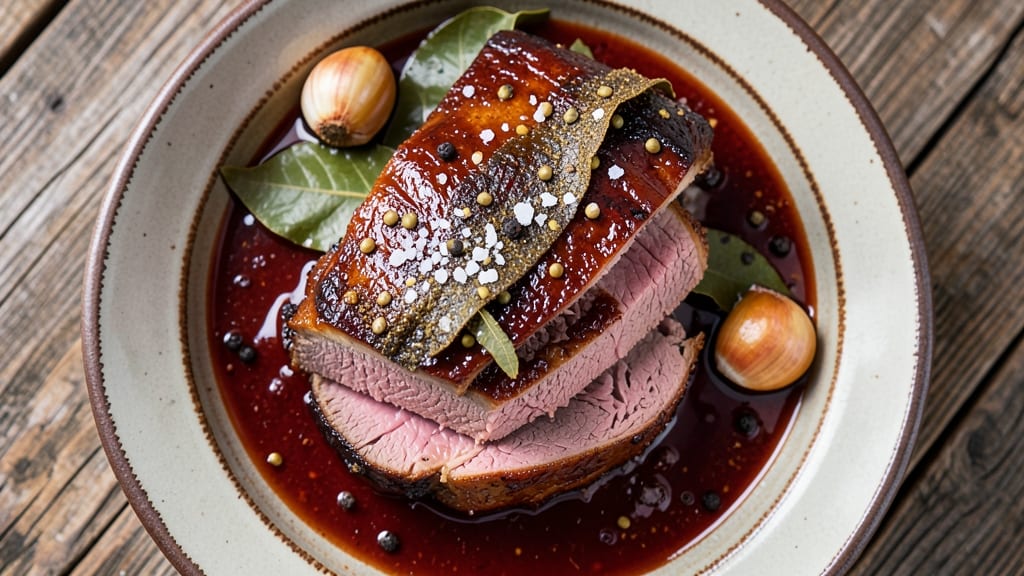
This authentic Irish corned beef recipe brings the rich traditions of Ireland to your table with a slow-braised brisket infused with time-honored spices and tender cabbage. The process begins with curing the beef in a precise blend of salt, sugar, and aromatic spices—just as Irish families have done for generations.
What sets this apart is the patience required: the meat must cure for at least five days, then simmer for hours until fall-apart tender, creating a dish that’s both comforting and deeply rooted in heritage.
The key to authenticity lies in the details: using Irish salt for curing, a generous helping of black peppercorns, and a touch of bay leaf to elevate the flavor profile. The slow braising transforms tough brisket into melt-in-your-mouth perfection, while the cabbage—simmered alongside—absorbs the rich, spiced broth.
This isn’t just a side dish; it’s a centerpiece that carries the warmth of Irish hospitality in every bite.
Once fully braised, the beef rests to allow the juices to redistribute, ensuring each slice is juicy and packed with flavor. Served with buttery mashed potatoes and a slice of fresh soda bread, this dish becomes a celebration of Irish cuisine.
The aroma alone—spiced, savory, and deeply comforting—will transport you to the Emerald Isle, making it the perfect centerpiece for St. Patrick’s Day or any gathering.
For those eager to recreate this tradition, the process is straightforward but requires time and attention to detail. The result? A dish that’s not just delicious, but a testament to the enduring legacy of Irish cooking.
Let’s get started on crafting a meal that honors the past while delighting the present.
Ingredients for authentic irish corned beef
Six ingredients for curing, eight for braising—authentic Irish flavors start here.
| Ingredient | Amount | Notes |
|---|---|---|
| Beef Brisket 🥩 | 4 lb | Whole packer cut, trimmed of fat |
| Irish Sea Salt 🧂 | 1 cup | Coarse grain for curing |
| Granulated Sugar 🍚 | ½ cup | White cane sugar preferred |
| Black Peppercorns 🌶️ | 2 tbsp | Whole, freshly cracked |
| Bay Leaves 🍃 | 4 whole | Dried, high-quality |
| Mustard Seeds 🌿 | 1 tbsp | Yellow or brown |
| Garlic Cloves 🧄 | 8 cloves | Fresh, peeled |
| Green Cabbage 🥬 | 1 whole | Heavier head preferred |
| Carrots 🥕 | 4 whole | Medium size, peeled |
| Onions 🧅 | 2 whole | Yellow or red |
| Beef Broth 💧 | 4 cups | Homemade or high-quality |
| Apple Cider Vinegar 🍎 | ¼ cup | For curing brine |
| Allspice Berries 🌶️ | 1 tsp | Crushed for depth |
| Ground Ginger 🌿 | 1 tsp | Freshly grated preferred |
The brisket is non-negotiable here—look for a whole packer cut with good marbling. Local butchers often have the best quality, but the supermarket will do if it's labeled 'brisket.' Irish sea salt is key; Murphy's or Celtic Sea Salt are reliable brands. The curing process requires patience, so don't rush it. For the spices, Penzeys or bulk bins at specialty stores give you the freshest, most aromatic options. The mustard seeds and allspice berries add layers of complexity that jarred mixes can't replicate.
No Irish sea salt? Diamond Crystal kosher salt works in a pinch—just add an extra pinch since it's finer. Running low on bay leaves? Dried thyme at half the amount gives a similar earthy note. The garlic and ginger can be swapped for garlic powder and ground ginger if fresh isn't available, but fresh is worth hunting down. For the cabbage, green Savoy holds up better than red during braising. The carrots and onions? Baby carrots and pearl onions work too—just adjust cooking time slightly if using smaller sizes.
The cured brisket keeps in the curing brine for 5-7 days in the fridge—don't skip this step. Once braised, it reheats beautifully; portion into containers for 3-4 days of leftovers. The cabbage and carrots can be prepped ahead and stored in the fridge for 3 days before braising. For St. Patrick's Day prep, I always make a double batch—one for the meal, one for sandwiches the next day. The flavors only get better with time.
Why You'll Love This Recipe
- One-Pot Magic: I swear by this recipe—just the brisket, salt, sugar, and peppercorns simmering together in one pot. No chopping, no fuss, and the flavors meld into something rich without extra effort. Honestly, it’s the kind of meal that makes me feel like I’ve earned a break afterward.
- Salt-Sugar Symphony: That balance of Irish sea salt and granulated sugar? It’s what turns tough brisket into melt-in-your-mouth perfection. The sugar caramelizes just enough to give it a subtle sweetness, while the peppercorns add a deep, spicy kick that lingers. Between us, it’s the kind of taste that turns a Tuesday into a “maybe I should wear nicer shoes” night.
- Leftovers That Don’t Suck: Let’s be real—corned beef tastes even better the next day. I make a big batch, slice it thin, and it feeds my family for days: in sandwiches, hash, or even scrambled eggs. (Yes, even on a Tuesday.) Not to mention, the brisket’s cheap cut stretches further than you’d think, so it’s my wallet’s new best friend.
- St. Paddy’s Year-Round: I pull this out for more than just March 17th—game days, lazy Sundays, or when I need to impress someone who thinks “Irish food” only means green beer. The bay leaves add that earthy depth, and the slow cook gives it that restaurant-quality tenderness. It’s my go-to when I want to feel a little bit Irish, no matter the season.
Step-by-step instructions for authentic Irish corned beef
Here's how to transform a simple brisket into Ireland's most beloved comfort dish.
Cure the Brisket Overnight for Maximum Flavor
In a large bowl, combine the 4 lb beef brisket, 1 cup Irish sea salt, 0.5 cup granulated sugar, 2 tbsp cracked black peppercorns, 4 whole bay leaves, 1 tbsp mustard seeds, 8 cloves garlic, 1 tsp crushed allspice berries, and 1 tsp ground ginger. Mix thoroughly with your hands, making sure the salt and spices penetrate all surfaces.
Place the brisket in a non-reactive container and pour in the 0.25 cup apple cider vinegar. Cover and refrigerate for 24 hours, turning the meat occasionally. This curing process creates that signature tangy, spiced flavor that defines authentic Irish corned beef. Don't skip this step—it's what makes this recipe truly special.
Rinse and Prepare the Vegetables
After curing, remove the brisket from the fridge and rinse it thoroughly under cold water to remove excess salt. Pat it dry with paper towels. While the brisket rests at room temperature for 30 minutes, prepare the vegetables: core and quarter the 1 whole green cabbage, peel and slice the 4 whole carrots into 2-inch chunks, and peel and halve the 2 whole onions. The vegetables should be ready to go when you're ready to start cooking.
Here's the thing—traditional Irish recipes often include these vegetables because they complement the rich, spiced beef perfectly. The cabbage softens beautifully during the long braising time, while the carrots and onions add natural sweetness to balance the saltiness.
Sear the Brisket for Deep Flavor
Heat a large Dutch oven over medium-high heat. Add the brisket fat-side down and sear for 5-6 minutes until a deep golden brown crust forms. Flip and sear the other side for another 5-6 minutes. This step is crucial for developing the rich, caramelized flavors that will infuse your beef broth during braising.
Once browned, remove the brisket from the pot and set it aside. In the same pot, add the prepared vegetables and cook them for 5 minutes, stirring occasionally, until they begin to soften slightly. This quick pre-cooking helps develop their flavors before the long braising process.
Braise Until Fork-Tender
Return the brisket to the Dutch oven and pour in the 4 cups beef broth. Bring the mixture to a simmer, then reduce heat to low, cover, and let it cook for 3-4 hours. The key here is patience—the longer it braises, the more tender and flavorful the beef will become. Check occasionally and add a splash of water if the liquid reduces too much.
You'll know it's done when the brisket is fork-tender and pulls apart easily. The vegetables should be soft but still holding their shape. The meat should reach an internal temperature of 200-205°F—this is the perfect range for that melt-in-your-mouth texture that makes Irish corned beef so special.
Rest and Serve with Classic Sides
Once the beef is perfectly tender, remove it from the pot and let it rest for 15-20 minutes. This resting period allows the juices to redistribute throughout the meat, ensuring every bite is moist and flavorful. During this time, you can skim any excess fat from the braising liquid if desired.
Slice the brisket against the grain and serve it with the braised vegetables. Traditional Irish corned beef is often enjoyed with colcannon (mashed potatoes with cabbage) or soda bread, but it's delicious on its own as well. The combination of tender beef, sweet carrots, and slightly tangy cabbage creates a harmonious balance of flavors that's pure comfort food at its best.
Pro Tips For Making Authentic Irish Corned Beef
- USE A POT ROASTER: The brisket needs space to tenderize, not steam in its own juices. A heavy pot roaster or Dutch oven lets you sear the meat first, then simmer it properly—no crowded pot means even cooking and a better crust.
- CRUSH PEPPERCORNS FRESH: Pre-ground pepper loses punch fast. Crack 6-8 whole black peppercorns with a mortar and pestle (or a heavy pan) right before adding them to the brine—this releases oils that penetrate deeper, giving that classic Irish bite.
- SIMMER LOW AND LONG: Start with a hard boil for 30 minutes to dissolve the salt and sugar, but then drop the heat to a gentle simmer. Too much bubbling turns the meat mushy. Cover and let it cook at 180°F (82°C) until fork-tender—rushing this ruins the texture.
- SKIP THE BOILING WATER SHORTCUT: Some recipes tell you to boil the meat first, but that washes away the cured flavor. Instead, submerge the raw brisket in cold brine (with a weight on top) and bring it to a simmer slowly—this keeps the meat juicy and the spices locked in.
Flavor customization for this authentic irish corned beef
Spice Level Control
Adjust the heat by modifying the peppercorns and mustard seeds. For mild flavor, use only 1 tbsp black peppercorns and ½ tbsp mustard seeds. For medium heat, stick to the original recipe.
For bold spice, add 1 tsp cayenne pepper or 1 tbsp crushed red pepper flakes to the curing mix. I’ve found that 1 tsp smoked paprika also adds depth without overpowering. 🌶️
Sweet-Tangy Balance
The apple cider vinegar and sugar create the signature tangy-sweet flavor. For a more tangy profile, increase vinegar to ⅓ cup and reduce sugar to ¼ cup. For a sweeter version, add 1 tbsp brown sugar or 1 tbsp honey to the curing mix.
I once swapped the vinegar for lemon juice—it brightened the flavor but lacked the traditional depth.
Herb Variations
Swap or add herbs to customize the aroma. Replace bay leaves with thyme (use 2 tbsp fresh) for an earthier note. Add 1 tsp coriander seeds for a citrusy twist. For a garlicky kick, increase garlic to 12 cloves or add 2 tbsp garlic powder.
I love adding 1 sprig fresh rosemary during braising for a piney aroma that pairs beautifully with the cabbage. 🍃
Vegetable Swaps
Customize the braising vegetables to suit preferences. Swap carrots for parsnips (peel and slice similarly) for a nuttier flavor. Replace onions with leeks (clean and slice into rounds) for a milder, sweeter taste.
For a lighter texture, add 1 cup green beans or 1 head cauliflower (cut into florets) alongside the cabbage. The cabbage itself can be swapped for red cabbage (add 1 tsp sugar to prevent bitterness).
Slow-Cooker Adaptation
For hands-off cooking, transfer the cured brisket and vegetables to a 6-quart slow cooker after searing. Add 4 cups beef broth and cook on low for 8-10 hours or high for 5-6 hours.
The slow cooker’s gentle heat mimics the Dutch oven’s braising, though you’ll lose some of the caramelized crust. I’ve had great success with this method for weeknight meals—just add a splash of broth if the liquid reduces too much. ⏰
Gravy Enhancements
Use the braising liquid to make a rich gravy. After resting the beef, strain the liquid into a saucepan and simmer for 10 minutes to thicken. For extra depth, whisk in 1 tbsp cornstarch mixed with 2 tbsp cold water.
Add 1 tbsp Dijon mustard or 1 tsp Worcestershire sauce for umami. I’ve also drizzled 1 tbsp Irish whiskey into the pot before simmering—it adds a smoky warmth that complements the corned beef perfectly. 💫
Nutrition facts
Frequently asked questions
Why does authentic Irish corned beef require curing for days?
The curing process (typically 5-7 days) is essential for developing the signature tangy, spiced flavor. The salt and vinegar break down the meat's proteins while the spices penetrate deeply, creating that unmistakable Irish taste. Skipping this step results in a bland, salty dish that lacks the traditional depth.
Can I make corned beef without a Dutch oven?
Yes! Use a heavy pot with a tight-fitting lid. A 6-quart slow cooker works well too—just sear the meat first for flavor. For stovetop alternatives, a large stockpot or even a heavy-bottomed skillet can handle the job if you monitor the liquid levels closely.
How do I know when the beef is fully tender?
The meat is done when it reaches an internal temperature of 200-205°F and easily pulls apart with a fork. A visual test: if the cabbage and carrots are soft but not mushy, and the beef shreds cleanly, it's perfect. Overcooking can make it stringy, so check early to avoid this.
What's the best way to reheat leftover corned beef?
Slice the beef and reheat in a skillet with a splash of beef broth or water over low heat for 5-10 minutes. For the cabbage and carrots, add them to the pan and warm through. Microwaving works in a pinch, but it can make the meat dry. Leftovers keep well for 3-4 days in the fridge.
Can I use pre-cured corned beef from the store?
While it’ll save time, store-bought corned beef lacks the depth of homemade curing. For authenticity, stick to the traditional method. If you must use pre-cured, simmer it in fresh beef broth with extra spices (like 1 tsp allspice berries) to mimic the homemade flavor. The texture won’t be as tender, but it’s a decent shortcut.