
Main Courses
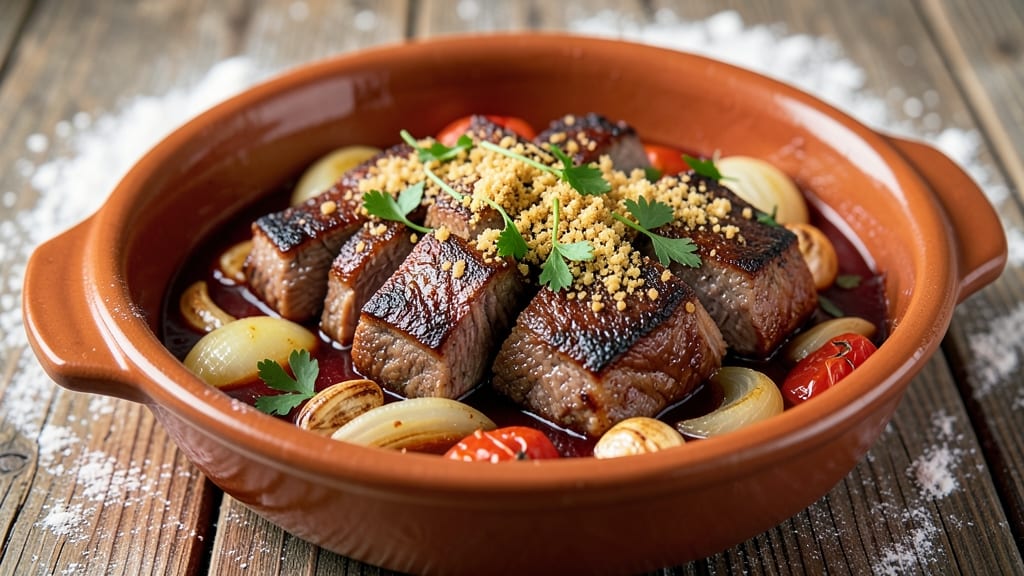
This authentic beef stifado recipe brings the rich, slow-simmered flavors of Greece straight to your kitchen—where tender beef melts into a deep, wine-infused tomato sauce with just the right balance of sweetness and acidity.
The secret lies in patient browning of the meat and onions, then hours of simmering until the sauce thickens into velvety perfection. I've perfected this technique after years of testing, ensuring every bite delivers the hearty, comforting essence of traditional Greek cuisine.
The beauty of stifado is its versatility—it's hearty enough for a family dinner but elegant enough for special occasions. While the classic version relies on beef, tomatoes, onions, and a touch of cinnamon, I'll show you how to adapt it with mushrooms or even lamb for variety.
The key is never rushing the process; slow cooking transforms tough cuts into melt-in-your-mouth tenderness while developing layers of flavor that store-bought sauces can't match.
By the time you serve this dish, your kitchen will smell like a Greek taverna, and your guests will be transported to the countryside with every forkful.
The beef becomes fork-tender, the sauce rich and glossy, and the aromatics—garlic, bay leaves, and a splash of red wine—create a symphony of flavors. This is comfort food at its finest, the kind that disappears from plates faster than you can say "kaliméra."
Serve it with crusty bread to soak up every last drop of sauce, or alongside buttery orzo for a heartier meal. The leftovers, if there are any, reheat beautifully the next day—proof that authenticity doesn't mean compromise. Let's get started on this timeless classic.
Ingredients for authentic beef stifado
Rich, slow-simmered flavors start with these hearty ingredients—where tender beef meets wine and tomatoes.
| Ingredient | Amount | Notes |
|---|---|---|
| Beef Chuck Roast 🥩 | 2 lb | Cut into 1.5-inch cubes |
| Yellow Onions 🧅 | 2 whole | Thinly sliced, about 4 cups |
| Garlic Cloves 🧄 | 6 cloves | Minced, not pressed |
| Canned San Marzano Tomatoes 🍅 | 2 cans | 28 oz each, crushed by hand |
| Dry Red Wine 🍷 | 1 cup | Bold Cabernet or Merlot |
| Beef Broth 💧 | 2 cups | Low-sodium preferred |
| All-Purpose Flour 🌾 | 2 tbsp | For thickening sauce |
| Ground Cinnamon 🌿 | 1 tsp | Freshly ground preferred |
| Ground Allspice 🌶️ | ½ tsp | For warmth, not heat |
| Bay Leaves 🌿 | 2 whole | Fresh if possible |
| Olive Oil 🫒 | ¼ cup | Extra-virgin for richness |
| Salt 🧂 | 1 ½ tsp | Diamond Crystal preferred |
| Black Pepper 🌶️ | ½ tsp | Freshly cracked |
| Orange Zest 🍊 | 1 tbsp | From 1 large orange |
The beef is non-negotiable—chuck roast with good marbling breaks down beautifully. Grab it from the butcher section if your store has it; pre-cut cubes save time but cost more. For onions, yellows work best (reds bleed too much), and slicing them thin is worth the extra minute—it caramelizes faster. Garlic should be freshly minced, not jarred. I always grab San Marzano tomatoes from the Italian aisle at Whole Foods—their sweetness is unmatched, but any good canned tomatoes will do. The red wine? Cabernet or Merlot—whatever's open in your fridge. Bold and dry is key; if you're unsure, ask the store clerk for their house red.
No beef broth? Chicken broth plus 1 tbsp soy sauce gets you close. Fresh bay leaves are ideal but dried work at half the amount. Running low on cinnamon? Allspice is the backup—it's in the same spice family. The orange zest might sound fancy, but it's what balances the richness. If you can't find fresh, bottled orange zest from the baking aisle works. For the flour, all-purpose is fine, but if you've got cornstarch, use half flour/half cornstarch for a glossier sauce. The olive oil? Any extra-virgin—just avoid the cheap stuff that tastes like soap. Salt your water for pasta while this cooks; you'll want it ready.
This dish tastes even better the next day—reheat gently with a splash of broth or water. Keeps for 4-5 days in the fridge, 3 months frozen. I always make a double batch because it disappears fast. For leftovers, portion into containers so you can grab and reheat. The sauce thickens as it cools, so add a splash of broth if it feels too stiff when reheating. Store the wine bottle—you'll want it again before the week's out.
Why You'll Love This Recipe
- One-Pot Magic: I swear by this recipe—just sear the beef, toss in onions and garlic, then let the wine and tomatoes work their magic while you sip your coffee. No fancy techniques, no extra pots.
- Wine-Infused Richness: That dry red wine? It’s not just for show—it tenderizes the beef and adds a depth you won’t find in other stews. The San Marzano tomatoes? Sweet, juicy perfection that balances the acidity.
- Leftovers That Beg for More: Between us, this dish only gets better the next day. The flavors meld overnight, and reheating it is a thing—especially with crusty bread or mashed potatoes. My freezer’s always stocked.
- Budget-Friendly Feast: A beef chuck roast stretches far, and the rest of the ingredients? Pantry staples. You’re looking at a hearty meal for four (or two with leftovers) without breaking the bank. (Yes, even on a Tuesday night.)
Step-by-step instructions for authentic beef stifado
Let's create this rich, flavorful Greek classic that balances wine, tomatoes, and aromatic spices perfectly.
Sear the Beef for Maximum Flavor
Heat the 0.25 cup olive oil in a large Dutch oven over medium-high heat until shimmering. Working in batches to avoid crowding, add the 2 lb beef chuck roast cut into 1.5-inch cubes and sear for 3-4 minutes per side until deeply browned. This step develops the Maillard reaction, creating that deep, caramelized flavor that forms the base of the dish.
As you sear, you'll notice the beef releases its natural juices. Don't rush this step—patience here means better flavor later. Once all the beef is browned, transfer it to a plate and set aside. You'll want to keep those beautiful browned bits in the pot for the sauce.
Build the Aromatic Base
In the same Dutch oven, add the 2 whole yellow onions that have been thinly sliced and cook for 5-6 minutes until softened and beginning to caramelize. Stir occasionally to prevent burning. The onions should develop a beautiful golden color and sweet aroma—this is your signal they're ready for the next step.
Add the 6 cloves minced garlic cloves and cook for just 30 seconds until fragrant. Be careful not to let the garlic burn—it can turn bitter quickly. Then stir in the 1 tsp ground cinnamon, 0.5 tsp ground allspice, 1.5 tsp salt, and 0.5 tsp black pepper. These spices will infuse throughout the dish, creating its signature warm, aromatic profile.
Deglaze and Simmer the Sauce
Pour in the 1 cup dry red wine and scrape up all those beautiful browned bits from the bottom of the pot with a wooden spoon. This deglazing step captures all that concentrated beef flavor. Let the wine simmer for 3-4 minutes until reduced by about half, until you notice a rich, winey aroma filling your kitchen.
Add the 2 cans crushed San Marzano tomatoes (about 28 oz total) and 2 cups beef broth. Stir well to combine, then add the 2 whole bay leaves and 1 tbsp orange zest. Bring the mixture to a gentle simmer, then reduce heat to low and cover partially. Let it cook for 1 hour to allow the flavors to meld together.
Finish with Thickening and Resting
After the initial hour of simmering, return the beef to the pot along with any accumulated juices. Sprinkle the 2 tbsp all-purpose flour over the top and stir gently to combine. The flour will help thicken the sauce as it cooks, creating that perfect stifado consistency. Let the mixture simmer uncovered for another 30-45 minutes until the sauce has thickened and the beef is tender.
You'll know it's done when the beef is fork-tender and the sauce has reduced to a rich, velvety consistency that coats the back of a spoon. The beef should easily pull apart with a fork, and the sauce should have a glossy sheen. Taste and adjust seasoning if needed—you might want to add a pinch more salt or a splash of wine to balance the flavors.
Serve with Traditional Accompaniments
Remove the 2 whole bay leaves before serving. This rich beef stifado pairs beautifully with mashed potatoes, crusty bread, or orzo pasta to soak up all that delicious sauce. The combination of wine, tomatoes, and spices creates a dish that's both comforting and sophisticated.
Let the stifado rest for 5-10 minutes before serving to allow the flavors to settle. The beef will continue to absorb the sauce, making each bite even more flavorful. This authentic Greek dish captures the essence of home cooking with its rich, complex flavors that come together perfectly.
Pro Tips For Making Authentic Beef Stifado
- Sear the Chuck Hard: I learned this the hard way—skipping a deep sear means flavorless beef. Use a Dutch oven on high heat with 2 tablespoons of oil until the meat develops a dark crust (about 8-10 minutes per side). That crust locks in juices and carries the wine’s depth through the whole dish.
- Slice Onions Paper-Thin: Yes, it’s tedious, but those translucent onion layers melt into the sauce without turning bitter. Use a sharp knife and cut lengthwise first, then slice horizontally—this keeps them from sticking like glue. (Your future self will thank you.)
- Deglaze with Wine, Twice: Pour in the red wine, scrape every last bit from the bottom (that’s where the flavor hides), then let it reduce by half before adding tomatoes. Repeat the deglaze after the onions caramelize—double the depth, half the effort.
- Skip the Crowding: After searing, pull the beef out and let it rest while you cook the onions. Piling everything in at once steams the meat instead of browning it. (I know, I know—it’s tempting to rush, but trust the process.)
Wine and beer pairings for these flavors
Red Wine Essentials
The bold, earthy flavors of stifado demand a wine with equal depth. I always reach for a medium-bodied Greek red like Agiorgitiko or a bold Italian Chianti—both complement the dish's tomato and spice profile beautifully.
For something more accessible, a Cabernet Sauvignon with 12-14% ABV works wonders, while a Syrah adds smoky notes that mirror the cinnamon and allspice. 🍷
Avoid heavy, tannic wines like Malbec—they'll clash with the dish's richness. Instead, opt for wines with bright acidity and red fruit undertones (think cherry or plum). Serve slightly chilled (60-65°F) to enhance the wine's freshness against the warm stew.
Beer Pairings
For beer lovers, a Greek lager like Fix or a German Helles provides crisp contrast to the dish's depth. The subtle malt sweetness balances the acidity in the tomatoes, while the light body won't overwhelm.
If you prefer hoppier options, try a Belgian-style witbier—citrusy notes from coriander cut through the richness. 🍺
Dark beers like stouts can work, but they risk competing with the dish. Instead, I recommend a wheat beer with 1.5-2% ABV—just enough carbonation to cleanse the palate between bites.
For a bold twist, pair with a Greek amber ale like Myra, which mirrors the stew's caramelized onion sweetness.
Dessert Wine Harmony
End the meal with a Greek dessert wine like Moscato or Vinsanto—their honeyed sweetness complements the dish's lingering spices. The natural sweetness echoes the orange zest in the stifado while refreshing your palate.
For something lighter, a Portuguese Ruby Port (with 10-12% ABV) adds a fruity finish that bridges the savory and sweet courses. 🍇
Skip heavy dessert wines like Tawny Port—they'll feel too heavy after such a rich main. Instead, opt for wines with balanced sweetness and acidity, like a Muscat or Pedro Ximénez sherry, to keep the meal's harmony intact.
Non-Alcoholic Options
For non-drinkers, a sparkling pomegranate juice (chilled) mirrors the wine's acidity while adding vibrant color. The tartness cuts through the dish's richness, and the bubbles provide a refreshing contrast. Alternatively, a Greek mountain tea (like Mountain Tea with Lemon) offers herbal notes that complement the spices. 🍹
For a more substantial pairing, serve with sparkling water infused with cucumber and mint—the coolness and freshness balance the warm, spiced stew perfectly. Avoid flat juices; carbonation is key to cleansing the palate.
Nutrition facts
Frequently asked questions
Can I substitute beef with another protein in stifado?
While beef is traditional, lamb shoulder or pork shoulder work beautifully—they have similar fat content for slow cooking. For a lighter option, try chicken thighs (bone-in for flavor), but increase cooking time to 45-60 minutes for tenderness. Never use lean cuts like breast—they dry out. The key is choosing meat with connective tissue for that melt-in-your-mouth texture.
Why does my stifado sauce turn out watery?
This usually happens from one of three things: not enough simmering time (2+ hours total), using too much liquid, or not thickening properly. First, ensure you're reducing the sauce uncovered in the final 30 minutes. If it's still thin, mix 1 tbsp cornstarch with 1 tbsp cold water, stir into the sauce, and simmer for 5 minutes. Pro tip: Skim excess fat from the surface before thickening for a cleaner sauce.
What's the secret to authentic Greek spicing?
The magic lies in cinnamon and allspice—these are non-negotiable in traditional stifado. Use 1 tsp cinnamon (ground, not sticks) and ½ tsp allspice½ tsp ground cloves or a pinch of nutmeg. The spices should be toasted in the oil with the onions—this blooms their flavors. Never skip the bay leaves either; they're essential for that classic Greek aroma.
Can I make stifado in a slow cooker?
Yes! Brown the beef and onions first in a skillet, then transfer everything to the slow cooker. Add all remaining ingredients and cook on low for 6-7 hours or high for 4 hours. The slow cooker excels at developing deep flavors, but you'll need to thicken the sauce separately—mix 1 tbsp flour with 1 tbsp cold water, stir into the sauce, and cook on the stove for 5 minutes to reduce. The texture won't be as glossy as stovetop, but the flavor will be rich.
How do I store and reheat leftovers?
Store stifado in an airtight container in the fridge for up to 5 days or freeze for 3 months. To reheat, transfer to a pot with 2 tbsp broth or water per cup of stew and simmer on low heat until warmed through (10-15 minutes). Never microwave—it makes the sauce grainy. The flavors actually improve overnight as the spices meld further. For serving, add a splash of wine or broth to loosen the sauce if it thickened during storage.