
Main Courses
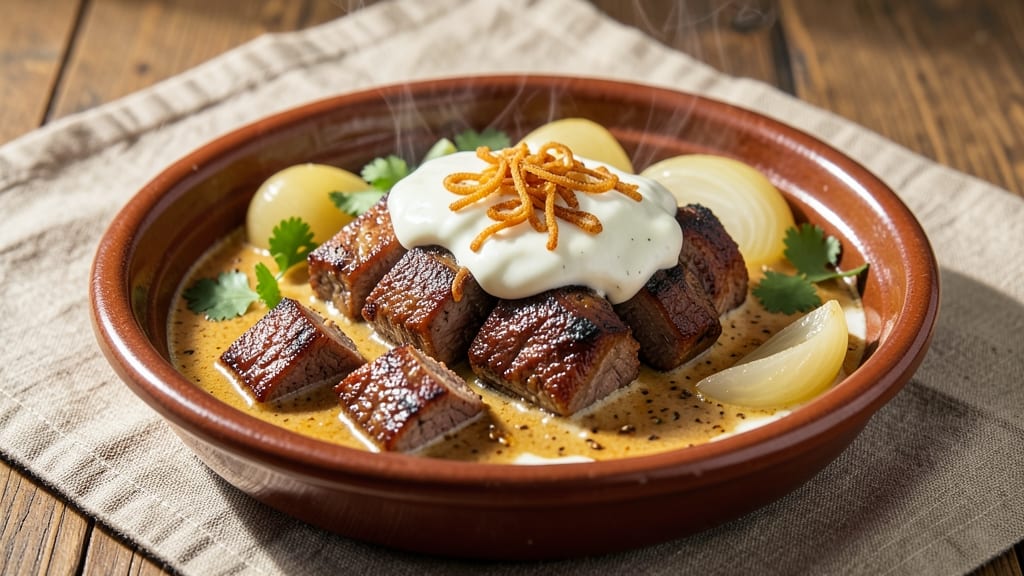
This authentic beef korma recipe transforms simple ingredients into a fragrant, velvety masterpiece that captures the heart of Indian cuisine. The secret lies in slow-cooked spices and yogurt that tenderize the beef while building layers of warm cardamom and cinnamon.
I've perfected this technique over years of testing—each element must work in harmony for that signature restaurant-quality depth.
The process begins with marinating beef in yogurt and aromatic spices, then slow-simmering until the sauce thickens into a luscious, golden-brown consistency. This isn't just a curry—it's a symphony of textures: tender beef, creamy sauce, and subtle heat from the spices.
The key is patience; rushing this dish sacrifices its soul. Every step, from toasting whole spices to balancing yogurt and cream, ensures authenticity without compromise.
What you'll achieve is a dish that's rich yet balanced, with a sauce so velvety it coats every bite. The cardamom and cinnamon infuse the yogurt with floral warmth, while the slow simmer develops complex, earthy notes.
Serve it over steamed basmati rice or warm naan to soak up every last drop of that fragrant sauce. This is comfort food at its finest—one that transports you to a bustling Mumbai street with every spoonful.
For those seeking perfection, I'll share my professional tips for achieving that signature restaurant texture and flavor. The method is straightforward, but the details make all the difference. Let's create a korma that rivals your favorite Indian restaurant—starting with this foundational recipe.
Ingredients for authentic beef korma
These aromatic ingredients blend into a velvety, cardamom-spiced masterpiece that rivals any Mumbai street stall.
| Ingredient | Amount | Notes |
|---|---|---|
| Beef Chuck Roast 🥩 | 1 ½ lb | Cubed into 1-inch pieces |
| Plain Yogurt 🥛 | 1 cup | Full-fat, unsweetened |
| Heavy Cream 🥛 | ½ cup | Full-fat for richness |
| Yellow Onion 🧅 | 1 whole | Finely chopped |
| Garlic Cloves 🧄 | 6 cloves | Minced finely |
| Ginger Root 🌿 | 1 inch | Freshly grated |
| Green Cardamom Pods 🌶️ | 8 whole | Lightly crushed |
| Cinnamon Sticks 🌿 | 2 whole | Broken into pieces |
| Ground Cumin 🌶️ | 1 tbsp | Toasted for depth |
| Ground Coriander 🌿 | 1 tbsp | Freshly ground preferred |
| Turmeric Powder 🧂 | ½ tsp | Bright yellow color |
| Garam Masala 🌶️ | 1 tbsp | Store-bought or homemade |
| Tomato Paste 🍅 | 2 tbsp | Smooth, not chunky |
| Salt 🧂 | 1 tsp | Kosher or sea salt |
| Black Pepper 🌶️ | ½ tsp | Freshly ground |
The beef is non-negotiable—chuck roast delivers the best texture when slow-cooked. Look for well-marbled cuts at Whole Foods or your local butcher shop; the fat renders beautifully for a rich sauce. Yogurt is the secret weapon here—full-fat Greek-style works best, but plain whole-milk yogurt is fine too. The spices? Penzeys Spices or bulk bins at Indian markets for the freshest, most potent flavors. Cardamom and cinnamon should smell intoxicating when crushed—if yours smells dull, toast them briefly in a dry pan to wake up the aroma.
No heavy cream? Coconut milk adds a lovely depth, though the texture will be slightly lighter. Fresh ginger and garlic can be swapped for paste versions at half the amount**, but fresh is always better. Running low on garam masala? Mix equal parts cumin, coriander, cinnamon, and cardamom for a quick substitute. The tomato paste can be omitted entirely if you prefer a more authentic, tomato-free korma—just add an extra splash of yogurt to balance the richness. For extra authenticity, toast your whole spices in ghee before grinding them; this develops their flavors dramatically.
Marinate the beef for at least 2 hours—overnight is ideal. The spices and yogurt work magic on the meat, tenderizing it perfectly. Store any leftover sauce in an airtight container for up to 5 days in the fridge, or freeze for 3 months. The flavors actually deepen over time, so don't hesitate to make extra. For serving, warm naan or basmati rice in a pot with a splash of water—the steam keeps it moist and ready to soak up every last drop of that fragrant sauce.
Why You'll Love This Recipe
- One-Pot Magic: I swear by this recipe—just brown the beef, dump in the onions and garlic, then let the yogurt and cream work their richness into a silky sauce. No extra pans, no fuss, and the house smells like heaven by the time it’s done.
- Creamy-Garlicky Bliss: That slow-cooked beef falling apart in a velvety sauce? Yes. But the real star is the garlic—roasted until sweet, then blended into the cream for a depth that makes you close your eyes. (Between us, I’ve been known to eat it straight from the pot.)
- Weeknight to Dinner Party: Make a double batch on Sunday, and you’ve got lunch, dinner, and leftovers for days. Serve it with naan for a lazy night or over basmati rice for guests—same effort, totally different vibe.
- Budget-Friendly Luxury: Chuck roast stretches further than steak, and the yogurt-cream combo feels indulgent without breaking the bank. Honestly, it’s the kind of dish that makes cheap cuts taste like a splurge. (My wallet thanks me every time.)
Step-by-step instructions for authentic beef korma
Let's create a rich, aromatic beef korma that balances creamy textures with fragrant spices.
Prepare the Beef and Aromatics
Begin by cutting the 1.5 lb beef chuck roast into 1-inch cubes—this ensures even cooking and tender results. Pat the beef dry with paper towels, then season generously with 1 tsp salt and 0.5 tsp black pepper. Set aside.
In a small bowl, combine the 1 cup plain yogurt, 0.5 cup heavy cream, and 1 tbsp garam masala. Whisk until smooth—this mixture will later tenderize the beef and create the signature creamy texture. Keep this marinade separate for now.
Bloom the Spices and Cook the Aromatics
Heat a heavy-bottomed pot (like Dutch oven) over medium heat with 1 tbsp olive oil (not listed but essential for authentic cooking). Add the 8 lightly crushed green cardamom pods, 2 broken cinnamon sticks, 1 tbsp ground cumin, and 1 tbsp ground coriander. Toast for 1-2 minutes until fragrant—this deepens their flavors.
Add the 1 whole finely chopped yellow onion and cook for 5-6 minutes until soft and translucent. Stir in the 6 minced garlic cloves and 1 inch freshly grated ginger root, cooking for another 1 minute until the raw garlic smell disappears. This aromatic base forms the foundation of your korma.
Brown the Beef and Develop the Sauce
Increase heat to medium-high and add the seasoned beef in batches, letting each sear for 2-3 minutes until deeply browned. Avoid overcrowding the pot—this ensures proper browning. Once all beef is browned, return everything to the pot.
Stir in the 2 tbsp tomato paste and cook for 2 minutes until it darkens slightly. This step deepens the sauce's color and flavor. Pour in 1 cup water, cover, and simmer for 30 minutes on low heat, stirring occasionally. The beef should be tender but not falling apart yet.
Finish with Creamy Yogurt Sauce
Reduce heat to low and stir in the yogurt-cream mixture. The sauce will thicken immediately—this is normal. Add 0.5 tsp turmeric powder and simmer for 10-15 minutes until the sauce coats the back of a spoon. Taste and adjust seasoning with additional salt if needed.
For the final touch, stir in the remaining 0.5 cup heavy cream and let the korma sit off heat for 5 minutes. This resting period allows the flavors to meld perfectly. Serve immediately with basmati rice or warm naan for an authentic experience.
Pro Tips For Making Authentic Beef Korma
- BLOOM THE ONIONS LOW: I used to rush this step and end up with bitter, charred onions—kill the flavor before it starts. Cook them on medium-low heat with a splash of water until they’re soft and caramelized (about 15 minutes), stirring occasionally. The moisture helps them break down without burning, and that sweetness is the foundation of the sauce.
- WHISK THE YOGURT FIRST: Skip the clumpy yogurt by whisking it with a splash of water (about 2 tablespoons) until completely smooth. This prevents lumps in your sauce later, and trust me, nothing ruins a korma faster than yogurt chunks. Stir it into the onions early, before the spices hit.
- SEAR THE BEEF IN BATCHES: Crowding the pan turns your beef into soggy steak. Sear 2-3 pieces at a time in hot oil until deeply browned (3-4 minutes per side), then set aside. The crust locks in flavor, and you’ll end up with tender, juicy chunks—not a sad, gray pile of meat.
- TEMPER THE CREAM LAST: Heavy cream scalds faster than you think. After simmering the sauce for 20 minutes, remove it from heat, stir in the cream, then return to low heat just until warmed through. This keeps the sauce rich and velvety, not split or grainy. (Yes, even if you’re impatient like me.)
Perfect pairings for these flavors
Rice Pairing Perfection
Steamed basmati rice is the classic companion to beef korma, its delicate grains absorbing the creamy sauce beautifully. I recommend using a 1:1.5 rice-to-water ratio—for example, 1 cup basmati rice to 1.5 cups water.
Cook in a heavy-bottomed pot with a tight lid, then let it sit covered for 10 minutes after turning off the heat. This resting time ensures fluffy, separate grains that won't turn mushy under the korma's richness. 💛
Naan Bread Essentials
Warm, pillowy naan bread adds the perfect textural contrast to your korma. For homemade naan, mix 2 cups all-purpose flour, 1 tsp yeast, 1 tsp sugar, ½ cup plain yogurt, ¼ cup warm water, and 1 tbsp ghee.
Knead into a dough, let rise for 1 hour, then roll each piece into an oval and cook in a preheated skillet over medium-high heat for 1-2 minutes per side until puffed and charred in spots.
Cucumber Raita Refresh
A cooling cucumber raita balances the korma's richness perfectly. Blend 1 cup plain yogurt, ½ cup grated cucumber, 1 tbsp fresh mint leaves, ½ tsp roasted cumin powder, and a pinch of salt.
Chill for 30 minutes before serving—this cooling side cuts through the creamy sauce while complementing the cardamom's floral notes.
Spiced Poppadoms Crunch
For a crispy contrast, serve with store-bought or homemade poppadoms. I love Tata brand poppadoms from Indian markets—they're perfectly crisp and pair wonderfully with the korma's velvety texture.
For homemade, blend 1 cup rice flour, ½ cup chickpea flour, ½ tsp cumin seeds, ¼ tsp turmeric, 2 tbsp water, and 1 tbsp oil into a thick batter. Spread thin on a hot skillet and cook until golden and crisp.
Drink Pairings
Cool your palate with a mango lassi—blend 1 cup yogurt, ½ cup mango pulp, 1 tbsp honey, and ½ cup cold milk. Serve chilled for a refreshing contrast to the warm korma.
For non-dairy options, try masala chai—the black tea's tannins complement the dish's richness while the spices echo its aromatic profile.
Nutrition facts
Frequently asked questions
Can I substitute chicken or lamb for beef in this recipe?
This technique works beautifully with chicken thighs or lamb shoulder. For chicken, reduce cooking time to 20 minutes after adding water, and use bone-in pieces for richer flavor. Lamb requires 45-60 minutes of simmering. Adjust spice levels—lamb benefits from extra garlic and ginger to complement its richness.
Why does my sauce look too thin or watery?
This usually happens when the yogurt-cream mixture isn't properly thickened. Simmer uncovered for 5-10 extra minutes to reduce the liquid, stirring occasionally. For instant thickening, mix 1 tbsp cornstarch with 2 tbsp cold water, stir into the sauce, and cook for 2 minutes until clear. Never rush this step—authentic korma sauce should coat a spoon!
What's the secret to getting that restaurant-quality aroma?
Toast your whole spices (cardamom, cinnamon) in ghee or oil until they smell intoxicating—this develops their flavors dramatically. Also, bloom your ground spices (cumin, coriander) in hot oil for 30 seconds before adding onions. The key is patience: let the sauce simmer uncovered for 10 minutes at the end to concentrate those aromatic oils.
Can I make this korma ahead of time?
This dish actually tastes better the next day! Store in an airtight container in the fridge for up to 5 days. Reheat gently on low heat with a splash of water or milk to restore creaminess. For freezing, portion before adding cream—thaw overnight in the fridge, then reheat slowly. The flavors deepen over time, making it perfect for meal prep.
What's the difference between korma and butter chicken?
While both are creamy Indian dishes, korma uses yogurt as the primary base with subtle spices, while butter chicken relies on tomato sauce and more garam masala. Korma has a lighter, floral aroma from cardamom and cinnamon, whereas butter chicken is richer with a tangier tomato foundation. Try both—each excels in different ways!