
Main Courses
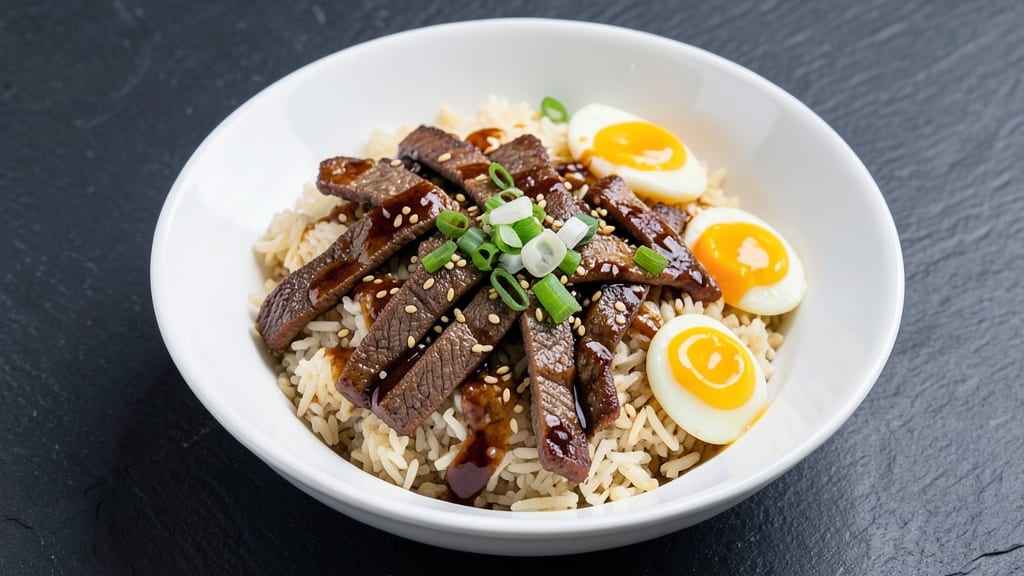
This authentic beef fried rice delivers the smoky, umami-packed flavors of a Chinese wok house—crispy edges on each grain, tender beef, and a sauce that clings perfectly without sogginess. The secret lies in high-heat wok tossing and proper rice texture, which transforms day-old rice into a chewy yet distinct base.
I've perfected this technique over years of testing, ensuring every bite captures that restaurant-quality wok hei—the elusive smoky aroma that makes fried rice unforgettable.
What sets this recipe apart is the balance of ingredients: a precise ratio of light soy sauce to dark for depth, a quick egg scramble that coats the rice for even cooking, and thinly sliced beef that stays tender despite the high heat.
The key steps—par-cooking the beef, using day-old rice, and maintaining a fast stir-fry rhythm—are non-negotiable for authenticity. This isn't just fried rice; it's a dish that transports you to a bustling Cantonese kitchen with every bite.
By the time you're done, you'll have a perfectly textured bowl of fried rice with distinct grains, caramelized beef, and a sauce that's savory without being salty.
The aroma alone will have everyone gathering around the table, and the first bite delivers that satisfying contrast of crispy edges and tender centers. This is the kind of dish that becomes a weekly staple—once you taste the difference, store-bought rice will never compare.
Serve it as a main course with a side of steamed greens or a simple cucumber salad to balance the richness. The leftovers reheat beautifully, making it an ideal meal prep option for busy weeks. Let's get started on creating your restaurant-worthy fried rice at home.
Ingredients for authentic beef fried rice
Four cups of day-old rice, tender beef, and a perfect sauce ratio—this is your wok house shortcut.
| Ingredient | Amount | Notes |
|---|---|---|
| Day-Old Cooked Jasmine Rice 🍚 | 4 cups | Cold, separate grains preferred |
| Flank Steak 🥩 | ¾ lb | Thinly sliced against grain |
| Large Eggs 🥚 | 3 whole | Freshly beaten for scramble |
| Light Soy Sauce 🍶 | ½ cup | Kikkoman preferred for balance |
| Dark Soy Sauce 🍶 | 1 tbsp | For rich umami depth |
| Oyster Sauce 🍶 | 2 tbsp | Lee Kum Kee brand recommended |
| Sesame Oil 🫒 | 1 tbsp | Toasted for aroma |
| Garlic Cloves 🧄 | 4 cloves | Minced for even distribution |
| Fresh Ginger 🌿 | 1 tbsp | Finely grated, peeled |
| Green Onions 🧅 | ½ cup | Sliced, white and green parts |
| Vegetable Oil 🫒 | ½ cup | High smoke point preferred |
| White Pepper 🌶️ | ¼ tsp | Freshly ground for heat |
| Salt 🧂 | ½ tsp | Adjust to taste |
| Cornstarch 🌾 | 1 tbsp | For tenderizing beef |
The rice is non-negotiable—day-old works best because it's drier and separates into distinct grains. Jasmine rice is ideal, but any long-grain white rice will do. For the beef, flank steak is my go-to because it's lean yet tender when sliced thinly against the grain. If you can't find flank, sirloin or ribeye work too, but slice them paper-thin. The soy sauces are where the magic happens: light soy for brightness and dark soy for depth. I always grab Kikkoman light soy and Lee Kum Kee oyster sauce—they're the gold standards for this dish. Fresh ginger and garlic? Buy them whole and grate/mince just before cooking—they lose flavor fast once prepped.
No flank steak? Chuck roast or even pre-cooked rotisserie chicken works in a pinch (just shred it). Running low on sesame oil? Toasted peanut oil adds a different but delicious nutty depth. The cornstarch is a game-changer—toss the beef slices in it before cooking to keep them tender. If you're short on green onions, scallions or chives work, but green onions have that perfect crisp bite. The white pepper is key for that authentic wok house heat—don't skip it. And if you're worried about the sauce being too salty, start with less soy sauce and adjust at the end. Trust me, you can always add more, but you can't take it out.
This dish tastes even better the next day—make extra if you can. Store leftovers in an airtight container in the fridge for up to 4 days, or freeze for 3 months. I like to portion it into containers with a little extra sauce on top so it reheats beautifully. The rice will dry out if you microwave it, so I recommend using a steamer basket or covering it with a damp paper towel. For meal prep, double the recipe and freeze half—just thaw and reheat for an easy weeknight dinner.
Why You'll Love This Recipe
- No Chopping Needed: I swear by using day-old jasmine rice—it’s already dry and separate, so no soggy mess. Just toss in whatever flank steak scraps you have (or a quick sear on the cheap cut) and let the wok do the work.
- Umami Bomb: That combo of light and dark soy sauce? Chef’s kiss. The dark sauce caramelizes into sticky pockets while the light keeps it bright—plus, the eggs add that perfect runny center. One bite and you’ll forget takeout exists.
- Leftover Hero: Between us, this dish begs to be made extra. The flavors deepen overnight, and reheating a portion is faster than ordering in. (Yes, even on a Tuesday night when you’re exhausted.)
- Budget Flex: Flank steak stretches like crazy, and eggs add richness without breaking the bank. Honestly, I make this when I’m pinching pennies—it’s the kind of meal where the taste makes up for whatever I’m not spending.
Step-by-step instructions for wok-tossed beef fried rice
Here's how to create restaurant-quality fried rice with tender beef and perfectly separated grains.
Marinate and Prep the Flank Steak
Place the 0.75 lb flank steak in a bowl and sprinkle with 1 tablespoon cornstarch, massaging it into the meat. This tenderizes the beef and helps it stay juicy during cooking. Cut the steak against the grain into thin strips about ¼-inch thick—this ensures each bite is tender. In a small bowl, whisk together 0.5 cup light soy sauce, 1 tablespoon dark soy sauce, 2 tablespoons oyster sauce, 0.25 teaspoon white pepper, and 0.5 teaspoon salt. Pour half of this marinade over the steak and let it sit for 15 minutes at room temperature. The cornstarch will start to form a light coating, while the marinade infuses the beef with deep umami flavor.
While the steak marinates, prepare the remaining ingredients. Mince the 4 cloves garlic cloves and finely grate the 1 tablespoon fresh ginger. Slice the 0.5 cup green onions into 1-inch pieces, separating the white and green parts. Crack the 3 whole large eggs into a bowl and beat them lightly with a fork—just until the yolks and whites are combined. The eggs should be at room temperature for even cooking.
Scramble the Eggs and Sear the Beef
Heat a wok or large skillet over high heat until it's smoking slightly. Add 2 tablespoons vegetable oil and swirl to coat the pan. Pour in the beaten eggs and let them sit undisturbed for 5-7 seconds—this creates a slightly firmer base for the fried rice. Using a spatula, push the eggs to one side of the wok and scramble them gently until just set but still slightly runny. Remove the eggs and set them aside on a plate.
In the same wok, add another 1 tablespoon vegetable oil and increase the heat to high. Add the marinated steak strips in a single layer and sear for 1-2 minutes until they develop a golden crust. Flip the strips and cook for another 30 seconds—the cornstarch coating will help them crisp up beautifully. Remove the beef and set it aside with the eggs. The steak should be cooked through but still tender, not chewy.
Stir-Fry Aromatics and Combine Ingredients
Return the wok to high heat and add the remaining 2 tablespoons vegetable oil. Toss in the minced garlic cloves and fresh ginger, stirring for 10-15 seconds until fragrant—don't let them burn, or they'll turn bitter. Add the white parts of the green onions and stir for another 20 seconds to soften slightly. Here's where the magic happens: pour in the remaining ½ cup light soy sauce, 1 tablespoon dark soy sauce, and 2 tablespoons oyster sauce, scraping up any browned bits from the bottom of the wok. These bits are packed with flavor, so don't skip this step.
Add the 4 cups day-old cooked jasmine rice to the wok, breaking up any clumps with your spatula. The rice should sizzle and separate immediately. Toss vigorously for 1-2 minutes, letting the heat work through the grains. If the rice starts to stick, add a splash of water—just enough to keep it loose. The grains should be hot and slightly sticky but not mushy.
Finish with Beef, Eggs, and Sesame Oil
Return the seared beef strips and scrambled eggs to the wok, tossing everything together for 30-45 seconds to heat through. The beef should be warmed through but still tender, and the eggs should be just heated. Sprinkle the green parts of the green onions over the top and drizzle in the 1 tablespoon sesame oil. Toss one last time to coat everything evenly—the sesame oil adds a nutty aroma and ties all the flavors together.
Taste and adjust the seasoning if needed. The fried rice should be savory, slightly sweet from the soy sauces, and umami-rich from the oyster sauce. If it's too salty, a splash of water can help balance the flavors. Serve immediately, garnished with extra green onions if desired. The rice should be hot, the beef tender, and the grains perfectly separated—just like in your favorite Asian restaurant.
Pro Tips For Making Authentic Beef Fried Rice
- SEAR THE STEAK FIRST: Cook the flank steak in a separate pan until it hits 145°F (63°C) before dicing—this guarantees tender, juicy bites that won’t turn to mush when stir-fried. I used to toss it in raw, and the texture was always disappointing. A quick sear in a hot pan with a splash of oil makes all the difference.
- BREAK THE RICE DRY: Spread the day-old rice on a tray and let it sit uncovered for 10 minutes before cooking—this removes excess moisture so it sizzles instead of steams. I learned this the hard way after making a soggy pile from rice that was still clinging together.
- SCRAMBLE EGGS SEPARATELY: Push the eggs to one side of the pan and let them set into a soft curdle before mixing—this keeps them distinct and fluffy instead of turning into a sticky mass. Overmixing is the fastest way to ruin the texture of fried rice.
- SAVE THE SOY SAUCE: Mix light and dark soy sauce in a small bowl first, then add it at the very end—this prevents the dark sauce from turning the rice gray prematurely. I used to dump it all in early, and the dish always looked dull. A little timing goes a long way.
Troubleshooting your authentic beef fried rice
Mushy Rice Fix
If your fried rice turns out mushy, it’s almost always from using fresh rice or not enough heat. Day-old rice is non-negotiable—its drier texture holds up to high heat. For fresh rice, spread it on a tray and refrigerate for 30 minutes to dry it out.
Also, ensure your wok is screaming hot before adding rice. If it starts sticking, toss in 1-2 teaspoons of water and keep moving it vigorously. The goal is separated grains, not a gluey mess. 🔥
Soggy Beef Solution
Tender but soggy beef usually means overcooking or not prepping it right. First, slice against the grain and coat with cornstarch (as in the recipe) to create a protective barrier. When searing, cook in one layer for 1-2 minutes max—don’t crowd the pan.
Remove beef just before it’s fully done and finish it in the wok with the rice. If it’s still tough, try soaking in cold water for 10 minutes before cooking to break down fibers. 🥩
Sauce Too Salty?
Too much soy sauce? Don’t panic—a splash of water (1-2 tbsp) dilutes the saltiness while keeping the umami. For a quicker fix, add ½ cup steamed peas or corn to bulk up the dish.
If you’re prepping ahead, reduce the soy sauce by 10% in the marinade and add it gradually at the end. Taste as you go! The dark soy sauce adds depth, so don’t skip it entirely—just balance it with light soy. 💡
Burnt Aromatics
Garlic and ginger burn fast—they’re done in 10-15 seconds on high heat. If they turn bitter, start with less oil (just enough to coat the pan) and lower the heat slightly.
For extra flavor without burning, blanch the garlic and ginger in boiling water for 30 seconds before stir-frying. This mellows their sharpness while keeping the aroma intact. 🌿
Eggs Too Dry
Overcooked eggs make fried rice taste bland. Scramble them just until set (soft curds) and remove them immediately when they’re done. If they’re too dry, stir in 1 tsp water or a splash of oyster sauce when combining with the rice.
For extra creaminess, add 1 tbsp butter to the wok when tossing everything together. 🥚
No Wok? No Problem
A cast-iron skillet or stainless steel wok pan works just as well—just make sure it’s heavy and gets hot fast. If your pan isn’t wide enough, cook in batches: scramble eggs, sear beef, and stir-fry aromatics separately, then combine at the end.
For extra wok hei (smoky flavor), crack the lid slightly while cooking to let steam escape. 🔥
Nutrition facts
Frequently asked questions
Why does the recipe call for day-old rice instead of fresh?
Day-old rice has drier, separated grains that hold up to high-heat stir-frying without turning mushy. Fresh rice contains too much moisture and steams instead of crisping. If you only have fresh rice, spread it on a tray and refrigerate for 30 minutes to dry it out before using.
Can I use ground beef instead of flank steak?
Ground beef works but won't give the same texture. For authenticity, use thinly sliced flank steak (or sirloin) cut against the grain. If you must use ground beef, brown it first with 1 teaspoon cornstarch mixed in to prevent mushiness. The flavor will be different but still delicious.
How do I get that smoky wok hei flavor without a wok?
Use a cast-iron skillet or stainless steel pan and crank the heat to maximum. Crack the lid slightly while cooking to let steam escape, which mimics wok hei. For extra aroma, add ½ teaspoon smoked paprika or a tiny bit of sesame oil at the end.
What's the best way to reheat leftover fried rice?
Reheat in a steamer basket over boiling water for 2-3 minutes to restore crispy edges. Avoid microwaving—it makes rice soggy. For extra flavor, add 1 teaspoon soy sauce and ½ teaspoon sesame oil before reheating. Leftovers keep for 4 days in the fridge.
Is this recipe vegetarian-friendly?
Not traditionally, but you can swap beef for tofu or mushrooms (shiitake works best). Replace oyster sauce with vegetarian soy sauce or mushroom sauce. The egg adds richness, but you could use silken tofu scrambled instead. The core technique remains the same!