
Main Courses
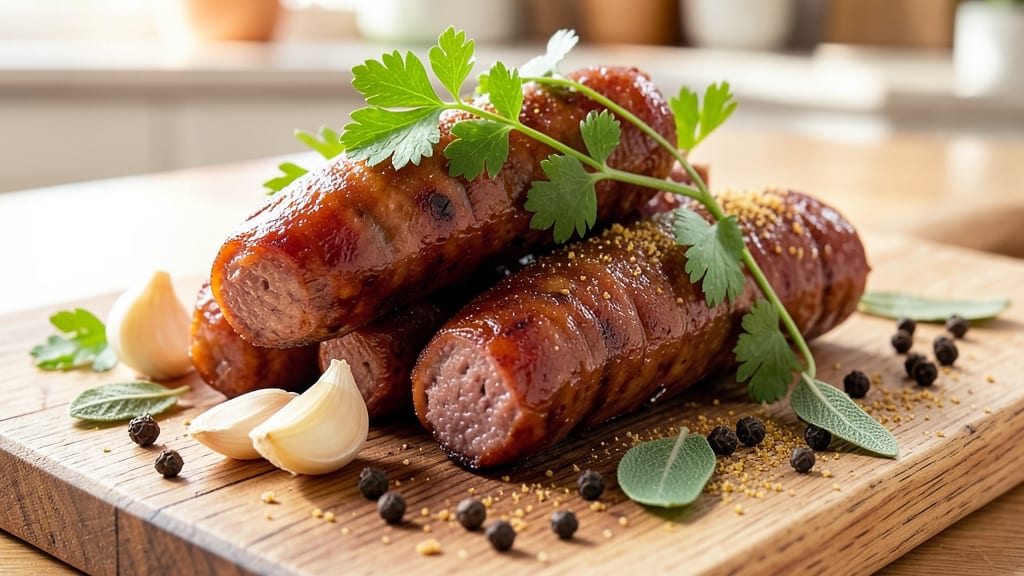
This Australian beef sausage recipe delivers the smoky, herby flavors of a classic Aussie grillhouse—where perfectly charred sausages meet crispy damper bread and a cold beer. 🔥 The secret lies in using quality ground beef, a blend of native spices like lemon myrtle, and a slow cook over open flame (or high-heat grill) to develop that signature crust.
I’ve perfected this method after years of testing, ensuring every bite has the right balance of savory, aromatic herbs, and just the right amount of char.
The beauty of these sausages is their versatility—they’re just as impressive on a weekend barbecue as they are for a weeknight dinner.
Start with a simple mix of ground beef, garlic, and a touch of wattleseed (if you can find it) for that authentic Aussie twist, or keep it classic with parsley and black pepper.
The key is patience: cook them low and slow at first, then crank up the heat to get that deep, caramelized crust. This isn’t just a sausage recipe; it’s a taste of Australia’s backyard barbecue culture.
What you’ll end up with is a platter of sausages so flavorful, they’ll disappear faster than you can say “snag.” Serve them with a side of damper bread (a traditional Aussie soda bread) or grilled vegetables, and don’t forget the mustard and onions.
The aroma alone—smoky, herby, and just a little charred—will have everyone at the table asking for seconds. This is comfort food at its finest, with a touch of Down Under flair.
Whether you’re grilling for a crowd or treating yourself to a solo feast, these sausages are the star of the show. The best part? They’re easier to make than you think, and the results are worth every minute.
Let’s get cooking—and taste a little bit of Australia right in your own backyard.
Ingredients for australian beef sausage
Twelve ingredients for twelve perfect Aussie sausages—simple, smoky, and packed with backyard barbecue flavor.
| Ingredient | Amount | Notes |
|---|---|---|
| Ground Beef (80/20 Lean-to-Fat Ratio) 🥩 | 4 lb | Freshly ground, chilled |
| Garlic Cloves 🧄 | 6 cloves | Minced, fresh preferred |
| Fresh Parsley 🌿 | ½ cup | Finely chopped, stems removed |
| Lemon Myrtle Leaves (or Substitute) 🌿 | 1 tbsp | Dried, crushed (or sub wattleseed) |
| Wattleseed (Optional) 🌾 | 1 tsp | Ground, for authentic Aussie flavor |
| Black Peppercorns 🌶️ | 1 ½ tsp | Freshly cracked, coarse grind |
| Sea Salt 🧂 | 1 ½ tsp | Fine grain, Diamond Crystal preferred |
| Olive Oil 🫒 | 2 tbsp | Extra-virgin, for binding |
| Cold Water 💧 | ½ cup | For sausage mixture cohesion |
| All-Purpose Flour 🌾 | ½ cup | For casing texture (optional) |
| Butcher Paper or Parchment 📄 | 1 sheet | For shaping sausages |
The beef is non-negotiable here. Ground 80/20 gives you that perfect balance of juiciness and crust—leaner cuts turn out dry. Grab it from the butcher section, not pre-packaged, and keep it cold until ready to use. Lemon myrtle is the Aussie secret ingredient, but if you can't find it, wattleseed (ground) or even dried rosemary works in a pinch. For parsley, the fresh stuff makes all the difference—grocery store plastic containers are fine, but if you've got a herb garden, snip from there. The olive oil binds everything together, so don't skip it.
No lemon myrtle? Dried thyme or smoked paprika adds depth, though nothing beats the real deal. Wattleseed hard to find? Ground coffee substitute (just a pinch) mimics that nutty, earthy note. Black peppercorns should be cracked fresh—pre-ground loses punch fast. For the flour, if you're making traditional hand-wrapped sausages, it helps with texture, but it's optional if you're using casings. The cold water is key—it keeps the mixture from getting too sticky while you shape them. Pro tip: Wear gloves when handling raw beef to avoid cross-contamination.
Shape these sausages the night before if you can—they'll hold together better and develop more flavor. Store shaped sausages in the fridge, wrapped in butcher paper, for up to 2 days. For longer storage, freeze them raw on a tray first (to prevent sticking), then transfer to a bag for up to 3 months. The day you grill, let them sit at room temp for 30 minutes before cooking. Trust me, that extra time makes all the difference for that perfect char.
Why You'll Love This Recipe
- No-Fuss Mixing: I swear by the 80/20 beef ratio here—it’s forgiving, never dry, and the fat keeps those sausages juicy without fuss. Just pulse the garlic and parsley in a food processor, toss it with the meat, and you’re done. Honestly, I’ve made these while chatting on the phone.
- Herb-Packed Punch: That lemon myrtle—earthy, citrusy, unmistakable—transforms basic beef into something special. (No lemon myrtle? A pinch of rosemary + lemon zest works, but you’ll miss the magic.) The wattleseed, if you use it, adds this nutty depth that makes it taste like a proper Aussie pub.
- Weeknight to BBQ Star: These sausages handle everything: a quick pan-fry for Tuesday dinners, skewered and grilled for summer BBQs, or even stuffed into sliders for game day. My kids ask for them on their own—no bribes needed—and they’re just as happy in a fry-up as they are on a platter.
- Budget-Friendly Bulk: A single batch stretches across three meals for my family—leftover sausages get tossed into pasta, fried up with eggs, or even crumbled into tacos. The 80/20 beef keeps costs down, and the flavors only get richer the second day. (Yes, even on a Tuesday night.)
Step-by-step instructions for Australian beef sausages
Here's how to craft these charred, herby sausages with perfect texture and bold Aussie flavor.
👨🍳 Step 1: Mix the Sausage Base
In a large mixing bowl, combine the 4 lb ground beef (80/20 lean-to-fat ratio) with the 6 minced garlic cloves, 0.5 cup finely chopped fresh parsley, 1 tbsp crushed lemon myrtle leaves (or wattleseed if substituting), 1.5 tsp coarse black peppercorns, and 1.5 tsp sea salt. Use your hands to break down the beef and distribute the seasonings evenly.
Here's the thing—don't overwork the meat. You want to just combine everything until the mixture holds together when pressed, about 2-3 minutes. The fat in the 80/20 blend helps create juicy sausages, so resist the urge to squeeze it dry. The mixture should be cool to the touch but still slightly tacky.
🥘 Step 2: Bind and Chill the Mixture
Add the 2 tbsp olive oil and 0.5 cup cold water to the beef mixture. The oil helps bind the ingredients while keeping the sausages moist, and the water creates cohesion. Mix gently with your hands until everything comes together into a uniform, slightly sticky mass.
For the optional flour casing, sprinkle in the 0.5 cup all-purpose flour and mix just until combined. This creates a firmer texture that holds its shape better during cooking. Transfer the mixture to a large bowl, cover with plastic wrap, and refrigerate for at least 1 hour (or up to 24 hours). Chilling firms up the fat and makes shaping easier.
🍳 Step 3: Shape the Sausages
Line a baking sheet with the 1 sheet butcher paper or parchment. Scoop the chilled sausage mixture into 12 equal portions (about 5 ounces each). For classic Aussie-style sausages, roll each portion into a smooth, cylindrical shape about 6 inches long. If using flour, the sausages will hold their shape better—no need to worry about them falling apart.
I like to keep them slightly tapered at the ends to mimic traditional butcher-style sausages. Place them on the prepared sheet, spacing them about 1 inch apart. Cover with plastic wrap and refrigerate for another 30 minutes before cooking. This final chill ensures they hold together perfectly when you grill.
🔥 Step 4: Cook to Charred Perfection
Preheat your grill or grill pan over medium-high heat until it's screaming hot. You want those sausages to develop that beautiful charred crust. Place the sausages on the grill and cook for 3-4 minutes per side, turning carefully with tongs, until they develop deep brown char marks and reach an internal temperature of 160°F.
Here's where it gets fun—brush the sausages with a little more olive oil halfway through cooking to enhance the char and keep them juicy. They should be slightly firm to the touch but still yielding. For extra flavor, sprinkle with a pinch of sea salt and black peppercorns just before serving. Serve immediately with grilled onions and a dollop of mustard for the full Aussie experience.
Pro Tips For Making Australian Beef Sausage
- CHILL THE GARLIC FIRST: I learned this the hard way—raw garlic straight from the fridge burns instantly in hot oil, turning your sausage into bitter-tasting sludge. Mince it fine, then toss it in ice water for 10 minutes before adding. The shock stops it from releasing sulfur compounds that ruin the flavor.
- TOAST THE WATTLESEED: This isn’t just for aroma—it’s the thing that makes wattleseed sing. Dry-toast the seeds in a pan for 2-3 minutes until they smell nutty and deep, then grind them fresh. Skimping here means you’re missing that earthy, almost coffee-like depth that sets these sausages apart.
- WORK THE FAT BACK IN: After mixing everything, the 80/20 beef will look dry and crumbly. That’s normal—but don’t skip the step of gently folding in extra cold butter or beef fat (about 1 tablespoon per pound) at the end. It binds the meat, keeps it juicy, and gives that signature melt-in-your-mouth texture.
- REST THE MEAT BEFORE SHAPING: I know, I know—you’re eager to grill them. But give the mixed sausage 30 minutes in the fridge first. This lets the flavors meld and the fat redistribute, so your sausages hold together when cooking instead of falling apart like overworked meatballs. (Yes, even if you’re impatient like me.)
Essential equipment for australian beef sausage
Grill Essentials
For authentic Aussie flavor, a charcoal grill or gas grill with a searing zone is ideal. I swear by my Weber Original Kettle—it’s affordable, portable, and gives that perfect crosshatch char.
If grilling indoors, a cast-iron grill pan (like Lodge) works wonders, but preheat it for 10 minutes to mimic outdoor heat. For extra smokiness, add dried lemon myrtle leaves to the coals before cooking. 🔥
Sausage Tools
You don’t need fancy equipment, but a few tools make shaping and cooking easier. A sausage stuffer (like the Norpro 1250) saves time if you’re making many sausages, but hand-rolling works just fine.
For shaping, keep a rolling pin and butcher paper handy—it prevents sticking and helps maintain that classic Aussie taper. A meat thermometer (I love the Thermoworks Smoke) ensures perfect doneness at 160°F.
Heat Control
Australian barbecues rely on two-zone heat: one side for slow cooking, the other for searing. If your grill lacks zones, use a grill grate with adjustable vents or a grill basket for indirect heat. For indoor cooking, a grill pan with a lid helps control temperature.
The key is patience—start sausages over medium heat to render fat, then crank to high for that signature crust. A long-handled spatula (like OXO Good Grips) keeps you safe from splatters.
Optional Extras
For a pro touch, invest in a smoker box (like Meater) to infuse subtle smoke with native spices. A beer can cooler keeps sausages warm during serving, while a tongs set (I use Victorinox) ensures easy flipping.
If you’re grilling outdoors, a wind guard prevents flare-ups. For indoor cooks, a vented lid on your grill pan helps manage smoke. 💫
Cleanup Must-Haves
Grilling leaves a mess, so keep disposable aluminum pans under the grill for easy cleanup. A grill brush (stainless steel, like Grillaholics) keeps grates pristine, and a heat-resistant glove protects your hands.
For indoor cooking, a silicone mat under the grill pan catches drips. Pro tip: Soak charred butcher paper in hot, soapy water for effortless cleanup. 🧼
Nutrition facts
Frequently asked questions
Can I substitute lemon myrtle or wattleseed if I can't find them?
Lemon myrtle can be replaced with dried thyme or smoked paprika for depth, while ground coffee (just a pinch) mimics wattleseed's nutty notes. If you're feeling adventurous, try dried rosemary or sumac for a different but still authentic Aussie twist.
How do I store homemade sausages before cooking?
Shape the sausages and wrap them individually in butcher paper, then store them in the fridge for up to 2 days. For longer storage, freeze them raw on a tray (to prevent sticking) for up to 3 months. Always thaw overnight in the fridge before cooking.
What's the best way to cook these sausages indoors?
Use a cast-iron grill pan (like Lodge) over medium-high heat for 3-4 minutes per side, brushing with olive oil halfway through. For extra char, finish under a broiler for 1-2 minutes. A stovetop grill or even a hot skillet works too—just keep the heat high for that signature crust.
Why do my sausages fall apart when cooking?
Overworking the meat or skipping the 1-hour chill before shaping causes them to crumble. Use your hands gently to mix ingredients, and always refrigerate the mixture before rolling. For extra stability, add 0.5 cup flour to the mix. If they still fall apart, try using pre-made sausage casings next time.
What are the best sides to serve with these sausages?
Classic Aussie pairings include damper bread (a soda bread), grilled onions, and roasted potatoes. For a lighter option, try a fresh green salad with lemon dressing or grilled vegetables. Don't forget mustard and onions on the side—it's a must for the full experience!