
Main Courses
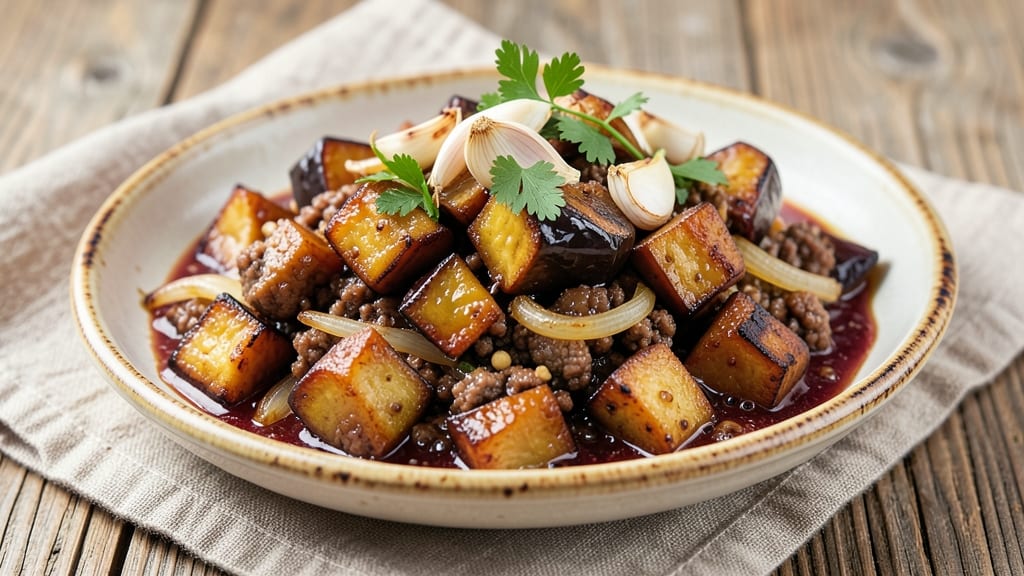
This aubergine and minced beef recipe transforms humble ingredients into a rich, aromatic dish with layers of smoky char and tender texture. The secret lies in browning the beef until deeply caramelized, then letting it simmer with roasted eggplant until the flavors meld into perfect harmony.
I developed this recipe after years of experimenting with Middle Eastern techniques, balancing earthy eggplant with the savory depth of minced beef—no heavy cream or complicated sauces required.
The beauty of this recipe is its one-pan simplicity: the eggplant roasts while the beef cooks, and a quick tomato-herb sauce ties everything together. No fancy equipment needed—just a cast-iron skillet or deep oven-safe pan.
The result is a dish that’s hearty enough for dinner but elegant enough for guests, with charred edges that add a smoky contrast to the tender filling. This isn’t just comfort food; it’s a restaurant-quality meal you can make at home.
What makes this recipe stand out is the textural contrast—crispy eggplant skins, tender beef, and a sauce that clings to every bite. The slow simmer develops deep, complex flavors, while the final touch of fresh herbs brightens the dish without overpowering.
Whether you’re serving it with crusty bread or over rice, this recipe delivers bold, satisfying flavors that feel luxurious but are surprisingly easy to achieve.
Perfect for weeknight dinners or special occasions, this dish adapts effortlessly to your schedule. Make it ahead and let the flavors deepen, or serve it fresh with a sprinkle of toasted nuts for extra crunch.
The possibilities are endless, but the foundation remains the same: simple ingredients, bold flavors, and a technique that guarantees success. Let’s get cooking!
Ingredients for aubergine minced beef
Transform humble ingredients into restaurant-quality harmony with these carefully selected components.
| Ingredient | Amount | Notes |
|---|---|---|
| Eggplant 🍆 | 1 ½ lb | Medium-sized, cut into 1-inch cubes |
| Minced Beef 🥩 | 1 lb | 80/20 fat ratio preferred |
| Yellow Onion 🧅 | 1 whole | Medium, finely diced |
| Garlic Cloves 🧄 | 4 cloves | Minced, fresh preferred |
| Canned Crushed Tomatoes 🍅 | 1 can | 28 oz, San Marzano preferred |
| Ground Cumin 🌿 | 1 tbsp | Toasted for deeper flavor |
| Smoked Paprika 🌶️ | 1 tbsp | For smoky depth |
| Ground Coriander 🌿 | 1 tsp | Freshly ground preferred |
| Fresh Parsley 🌿 | ¼ cup | Chopped, for finishing |
| Fresh Mint 🌿 | ⅛ cup | Chopped, optional garnish |
| Extra-Virgin Olive Oil 🫒 | ½ cup | For roasting and cooking |
| Kosher Salt 🧂 | 1 ½ tsp | Diamond Crystal preferred |
| Freshly Ground Black Pepper 🌶️ | ½ tsp | Cracked peppercorns preferred |
| Pine Nuts 🥜 | ¼ cup | Toasted, for garnish |
The eggplant selection matters—look for firm, glossy-skinned varieties at specialty markets or the produce section of Whole Foods. Avoid soft spots or wrinkled skin, as these indicate age. For the minced beef, 80/20 fat ratio is ideal—it renders beautifully during cooking, adding moisture and richness. If you can't find San Marzano crushed tomatoes, look for high-quality Italian brands at Trader Joe's or Costco. The spices should be fresh—ground cumin and coriander lose potency quickly, so consider buying whole seeds and grinding them yourself for maximum flavor. For the fresh herbs, buy bunches with vibrant green leaves and store them properly to maintain their brightness throughout the cooking process.
No fresh parsley? Cilantro or basil at half the amount works in a pinch, though parsley's mild flavor is ideal here. Short on mint? Skip it or use a pinch of dried mint, but fresh is worth the effort for that bright finish. The pine nuts can be substituted with walnuts or almonds if budget is a concern, though they'll alter the texture slightly. For the olive oil, avoid heavily processed brands—look for extra-virgin with a robust flavor profile. If you can't find Diamond Crystal kosher salt, Morton is a fine alternative, though the crystal size differs slightly. The crushed tomatoes can be replaced with whole peeled tomatoes blended, but they'll require straining to achieve a similar consistency.
Store fresh herbs wrapped in damp paper towels in a sealed container for up to 5 days. The minced beef can be prepped ahead and refrigerated for 1 day before cooking, though it's best used immediately for optimal texture. The cooked dish reheats beautifully—simply warm in a skillet with a splash of water to restore moisture. For make-ahead convenience, portion into individual containers and freeze for up to 3 months. When reheating from frozen, add an extra splash of water or broth to prevent drying. The charred edges will soften slightly but still contribute that essential smoky contrast to every bite.
Why You'll Love This Recipe
- One-Pan Magic: I swear by this recipe when I’m too tired to scrub pots—just brown the beef, toss in the eggplant cubes, and let the onions caramelize right alongside. The eggplant soaks up all the rich tomato and garlic flavors without falling apart, so you’re basically making a hands-off stew that still feels special.
- Umami Bomb: That combo of minced beef and eggplant? It’s like a flavor explosion in your mouth. The beef stays tender while the eggplant gets just crisp enough at the edges, and the crushed tomatoes add this deep, savory sweetness that makes every bite worth lingering over. Honestly, I’ve made this for people who “don’t like eggplant,” and they’ve come back for seconds.
- Lunchbox Hero: This dish is my secret weapon for meal prep—it reheats like a dream and keeps its texture for days. Pack it in containers for work lunches, or serve it cold over rice the next day (yes, really). My kids actually ask for it, and that’s saying something when they’d rather eat cereal.
- Budget Stretch: Minced beef and eggplant are both wallet-friendly, and a single can of tomatoes stretches the whole thing into a full meal. I’ll be real: I’ve made this on a Tuesday night when I forgot to grocery shop, and it still tasted like I’d put in effort. Plus, leftovers? They’re even better the second day—if there are any.
Step-by-step instructions for aubergine and minced beef one-pan dish
This method delivers deep smoky flavors and tender textures through precise layering and controlled heat.
Prepare and Roast the Eggplant
Preheat your oven to 425°F. Toss the 1.5 lb eggplant, cut into 1-inch cubes, with 2 tablespoons of the extra-virgin olive oil and 1 teaspoon of the kosher salt. Spread in a single layer on a rimmed baking sheet, ensuring pieces don't overlap. Roast for 25-30 minutes until edges are deep golden brown and slightly charred.
Here's the thing—roasting the eggplant first removes excess moisture and develops that smoky, caramelized edge we want. Flip the cubes halfway through for even browning. If they brown too quickly, tent with foil to prevent burning. Remove and set aside, reserving the roasted eggplant for later use.
Sauté Aromatics and Brown the Minced Beef
In a large, oven-safe skillet, heat 2 tablespoons extra-virgin olive oil over medium-high heat. Add the 1 whole yellow onion, finely diced, and cook for 5-6 minutes until softened and translucent. Add the 4 cloves minced garlic and cook for 30 seconds until fragrant.
Push the onions to one side of the pan and add the 1 lb minced beef in batches, breaking it apart with a wooden spoon. Cook until browned and no longer pink, about 5-7 minutes. Season with 1.5 teaspoons kosher salt, 0.5 teaspoon freshly ground black pepper, 1 tablespoon smoked paprika, and 1 tablespoon ground cumin. Stir in the 1 teaspoon ground coriander and cook for another 1 minute.
Build the Sauce and Combine Ingredients
Pour in the 1 can crushed tomatoes and stir to deglaze the pan, scraping up any browned bits. Add the roasted eggplant cubes and simmer for 10-12 minutes until the sauce thickens slightly and the eggplant absorbs the flavors. The mixture should be saucy but not watery—adjust consistency by adding 1-2 tablespoons water if needed.
This is where the flavors meld. The roasted eggplant softens while absorbing the rich tomato-beef sauce. Taste and adjust seasoning—you might need a pinch more salt or a crack of black pepper to balance the dish. Remove from heat and let it rest for 5 minutes to allow flavors to settle.
Finish and Garnish
Toast the 0.25 cup pine nuts in a dry skillet over medium heat for 2-3 minutes until golden and fragrant. Stir in the 0.25 cup chopped fresh parsley and 0.125 cup chopped fresh mint. Divide the dish among plates, garnishing each serving with toasted pine nuts and fresh herbs.
Serve immediately while still warm. The dish should have tender eggplant cubes bathed in a rich, spiced tomato-beef sauce, with a crunchy contrast from the pine nuts and fresh herbs. Each bite delivers a balance of smoky, savory, and slightly sweet flavors—exactly what we aimed for.
Pro Tips For Making Aubergine Minced Beef
- Salt the Eggplant First: I learned this the hard way—skip salting the sliced eggplant before cooking, and you’ll end up with a soggy, waterlogged mess. Sprinkle it with salt, let it sit 20 minutes, then pat thoroughly dry. The bitterness fades, and the texture stays firm—no one wants mushy eggplant in their minced beef.
- Brown the Beef Properly: High heat. Seriously, crank it up until the minced beef releases that deep, caramelized crust—don’t just cook it through. Overcrowding the pan? Do it in batches. That golden sear locks in flavor, and you’ll taste the difference when it’s finished. (Yes, even if you’re impatient like me.)
- Deglaze with Tomatoes Early: After browning the beef, don’t just dump in the crushed tomatoes—scrape up those stuck-on bits first with a splash of water or a little oil. Then add the tomatoes. It’s the thing that matters most for a rich, layered taste, not just a basic sauce. (Your future self will thank you.)
- Char the Onion: Sounds weird, but it works: let that sliced onion cook until the edges turn dark brown, almost black, before adding the garlic. The bitterness balances the sweetness and adds depth—skip this, and the dish tastes flat. Low and slow won’t cut it here; push it until it’s crispy.
Essential equipment for this recipe
Cast-Iron Skillet
This is my go-to pan for this recipe because it distributes heat evenly and retains it beautifully—perfect for searing beef and roasting eggplant. I use a 12-inch Lodge cast iron skillet with a tight-fitting lid.
The heavy material prevents hot spots that can burn your eggplant, while the lid helps trap moisture during the simmering phase. If you don’t own cast iron, a heavy stainless steel skillet like All-Clad works well too. Just ensure it’s oven-safe for the one-pan method. 🔥
Baking Sheet
A rimmed baking sheet is essential for roasting the eggplant before combining it with the beef. I prefer half-sheet pans (18x13 inches) because they give enough space to spread the eggplant in a single layer without crowding.
The rim prevents cubes from sliding off during flipping. For a budget-friendly option, lightweight aluminum pans work fine, but they may require closer monitoring to avoid burning. Avoid glass pans—they don’t conduct heat as well.
Oven Thermometer
Ovens vary wildly in accuracy, and this recipe relies on precise temperatures. An infrared thermometer like the Thermoworks Oven Thermometer ensures your oven hits 425°F exactly for roasting the eggplant. I’ve ruined batches before when my oven ran hotter than expected—this tool saves the day.
If you don’t have one, check your oven’s accuracy by testing it with a separate thermometer before starting. A 10°F variance can make a big difference in browning.
Wooden Spoon
A heat-resistant wooden spoon is a must for stirring the beef and scraping up browned bits from the pan. I use a sturdy 12-inch silicone-coated wood spoon from OXO because it won’t warp or scratch my skillet.
Avoid metal utensils—they can react with the acidity in the tomatoes or scratch the nonstick surface if you’re using a coated pan. A wooden spoon also helps break up the beef into smaller, more tender pieces without overmixing.
Fine-Mesh Strainer
If you’re using whole peeled tomatoes instead of crushed, a fine-mesh strainer helps achieve a smoother sauce. I keep a collapsible silicone strainer from OXO in my kitchen for this exact purpose—it’s easy to clean and fits snugly over a bowl.
Skip this step if you’re using crushed tomatoes, but if you’re blending your own, strain out any seeds or skins to avoid a watery texture. A cheesecloth works in a pinch, but it’s messier and harder to clean.
Kitchen Timer
Timing is everything in this recipe, especially when roasting the eggplant and browning the beef. I rely on a digital countdown timer (like the Kitchenaid 12-inch) placed right next to my stove.
Set it for 25-30 minutes for the eggplant and 5-7 minutes for the beef—these windows ensure perfect doneness without burning. Pro tip: Use two timers if you’re multitasking, like roasting and prepping garnishes simultaneously. A phone timer works, but it’s easy to miss alerts when you’re focused on cooking. ⏰
Nutrition facts
Frequently asked questions
Can I substitute ground beef with another protein?
For a leaner option, try ground turkey or chicken thighs, though the texture will be slightly different. Lamb or pork work beautifully too—they add rich depth to the dish. Just remember that pork needs extra cooking time to ensure safety, and lamb benefits from browning longer for maximum flavor.
How do I prevent the eggplant from becoming watery?
Salting the eggplant cubes before roasting is key—sprinkle them with 1 teaspoon salt per pound and let them sit for 10 minutes to draw out moisture. Pat them dry thoroughly with paper towels before roasting. This step makes all the difference in achieving tender, not soggy, eggplant in your final dish.
What's the best way to make this ahead of time?
This dish reheats beautifully! Cook it completely, then store in an airtight container in the fridge for up to 3 days. For freezing, portion into individual containers and freeze for 3 months. Thaw overnight in the fridge, then reheat gently in a skillet with a splash of water to restore moisture. The flavors actually deepen over time!
Can I make this dish without fresh herbs?
Yes, but fresh herbs add that bright finish. If you're short on time, use 1 teaspoon dried parsley and ½ teaspoon dried mint (about ⅓ the amount of fresh). For extra flavor, add a pinch of red pepper flakes or a dash of lemon zest to compensate for the missing freshness. The dish will still taste amazing!
Why does my beef turn out dry?
Overcooking is the most common culprit. Keep the heat at medium-high and cook just until the beef loses its pink color (5-7 minutes). Another trick: Add 1-2 tablespoons of water or broth during the simmering phase to maintain moisture. Also, avoid stirring constantly—let the beef brown in batches for better texture.